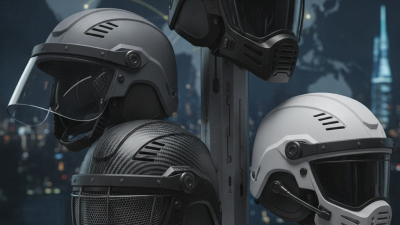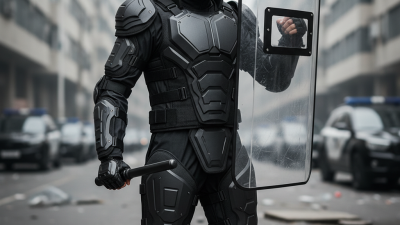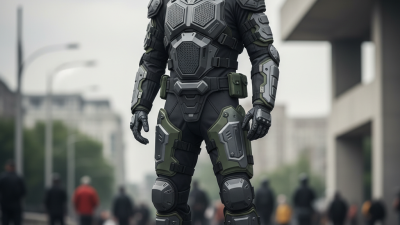
2026 Best Anti Riot Uniform Suppliers for Global Buyers

Global buyers are reassessing protective apparel as public-order operations become more demanding, while procurement standards grow more exacting. The global protective clothing market was valued at approximately USD 10.4 billion in 2023, according to MarketsandMarkets, with steady growth projected through 2028. Grand View Research also reports continued expansion in personal protective equipment, driven by workplace safety, government procurement, and technical textile innovation. These figures do not measure the Anti-Riot Uniform segment alone. That limitation matters.

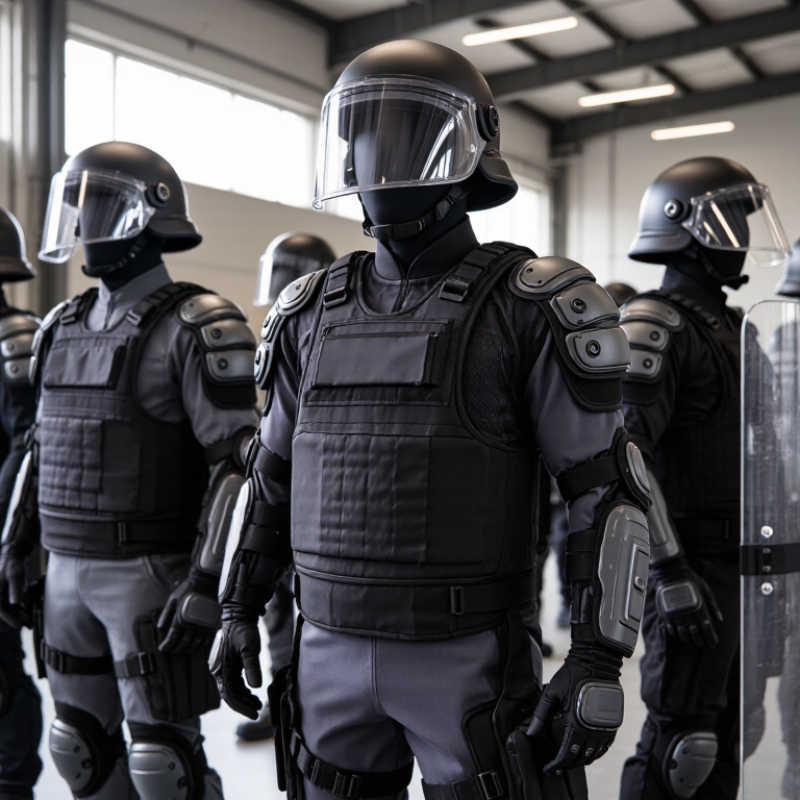
A dependable Anti-Riot Uniform supplier must offer more than a dark-colored suit and a product catalogue. Buyers should examine abrasion resistance, impact protection, flame behavior, breathability, mobility, sizing accuracy, and replacement support. ISO 13688 provides general protective-clothing requirements, while EN 1621-1 and related impact-protection standards can help evaluate selected components. Testing must match the intended operating environment. Laboratory performance cannot fully predict heat, rain, long shifts, or repeated washing.

Dr. Andrew Maynard, a recognized risk-science researcher, has stated, “A safety claim is only as strong as the evidence behind it.” That principle deserves attention here. Supplier claims should be checked against test reports, inspection records, traceable materials, and user trials. Fit is often underestimated. A stiff shoulder panel can restrict movement; poor ventilation can turn a protective layer into a heavy, wet burden. The best supplier may not be the cheapest. It may be the one willing to disclose weaknesses, correct sizing problems, and improve designs after field feedback. This 2026 guide compares leading suppliers through that practical, evidence-based lens.
2026 Best Anti Riot Uniform Suppliers for Global Buyers

What Defines a Reliable Anti-Riot Uniform Supplier in 2026

2026 Best Anti Riot Uniform Suppliers for Global Buyers

A reliable anti-riot uniform supplier proves performance, not only appearance. The International Labour Organization’s 2024 climate report estimates that over 2.4 billion workers face excessive heat exposure. Therefore, suppliers should document breathable fabrics, moisture control, and tested thermal performance. A uniform may look strong while trapping dangerous heat. That weakness matters.

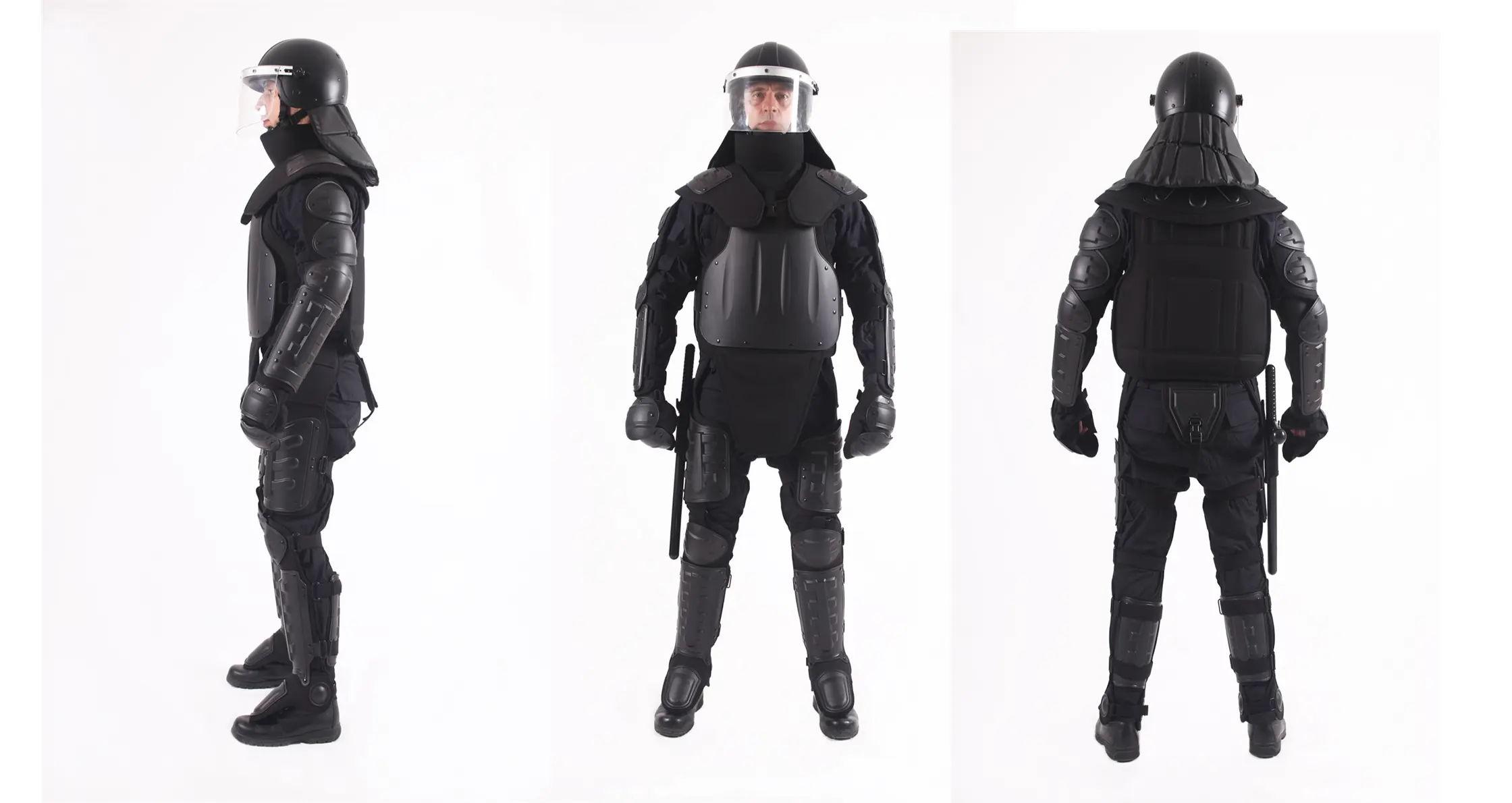
Look for suppliers using controlled material records, numbered production batches, and independent laboratory testing. Protective clothing should align with relevant standards, including ISO 13688 for general protective-clothing requirements. High-visibility components may require testing under ISO 20471, where applicable. Ask for abrasion, tear, seam-strength, colorfastness, and wash-cycle results. Real experience also matters: request a sample worn during movement, not just displayed on a mannequin. Check shoulder mobility, closure security, glove compatibility, and ventilation around the neck.

Quality consistency is more important than one impressive prototype. A 2023 McKinsey apparel sourcing report highlights continuing pressure on supply-chain transparency and resilience, reinforcing the value of traceable production and realistic lead-time planning. Suppliers should provide inspection records, corrective-action reports, and clear replacement policies. Small defects can become large operational problems. I have seen product specifications sound precise but remain difficult to verify. Buyers should question unclear test dates, vague fabric descriptions, and unusually low prices. A dependable supplier welcomes that scrutiny, even when the answer is inconvenient.

Key Materials and Protective Features of Modern Anti-Riot Uniforms

2026 Best Anti Riot Uniform Suppliers for Global Buyers

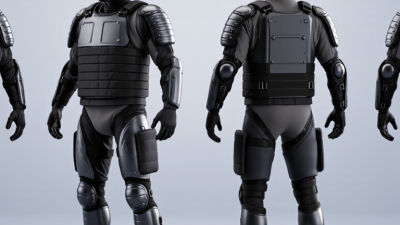
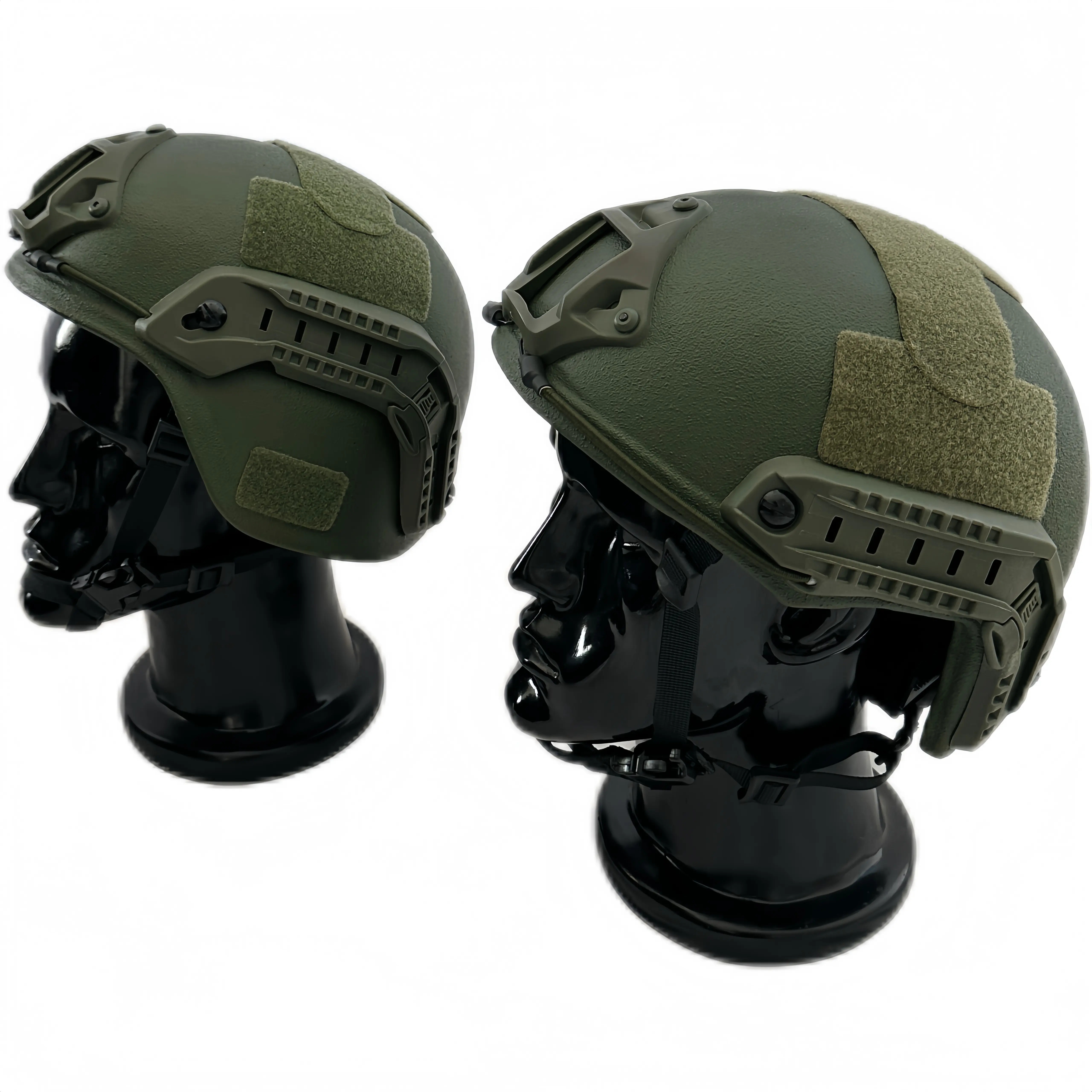
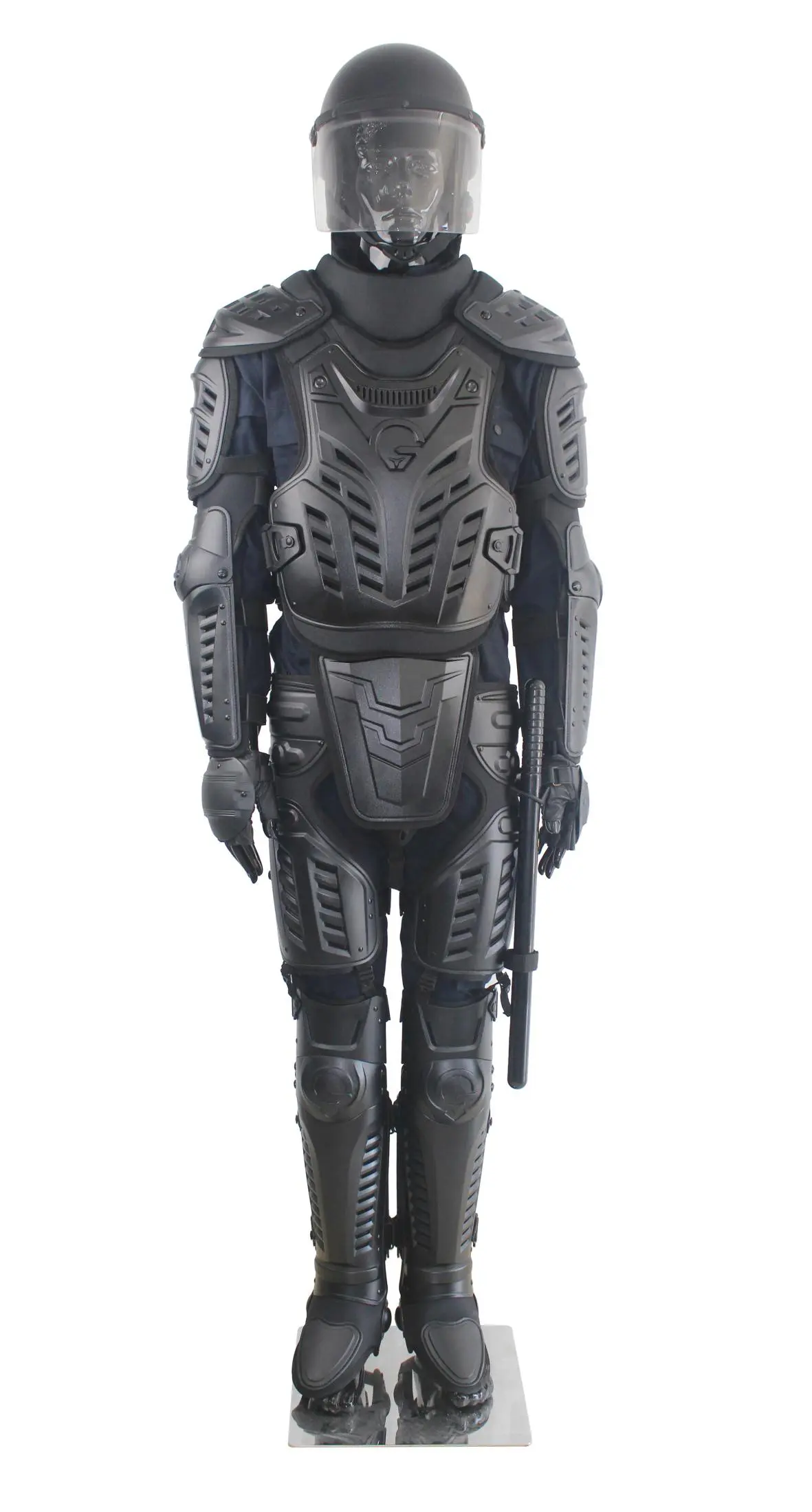
Modern anti-riot uniforms depend on balanced material selection. Aramid or modacrylic fibers can improve heat resistance and durability. High-tenacity nylon adds abrasion protection, but it may retain heat. A breathable mesh lining helps release moisture around the chest, neck, and underarms. Reinforced polyester panels protect high-contact zones, including elbows, knees, and shoulders.

Protection must not destroy movement. Thermoplastic or molded foam inserts can reduce impact energy around the spine, ribs, and joints. Articulated knee sections support crouching and climbing. Adjustable closures keep padding aligned during movement. Anti-slip cuffs help prevent sleeve movement. Reflective details also improve visibility in poor lighting. They should not create snagging points.

Market evidence supports careful procurement. Grand View Research estimated the global protective clothing market at more than USD 10 billion in 2023, with continued growth through 2030. MarketsandMarkets also identifies heat resistance, impact protection, and ergonomic design as major purchasing factors. These figures indicate demand, not guaranteed performance. Buyers should request independent test reports, seam-strength results, abrasion data, and washing-cycle evidence. ISO 13688 offers general protective-clothing requirements, but it does not prove complete riot protection. A heavier uniform can feel safer. That assumption needs challenging. Suppliers should test complete systems, not isolated fabric samples.

How Global Buyers Should Evaluate Supplier Quality and Compliance

Selecting anti-riot uniforms for global procurement requires more than fabric samples and attractive pricing. Experienced buyers inspect stitching, closures, ventilation, and protection coverage during realistic movement. Ask suppliers for measurable specifications, not broad claims. A reliable factory should explain fiber content, seam strength, abrasion results, and washing limits. Request dated test reports from independent laboratories when available. My practical lesson: samples can look excellent, yet fail after repeated cleaning. That gap deserves attention.

Compliance must match the destination market, contract terms, and intended occupational use. Check product labeling, chemical restrictions, worker-safety requirements, and documentation for every shipment. Suppliers should provide traceable batch records, quality-control procedures, and corrective-action logs. Verify whether factory audits are current and whether subcontracting is disclosed. Do not treat a certificate as permanent proof. Standards change, and paperwork can age quietly. A small pilot order can reveal sizing errors, delayed replacements, or inconsistent color lots before full production.

Tips: Build a supplier scorecard. Weight testing, traceability, lead time, ethical labor controls, and after-sales support. Photograph inspection points. Keep signed approvals. Test washed garments again.

Ordering, Customization, and International Logistics Considerations

Global buyers need more than a low quotation when selecting anti-riot uniform suppliers in 2026. Ordering should begin with a clear product specification. Define fabric weight, flame resistance, abrasion performance, color, closures, and size ranges. Ask for current test reports and production samples before approving bulk quantities. A sample can reveal uncomfortable seams, weak stitching, or poor ventilation. Small details matter.

Customization requires practical communication. Suppliers should confirm logo placement, reflective elements, pocket layouts, and protective padding options. Share technical drawings, measurement charts, and approved material references. Do not rely only on photographs. They can hide construction problems. One overlooked issue is grading between sizes, especially for layered uniforms. Request a pre-production sample and record every approved change. Even experienced teams get this wrong.

International logistics need early planning. Confirm lead time, minimum order quantity, packaging dimensions, shipping terms, and customs documents in writing. Different countries may require specific textile labeling, safety evidence, or import declarations. A professional supplier should provide traceable batch information and consistent inspection records. Consider moisture-resistant cartons for long sea routes. Air freight may reduce delays, but it can sharply increase landed costs. Build a realistic schedule with inspection time, port congestion, and possible document corrections. Some buyers still plan from factory departure instead of final delivery. That assumption deserves review.

2026 Best Anti-Riot Uniform Suppliers for Global Buyers

Ordering, customization, and international logistics planning should account for supplier evaluation, sample approval, production, customs clearance, and transportation time. The chart shows typical calendar-day planning ranges for a customized international order.

Indicative planning ranges: actual timelines vary by order quantity, customization complexity, destination, documentation, seasonal capacity, and shipping mode. Sea freight generally requires more time than air freight.

Supplier Comparison Criteria for Different Operational Requirements

2026 Best Anti Riot Uniform Suppliers for Global Buyers

Supplier Comparison Criteria for Different Operational Requirements

Choosing an anti-riot uniform supplier requires more than comparing prices. Buyers should match garment performance with lawful, clearly defined duties. A hot-climate team may need breathable fabric, moisture control, and lighter protective panels. Cold-weather units require insulation, layered construction, and reliable seam protection. Check material test reports, size grading, stitching quality, and documented quality-control procedures. Ask for samples before placing a large order. A sample can reveal uncomfortable collars, weak fasteners, or restricted movement.

Operational details matter. Uniforms used during long shifts should support walking, bending, and vehicle seating. Inspect visibility features, washable labels, replacement-part availability, and repair guidance. Suppliers should explain production lead times, inspection methods, and after-sales support. Independent testing is useful, but paperwork alone cannot prove field comfort. Request wear trials with trained personnel in controlled, lawful settings. Results may differ between dry streets and humid storage areas. That is worth recording.

Tips: Compare suppliers with the same checklist. Measure weight, ventilation, mobility, cleaning performance, and delivery reliability. Confirm that protective elements do not block vision or hearing. Review local procurement rules and labor standards before ordering. Do not ignore small defects. A loose strap today may become a costly maintenance problem later. Some buyers overvalue maximum protection and overlook fatigue. That judgment deserves another review.