
2026 Best Body Protector Suit for Global Buyers?
Choosing the 2026 best Body Protector Suit requires more than comparing prices or attractive product photos. Global buyers need evidence, fit, traceability, and practical protection for real riding conditions. A suit that feels flexible in a showroom may restrict movement after hours in the saddle. That difference matters.
The World Health Organization’s Global Status Report on Road Safety 2023 reports approximately 1.19 million annual road traffic deaths worldwide. It also records tens of millions of non-fatal injuries. These figures concern road users broadly, not equestrian athletes alone. However, they underline one professional lesson: protective equipment must support both impact management and consistent user compliance. A heavy, uncomfortable design may remain unused. That is a serious weakness.
For equestrian applications, buyers should examine EN 13158 performance levels, ASTM F1937 testing references, material durability, and documented quality controls. Fédération Equestre Internationale rules and safety guidance also show why discipline-specific protection deserves attention. Independent market analyses, including Grand View Research reports on sports protective equipment, indicate continued demand for technically improved and more wearable safety products. Yet market growth does not prove product quality. It only shows buyer interest.
A reliable evaluation should include torso coverage, ventilation panels, shoulder movement, closure strength, washing instructions, and replacement policies. Test the suit over actual riding clothing. Check every seam.
Manufacturers should provide batch information and clear technical documents. Suppliers should explain testing scope, not hide behind vague claims. One limitation remains: no report can predict every fall or fitting problem. A careful buyer must combine published data with hands-on inspection, qualified advice, and honest reflection.
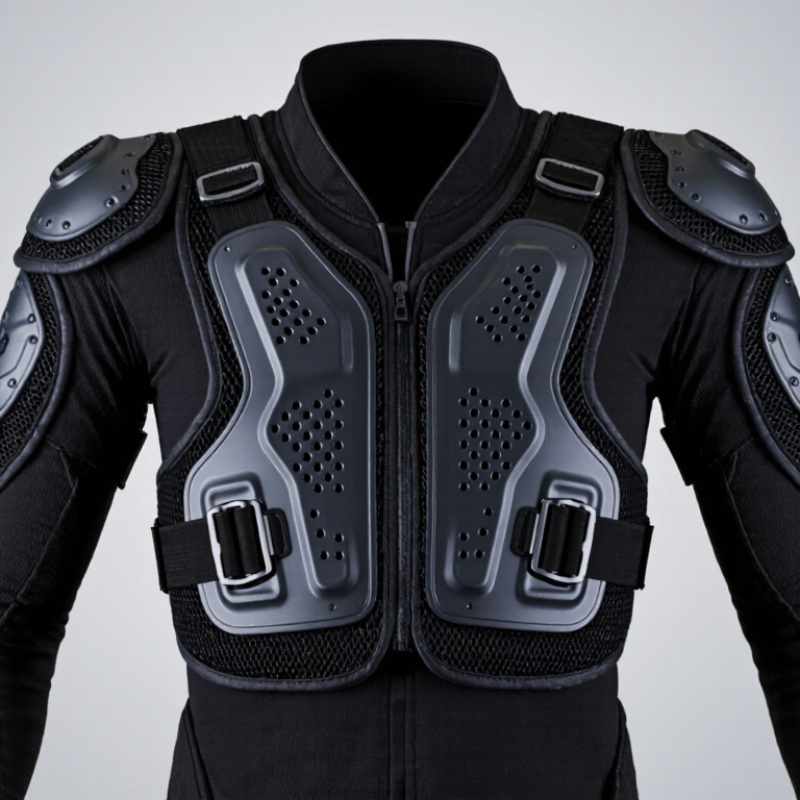
What Is a Body Protector Suit and Who Needs One?
2026 Best Body Protector Suit for Global Buyers?
A body protector suit is protective equipment designed to reduce impact around the chest, back, ribs, and sometimes shoulders. It is not body armor, and it cannot prevent every injury. Riders, cyclists, motorsport participants, warehouse workers, and contact-sport athletes may need one during high-impact activities. The right user depends on movement, fall risk, and workplace conditions.
A suitable protector should fit closely without restricting breathing. When trying one on, raise both arms, twist your torso, and sit in your normal position. The back panel should remain centered, while the front should cover vulnerable ribs without pressing painfully. Check the size chart, closure strength, ventilation, and cleaning instructions. A loose fit can shift during impact. A very tight fit becomes uncomfortable quickly.
Look for tested protection that matches your activity and local safety requirements. Certification labels deserve careful attention, but they do not replace correct fitting. Inspect seams, foam, and fasteners before every use, especially after a hard fall. Replace damaged equipment, even when the surface looks acceptable. Some users choose the thickest model, assuming more material means better protection. That choice can reduce mobility and discourage regular use. Comfort is not a minor detail. It affects whether protection stays on when needed. Availability, climate, and clothing layers also matter for global buyers. Test the suit with your real equipment, not only over a thin shirt.
2026 Best Body Protector Suit for Global Buyers? - What Is a Body Protector Suit and Who Needs One?
| Protector Suit Type | What It Is | Main Protection Areas | Typical Users | Relevant Safety Standard | Key Buying Dimensions | Advantages | Important Limitations | Climate and Use Conditions | Fit and Maintenance Guidance |
|---|---|---|---|---|---|---|---|---|---|
| Motorcycle armor suit | A close-fitting one-piece or two-piece riding garment containing removable or integrated impact protectors. | Shoulders, elbows, hips, knees, back and sometimes chest. | Road riders, touring riders, track riders and professional motorcycle users. | EN 17092 for motorcycle protective garments; EN 1621 series for individual protectors. | Garment class, abrasion resistance, protector coverage, closure system, seam construction and compatibility with riding posture. | Combines abrasion-resistant clothing with impact protection and can reduce exposed gaps between separate garments. | Protection level varies by garment class and inserted armor. It is not a substitute for safe riding or a certified helmet. | Ventilated textile versions suit warm conditions; leather or insulated versions may be better for cooler or high-abrasion use. | Protectors should remain correctly positioned while riding. Follow the care label, inspect seams and replace damaged armor after a serious crash. |
| Motorcycle airbag suit | A riding garment with an inflatable system designed to deploy during a qualifying crash or separation event. | Usually chest, back, neck, shoulders and sometimes hips, depending on the system design. | Motorcyclists seeking additional upper-body coverage, especially frequent or high-speed riders. | EN 1621-4 for inflatable protectors for motorcyclists, where applicable; the complete garment may also use EN 17092. | Activation method, deployment time, coverage zone, gas-cartridge availability, reset procedure and electronic-system reliability. | Can provide broad coverage around the torso and may supplement conventional impact protectors. | Deployment systems require correct installation, maintenance and replacement of used cartridges or components. Coverage is not universal. | Check whether the system is suitable for rain, temperature changes and the intended riding environment. | Wear the connection or electronic system exactly as instructed. Check status indicators and inspect the airbag chamber for damage. |
| Equestrian body protector | A padded or structured vest designed to reduce injury severity from falls, kicks and impacts during horse riding. | Chest, ribs, back and sides of the torso; some models provide additional shoulder or tailbone coverage. | Eventing riders, show jumpers, cross-country riders, children and recreational equestrians. | EN 13158 for protective body and shoulder protectors for equestrian use; some markets also recognize ASTM F1937. | Certification level, torso length, adjustment range, mobility, closure security and compatibility with a riding position. | Provides continuous torso coverage while allowing arm movement and an upright or forward riding posture. | A body protector does not guarantee prevention of fractures or internal injuries and does not replace a certified riding helmet. | Ventilated panels and lightweight foam are useful in warm arenas; removable liners can simplify cleaning. | The protector should fit closely without restricting breathing or movement. Check panels, seams and fasteners regularly. |
| Ski and snowboard protector suit | A flexible protective layer or integrated garment intended to cushion impacts during falls or collisions on snow. | Back, shoulders, elbows, hips, tailbone and knees, depending on the design. | Alpine skiers, snowboarders, freestyle participants and snow-sports instructors. | EN 1621-2 is commonly used for motorcycle back protectors; snow-sport products may use sport-specific or national requirements, so buyers should verify the product label and intended activity. | Impact rating, flexibility, coverage, moisture management, layering compatibility and freedom of movement. | Lightweight designs can be worn beneath outerwear and may improve comfort during repeated falls. | Protection ratings and test methods differ among products. A back protector does not protect the head, neck or all body regions. | Choose breathable materials for active use and enough room for thermal layers without allowing the protector to shift. | Dry naturally after use, avoid high heat unless permitted, and replace foam or shells showing cracks, deformation or severe compression. |
| Mountain-bike and cycling armor suit | A jersey, vest or suit incorporating removable or fixed pads for off-road cycling impacts. | Back, chest, shoulders, elbows, hips and sometimes knees. | Trail cyclists, downhill riders, enduro riders and bike-park users. | EN 1621-1 for limb impact protectors and EN 1621-2 for back protectors, where the product is certified to those standards. | Pedaling mobility, ventilation, pad coverage, moisture control, sizing stability and compatibility with hydration packs. | Offers useful protection while allowing a more active riding posture than rigid protective equipment. | Lightweight pads may provide less coverage or energy absorption than heavier downhill equipment. Certification must be checked for each component. | Mesh construction and moisture-wicking fabrics are valuable in warm conditions; impact coverage may be prioritized for downhill riding. | Ensure pads stay over the intended anatomical areas during movement. Remove pads before washing when the care label requires it. |
| Industrial impact-protection suit | Workwear incorporating padding or certified protectors for tasks involving repeated contact, falls or impact hazards. | Knees, elbows, shoulders, hips and sometimes the back or chest. | Construction workers, warehouse staff, utility workers and maintenance personnel, depending on the risk assessment. | EN 14404 for knee protection used in kneeling work; other components may require separate standards based on the hazard. | Hazard assessment, durability, freedom of movement, visibility, chemical resistance, washable construction and compatibility with other PPE. | Can combine workwear functions with localized impact protection and may reduce the need for separate garments. | It is not automatically suitable for fall arrest, electrical, chemical, cut or flame hazards unless separately certified for those risks. | Select fabric weight, ventilation and weather resistance according to the worksite and duration of use. | Inspect protective inserts and attachment pockets. Replace components that are cracked, compressed, missing or no longer securely retained. |
| Contact-sport padded suit | A close-fitting base layer with foam or molded pads intended to reduce minor impacts during training or competition. | Ribs, shoulders, hips, thighs, knees and sometimes the spine. | Martial artists, rugby players, field-sport athletes and combat-sport trainees, subject to sport rules. | Requirements vary by sport and governing body; buyers should verify whether the equipment is approved for the intended competition. | Pad thickness, coverage, compression, breathability, seam comfort, washing method and rule compliance. | Supports unrestricted movement and can reduce discomfort from routine contact during training. | Padding is generally not designed for motorcycle-level abrasion, high-energy crashes or certified fall protection. | Moisture-wicking fabrics and ventilated zones are important for indoor training and high-intensity activity. | The suit should remain close to the body without restricting circulation. Wash according to the textile and padding instructions. |
| General-purpose protective base layer | A lightweight stretch garment with strategically placed foam or low-profile impact inserts. | Usually hips, thighs, tailbone, shoulders and back; coverage depends heavily on the design. | Recreational users who need basic impact cushioning for low-to-moderate risk activities. | Certification is product-specific. Buyers should not assume that an uncertified base layer meets a recognized impact-protection standard. | Actual certified coverage, insert material, retention, durability, laundering and the risk level of the activity. | Comfortable under outer clothing and generally easier to pack, wash and wear for extended periods. | Low-profile padding may offer limited energy absorption and may not cover critical areas such as the chest or neck. | Suitable for activities where flexibility and comfort are priorities, provided the protection level matches the hazard. | Check that inserts cannot rotate or fold. Replace the garment when elasticity, padding or attachment points deteriorate. |
Buyer note: A body protector suit should be selected according to the specific activity, impact type, coverage requirement and applicable certification. Always check the product label, certification documentation, sizing chart and local safety regulations before purchase.
Related Posts
-
2026 Best Body Protector Suit for Global Buyers and Trends?
-
10 Essential Tips for Choosing the Right Anti-Riot Suit for Safety
-
Top 10 Military Gear Tips for Global Buyers Seeking Quality?
-
How to Choose the Right Anti Riot Suit for Safety and Protection?
-
China Best Protection Riot Suit Reviews and Buying Guide?
-

What is the Best Armor Suit for Military and Security Needs?
Ganyu Police


Latest News
Contact Us
-
Guotai road auto-motorcycle parts industrial zone tangxia town,ruian, zhejiang
-
7 Days a week from 10:00 am to 6:00 pm