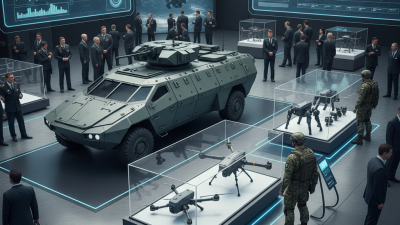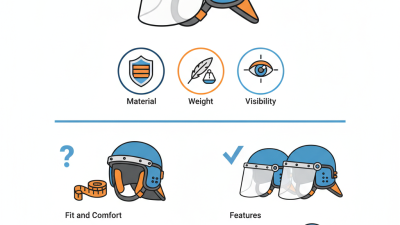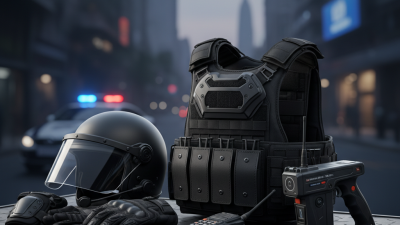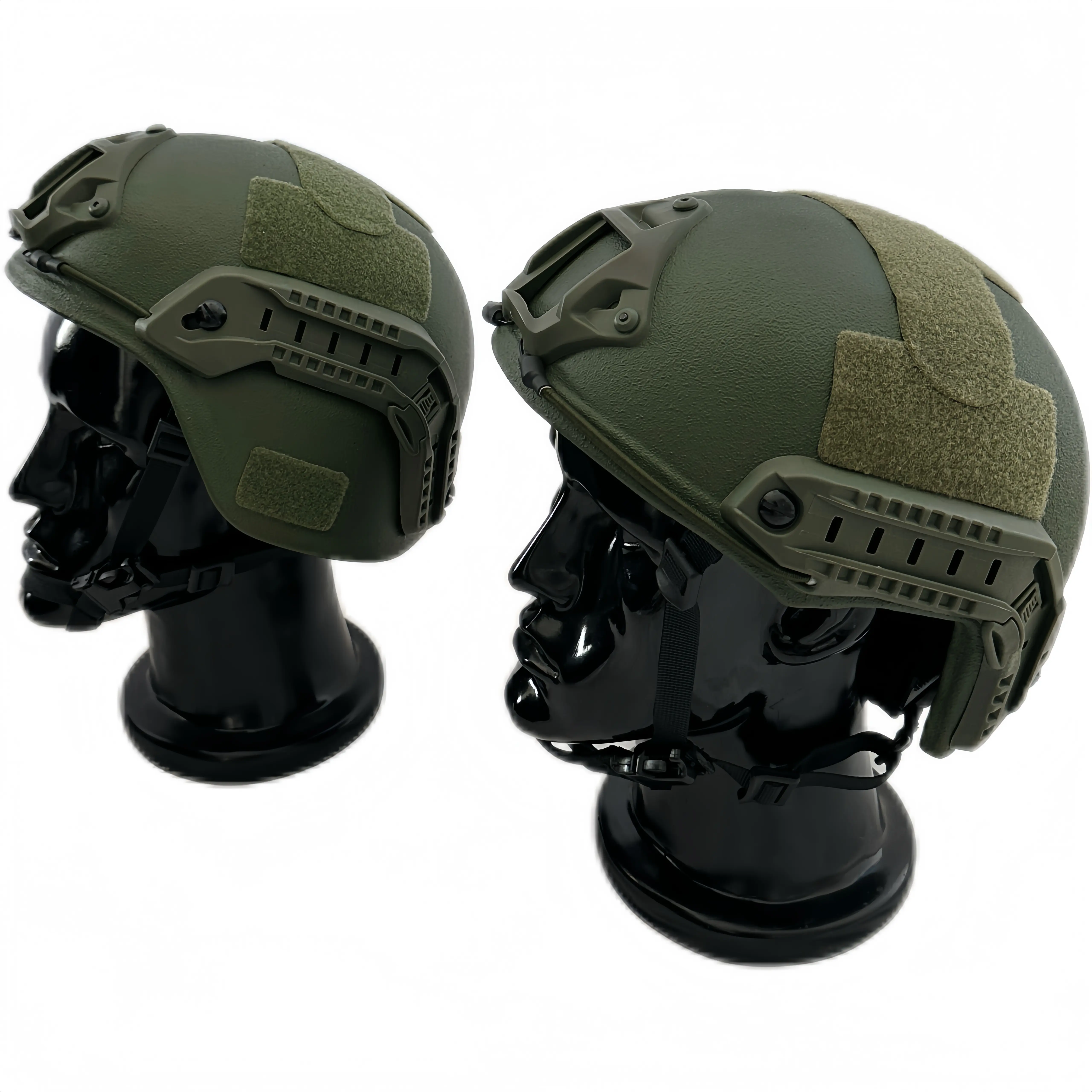
Choosing reliable Army Equipment suppliers in 2026 requires more than comparing product catalogs. Global buyers must examine manufacturing experience, quality systems, delivery records, and long-term support. A vehicle may look impressive in a demonstration, yet fail when spare parts arrive late or maintenance training is incomplete.
General Mark A. Milley, former Chief of Staff of the U.S. Army, stated, “The most important weapon system in the United States Army is the Soldier.” This principle should guide every procurement decision. Equipment must protect personnel, improve operational readiness, and remain practical in demanding environments. Human factors matter.
This guide evaluates leading Army Equipment suppliers through transparent and responsible criteria. These include engineering capability, production capacity, international certifications, cybersecurity practices, warranty service, and lifecycle costs. It also considers communication quality, export compliance, and support for authorized government and institutional buyers.
No ranking is perfect. Supplier performance can change quickly.
Some manufacturers publish limited technical evidence. Buyers should verify claims independently. Factory audits, reference checks, product testing, and contract reviews remain essential. A low purchase price can become expensive after training, upgrades, transportation, and repairs.
The companies discussed here serve different markets and offer different strengths. Some focus on protective systems. Others specialize in mobility, communications, logistics, or field support. The best choice depends on mission requirements, local regulations, budget controls, and the buyer’s technical capacity.
This overview is designed to support careful research, not replace professional procurement advice. Reliable partnerships are built through evidence, accountability, and realistic expectations.

In 2026, army equipment suppliers provide more than vehicles, protective gear, and field communication systems. Global buyers increasingly expect complete support packages, including technical documentation, operator training, spare parts, testing, and maintenance planning. SIPRI reported that global military expenditure reached approximately $2.72 trillion in 2024, a 9.4% real-term increase. This growth suggests stronger procurement demand, but it also raises scrutiny over value, safety, and lifecycle costs.
Reliable suppliers help buyers compare equipment through measurable specifications. These include operating range, payload, battery endurance, environmental resistance, repair intervals, and data-security controls. They should provide certificates of origin, quality records, export documentation, and end-user compliance files. NATO’s 2025 defence expenditure report showed continued spending growth among European members and Canada, increasing pressure for interoperable and sustainable equipment. Compatibility matters in joint exercises.
Small details often decide field performance. A cracked connector, unclear manual, or delayed filter can stop a transport unit. Suppliers therefore offer regional warehouses, inspection services, remote diagnostics, and local technician training. Yet procurement teams should remain cautious. Marketing claims are not independent test results. I have seen specifications look impressive on paper while maintenance assumptions remain vague. Buyers should request demonstrations, sample reports, warranty terms, and total-cost estimates before signing contracts.
The best supplier is not always the cheapest.
Reliability takes evidence.
How to Evaluate and Compare Leading Army Equipment Suppliers
A reliable supplier should be judged beyond catalog size or attractive pricing. SIPRI’s Trends in International Arms Transfers 2024 reported that global transfers rose 1.6% in 2020–2024 compared with 2015–2019. Europe’s imports increased sharply by 155%. This pressure makes delivery capacity and after-sales support critical evaluation points.
Request evidence for production capacity, quality controls, and previous delivery performance. Check whether vehicles, protective equipment, field communications, and logistics systems meet recognized safety standards. NATO’s Defence Expenditure of NATO Countries report shows that allies continued increasing defense spending in 2024, but larger budgets do not guarantee better procurement. Compare total ownership costs, including training, spare parts, maintenance hours, and software support. A low unit price can become expensive in the field.
Ask suppliers for inspection records and realistic lead times. Visit a production site when possible. Look closely at storage conditions, packaging, and testing procedures. Small details matter.
The IISS Military Balance 2025 highlights how military readiness depends on sustainment, not equipment alone. Suppliers should explain repair workflows, technical documentation, warranty limits, and local support arrangements. Independent audits improve credibility. Still, no report replaces direct verification. A supplier may present excellent references, yet weak communication can delay urgent replacements. Buyers should score each supplier against the same criteria, document assumptions, and revisit them after contract award. This process is not flawless, but it exposes hidden risks before they become operational costs.
| Anonymous Supplier Profile | Primary Equipment Scope | Quality and Testing Evidence | Export and Compliance Evidence | Indicative Production Lead Time | Lifecycle Support Capability | Best Buyer Fit | Key Verification Point |
|---|---|---|---|---|---|---|---|
| Profile A Heavy platform integrator |
Armored mobility platforms, protected transport vehicles, vehicle mission systems, field workshops | ISO 9001 quality system; documented configuration control; environmental and vibration testing aligned with MIL-STD-810H or an equivalent contractual test plan | End-user certificate process; export-control screening; controlled technical-data procedures; HS-code and customs documentation | 12–30 months for new platforms; 3–9 months for major upgrades or spare assemblies | Fleet training, technical publications, spare-parts planning, depot maintenance, warranty and modification support | Defense ministries and prime contractors requiring integrated fleet delivery | Verify acceptance-test results, ballistic protection documentation, payload limits, local-maintenance requirements, and total cost of ownership |
| Profile B Tactical electronics specialist |
Secure communications, command-and-control software, navigation, sensors, tactical networking equipment | ISO 9001; cybersecurity risk management; software version control; electromagnetic compatibility and environmental test records | Information-security controls; encryption export review; secure supply-chain procedures; data-sovereignty commitments | 6–18 months for configured systems; 8–24 weeks for standard hardware and software updates | Operator training, software maintenance, cybersecurity patches, obsolescence management, integration support | Buyers modernizing command, communications, surveillance, or battlefield-management systems | Verify interoperability, open interfaces, patch governance, encryption approvals, source-code escrow terms, and network-security testing |
| Profile C Protective equipment manufacturer |
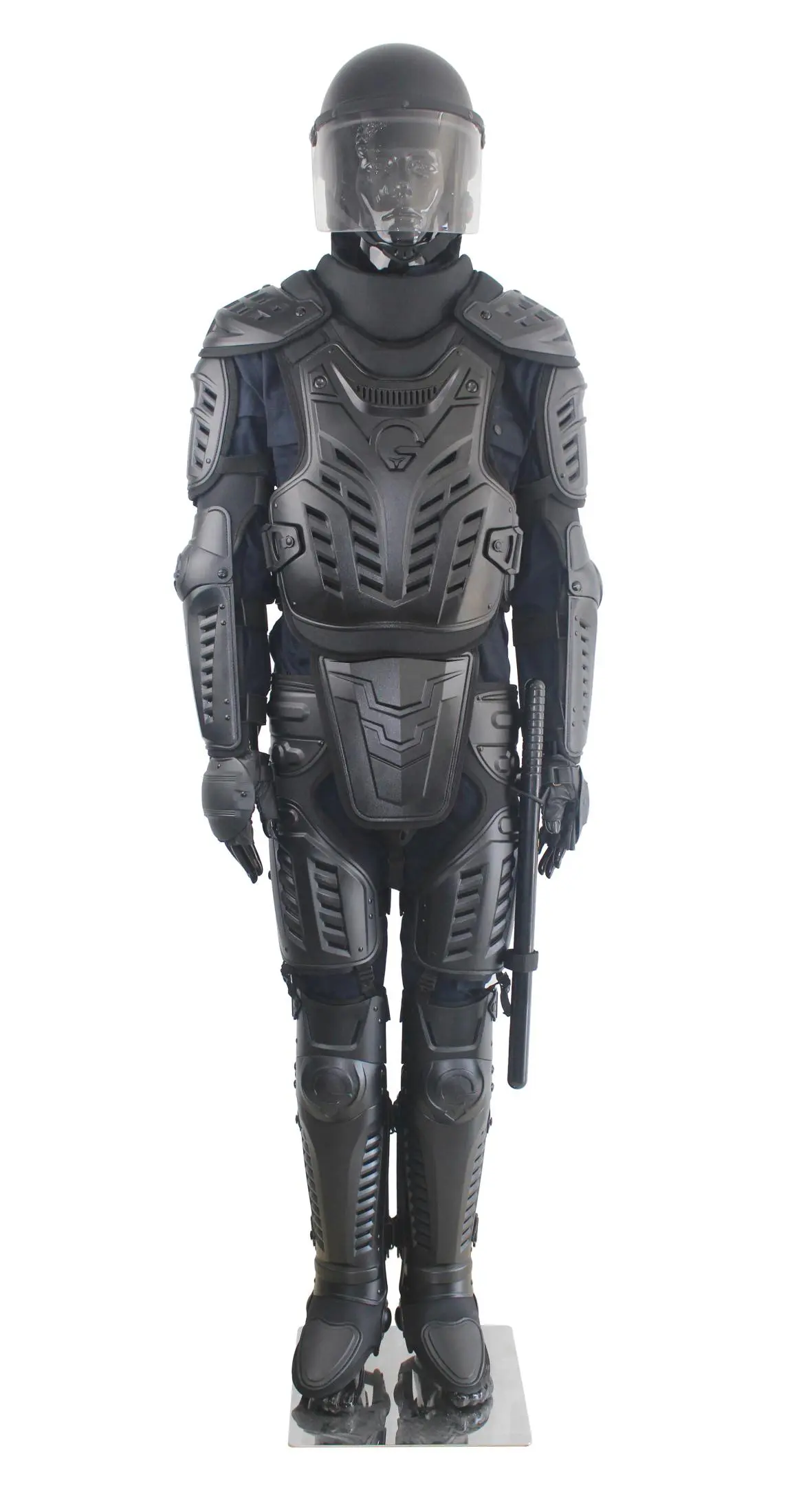
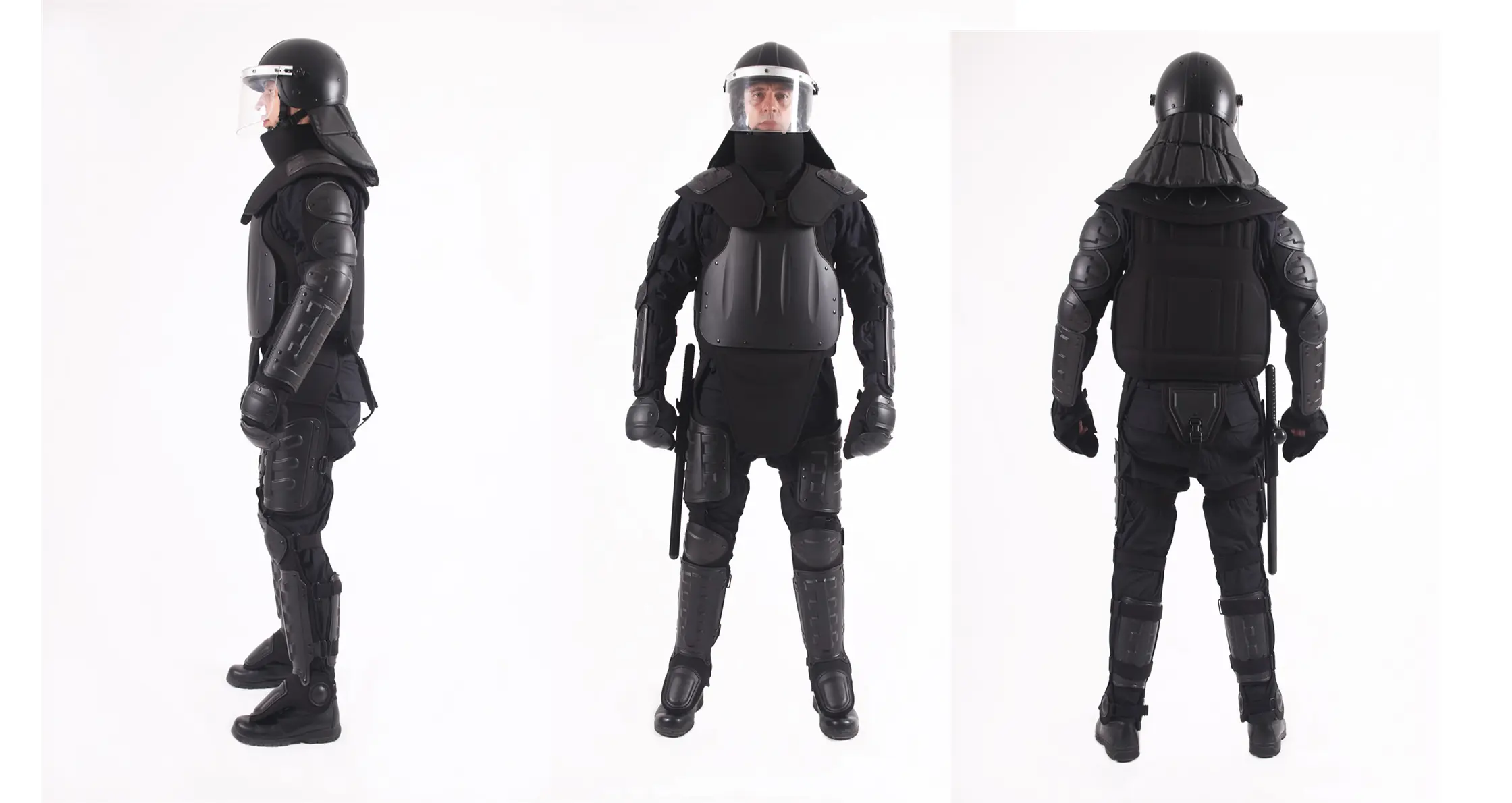
Body armor, helmets, protective clothing, load-bearing equipment, ballistic and impact protection accessories | ISO 9001; independent laboratory reports; lot traceability; material certificates; documented ballistic and environmental test methods | Product classification; end-user documentation; restricted-material declarations; country-of-origin and customs records | 4–16 weeks for standard sizes; 3–8 months for customized or large-volume orders | Size fitting, replacement-cycle guidance, inspection training, repair policy, storage and shelf-life instructions | Procurement agencies seeking scalable personal-protection equipment programs | Verify current test standards, threat level, backface deformation data, temperature conditioning, aging performance, and lot consistency |
| Profile D Weapons and remote-system supplier |
Infantry weapon systems, remote weapon stations, fire-control components, training and maintenance equipment | ISO 9001 or equivalent defense quality controls; acceptance testing; dimensional inspection; reliability and endurance records | Import and export licenses; end-user certificate; sanctions screening; controlled-goods and technical-data compliance | 6–24 months depending on configuration, legal approvals, production quantity, and test requirements | Armorer training, spare parts, technical manuals, inspection tools, repair authorization, service-life planning | Authorized government buyers with established legal and technical procurement channels | Verify legal eligibility, safety testing, accuracy and reliability data, ammunition compatibility, training obligations, and after-sales authorization |
| Profile E Uncrewed systems supplier |
Reconnaissance unmanned systems, ground robots, payloads, control stations, recovery and support equipment | ISO 9001; flight or field-test logs; battery and environmental test records; software and firmware configuration control | Radio-frequency compliance; aviation or spectrum approvals where applicable; export screening; geospatial-data controls | 3–12 months for commercial-off-the-shelf configurations; 9–24 months for mission-specific integration | Pilot training, battery management, payload integration, repair exchange, software updates, field-service support | Organizations requiring surveillance, route clearance, logistics, or hazardous-area inspection | Verify endurance under mission load, navigation resilience, link security, recovery procedures, weather limits, and operator certification |
| Profile F Field logistics and sustainment provider |
Spare parts, deployable workshops, power generation, shelters, water systems, fuel and maintenance logistics | ISO 9001; warehouse controls; serial-number tracking; calibration records; inspection and preservation procedures | Dangerous-goods transport procedures; customs documentation; origin records; sanctions and supplier screening | 2–16 weeks for stocked items; 3–9 months for engineered or constrained components | Inventory forecasting, repair turnaround, obsolescence monitoring, field technicians, technical publications | Buyers prioritizing readiness rates, availability of spares, and predictable operating costs | Verify fill rate, mean time to repair, inventory ownership, shelf-life controls, transport liability, and emergency replenishment capacity |
| Profile G Engineering and refurbishment partner |
Mid-life upgrades, depot overhaul, system integration, reverse engineering, training-range equipment | ISO 9001; inspection and non-destructive testing records; calibrated tooling; engineering change documentation | Technical-data rights; export authorization; controlled repair information; waste and hazardous-material procedures | 3–15 months for refurbishment; 6–24 months for engineering-led modernization | Condition assessment, reliability improvement, training, test equipment, documentation updates, local capability transfer | Forces seeking to extend existing asset life while reducing replacement expenditure | Verify baseline condition, technical-data ownership, acceptance criteria, remaining service life, warranty scope, and upgrade compatibility |
| Dimension | Suggested Weight | Evidence to Request |
|---|---|---|
| Technical compliance and mission performance | 25% | Technical specification, qualification tests, independent reports, acceptance-test plan, interoperability matrix |
| Quality assurance and traceability | 15% | ISO 9001 certificate, audit findings, serial or lot traceability, nonconformance process, calibration records |
| Export, legal, and cybersecurity compliance | 15% | Licenses, end-user documentation, sanctions screening, data-protection controls, secure-development evidence |
| Delivery reliability and supply-chain resilience | 15% | Capacity plan, critical-subcomponent list, dual-source strategy, on-time-delivery history, contingency plan |
| Lifecycle cost and sustainment | 15% | Warranty, spare-parts pricing, maintenance concept, training cost, software support, disposal requirements |
| Local support and industrial participation | 15% | Local service plan, training-transfer schedule, repair capability, technology-transfer limits, workforce requirements |
2026 Top Army Equipment Suppliers for Global Buyers
Major Categories of Army Equipment and Their Operational Uses
Army equipment begins with protection, mobility, and reliable communication. Personal protective gear includes helmets, body armor, eye protection, and hearing protection. These items reduce common field injuries during transport, training, and emergency response. Mobility equipment supports safe movement across roads, rough ground, and temporary routes. Utility vehicles, recovery systems, and transport platforms help units carry people, water, tools, and medical supplies.
Communication and observation systems connect teams across difficult terrain. Secure radios, satellite links, mapping tools, and portable sensors improve coordination and situational awareness. Their value depends on simple controls, battery life, and compatibility with existing systems. Complex equipment can fail when users receive limited training. That weakness deserves more attention.
Medical and sustainment equipment keeps operations stable over long periods. Field medical kits, portable diagnostic devices, refrigeration units, generators, and water treatment systems support healthier personnel. Engineering equipment also helps clear debris, repair roads, and build temporary shelters. Procurement teams should examine safety certifications, maintenance records, spare-part access, and local service capacity. The lowest purchase price may create higher lifecycle costs. Buyers also need lawful export procedures, transparent documentation, and responsible end-use checks. Real conditions are rarely perfect. Testing should include heat, dust, rain, power loss, and hurried human decisions.
Global buyers reviewing top army equipment suppliers in 2026 must examine compliance before comparing prices or delivery times. International procurement usually involves export controls, import permits, customs rules, and sanctions screening. Paperwork matters.
A qualified supplier should provide accurate product classifications, origin details, serial number records, and technical documentation. Buyers may need an end-use certificate, an import license, and written approval from relevant authorities. Export control rules can restrict re-exports, technical data, or transfers to another country. Procurement teams should involve legal counsel and compliance officers early, not after contract signing.
A practical review includes screening all parties, checking beneficial ownership, and confirming the final user. Secure document storage helps during customs checks or later audits. Independent inspection can verify quantities, packaging, and stated specifications before shipment. Small errors matter. A missing signature or unclear destination can delay an otherwise lawful order.
Rules also change during regional conflicts, elections, or new sanctions decisions. Experienced buyers should monitor official government notices and keep a dated decision log. No checklist is perfect. Teams sometimes trust familiar procedures too much, while local requirements remain overlooked. A second review by an independent compliance professional can expose that gap before funds, equipment, or sensitive information move across borders.
In 2026, army equipment suppliers will be judged by readiness after delivery, not only by contract price. The World Bank’s Logistics Performance Index 2023 measures customs, infrastructure, tracking, and timeliness. These indicators matter when a replacement component must cross several borders. UNCTAD’s Review of Maritime Transport 2024 states that ships carry over 80% of global trade by volume. A delayed port can therefore stop a maintenance schedule.
Reliable suppliers should provide regional spare-parts hubs, clear serial-number records, and technicians trained on the delivered systems. Service-level agreements should define response times, repair targets, warranty limits, and escalation contacts.
The U.S. Government Accountability Office has repeatedly identified sustainment costs and parts availability as major drivers of weapon-system readiness. Buyers should request historical fill-rate data, not attractive promises.
A 95% fill rate sounds strong, but it may hide ten critical items that remain unavailable.
Supply-chain resilience also requires dual sourcing, tested packaging, and documented export compliance. The 2024 Global Risks Report from the World Economic Forum highlights persistent geopolitical and trade disruption risks.
Suppliers should simulate port closures, sanctions screening delays, and sudden demand increases without discussing prohibited applications. Quarterly audits can test inventory accuracy and repair capacity.
Field experience suggests that paperwork fails before hardware does. That lesson is uncomfortable, and sometimes overlooked. A supplier with excellent equipment but weak after-sales coordination may create expensive downtime.
Reliability must be measured in delivered parts, working assets, and honest reporting.