7 Tips for Buying a Police Anti Riot Suit?
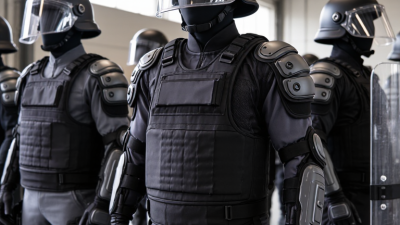
Choosing a Police Anti Riot Suit requires more than comparing prices or selecting the heaviest design. Protective equipment should support lawful public-safety duties, not encourage unnecessary force. This guide introduces seven practical tips for evaluating materials, fit, visibility, mobility, ventilation, documentation, and supplier reliability. Each detail matters when officers may stand for hours in hot weather, move through crowded streets, or respond to sudden changes in the environment.
Start with the wearer’s real working conditions. A suit that feels secure in a showroom may restrict movement after several hours. Check how the shoulder panels lift, whether the knee protection stays aligned, and if gloves allow a firm grip. Small gaps can matter. Heat buildup matters too. Look for clearly stated materials, tested impact protection, and care instructions from a reputable manufacturer. Independent certification is valuable, but buyers should verify the applicable standard and testing date rather than trusting vague marketing language.
Fit should be assessed with the complete protective system, including a helmet, boots, and communication equipment. Professional purchasing also requires transparent records, responsible training, and regular inspection. Replace damaged components promptly. Do not assume expensive equipment is automatically better. That assumption can fail. A thoughtful decision balances protection, comfort, visibility, maintenance, and legal requirements. The following tips are designed to help authorized organizations ask better questions and choose equipment responsibly, with safety and accountability kept at the center.
Define the Required Protection Level and Intended Use
7 Tips for Buying a Police Anti Riot Suit?
Define the Required Protection Level and Intended Use
Before comparing suits, identify the environment and hazards involved. A training session needs different protection than controlled crowd-management duties. Consider impact, abrasion, heat, visibility, and movement. Do not choose the heaviest option automatically. Extra weight can reduce stamina and slow safe movement.
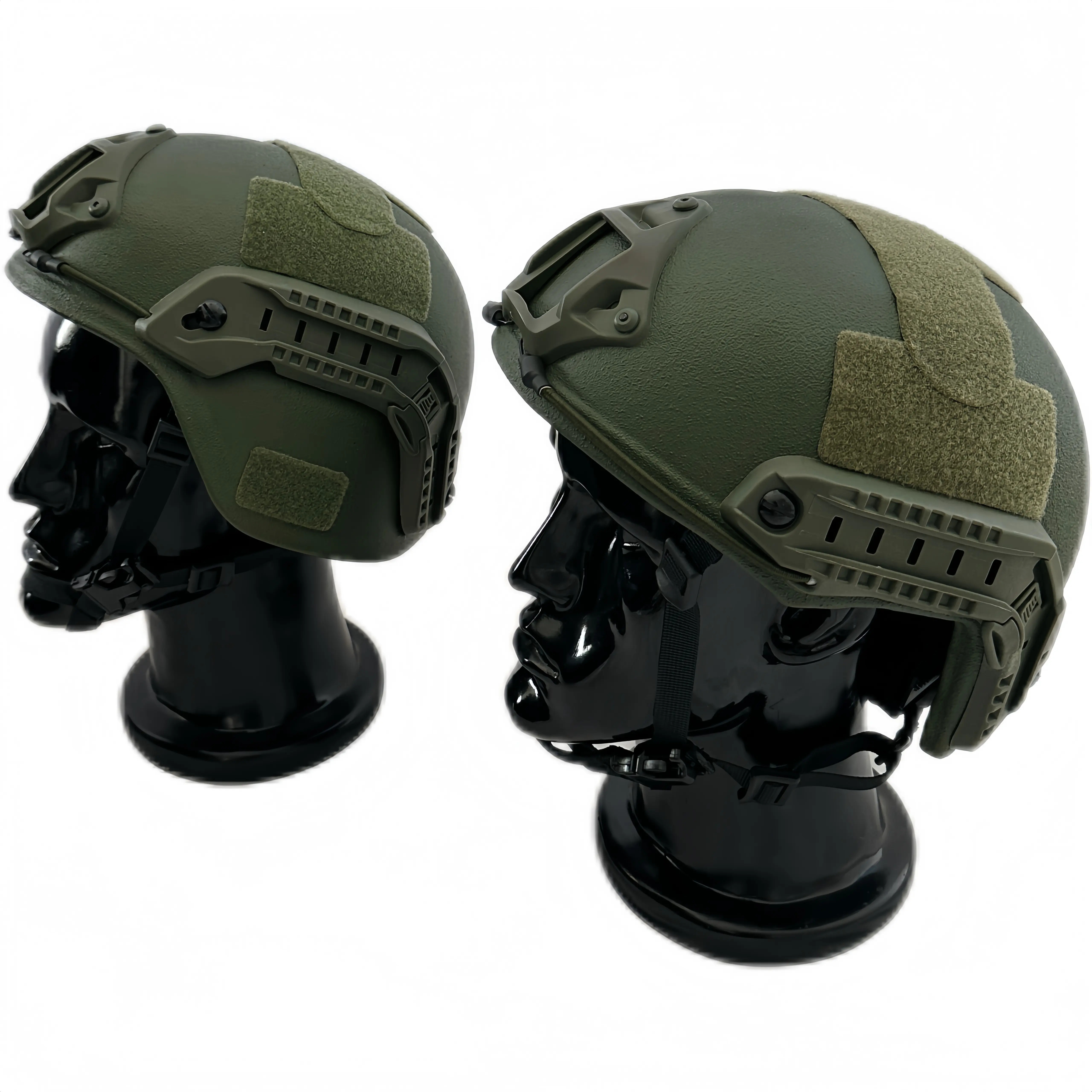
Review recognized safety standards and independent test results. Ask what each component protects, including the helmet, torso, joints, gloves, and shins. A clear protection rating is more useful than broad words such as “maximum defense.” Check whether the suit is designed for short deployment or extended wear. Climate matters. In hot conditions, ventilation and moisture control can affect concentration.
Fit should be tested while walking, kneeling, and raising both arms. Small gaps near the wrists or knees may expose vulnerable areas. The helmet should remain stable without creating pressure points. Inspect fasteners, seams, lenses, and padding after repeated practice. I once underestimated how quickly poor ventilation causes fatigue. That mistake changed my evaluation checklist.
Document the intended users, training frequency, storage conditions, and cleaning process. Select equipment that personnel can maintain correctly. Replace damaged parts promptly, even when the damage looks minor. Product claims deserve careful questions. A supplier should explain limitations, testing methods, warranty terms, and replacement availability in plain language. Local regulations and workplace policies must guide the final decision. Safety is not only about resistance; it also depends on fit, training, visibility, and disciplined use.
Check Material Quality, Coverage, and Protective Components
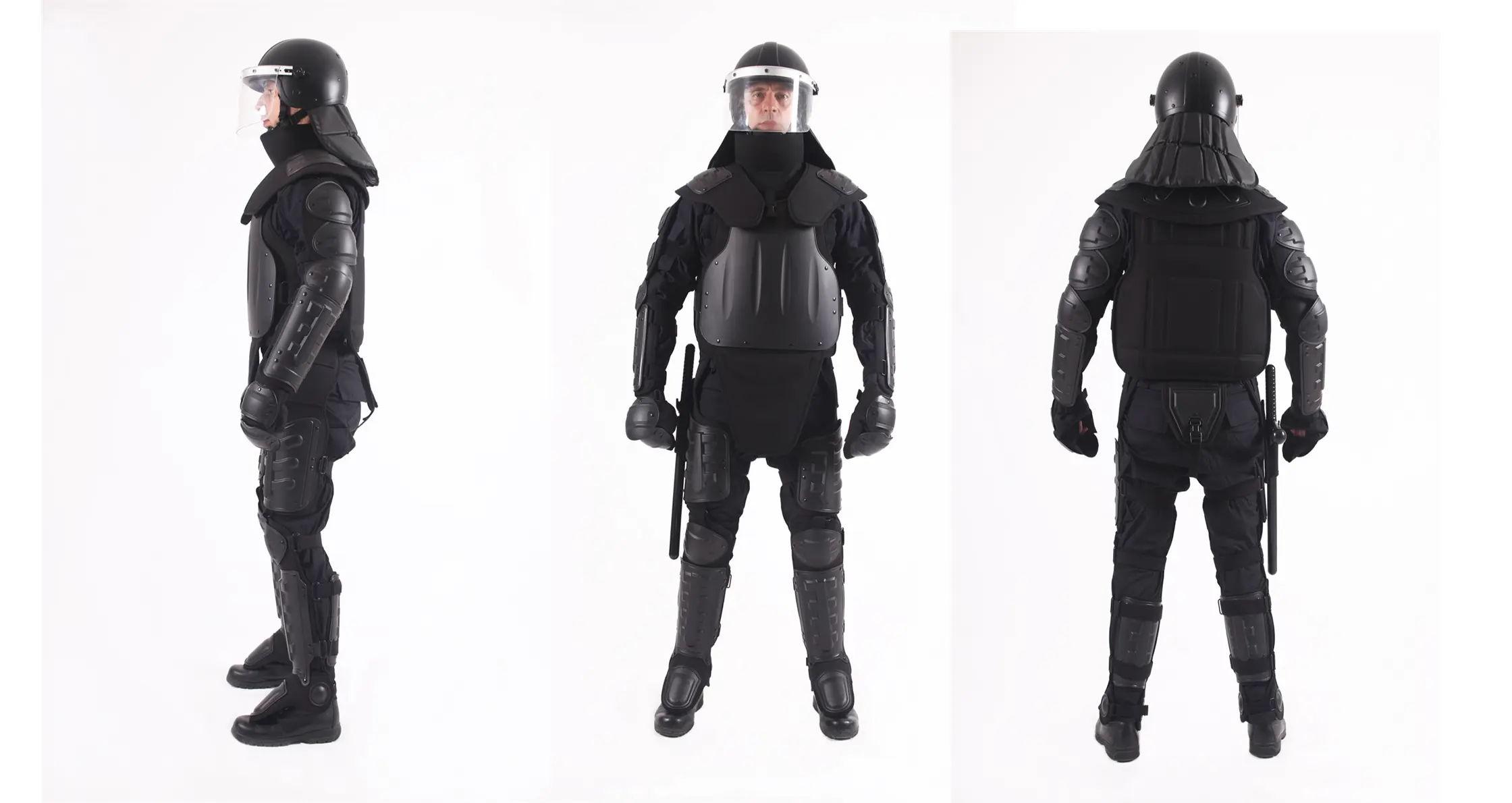
Buying a police anti riot suit requires more than checking its appearance.
Material quality should be your first concern. Look for abrasion-resistant outer fabric, reinforced stitching, and padding that keeps its shape after repeated use.
Hold the material under light. Uneven weaving or thin areas can reveal weak construction. Some sellers describe fabric vaguely, so request test information and care instructions.
Coverage must match the wearer’s movement and exposure.
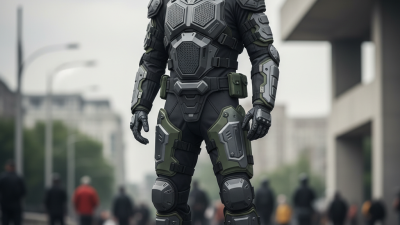
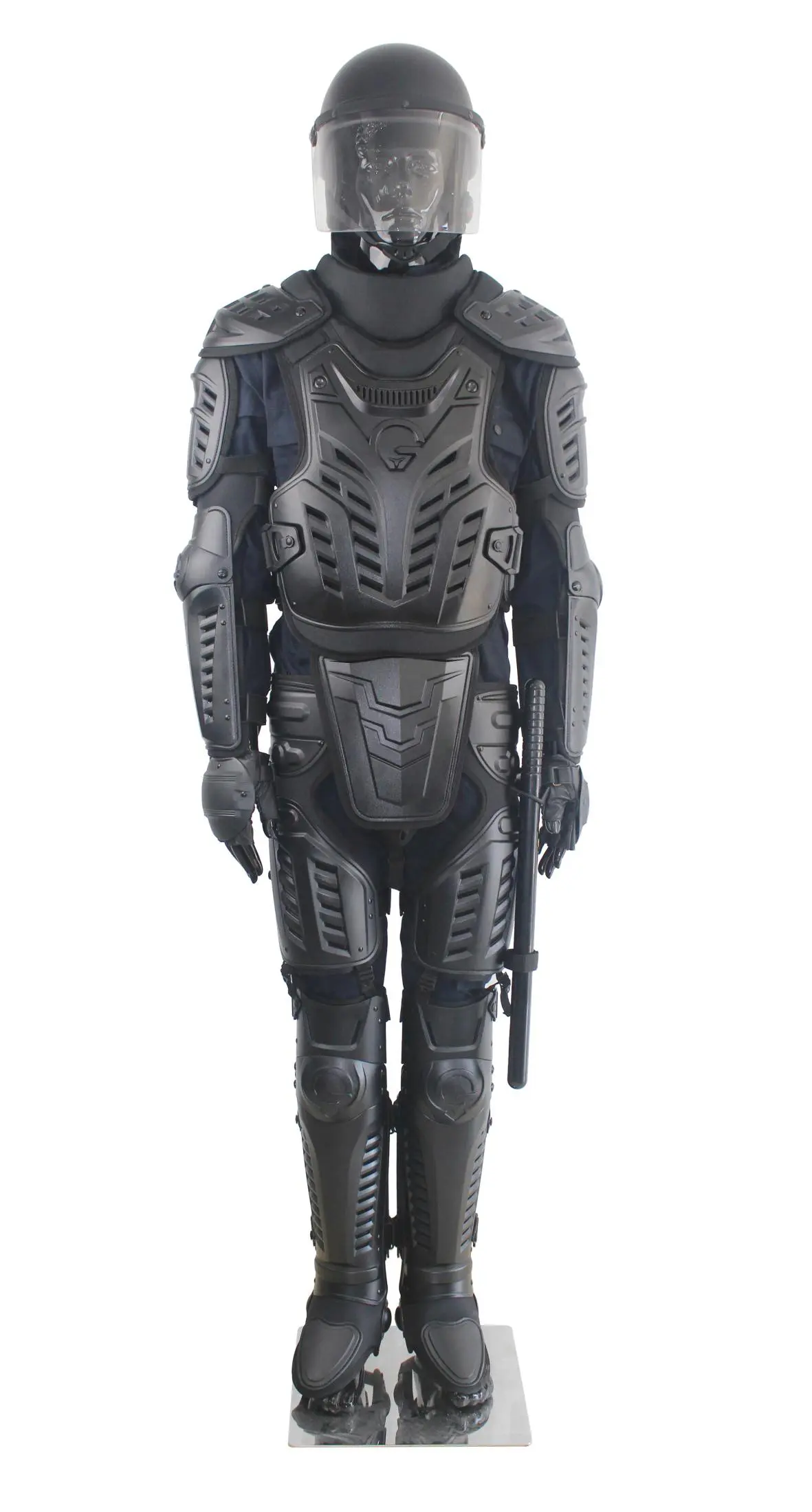
Check the torso, shoulders, elbows, forearms, hips, knees, and shins. Gaps often appear when a person bends or raises an arm. Try the suit with gloves and approved head protection. Walk, kneel, and turn quickly. Comfort matters. A rigid panel can protect well but restrict movement, creating another risk. Adjustable straps should remain secure without cutting into the body.
Examine each protective component separately.
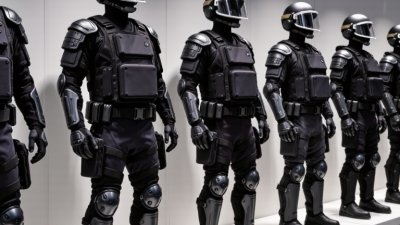
Impact panels should sit firmly, while ventilation areas should not weaken critical coverage. Inspect closures, buckles, and removable liners for reliable operation. Ask whether the equipment has been tested against relevant professional standards, and verify the documents rather than trusting a sales claim. A trained safety officer should assess the complete setup. No suit provides unlimited protection. Even experienced users can overlook heat stress, reduced vision, or poor fit. That is worth reconsidering before purchase.
Choose Proper Fit, Mobility, and Comfort Features
7 Tips for Buying a Police Anti Riot Suit?
Choose Proper Fit, Mobility, and Comfort Features
A protective suit should fit the wearer, not simply match a size chart. Measure the chest, waist, inseam, and arm length while wearing the intended base layer. Check the manufacturer’s sizing guidance carefully. A trained safety officer or equipment specialist should verify the final choice. Small errors can become serious during long, demanding shifts.
Raise both arms. Bend the knees. Walk several steps. These simple movements reveal tight shoulders, loose leg panels, or exposed gaps. Fasten every closure and check whether plates stay centered during movement. The suit should protect key areas without restricting breathing or natural balance. Leave room for approved communication equipment, but avoid excessive bulk. More padding is not always better.
Comfort affects attention. Look for breathable inner materials, smooth seams, adjustable straps, and ventilation around high-sweat areas. Wear the suit for several minutes before purchase. Try stairs if the fitting area allows it. Heat buildup may appear later, not immediately. I once assumed a rigid panel would feel safer, but it limited movement more than expected. That assumption needed correction. Inspect stitching, closures, impact protection, and cleaning instructions before payment. Select equipment supported by clear technical documentation, testing information, and reliable after-sales guidance. Replace damaged components promptly, and follow local workplace rules and professional training requirements.
7 Tips for Buying a Police Anti-Riot Suit
Choose proper fit, mobility, and comfort features for safer and more effective movement.
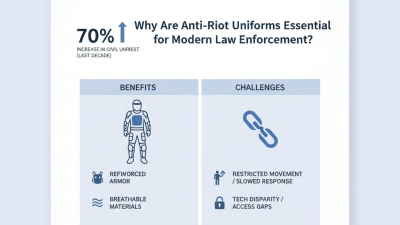
The chart presents a practical 100-point evaluation framework. Prioritize adjustable fit and mobility first, then assess comfort, protective coverage, visibility, heat management, and ease of donning. These priorities should be validated through movement tests while wearing the complete suit.
Compare Suppliers, Costs, Warranty, and Product Support
When buying a police anti riot suit, compare suppliers beyond product photos and advertised prices. Request material specifications, sizing charts, test reports, and production lead times. A reliable supplier should explain how the suit was tested and which recognized safety standards apply. Ask for a sample set before placing a large order. Fit matters. Poor mobility can reduce protection during routine movement.
Compare the full cost, not only the unit price. Include shipping, import duties, replacement parts, storage, and staff fitting sessions. I once overvalued a low quote and overlooked costly size exchanges. That mistake was avoidable. Ask whether prices change with quantity, customization, or urgent delivery. Get every charge in writing. Details matter.
Review the warranty line by line. Check its length, covered defects, repair process, exclusions, and return shipping responsibility. A strong warranty has clear response times and practical replacement terms. Product support is equally important. Confirm access to sizing advice, care instructions, training materials, and spare components. Ask who handles complaints after payment. Ask for evidence. Supplier references from authorized public-safety organizations can reveal response quality under pressure. Some suppliers offer impressive documents but slow communication. That difference is easy to miss. Keep records of evaluations, approvals, and service promises, while checking local procurement and safety requirements before purchase.