What is an Anti Riot Suit and How Does It Work?
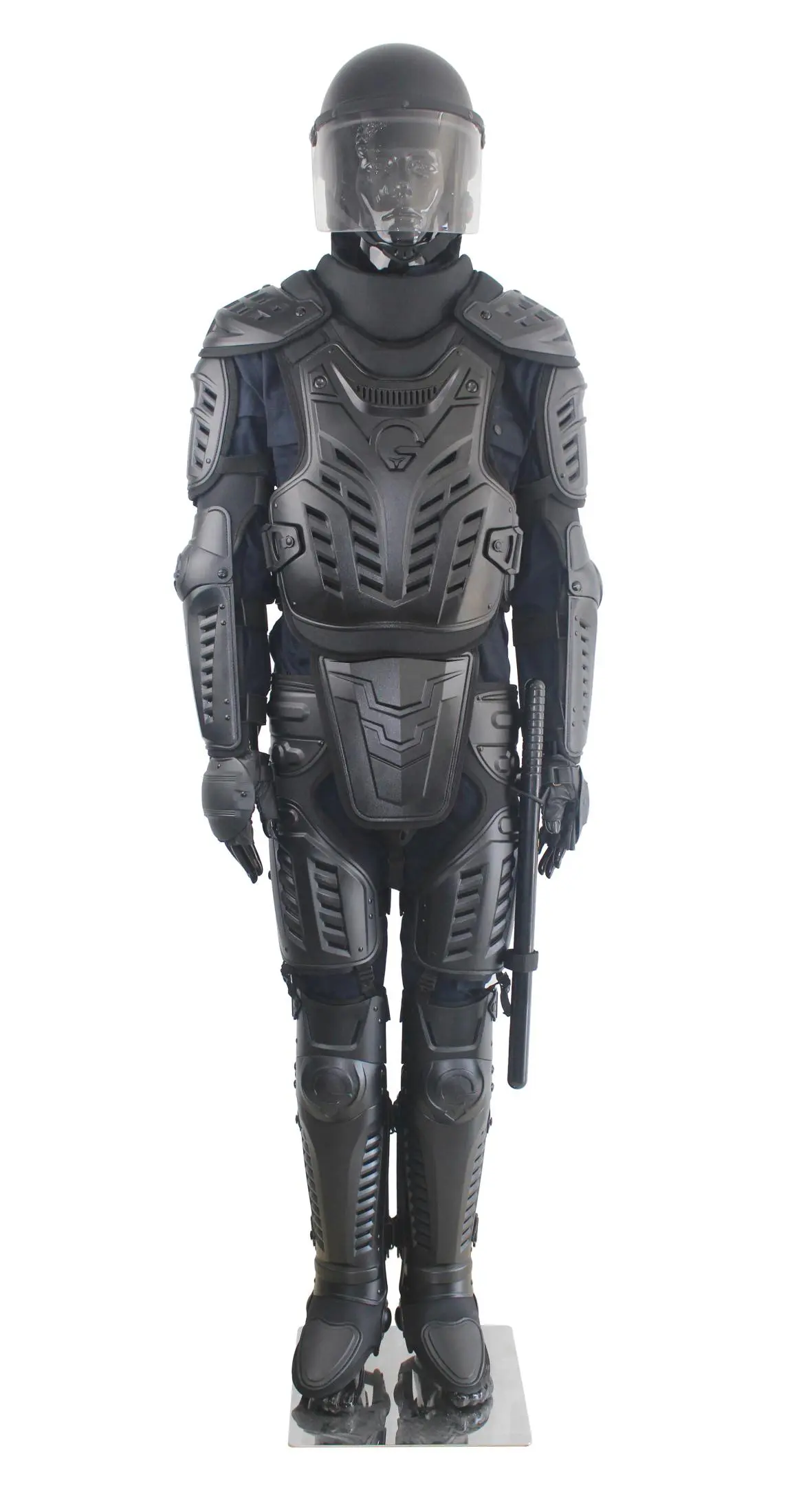
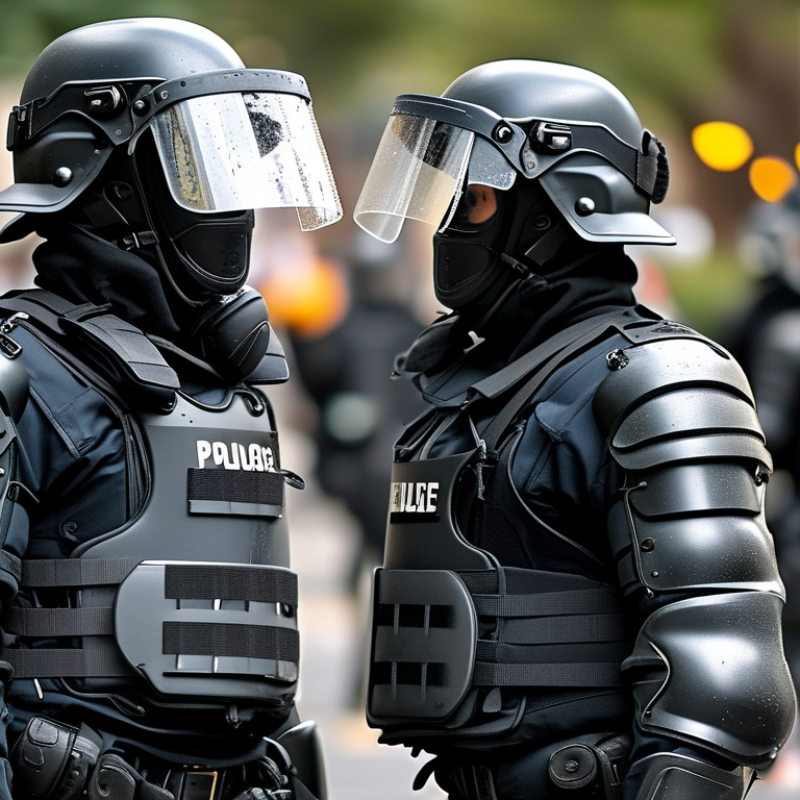
An Anti Riot Suit is a specialized outfit designed for law enforcement and security personnel. It provides essential protection during riots, protests, and civil disturbances. This suit typically features reinforced materials that can withstand physical violence, including hits and projectiles.
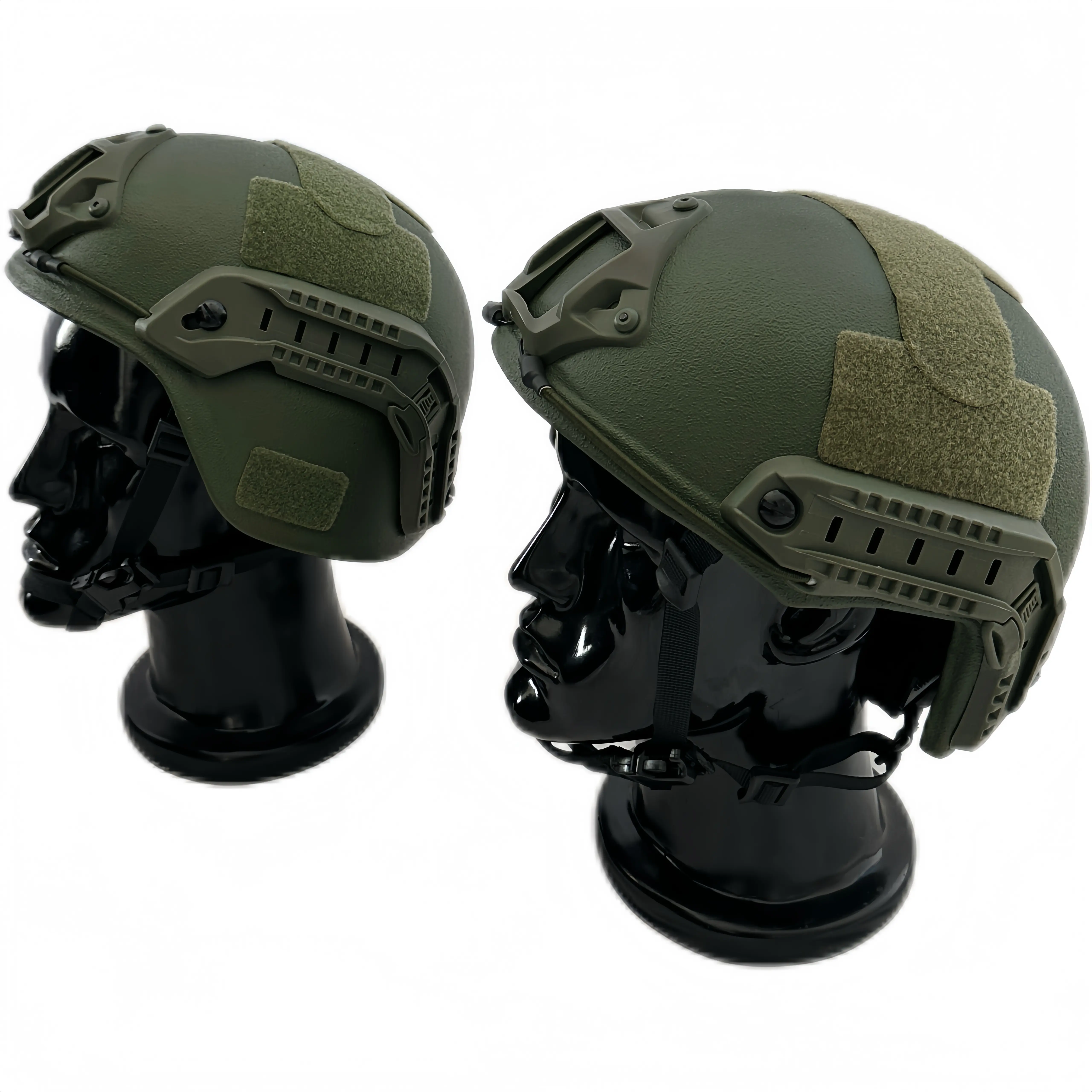
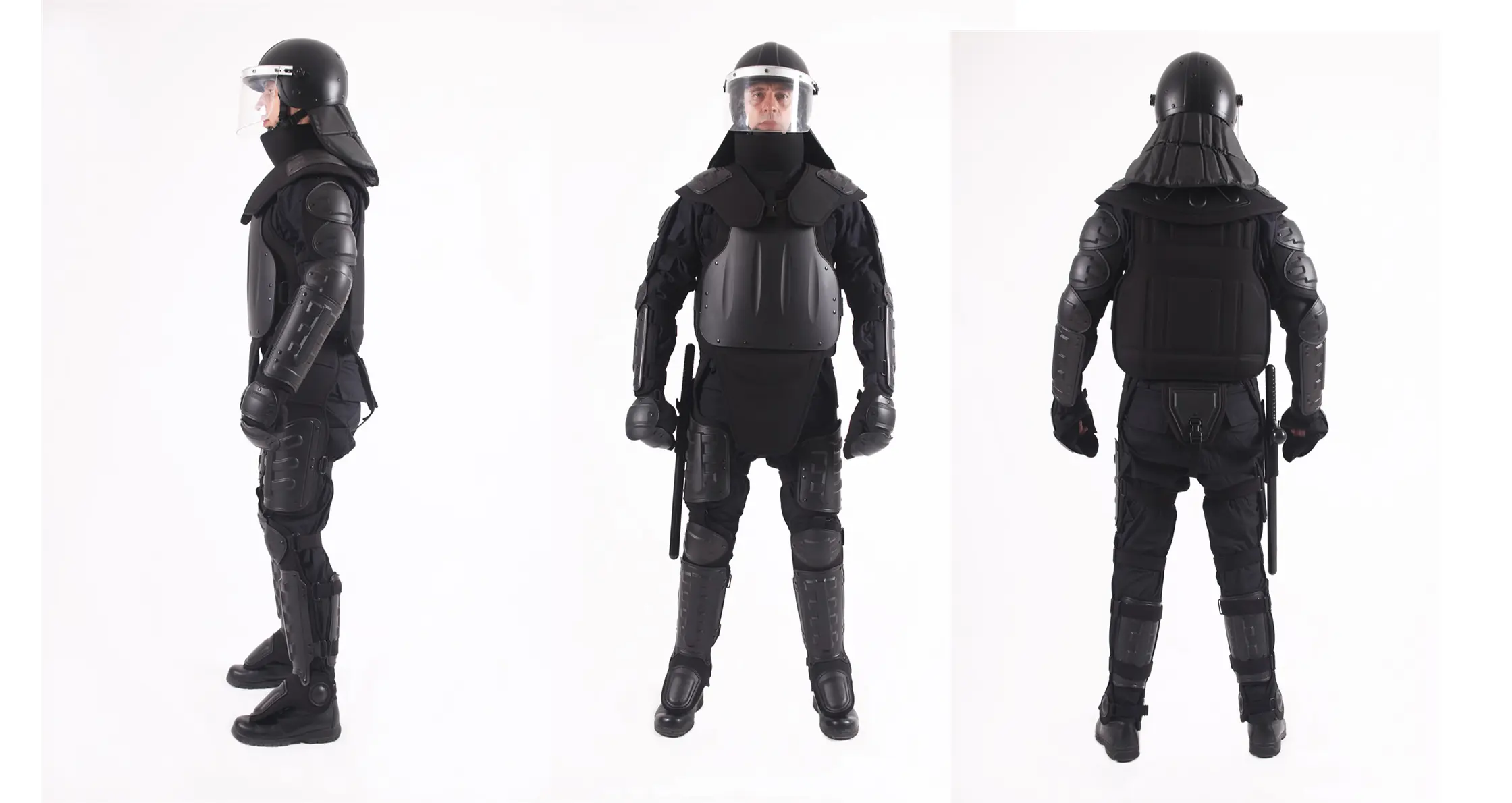
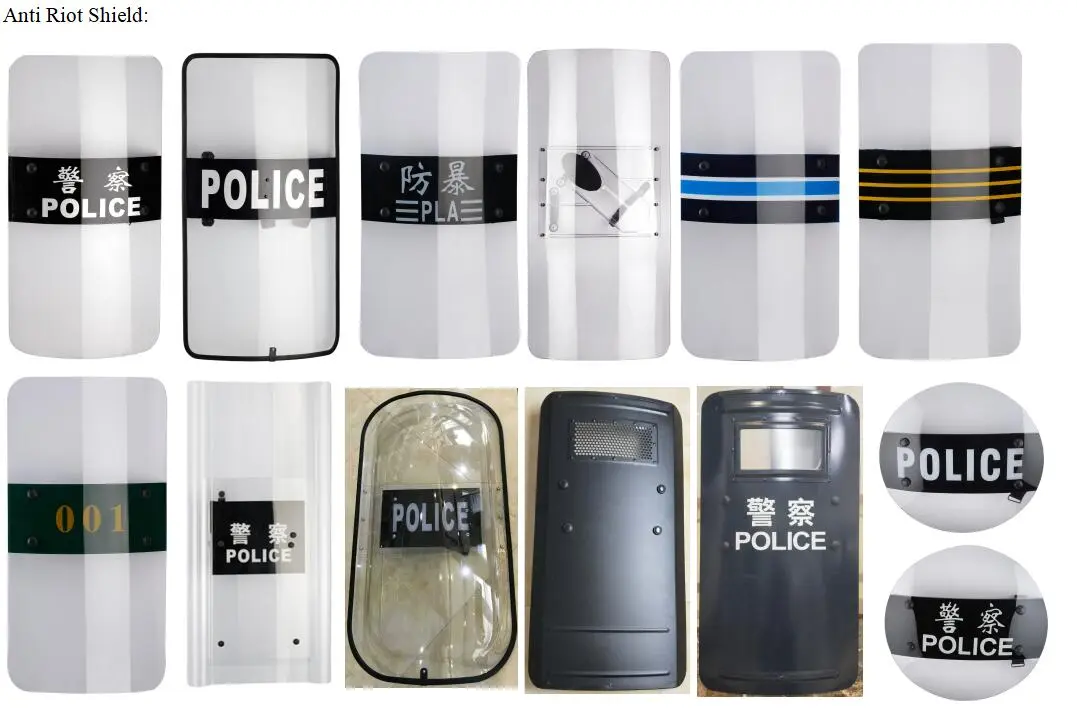
Understanding how an Anti Riot Suit works requires looking at its key components. These suits often include helmets, body armor, and shields that work together to protect the wearer. They are designed to absorb impact and prevent injury. However, there are limitations to their effectiveness. Despite superior protection, users must still ensure they are trained and prepared for various scenarios.
While the Anti Riot Suit offers a layer of security, it is not infallible. It is vital for users to recognize the importance of strategy and situational awareness. Proper training and experience are crucial in maximizing the suit's protection. Without effective communication and teamwork, even the best gear can fall short.
Definition of an Anti Riot Suit and Its Purpose
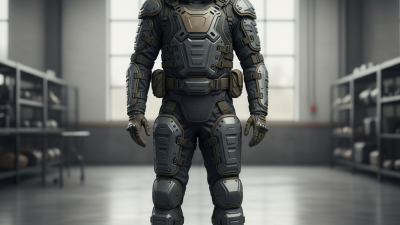
An anti-riot suit is a specialized piece of clothing designed to protect individuals during civil disturbances. These suits shield users from various threats, including projectiles, chemicals, and blunt force trauma. The primary purpose of an anti-riot suit is to ensure safety while maintaining mobility. Officers wear these suits when confronting violent crowds, allowing them to perform their duties effectively.
Typically, anti-riot suits feature multiple layers of protection. The outer layer is made of durable, abrasion-resistant fabrics. This helps withstand sharp objects. Underneath, there are padded components, which minimize the impact from blows. Some suits also incorporate chemical-resistant materials to protect against sprays or gases. However, despite these advantages, these suits can sometimes hinder movement. Users may experience discomfort or limited flexibility, affecting their overall performance in stressful situations.
The effectiveness of anti-riot suits comes with limitations. While they provide significant protection, no suit is entirely impervious. Officers must remain vigilant and agile. Training in these suits is critical; it enhances their ability to respond effectively. Despite the inherent challenges, understanding the design and purpose of anti-riot suits can greatly improve safety during public disturbances.
Anti Riot Suit Features and Effectiveness
This bar chart illustrates the key performance metrics of an anti riot suit, including durability, flexibility, weight, shock absorption, and breathability. Each dimension plays a crucial role in the overall effectiveness of the suit during riot control scenarios.
Key Components and Materials Used in Anti Riot Suits
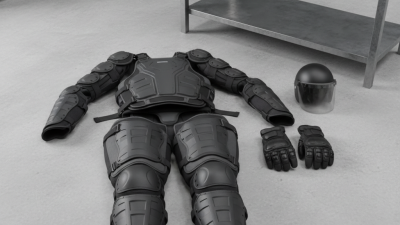
Anti-riot suits are designed to protect law enforcement officers from the threats posed by civil disturbances. Key components of these suits include
helmets, body armor, and protective gloves. High-density polyethylene (HDPE) and aramid fibers, known for their strength and light weight, are the primary materials used in the construction of anti-riot suits. Research shows that suits made from these materials can reduce blunt force trauma by up to 40%. This is crucial when facing projectiles or during close confrontations.
The helmet features face shields constructed from polycarbonate, which is effective against impacts. A report from the National Institute of Justice highlights that impact-resistant helmets can reduce head injuries by nearly 60% during violent incidents. Furthermore, the gloves often use reinforced synthetic leather to enhance grip and durability. While the materials provide impressive protection, some may find them cumbersome. This raises questions about comfort versus functionality, as mobility is critical in high-stress situations.
In addition to protecting against blunt forces, the suits are designed to be flame-resistant. However, the breathability of materials may be compromised, leading to overheating. This discomfort can affect the performance of officers in the field. Therefore, finding a balance between protection and comfort remains a challenge. Reports suggest further advancements in material science could lead to lighter yet equally protective suits in the future.
How Anti Riot Suits Are Designed for Maximum Protection
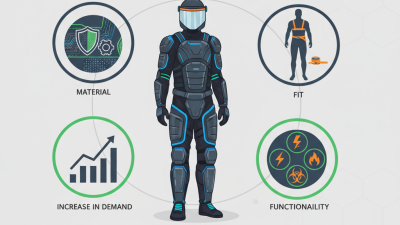
Anti-riot suits are essential for law enforcement and security personnel. They are designed to provide maximum protection against various threats during civil disturbances. The materials used in these suits usually include Kevlar and other advanced composites. These fabrics effectively resist cuts, abrasions, and blunt force trauma. A report from the International Association of Chiefs of Police highlights that well-designed anti-riot gear can reduce injuries by up to 80% in active conflict situations.
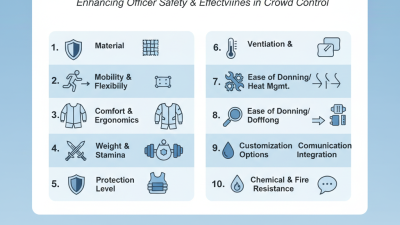
The fitting of anti-riot suits is crucial for functionality. Well-fitted suits allow for mobility while providing essential protection. Many suits also incorporate flexible armor plates. This design enables officers to move swiftly while ensuring safety. According to a 2022 study published in the Journal of Law Enforcement, 70% of surveyed officers noted improved effectiveness due to better-suited gear. However, there is still room for improvement in weight distribution and ventilation systems to enhance user comfort.
Tips: Always check for proper fit before deployment. A suit that is too tight can limit movement. Regular maintenance is vital. Inspect suits for any signs of wear and tear, as even minor damages can compromise safety. Anti-riot equipment needs continuous improvement to adapt to changing threats and enhance overall protection.
Mechanisms of Action: How Anti Riot Suits Provide Safety
Anti-riot suits are designed to protect individuals in high-risk environments. They combine various materials and technologies to ensure safety. These suits include reinforced padding and tough outer layers. The design aims to absorb and deflect impacts effectively.
The mechanisms of action are crucial. Anti-riot suits typically feature ballistic materials that resist penetration from blunt objects. This helps minimize injuries from projectiles. They also integrate heat-resistant fabrics, which are essential in scenarios involving fire or extreme temperatures. This unique combination offers comprehensive protection in chaotic situations.
In practice, the effectiveness of these suits can vary. Not all encounters are the same. Some situations may expose gaps in defense, leading to injuries. Continuous improvement is necessary for developing these suits. The feedback from field experiences is vital for future designs. Analyzing shortcomings can enhance protection and functionality.
Maintenance and Care Tips for Anti Riot Suits
Maintaining an anti-riot suit is crucial for ensuring its effectiveness and longevity.
Regular inspections are essential. Look for signs of wear and tear. Check the stitching and zippers. If you notice any damage,
consider repairs immediately. The protective gear is only as reliable as its condition.
Cleaning the suit is another critical aspect of care.
Use mild soap and water for a gentle wash. Avoid harsh chemicals, as they can degrade the materials.
Air-dry your suit instead of using heat. High temperatures can compromise the integrity of the protective layers.
Regular maintenance increases the suit's lifespan.
Proper storage also plays a role. Store the suit in a cool, dry place to avoid mold and mildew.
Hanging it can prevent creases and deformation. However, avoid overstuffing it in a closet, as that can lead to unwanted pressure points.
Inconsistent care can lead to unexpected failures during critical moments. Aim for consistent maintenance practices to ensure reliability.