Why Are Anti-Riot Uniforms Essential for Modern Law Enforcement?
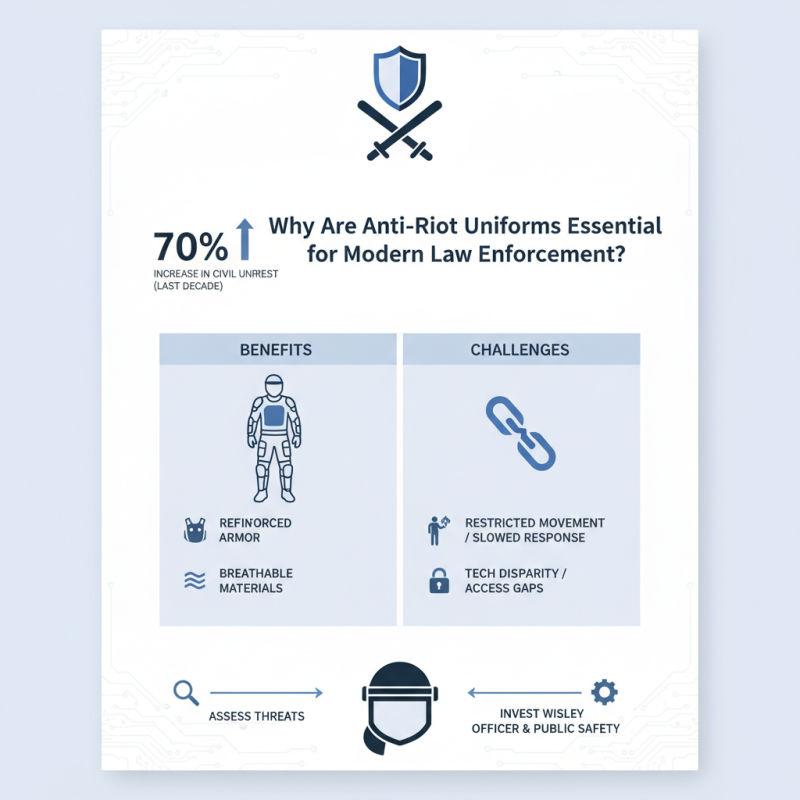
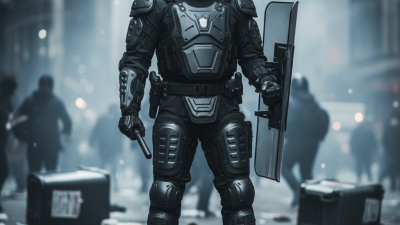
In today's volatile environment, the importance of the Anti-Riot Uniform cannot be overstated. Recent studies show that civil unrest has increased by over 70% in the last decade. This alarming trend has created a pressing need for law enforcement to be prepared. Anti-Riot Uniforms are designed specifically to protect officers during confrontations. They offer vital features like reinforced armor and breathable materials.
While effective, these uniforms are not without their flaws. Some designs can restrict movement, which impacts an officer's response time. Additionally, not all departments have access to the latest technology in riot gear. This inconsistency can lead to gaps in safety and effectiveness. Departments must assess the evolving threat landscape and invest in Anti-Riot Uniforms wisely. Officers deserve reliable protection to ensure public safety.
The Role of Anti-Riot Uniforms in Law Enforcement Operations
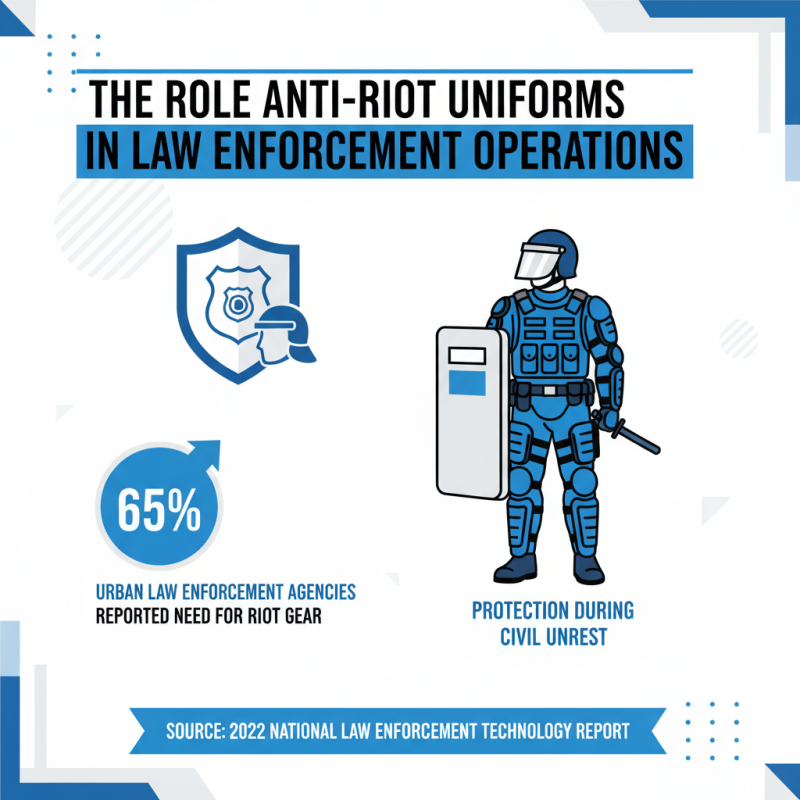
Anti-riot uniforms play a crucial role in modern law enforcement operations. These specialized uniforms offer protection to officers during civil unrest. According to a 2022 National Law Enforcement Technology Report, approximately 65% of law enforcement agencies in urban areas reported needing such gear due to increased riots and protests.
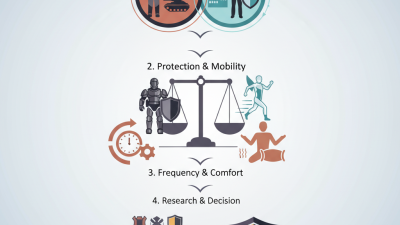
The design of these uniforms is not just about durability. They often include features like reinforced padding and breathable materials to ensure officer comfort. This is vital during long shifts in chaotic situations. However, some officers have reported that the bulkiness can hinder movement. Striking a balance between protection and mobility remains a challenge.
**Tip:** When selecting anti-riot gear, consider how it will impact your team’s agility.
The use of these uniforms also raises questions about escalation. Officers wearing heavy protective gear may unintentionally increase tensions. It is important to reflect on their presence and work to de-escalate situations. A recent study highlighted that the perception of officers in full riot gear could heighten anxiety among protesters.
**Tip:** Think about communication strategies. Engage peacefully and show a commitment to dialogue.
Key Features and Design Principles of Anti-Riot Uniforms
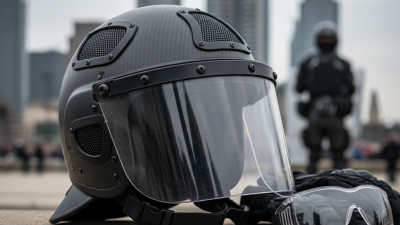
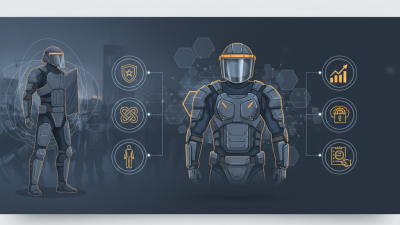
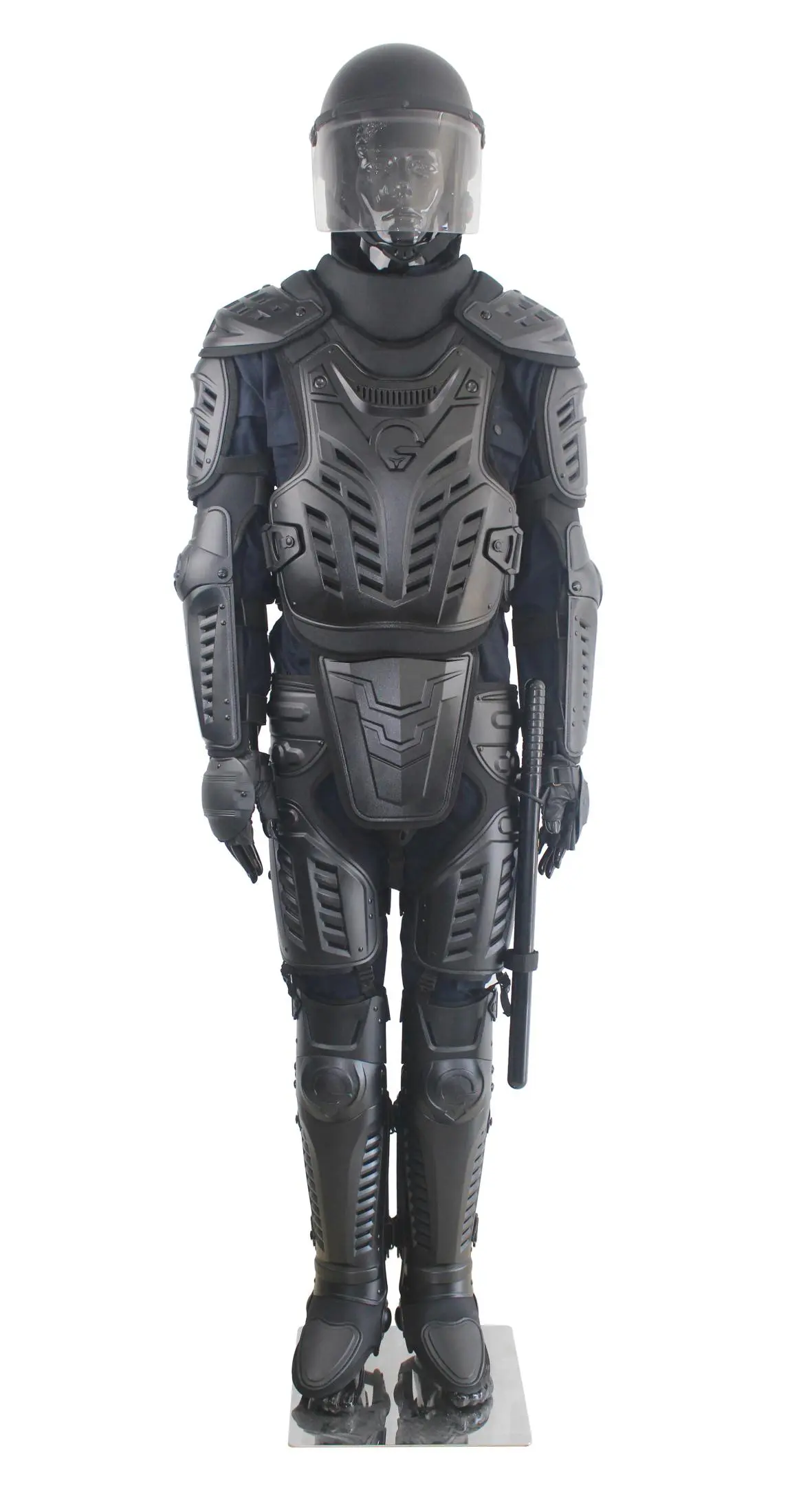
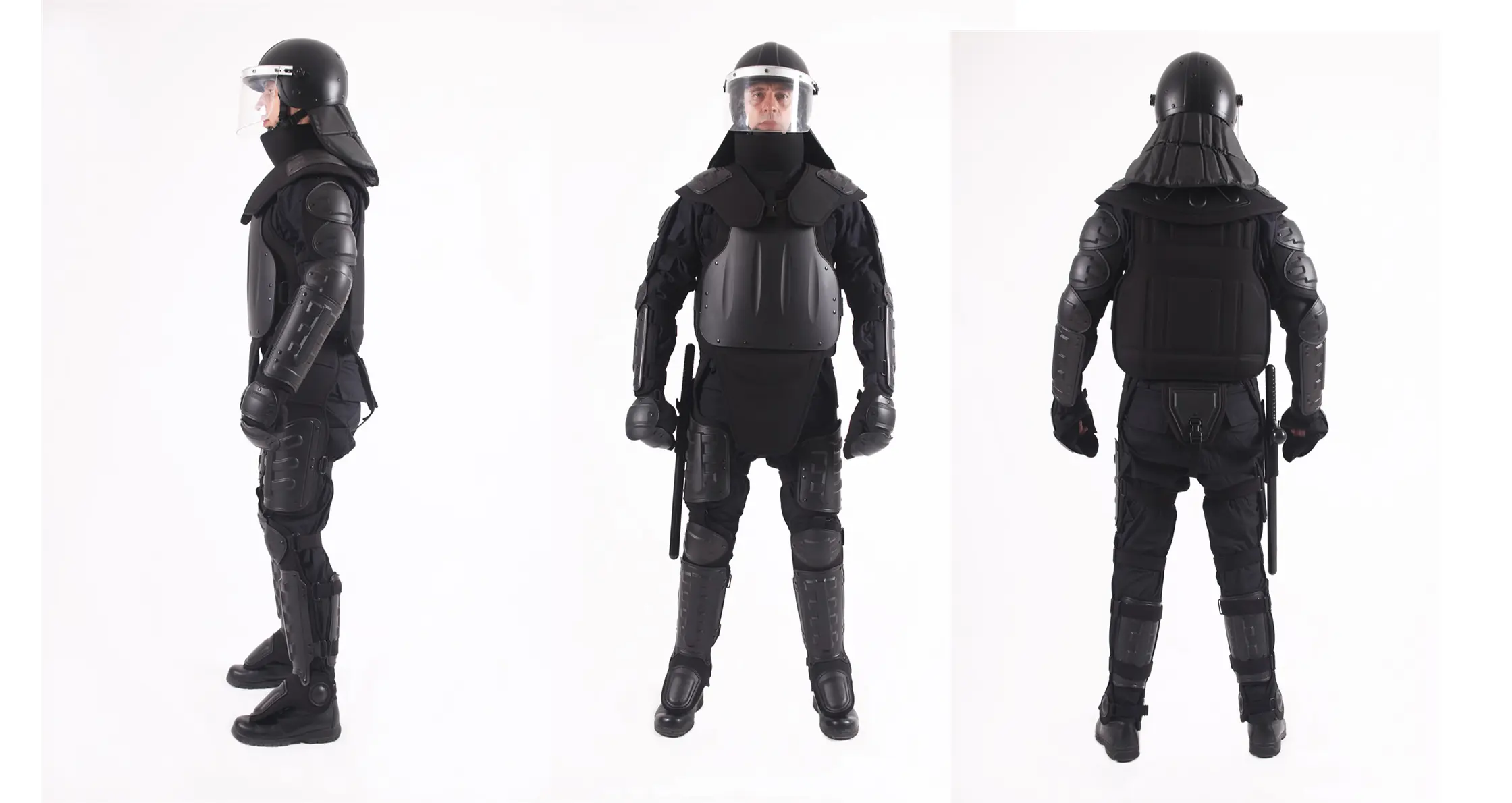
Anti-riot uniforms play a crucial role in modern law enforcement. These uniforms are designed with specific features to withstand violent confrontations. The fabric must be durable and resistant to abrasions. Protection against projectiles and blunt objects is essential. High-visibility colors help identify officers in chaotic environments.
The design principles focus on mobility and comfort. Officers need to move quickly while wearing these uniforms. A heavy outfit can restrict movement, making it harder to respond effectively. Breathable materials are also necessary to prevent overheating during long periods of use. Many uniforms come with built-in padding, offering extra defense without sacrificing flexibility.
Tip: When selecting anti-riot gear, prioritize features that meet specific operational needs. Don't forget about fit; an ill-fitting uniform can hinder performance. It's essential for law enforcement to evaluate gear regularly and make adjustments as necessary. Upgrades can be vital as situations change. Reflecting on past engagements can also offer insights for better designs. Improving the safety of officers ensures they can protect the public effectively.
Benefits of Using Anti-Riot Uniforms in Crowd Control Situations
Anti-riot uniforms play a crucial role in modern law enforcement. These specialized outfits are designed for crowd control situations. With civil unrest on the rise, police forces need effective tools. According to a 2022 report from the International Association of Chiefs of Police, about 35% of officers experienced injuries during crowd management events. Proper uniforms can significantly reduce these risks.
These uniforms provide essential protection. They are made from durable materials that resist cuts and abrasions. Additionally, they often include padding to absorb impact. A study by the National Institute of Justice noted that protective gear decreased injury rates by 40% in high-tension scenarios. However, the fitting and comfort can sometimes be overlooked. Officers need to be agile while maintaining safety.
The psychological impact of wearing anti-riot uniforms is notable too. While they can project authority, they may also escalate tensions. Community perceptions vary widely. Some view these uniforms as a necessary deterrent, while others see them as an intimidating presence. Striking a balance is crucial for effective law enforcement.
Why Are Anti-Riot Uniforms Essential for Modern Law Enforcement? - Benefits of Using Anti-Riot Uniforms in Crowd Control Situations
| Feature |
Description |
Benefit to Law Enforcement |
| Durable Materials |
Made from high-strength fabrics resistant to tears and abrasions. |
Increases longevity and effectiveness during intense crowd control situations. |
| Protection Features |
Includes padding and hard protection in critical areas. |
Safeguards officers from projectiles and potential injuries in riots. |
| High Visibility |
Bright colors and reflective elements for easy identification. |
Facilitates quick recognition of law enforcement presence by the public and disperses crowds. |
| Mobility |
Designed to allow a full range of motion. |
Enables officers to move effectively while maintaining control over situations. |
| Thermal Regulation |
Breathable and moisture-wicking materials to regulate body temperature. |
Enhances comfort during extended deployment in varying weather conditions. |
Training and Preparation for Officers in Anti-Riot Gear
Training for officers in anti-riot gear is crucial. It involves more than just physical readiness. Officers must understand equipment usage and crowd dynamics. Regular drills are vital. Simulated scenarios help build confidence and reaction times. Practical experience is essential in high-pressure situations.
Learning how to communicate effectively is equally important. Officers must de-escalate tensions. They need strategies to connect with diverse communities. Sometimes, these interactions don't go as planned. Misunderstandings can escalate quickly. Officers must reflect on these moments to improve future responses.
Physical conditioning is just one part of the training. Mental resilience plays a key role in handling riots. Officers may feel overwhelmed during large-scale disturbances. Support systems are necessary to manage stress levels. It's important to address mental health proactively. These factors combine to create a more prepared and adaptable law enforcement presence.
Importance of Anti-Riot Uniforms in Law Enforcement
Comparative Analysis of Anti-Riot Uniforms Across Different Law Enforcement Agencies
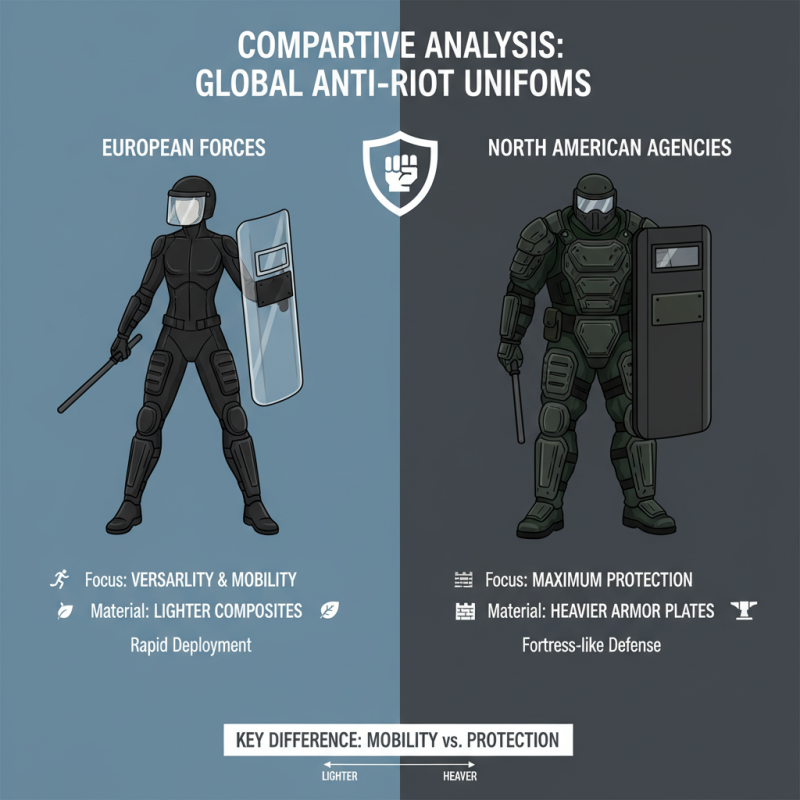
Anti-riot uniforms play a crucial role in law enforcement. Different agencies have their unique approaches to this essential gear. Some focus on versatility, while others prioritize advanced protective features. For instance, European forces often use lighter materials for mobility. In contrast, many North American agencies adopt heavier armor for maximum protection.
Color schemes also vary significantly. Urban units might favor darker colors for concealment; rural forces may choose brighter options for visibility. This highlights the diverse needs based on environment. Features like reinforced padding and moisture-wicking fabrics are vital. However, some designs overlook the importance of comfort during extended use. Officers might struggle with restrictions in movement from bulky gear.
Ultimately, the effectiveness of anti-riot uniforms hinges on their fit for purpose. Agencies must not only provide protection but also ensure their officers can act swiftly. Continuous evolution is necessary as techniques and threats change. Reflecting on this can lead to better designs in the future. Law enforcement must adapt to these challenges with each new situation.