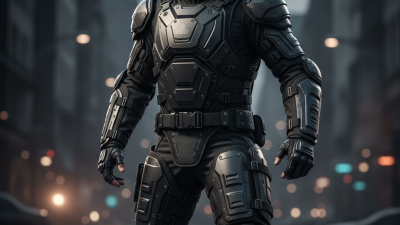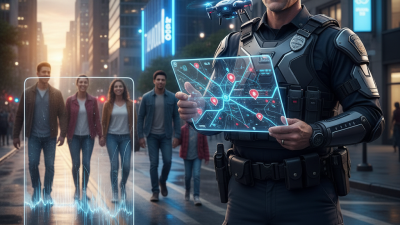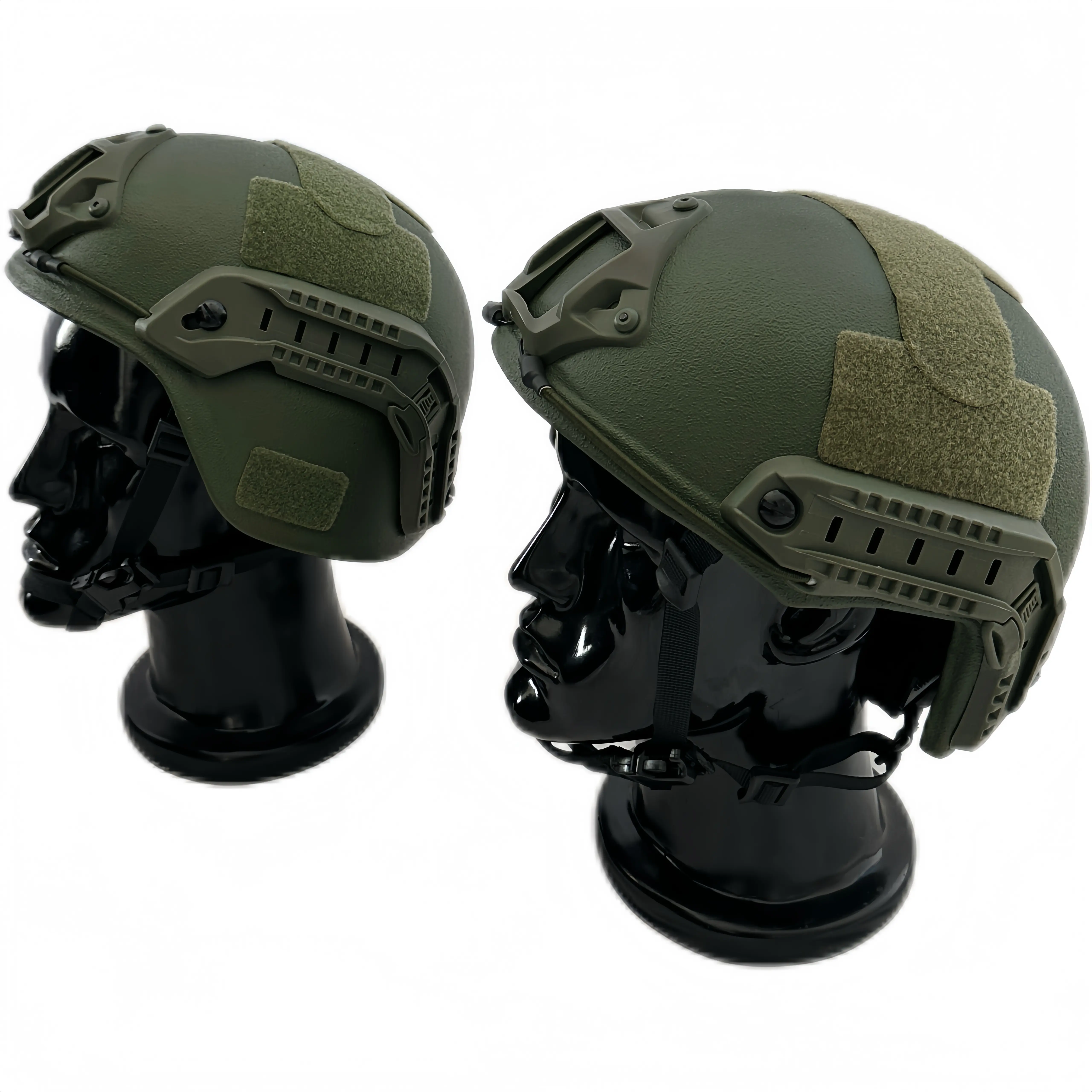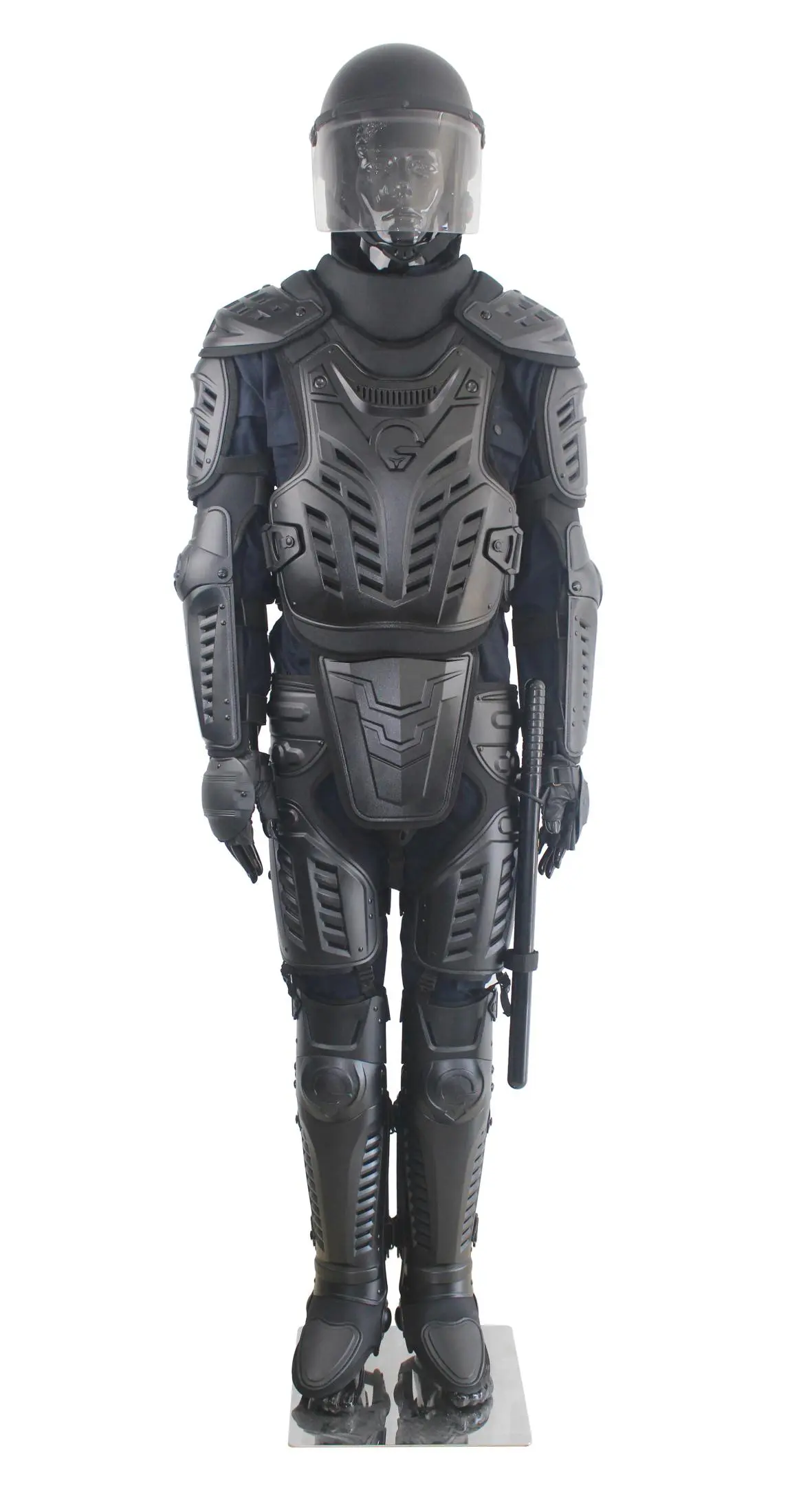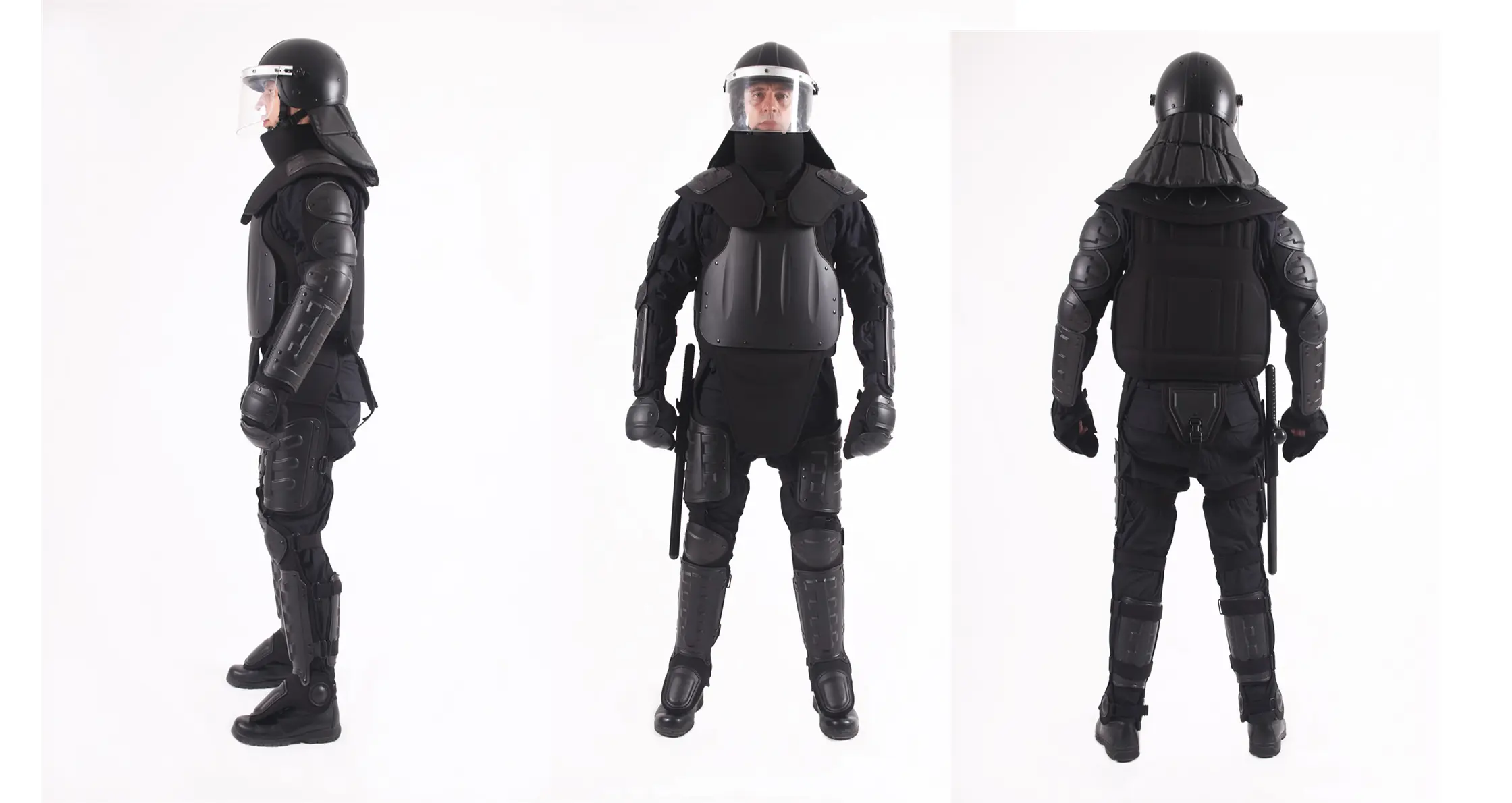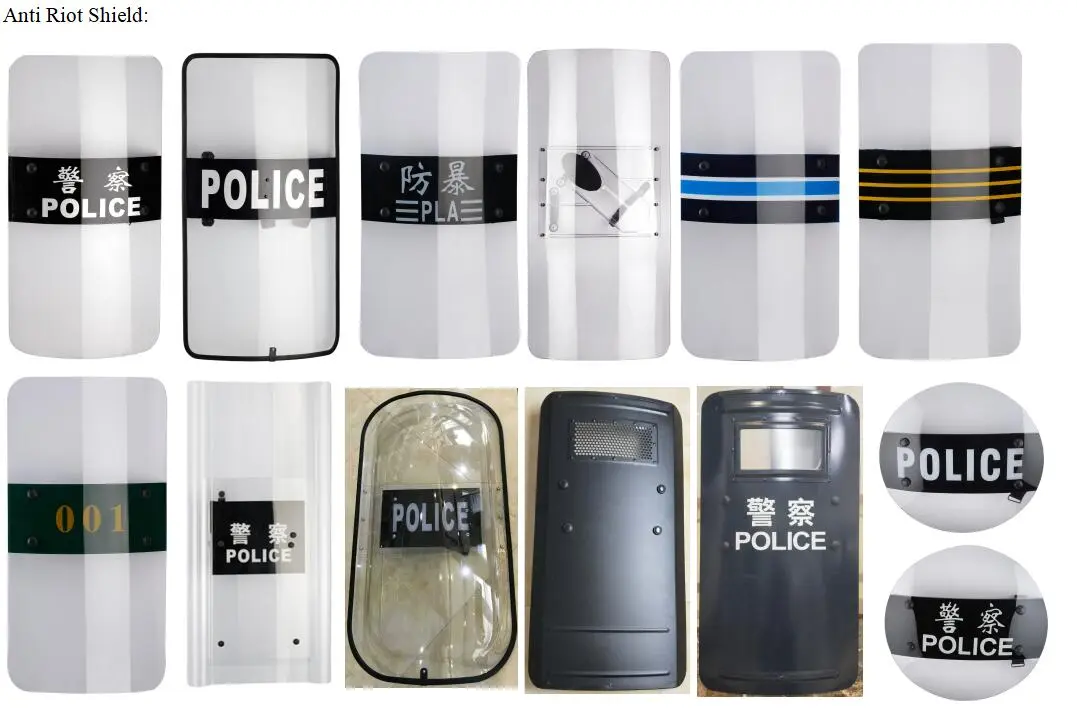
In today’s increasingly volatile environment, the role of law enforcement is more crucial than ever. Officers face challenging situations where the risk of riots and civil unrest is ever-present. This is where the Police Anti Riot Suit comes into play. According to the U.S. Bureau of Justice Statistics, over 20% of police departments reported encounters with riots or protests in recent years. Ensuring officer safety is paramount.
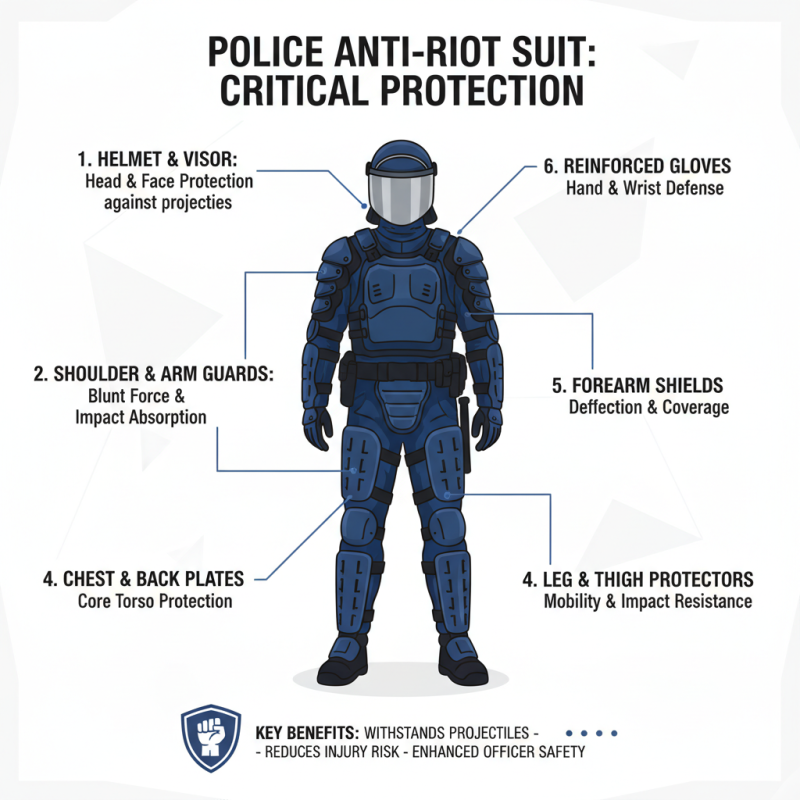
The Police Anti Riot Suit offers vital advantages. It is designed to withstand physical attacks while providing comfort and mobility. These suits can absorb impact and protect against projectiles, reducing injury rates significantly. Recent studies show that properly equipped officers experience 30% fewer injuries during riots than those without protective gear. However, the costs and logistics of maintaining such equipment can be a challenge for budget-constrained departments.
Moreover, while the effectiveness of the Police Anti Riot Suit is clear, its integration into regular policing raises questions. Are departments adequately trained to handle situations with this gear? Is the public perception of police use of force influenced by such protective equipment? These reflections are critical for improving public trust and officer safety alike.
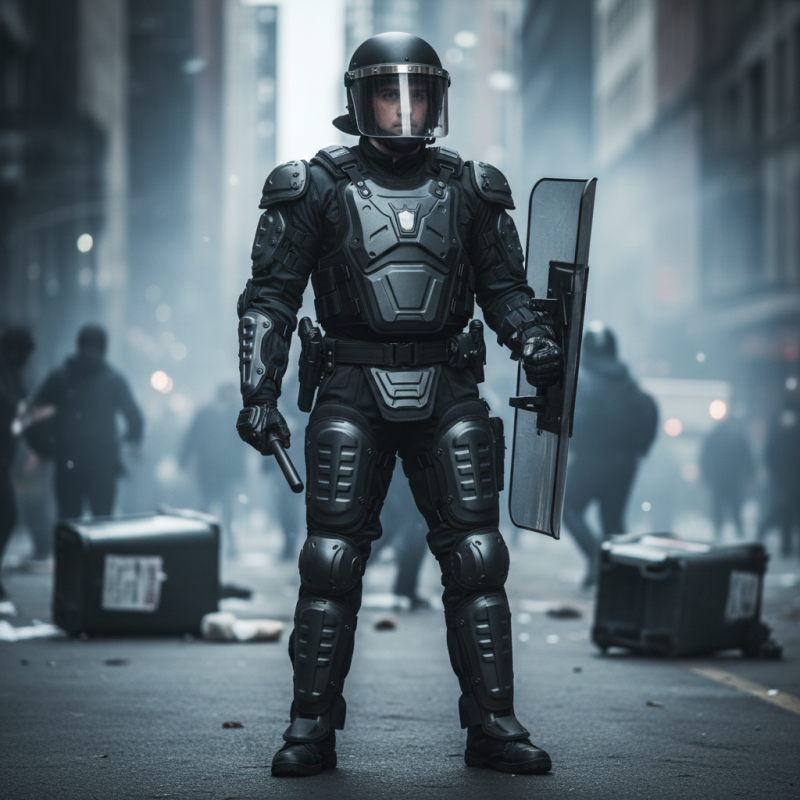
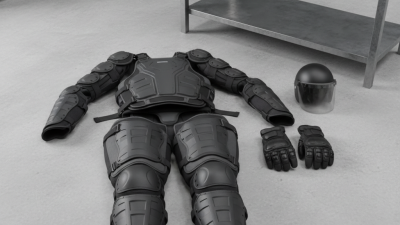
Police anti-riot suits provide critical protection for law enforcement officers. These suits are designed to withstand projectiles and blunt force, which are common in riot situations. The padding and hard materials absorb impacts, reducing injury risk. Officers can focus on their duties rather than worry about personal safety.
Moreover, the suits enhance visibility in chaotic environments. Bright colors and reflective materials help distinguish officers from the crowd. This aids in maintaining order and ensuring that they can perform their roles effectively. However, these suits can be heavy. Officers may experience fatigue during extended wear, which can impede their performance. Balancing protection with mobility is crucial.
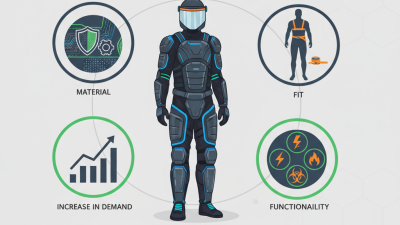
There are also challenges regarding comfort and adjustability. Ill-fitting suits may restrict movement, making it harder to respond swiftly to threats. Regular assessments can help improve design and functionality. Overall, while the suits offer essential benefits, there is always room for improvement in design and usability for optimal effectiveness.
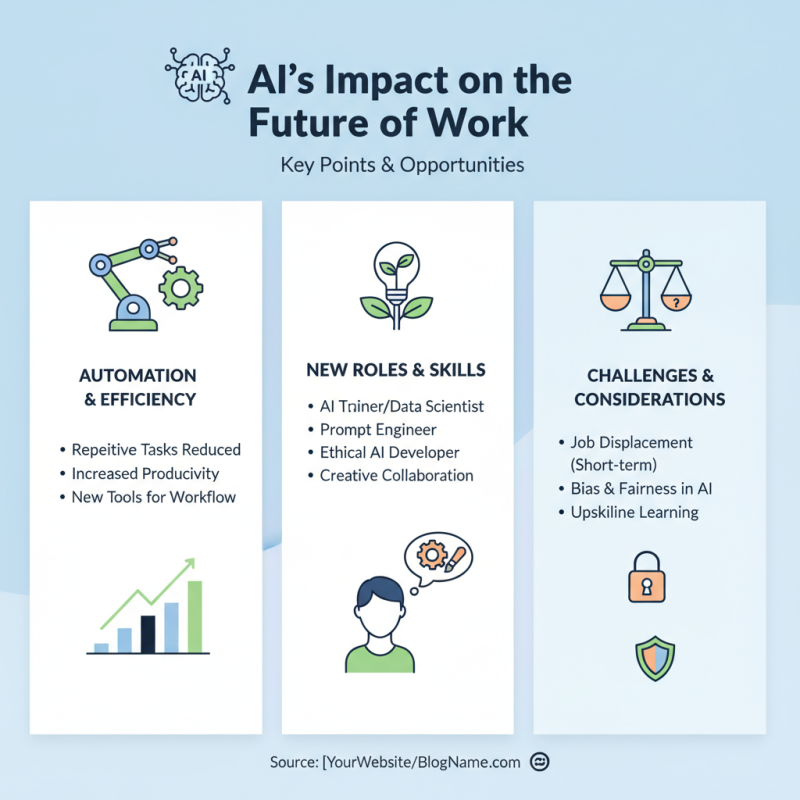
Law enforcement officers often face unpredictable situations. The use of specialized anti-riot suits can enhance their mobility significantly. These suits are designed to be lightweight and flexible, allowing for quick movements. Officers can navigate through crowds more efficiently, respond to incidents faster, and maintain better control. Increased mobility leads to improved situational awareness. Officers can adapt and maneuver as the scenario unfolds.
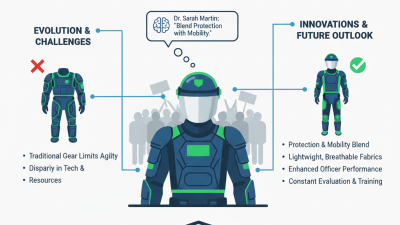
Moreover, enhanced mobility does not sacrifice protection. The suit's design permits both agility and safety. Officers can engage effectively while minimizing the risk of injury. However, some may find the suit still limits certain movements. This reflects the balance between safety and operational effectiveness. Adjusting to these limitations takes practice, and officers must remain aware of their body movements. Ultimately, the incorporation of anti-riot suits in law enforcement can elevate the effectiveness of crowd control operations while addressing the complexities of mobility.
| Benefit | Description | Impact on Mobility |
|---|---|---|
| Enhanced Protection | Offers comprehensive coverage against various projectiles and threats. | Allows officers to move confidently in dangerous situations. |
| Increased Visibility | Brightly colored suits can improve recognition in crowds. | Facilitates better coordination and teamwork among officers. |
| Ventilation | Designed with air circulatory features to reduce overheating. | Improves stamina and reduces fatigue during extended operations. |
| Customization | Can be tailored to meet the specific needs of different law enforcement units. | Enhances efficiency of movements and response times. |
| Lightweight Design | Constructed with lightweight materials to ensure ease of movement. | Makes it easier for officers to run and maneuver. |
| Durability | Built to withstand harsh conditions and repeated use. | Ensures officers remain protected longer during protests or riots. |
| User-Friendly Adjustment | Easy to put on and take off, allowing for quick changes when needed. | Saves time and enhances operational readiness. |
| Compatibility with Gear | Designed to integrate seamlessly with other tactical equipment. | Improves overall effectiveness during enforcement operations. |
| Psychological Advantage | Provides a sense of security that can deter potential violence. | Increases confidence in high-stress scenarios. |
| Cost-Effectiveness | Long-lasting materials reduce the need for frequent replacements. | Allows reinvestment in other critical resources and training. |
In high-stress situations, psychological confidence plays a crucial role for law enforcement personnel. Officers often face chaotic environments during protests or riots. The ability to remain composed can be the difference between de-escalation and further conflict.
When equipped with anti-riot suits, officers often feel more secure. This security boosts their confidence, allowing them to act decisively.
The enhanced visibility and physical protection of these suits also provide a mental edge. Officers can focus on their mission rather than worry about their safety. However, there are still moments of doubt, especially when fear is palpable in the air. While equipment can aid in safety, it cannot eliminate anxiety. Training to build mental resilience is just as important.
Situational awareness cannot be overlooked. Officers might feel protected, but overconfidence can lead to complacency. Regular drills and scenario-based training can ensure readiness. Yet, even with preparation, no one can predict every outcome. It’s essential to balance protective strategies with mental preparedness. True confidence stems from experience and the continuous pursuit of improvement.
Police anti-riot suits play a crucial role in crowd control. These suits provide necessary protection against various threats. When facing aggressive crowds, officers need to feel safe. The suits are designed to absorb impacts and resist penetration. This allows law enforcement to handle situations more effectively.
Effective crowd control often relies on visible authority. When officers wear anti-riot suits, it sends a clear message. This also helps deter violence and maintains public order. However, there are challenges. The suits can be heavy and restrict movement. Officers must adapt to these limitations to respond quickly.
Training is essential to maximize the effectiveness of the gear. Officers should practice in their suits to improve mobility. With proper training, they can navigate complex scenarios. This level of preparedness can lead to better outcomes. Reflecting on experiences is vital for improvement. Each deployment provides lessons that enhance future operations.
Anti-riot suits offer significant cost-effectiveness and long-term value for law enforcement agencies. A detailed report by the National Institute of Justice (NIJ) highlights that investing in durable protective gear can reduce overall costs related to injury claims and medical expenses. The report suggests that agencies can save up to 30% annually on related costs by equipping officers with quality anti-riot suits.
These suits not only protect officers from physical harm but also enhance operational efficiency. Properly fitted suits can reduce the likelihood of injuries during civil unrest. Statistics show that agencies that invested in high-quality gear reported a 40% reduction in officer injuries during riots. This is crucial. When officers are safe, their focus shifts to managing the situation effectively.
However, agencies must consider budget constraints. Cheaper suits might seem appealing but can lead to higher costs in the long run. A study from the Police Executive Research Forum indicates that low-quality equipment often needs replacement within a year. This cyclical spending can drain resources. Long-term investment in reliable suits is essential. It's not just about safety; it's about sustainability in law enforcement operations.