7 Best Anti Riot Suit Manufacturers for Global Buyers

Choosing an Anti Riot Suit for international procurement requires more than comparing prices, colors, or catalog photographs. Buyers must examine impact protection, heat management, mobility, visibility, sizing, and replacement support. A suit that looks strong on a screen may feel heavy after thirty minutes in direct sunlight. Small details matter, including reinforced seams, adjustable closures, breathable liners, and clear inspection instructions.

Dr. Andrew D. Maynard, a recognized risk-science expert, has stated, “Good safety decisions begin with understanding the hazard, not selecting the equipment.” That principle guides this review of seven leading Anti Riot Suit manufacturers. Each company is considered through practical buyer concerns, including documented testing, material consistency, traceable quality control, warranty terms, and responsible use requirements. Certifications should be verified independently. Marketing language is not evidence.

The strongest manufacturers usually explain how their products perform under controlled testing. They also provide maintenance guidance, replacement components, and training documentation. However, no protective suit removes every risk. This is worth remembering. Fit, climate, user training, and local operating procedures can change real-world performance significantly. Some suppliers publish excellent specifications but offer limited after-sales service. Others provide responsive support while leaving testing details unclear.

This guide is designed for lawful, professional procurement by authorized organizations. It does not endorse unnecessary force or unsafe deployment. Global buyers should confirm import rules, workplace safety obligations, human-rights requirements, and independent product verification before purchasing. The best choice is rarely the most expensive model. It is the one that balances protection, comfort, accountability, and reliable long-term support.
7 Best Anti Riot Suit Manufacturers for Global Buyers

What Anti-Riot Suits Protect Against and How They Are Used

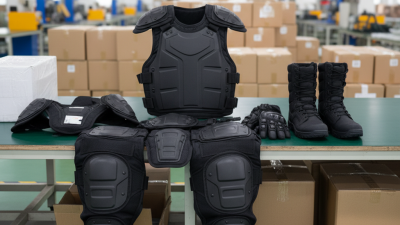
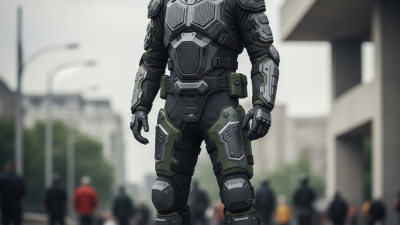
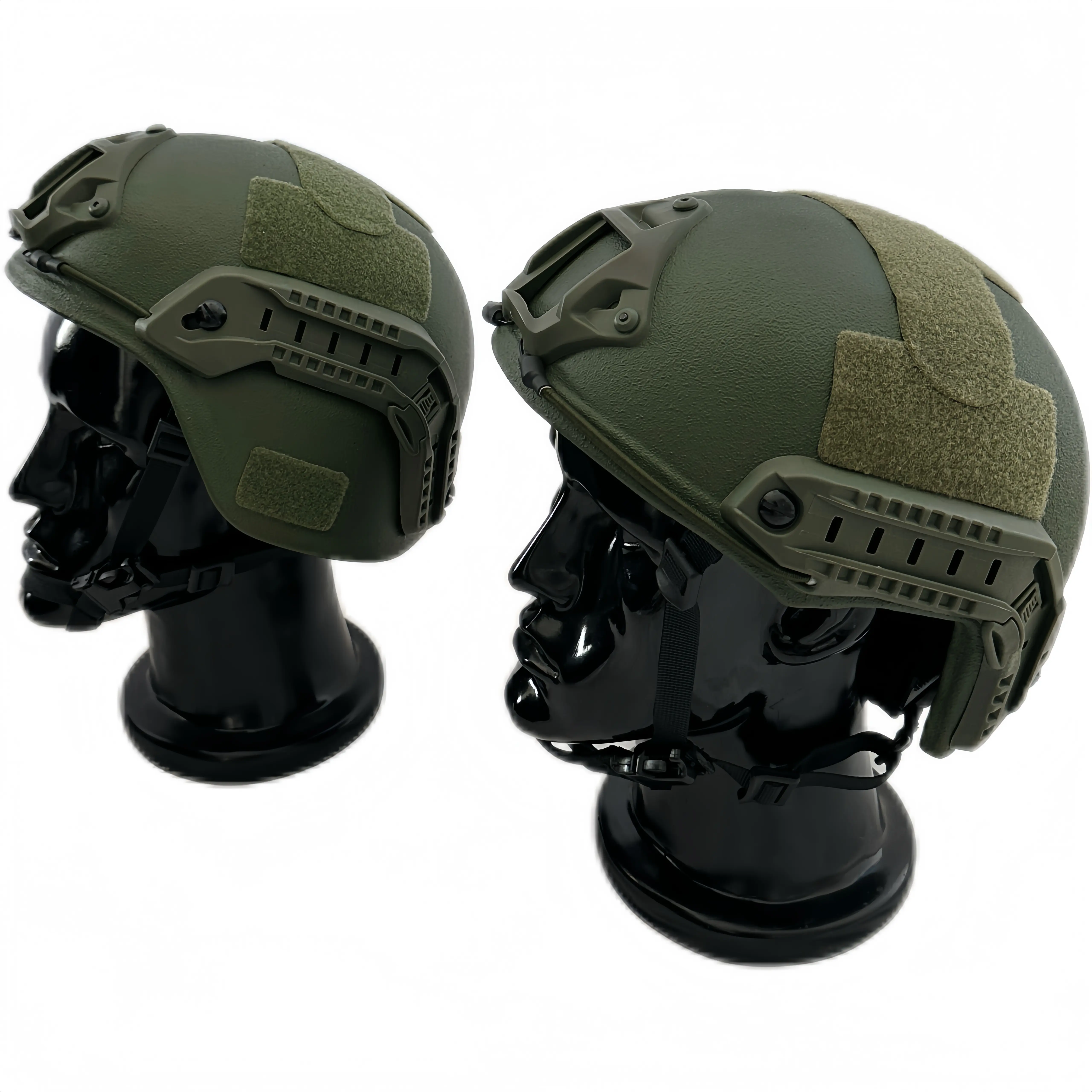
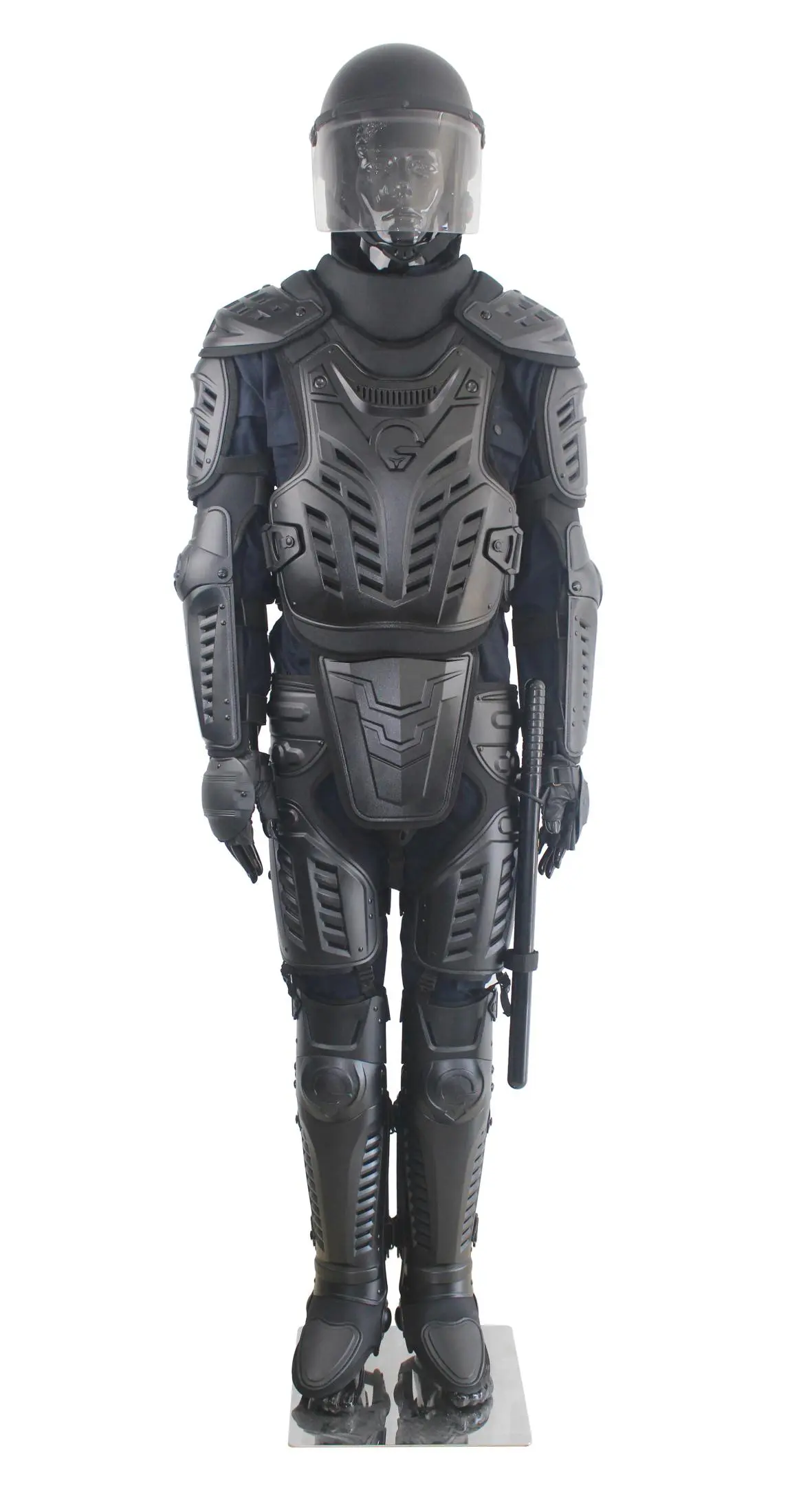
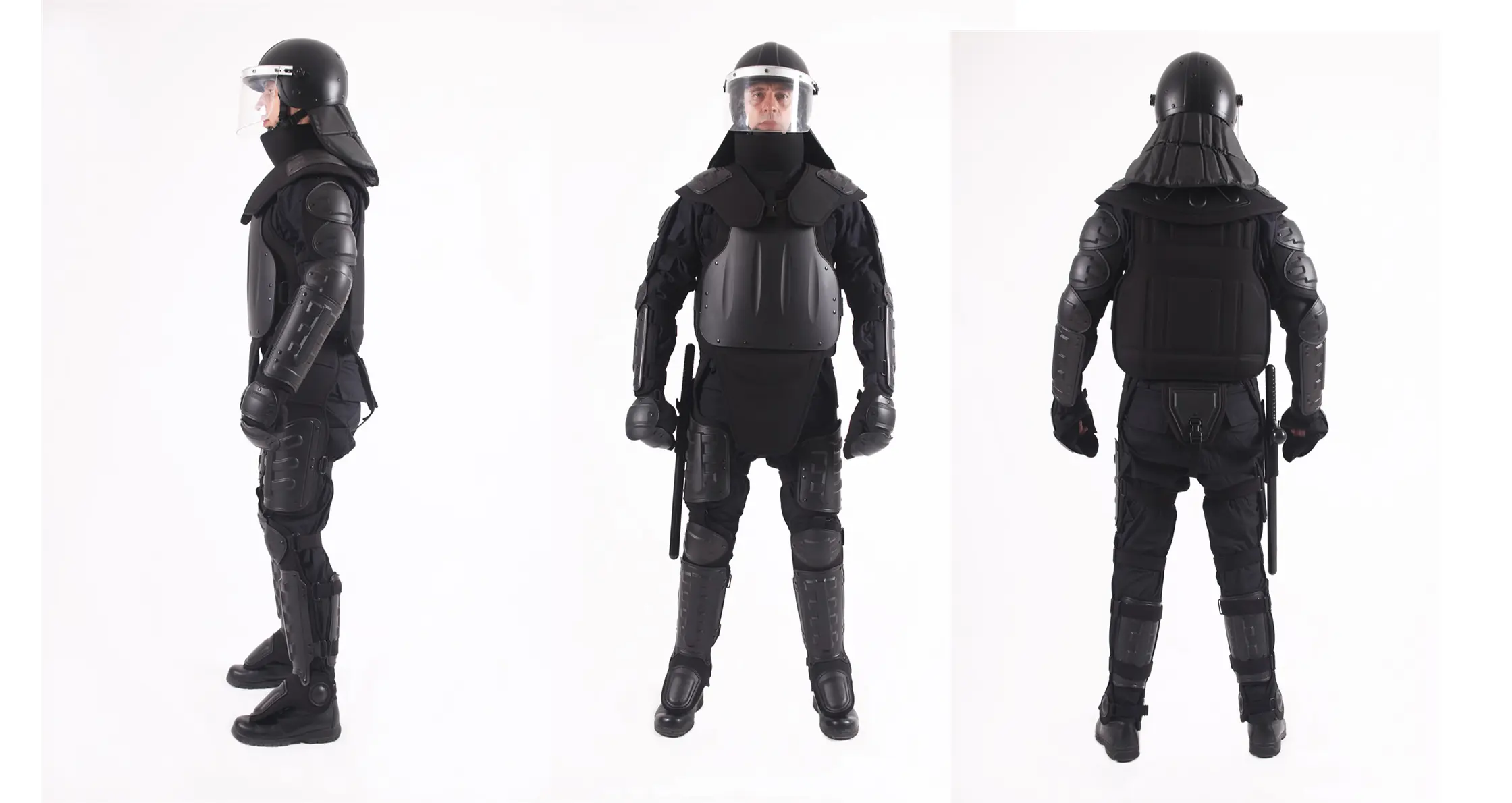
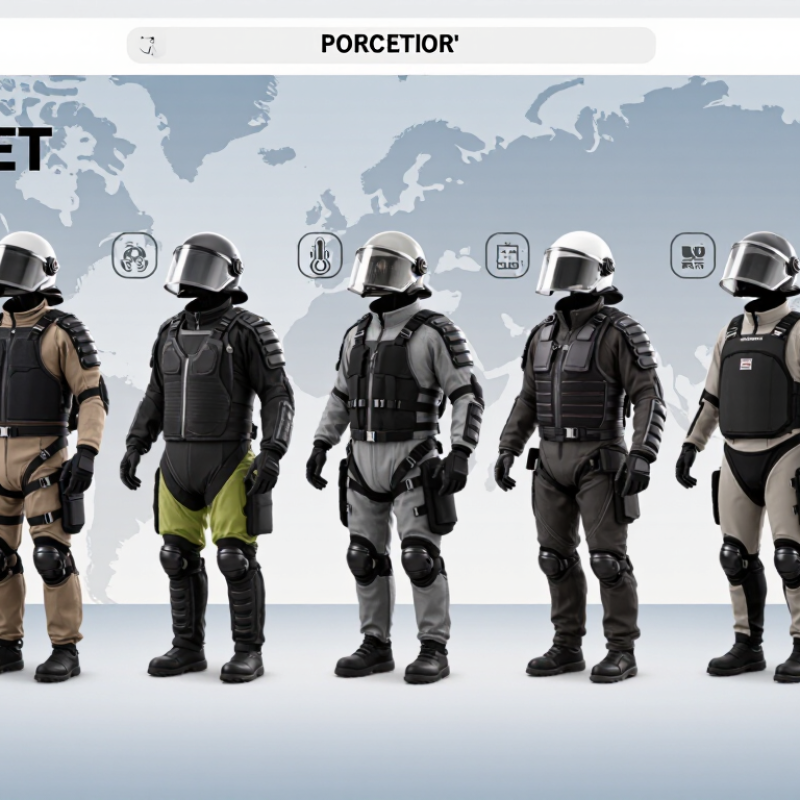
An anti-riot suit is designed to reduce injuries from common crowd-control hazards, not make the wearer invulnerable. Its padded panels help absorb blunt impacts, while reinforced fabric resists abrasion from rough surfaces. Hard-shell sections may protect the knees, shins, elbows, shoulders, and chest. A helmet with a visor can reduce exposure to flying debris, but visibility may narrow during movement.

Protection depends on the complete system. Gloves should preserve grip, and boots should support stable footing on wet pavement. Some suits offer limited heat or flame resistance, but buyers must check tested ratings carefully. Most standard suits do not stop bullets, and many are not certified against sharp weapons. That distinction matters. Product claims should match independent test reports, user instructions, and local safety requirements.

These suits are used by trained public safety teams during planned operations, public events, and emergency responses. Proper fitting is essential; loose straps can catch, while tight padding restricts breathing and movement. Officers should inspect stitching, fasteners, visors, and impact panels before every deployment. Clean equipment also reduces skin irritation and unpleasant odors.

No suit is perfect. Extra armor can increase fatigue and reduce communication. Overconfidence is another risk. Practical training should include walking, kneeling, hydration, and removing damaged equipment quickly. In real conditions, heat builds under the panels faster than many buyers expect. A reliable purchasing decision balances protection, mobility, ventilation, repair support, and documented performance.

Key Criteria for Evaluating Anti-Riot Suit Manufacturers

A sound evaluation begins with evidence, not polished sales claims. Ask manufacturers for current test reports that match the exact suit model and materials offered. Check abrasion, impact, flame, and heat-resistance results where relevant to the intended use. Confirm who performed the tests and whether the documents identify the tested samples. A certificate alone may not show how a suit performs after repeated wear. Paperwork matters.

Fit and construction affect protection and mobility. Request samples in several sizes, then check coverage while standing, kneeling, and reaching. Inspect closures, seams, padding, and visor visibility under bright indoor light. Ask how the materials handle cleaning, storage, and replacement of worn components. Confirm that bulk orders use the same specifications as approved samples. The cheapest quote can hide inconsistent sizing or limited service support. That trade-off deserves scrutiny. Small details count.

Tips: Keep a written checklist for every supplier. Compare specifications, lead times, warranty terms, and quality-control records side by side. If details remain vague, pause before ordering; a rushed decision is hard to undo.

Seven Anti-Riot Suit Manufacturers Serving Global Buyers

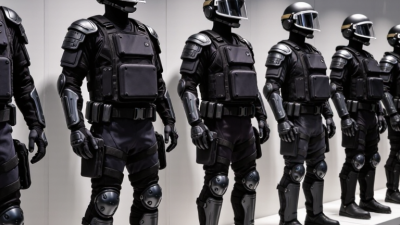
Global buyers comparing seven anti-riot suit manufacturers should look beyond catalogue photos. A suit may appear robust on a mannequin, yet restrict movement when an operator kneels or raises both arms. Check seam reinforcement, visor clarity, adjustable closures, and whether replacement parts are available. Small fit details matter.

Grand View Research estimated the global personal protective equipment market at USD 78.4 billion in 2023, with a projected 6.7% compound annual growth rate from 2024 to 2030. This broad market includes many product categories; it is not a forecast for anti-riot suits alone. Still, it signals sustained interest in protective equipment. Ask each manufacturer for dated test reports, material specifications, and clear explanations of what each test actually covers.

Compare the seven suppliers on sizing options, production capacity, sample quality, and export packaging. Request a physical sample where practical. Inspect how the visor attaches and whether padding stays in place after repeated movement. No supplier is perfect. Even a polished catalogue can hide awkward sizing gaps, and a low quoted price may omit useful spare components. Look for consistent answers, not just fast replies. A short wear trial can reveal more than another product sheet.

Comparing Product Range, Customization, and Export Support

Global buyers comparing the seven best anti-riot suit manufacturers should examine product range before price. A complete range may include helmets, visors, neck guards, torso armor, gloves, knee protection, and carrying bags. The global body armor market was valued at about USD 3.6 billion in 2023, according to Fortune Business Insights. That figure shows strong demand, but it does not prove equal product quality.

Customization separates capable manufacturers from simple resellers. Buyers should request size charts, adjustable closures, ventilation panels, and material specifications. A practical sample should allow kneeling, climbing stairs, and wearing radio equipment. Heat buildup matters. So does visibility through the visor. Manufacturers should provide test reports, inspection records, and clear performance limits. The U.S. National Institute of Justice emphasizes documented testing for protective armor, although its standards may not cover every protective component. No single certificate answers every question.

Export support often determines whether an order arrives usable and on time. Reliable suppliers should confirm packaging dimensions, shipping documents, harmonized codes, country requirements, and spare-part availability. They should also explain warranty terms in plain English. The World Trade Organization reported that global merchandise trade reached approximately USD 24 trillion in 2023, highlighting the complexity of international logistics. Still, export experience can be overstated. Buyers should check recent references and inspect pre-shipment samples. A perfect scorecard is unrealistic; durability, comfort, customization, and delivery speed may conflict. Sometimes, the cheapest quotation becomes the most expensive decision.

What to Verify Before Placing an International Order

International buyers should verify more than catalog photographs before selecting an anti-riot suit manufacturer. A reliable supplier should provide traceable test reports, material specifications, production dates, and inspection records. Ask whether the suit was tested as a complete system, not only as separate pads. That distinction matters when a visor shifts, a strap breaks, or heat accumulates during long use.

Check compliance with relevant standards, including ISO 13688 for protective clothing and applicable impact, flame, visibility, and ergonomic requirements. The EU Personal Protective Equipment Regulation 2016/425 also requires conformity assessment for covered products. Market research shows why documentation matters: the MarketsandMarkets 2024 PPE report projects continued global growth through 2029, increasing pressure on factories and quality-control systems. Growth can hide inconsistency.

Request independent laboratory reports with test methods, sample numbers, and laboratory accreditation. Verify the factory’s quality system, batch sampling plan, and replacement-part availability. Confirm sizing with a measured chart, not generic small, medium, or large labels. A 2023 International Labour Organization report recorded nearly three million fatal work-related incidents globally, reminding buyers that protective equipment cannot rely on appearance alone. Packaging should protect visors from scratches and include serial identification. Some suppliers may resist these questions. That is a warning, not a minor inconvenience. Allow for mistakes in your own specification, too; field trials with movement, heat, and repeated cleaning often reveal weaknesses that factory samples miss.

7 Best Anti Riot Suit Manufacturers for Global Buyers - What to Verify Before Placing an International Order

A practical, brand-neutral checklist for comparing manufacturers. The entries below are verification points, not a ranking or claims about specific suppliers.

No. What to Verify Evidence to Request Why It Matters
1 Manufacturer identity and production capability Business registration, factory address, product-line details, and a live or independently arranged factory audit. Confirms who is responsible for production and helps distinguish a factory from a trading intermediary.
2 Model-specific protection claims A written specification listing each component, materials, coverage, intended use, limitations, and the exact model or configuration tested. Protective performance varies by component and design. A general product brochure does not establish the performance of the ordered model.
3 Applicable standards and test reports Complete reports from a competent laboratory, with report number, test date, methods, results, sample description, and model identification. Check whether EN ISO 13688 is relevant to the clothing components; it covers general requirements for protective clothing, not riot-specific impact performance. A standard or test must be relevant to the product and claim. Verify the report directly with the issuing laboratory where possible; do not treat a general certificate as proof that every component is compliant.
4 Materials, sizing, and wearer fit Material declarations, a size chart with measurement instructions, adjustment details, and pre-production samples for fit checks. Material and fit affect comfort, mobility, coverage, and suitability for the intended users. Confirm the size range and grading before approving bulk production.
5 Quality control and traceability Inspection checklist, batch or lot identification, defect-handling procedure, and the proposed pre-shipment inspection plan. If ISO 9001 is claimed, verify the certificate scope, validity, and issuing body. ISO 9001 concerns a quality management system; by itself, it does not certify product performance or compliance.
6 Export documents and destination-country rules A draft commercial invoice, packing list, origin details, proposed customs classification for review, and any destination-specific permits or conformity documents identified by the importer. Import requirements and tariff classification depend on the destination and product details. Confirm them with the relevant customs authority or a qualified customs broker before shipment.
7 Commercial terms, delivery, and order acceptance A signed specification and purchase order covering quantities, approved sample, price, lead time, packaging, inspection, payment milestones, warranty, remedies, and the named Incoterms® 2020 rule and place. Clear written terms reduce disputes about what will be supplied, when risk transfers, and who arranges transport, insurance, and export or import formalities.

Before placing an order, verify claims against the exact product configuration and the requirements of the destination market.