What Is the Best Bulletproof Shield for Global Buyers?

Choosing the best Bulletproof Shield for global buyers requires more than comparing prices or advertised protection levels. Buyers must examine tested performance, construction quality, weight, coverage, and intended use. A shield that performs well in a controlled test may feel awkward during extended handling. That difference matters.

Reliable purchasing begins with evidence. Look for independent laboratory testing, traceable production records, and clear technical documentation. Recognized standards, such as NIJ or VPAM frameworks, can support comparison when the product matches the tested configuration. However, standards vary by region and product type. Local import rules, certification requirements, and workplace regulations must be checked before any transaction.

Details reveal quality. Inspect the viewing window, edge protection, handle attachment, surface finish, and maintenance instructions. Ask whether the materials remain stable after humidity, heat, or repeated transport. A credible supplier should explain limitations without making absolute promises. No product protects against every possible threat.

Fit matters too.

Global buyers should also assess supplier experience, after-sales support, replacement parts, packaging, and delivery documentation. A low-cost option may become expensive after damaged shipping or unclear warranty terms. I have found that technical questions often reveal more than polished brochures. Still, product claims can be difficult to verify remotely. Buyers should request current test reports and confirm that they apply to the exact model purchased. Careful comparison creates a safer, more transparent decision for professional users and compliant organizations worldwide.

What Is the Best Bulletproof Shield for Global Buyers?

Definition and Purpose of a Bulletproof Shield

What Is the Best Bulletproof Shield for Global Buyers?

Definition and Purpose of a Bulletproof Shield

A bulletproof shield is a protective barrier designed to reduce injury from specific ballistic threats. The more precise term is ballistic shield. Its purpose is simple: create safer space during lawful security, emergency response, or protective operations.

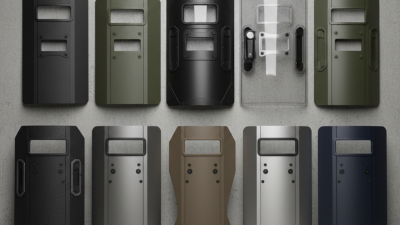
The shield usually combines layered materials, such as aramid fibers, polyethylene, or treated metal. A transparent viewing panel may use laminated ballistic glass. Design details matter. Weight, handle position, visibility, and coverage affect real-world use. A shield that protects well but exhausts its user may fail at the wrong moment.

Global buyers should study independent test reports, declared protection levels, dimensions, and manufacturing traceability. Local import rules also require careful review. Certification is useful, but it does not make every product suitable for every situation. No shield stops every projectile, and testing conditions may differ from field conditions. That limitation deserves attention.

A practical evaluation includes carrying the shield for several minutes, checking grip comfort, and viewing through the panel under poor lighting. Small defects can become serious problems. Uneven edges, unclear labels, or missing documents should not be ignored. One common mistake is choosing maximum protection without considering mobility. In my view, the best shield is not simply the heaviest one. It is a legally compliant, independently verified tool that matches the user’s environment, training, and risk assessment.

Key Protection Levels and Ballistic Resistance Standards

For global buyers, a bulletproof shield should be judged by its tested threat level, not its label or thickness. NIJ Standard 0108.01 evaluates ballistic-resistant materials, while NIJ Standard 0101.07 defines modern rifle threats. Under NIJ 0101.07, RF1 includes 7.62×51mm M80 ammunition at approximately 2,780 feet per second. RF2 adds 5.56mm M855 at approximately 3,110 feet per second. RF3 addresses .30-06 M2 armor-piercing ammunition at approximately 2,880 feet per second. These figures are test conditions, not promises for every shield.

European procurement may reference EN 1522, which uses FB classes, or VPAM ballistic testing procedures. The classifications are not perfectly interchangeable. A shield certified under one system may not equal the same numerical level under another. Ask for the complete laboratory report, including ammunition type, impact velocity, shot spacing, viewing window results, and backface deformation. Check the shield’s weight too. A large panel can provide greater coverage but become difficult to hold after several minutes. Small details matter.

In field evaluations, handles often become the weak point. A cracked grip can ruin otherwise strong protection. Transparent panels also need separate testing, especially around edges and fasteners. Certification may cover the panel, but not every assembled component. That distinction is easy to miss. Independent retesting is sensible when the product has been stored in heat, moisture, or transport vibration. Some purchasing decisions still rely too heavily on “Level III” wording, which is an imperfect shortcut. (References: NIJ Standard-0101.07, NIJ Standard-0108.01, EN 1522, and VPAM APR 2006.)

What Is the Best Bulletproof Shield for Global Buyers? - Key Protection Levels and Ballistic Resistance Standards

Protection Level Reference Standard Representative Test Threat Nominal Test Velocity Typical Protection Scope Buyer Considerations for a Shield
NIJ Level IIA NIJ Standard 0101.06 legacy classification 9 mm Luger, 124-grain full-metal-jacket round; .40 S&W, 180-grain full-metal-jacket round Approximately 373 m/s for 9 mm; approximately 352 m/s for .40 S&W Protection against selected common handgun threats under the specified laboratory test conditions Suitable only where the expected threat is limited. Confirm that the complete shield, viewing window, edges, handle area and mounting hardware were tested together.
NIJ Level II NIJ Standard 0101.06 legacy classification 9 mm Luger, 124-grain full-metal-jacket round; .357 Magnum, 158-grain jacketed soft-point round Approximately 398 m/s for 9 mm; approximately 436 m/s for .357 Magnum Higher handgun resistance than Level IIA, subject to the specified ammunition, distance and shot conditions A practical handgun-rated option for many security applications, but it is not a rifle-rated shield. Ask for the exact ammunition and shot-spacing requirements used in testing.
NIJ Level IIIA NIJ Standard 0101.06 legacy classification .357 SIG, 125-grain FMJ flat-nose round; .44 Magnum, 240-grain semi-jacketed hollow-point round Approximately 448 m/s for .357 SIG; approximately 436 m/s for .44 Magnum High-level handgun protection, including selected magnum handgun threats Often considered for mobile security and close-range handgun scenarios. It should not be described as rifle-resistant unless a separate rifle test report confirms that performance.
NIJ Level III NIJ Standard 0101.06 legacy classification 7.62 × 51 mm NATO M80 ball, 147-grain projectile Approximately 847 m/s Rifle protection against the specified non-armor-piercing test round Appropriate for rifle-threat planning when the shield has a certified rigid ballistic panel. Verify multi-hit performance, backface deformation, total weight and whether the viewport has the same rating.
NIJ Level IV NIJ Standard 0101.06 legacy classification .30-06 Springfield M2 armor-piercing, 166-grain projectile Approximately 878 m/s Protection against the specified armor-piercing rifle test threat Provides a high level of protection but commonly increases shield weight and thickness. Check whether the claim applies to the full shield assembly rather than only the main panel.
NIJ HG1 NIJ Standard 0101.07 handgun classification 9 mm Luger and .357 Magnum test threats specified by the current NIJ handgun protocol Defined by the current NIJ 0101.07 test protocol Current-generation handgun protection classification Use the exact NIJ 0101.07 designation in procurement documents. Do not assume that an HG1 shield is automatically equivalent to every older Level II or IIA product without reviewing the test threats.
NIJ HG2 NIJ Standard 0101.07 handgun classification Higher handgun threat set than HG1, as specified by the current NIJ protocol Defined by the current NIJ 0101.07 test protocol Enhanced handgun protection under the current NIJ framework Confirm the exact test ammunition, conditioning, number of impacts and allowable backface signature. A shield window or firing port may require separate qualification.
NIJ RF1 NIJ Standard 0101.07 rifle classification Rifle threats specified by the current NIJ RF1 test protocol Defined by the current NIJ 0101.07 test protocol Current-generation rifle protection below the highest NIJ rifle classification Review the detailed test report rather than relying only on the label. Shield geometry, edge exposure, repeated impacts and the transparent area are critical purchasing variables.
NIJ RF2 NIJ Standard 0101.07 rifle classification Higher rifle threat set than RF1, as specified by the current NIJ protocol Defined by the current NIJ 0101.07 test protocol Advanced rifle protection under the current NIJ framework Compare areal density, handling balance, impact spacing and environmental conditioning. Ensure all accessories remain functional after testing.
NIJ RF3 NIJ Standard 0101.07 rifle classification Highest rifle threat category in the NIJ 0101.07 classification system Defined by the current NIJ 0101.07 test protocol Very high rifle protection for the threats included in the standard Potentially the heaviest option. Confirm that the chosen carrier, wheels, handles or support frame are rated for the shield's operational mass.
FB1–FB7 EN 1522 / EN 1523 European ballistic resistance framework Projectile and velocity combinations vary by class, from handgun threats through selected rifle threats Specified individually for each FB class and test configuration European classification of ballistic resistance for materials and constructions Request the full EN 1523 test report, including weapon, ammunition, velocity, shot pattern and construction details. EN classes should not be converted to NIJ levels without technical evidence.
SG1 EN 1522 / EN 1523 shotgun classification Shotgun threat defined by the applicable European test method Specified by the relevant EN test configuration Resistance to the designated shotgun test threat Verify gauge, shot or slug type, distance and impact arrangement. Shotgun protection does not automatically indicate resistance to rifle ammunition.
Important purchasing note: There is no single universal “best” bulletproof shield. The correct selection depends on the expected ammunition, required coverage, shield size, transparent-panel rating, edge protection, multi-hit requirement, weight, mobility and applicable national regulations. Ballistic ratings are not automatically interchangeable across standards.
Reference basis: NIJ Standard 0101.06 legacy levels, NIJ Standard 0101.07 classifications, and the EN 1522/EN 1523 ballistic resistance framework. Test results apply only to the tested construction and stated conditions.

Materials and Technologies Used in Bulletproof Shields

For global buyers, the best ballistic-resistant shield is not simply the thickest one. Its material system must match the tested threat level, carry method, and operating environment. NIJ Standard-0108.01 evaluates ballistic-resistant materials, while UL 752 classifies bullet-resisting equipment by protection level. These references help buyers compare transparent and opaque shields without relying on vague sales claims.

Material choice changes performance sharply. Steel has a density near 7.85 g/cm³, according to ASM material data, so it offers strength but creates substantial weight. Aramid fiber is much lighter, with a typical density near 1.44 g/cm³. UHMWPE can fall below 1 g/cm³, but heat resistance and edge durability require careful review. Transparent shields commonly combine glass and polycarbonate layers. They provide visibility, yet scratches, delamination, and frame weakness can reduce practical protection.

Look for independent laboratory reports. A credible report should identify ammunition type, velocity, impact distance, shot spacing, temperature, and deformation results. It should also confirm the exact shield model and thickness. NIJ testing guidance emphasizes repeatable conditions, not demonstrations with unclear methods. Field users should check handles, viewing windows, wheels, and replacement parts. A shield may stop a tested projectile but remain difficult to control after several minutes. That detail is often overlooked. Buyers should also request environmental testing for humidity and heat. Certification alone is not the whole answer. Real procurement decisions still need honest handling trials.

How to Choose the Right Shield for Global Applications

What Is the Best Bulletproof Shield for Global Buyers?

How to Choose the Right Shield for Global Applications

Choosing the right shield starts with the operating environment, not the product label. “Bulletproof” is an absolute claim; certified bullet-resistant protection is more accurate. Buyers should review independent test reports, protection levels, impact areas, and the latest compliance documents. Weight matters. A shield carried through a narrow doorway feels very different from one used beside a vehicle.

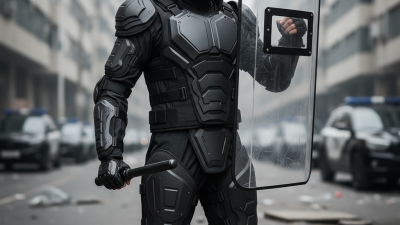
Consider the user’s strength, visibility needs, storage conditions, and response time. A transparent panel may improve observation, but scratches, glare, and temperature changes can affect performance. An opaque design may provide stronger privacy but reduce situational awareness. Handles should remain secure with wet gloves. Edges should not catch on door frames. Small details matter.

Global applications require careful verification of local import rules, workplace requirements, and transport procedures. Ask suppliers for material specifications, serial tracking, inspection guidance, and realistic service-life information. Do not rely only on marketing images. They rarely show the shield after repeated handling.

Testing quality is also important. Look for recognized laboratories and reports that identify the tested configuration, not vague claims. A shield tested in one setup may perform differently after accessories or repairs. That assumption fails. In practice, many purchasing decisions focus too heavily on protection ratings and ignore fatigue. I have found that a slightly lighter, properly tested shield is often easier to use consistently, although this depends on the application. Recheck the choice with trained users before placing a large international order.

What Is the Best Bulletproof Shield for Global Buyers?

How to Choose the Right Shield for Global Applications

Protection levels are based on the threat rounds and nominal test velocities specified in the NIJ 0101.06 body armor standard, which is widely referenced in international procurement. Level II and Level IIIA are generally intended for handgun threats, while Level III and Level IV address selected rifle threats. Buyers should confirm the required local standard, shield coverage, ergonomics, and independent test documentation before purchasing.

International Purchasing, Certification, and Compliance Factors

What Is the Best Bulletproof Shield for Global Buyers?

International buyers should judge a ballistic shield by verified performance, not marketing language. The MarketsandMarkets Ballistic Protection Market report estimates the sector will reach about USD 13.7 billion by 2029. This growth increases supplier choice, but also creates uneven documentation. Ask for the exact protection level, test ammunition, impact distance, shield size, weight, and viewing-panel rating. A shield tested under NIJ 0108.01 may not meet every national procurement requirement. European buyers may also request evidence aligned with EN standards or VPAM testing.

Certification must be traceable. Request a complete laboratory report, not only a certificate image. The laboratory should operate under ISO/IEC 17025 accreditation. Check the report’s product code, production date, materials, and test configuration. Import duties, product labeling, language rules, and export controls can change by destination. A customs broker or compliance specialist should review the shipment before purchase. This step is often ignored.

Tips: Compare the tested configuration with the delivered unit. Confirm replacement-panel compatibility. Measure doorways and storage racks before ordering. A shield can pass a laboratory test yet become impractical when carried for several minutes. That limitation deserves honest review. Suppliers should also disclose inspection intervals, warranty scope, and cleaning restrictions. Never treat “bulletproof” as an unlimited claim; protection always depends on the tested threat and conditions.