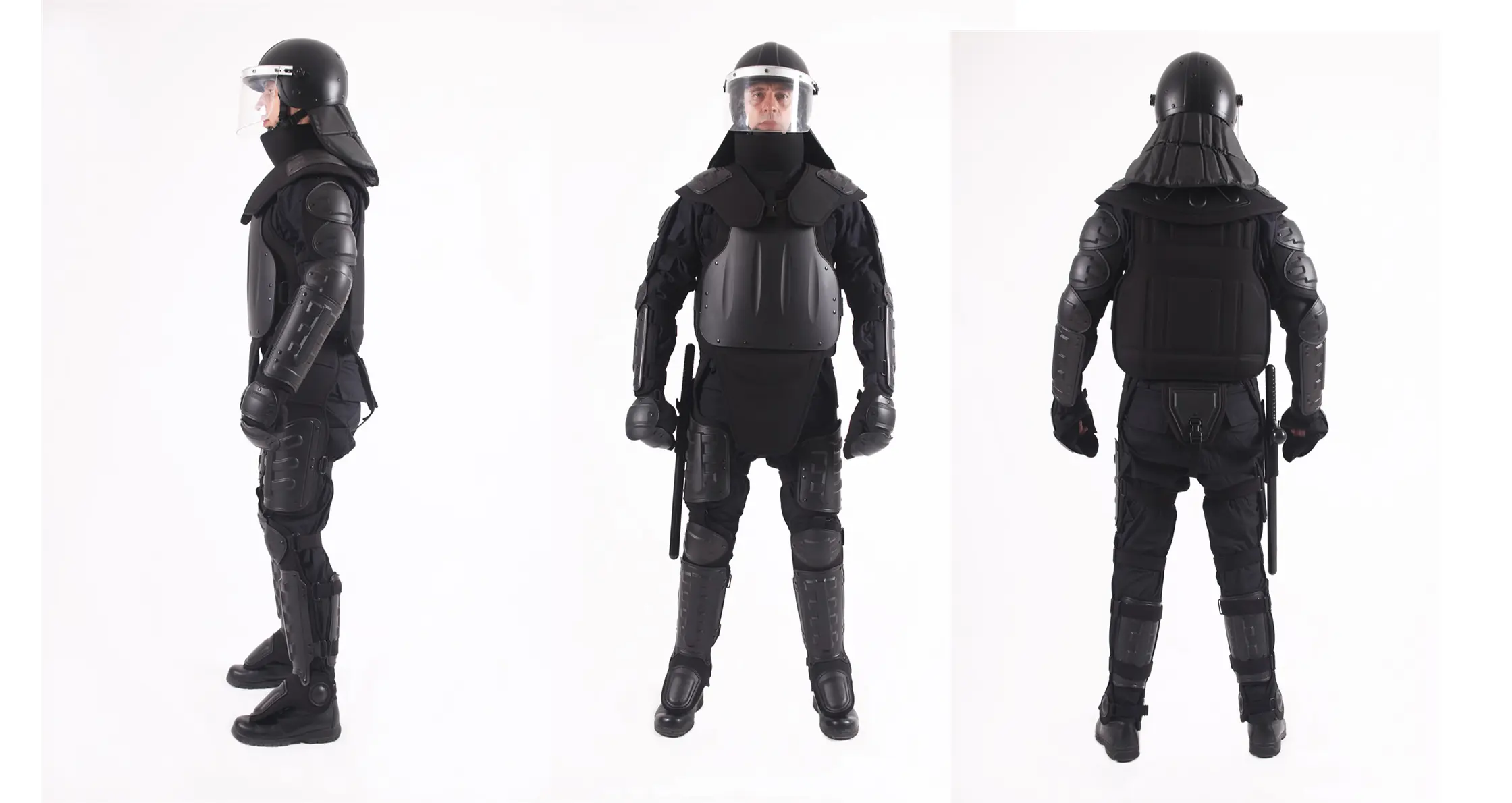
What is Body Armor and How Does It Work?
Body Armor plays a crucial role in personal safety, especially in high-risk environments. According to Dr. Anna Stevenson, a leading expert in protective equipment, “Body Armor is not just a shield; it’s a lifeline for many.” Understanding its composition and functionality is essential for both consumers and professionals.
The technology behind Body Armor has evolved significantly over the years. Modern materials like Kevlar and ceramic plates provide a balance of weight and protection. However, not all Body Armor is created equal. Users must consider factors like threat level and comfort when selecting their gear.
Despite advancements, challenges remain. Many people still lack awareness about proper usage and care of Body Armor. Misconceptions can lead to improper application, reducing its effectiveness. Engaging with credible sources opens the door to better knowledge, ultimately enhancing safety in dangerous situations.
What is Body Armor: Definition and Overview
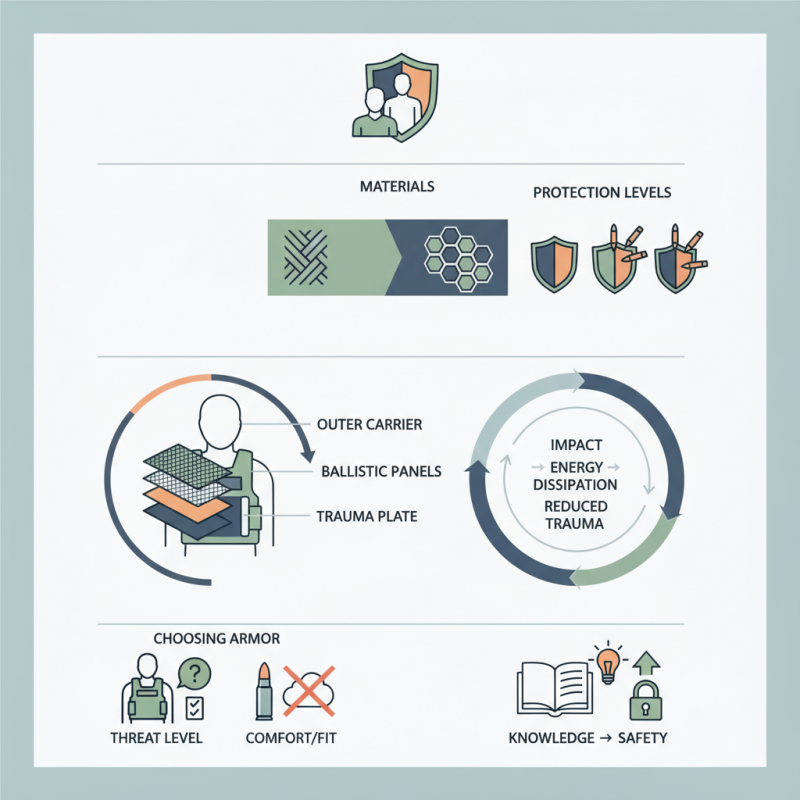
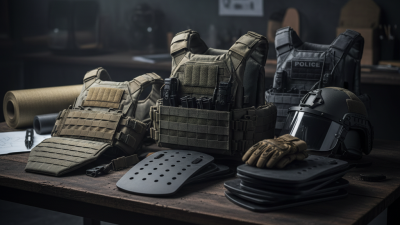
Body armor is protective clothing designed to absorb and reduce the impact of ballistic threats. It plays a crucial role in personal safety, especially for law enforcement and military personnel. The materials used in body armor often include layers of fabric, ceramics, or polyethylene. These materials work together to disperse the energy from bullets or other projectiles.
The concept behind body armor is straightforward but effective. When a bullet strikes, the armor's layers absorb the energy, preventing it from penetrating the body. Different types of body armor offer varying levels of protection based on the intended use. Soft armor may stop handguns, while hard armor is better suited for rifles. However, even the best armor cannot guarantee complete safety, prompting ongoing discussions about its limitations and potential improvements.
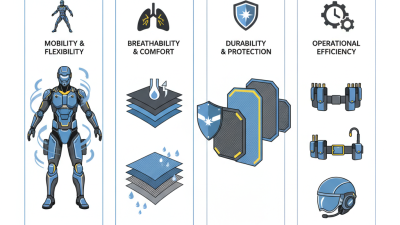
Recent advancements in technology have led to lighter and more flexible designs, enhancing comfort. Yet, challenges remain. The weight-to-protection ratio is a persistent concern. Users often find that most armors can restrict movement, which is critical in high-stress situations. Balancing safety and mobility continues to be a significant debate in the field of personal protective equipment.
Body Armor Types and Protection Levels
This chart illustrates the different types of body armor and their corresponding protection levels according to the National Institute of Justice (NIJ) standards. The protection levels indicate the armor's effectiveness against various ballistic threats.
Types of Body Armor: Soft vs. Hard Armor Explained
Body armor comes in two main types: soft armor and hard armor. Soft armor is designed for comfort and flexibility. It is made from woven fibers, often Kevlar or similar materials. This type of armor is effective against handguns and certain types of blades. However, it may not stop higher-caliber bullets or offer the same level of protection as hard armor. Many people prefer soft armor for daily wear, as it can be concealed easily under clothing.
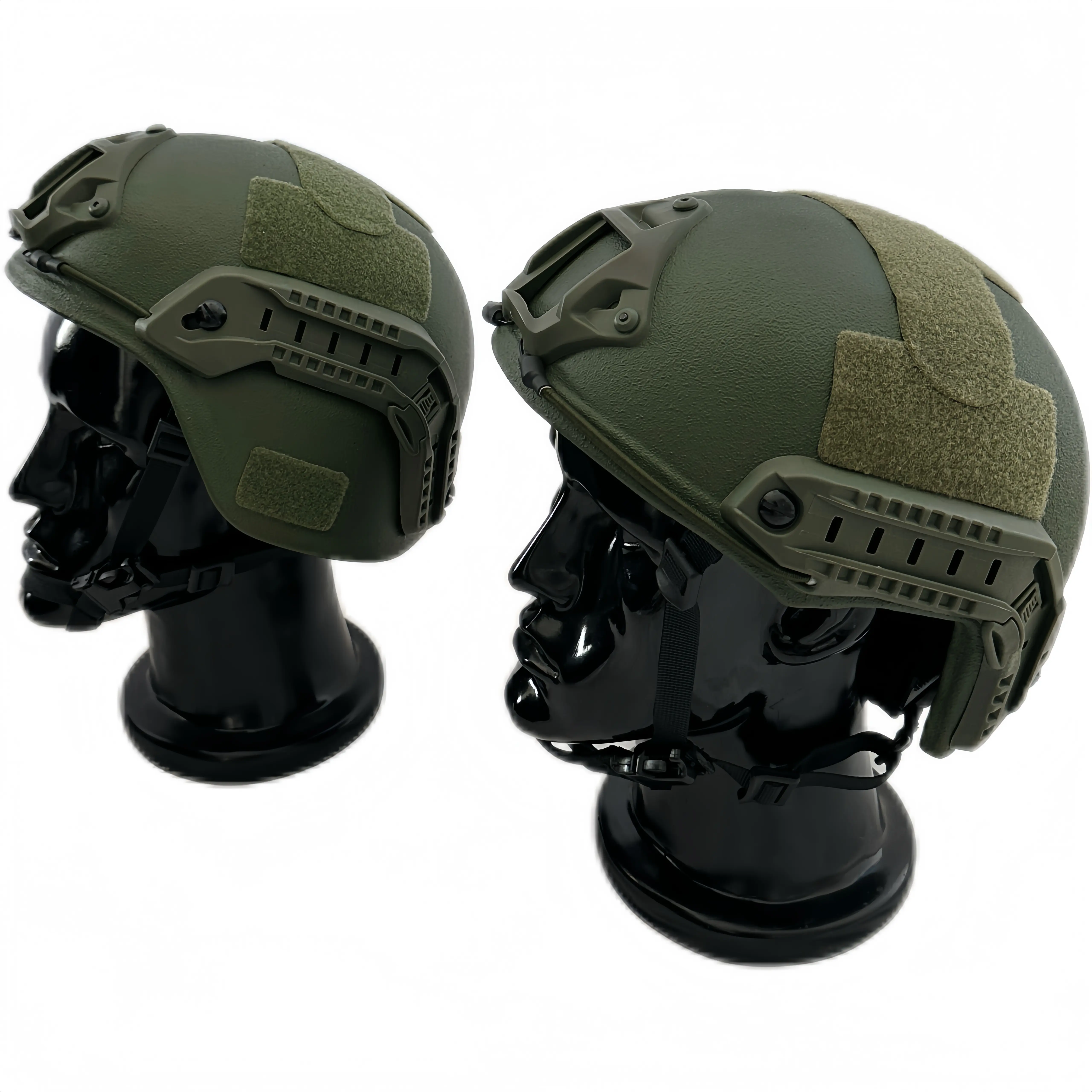
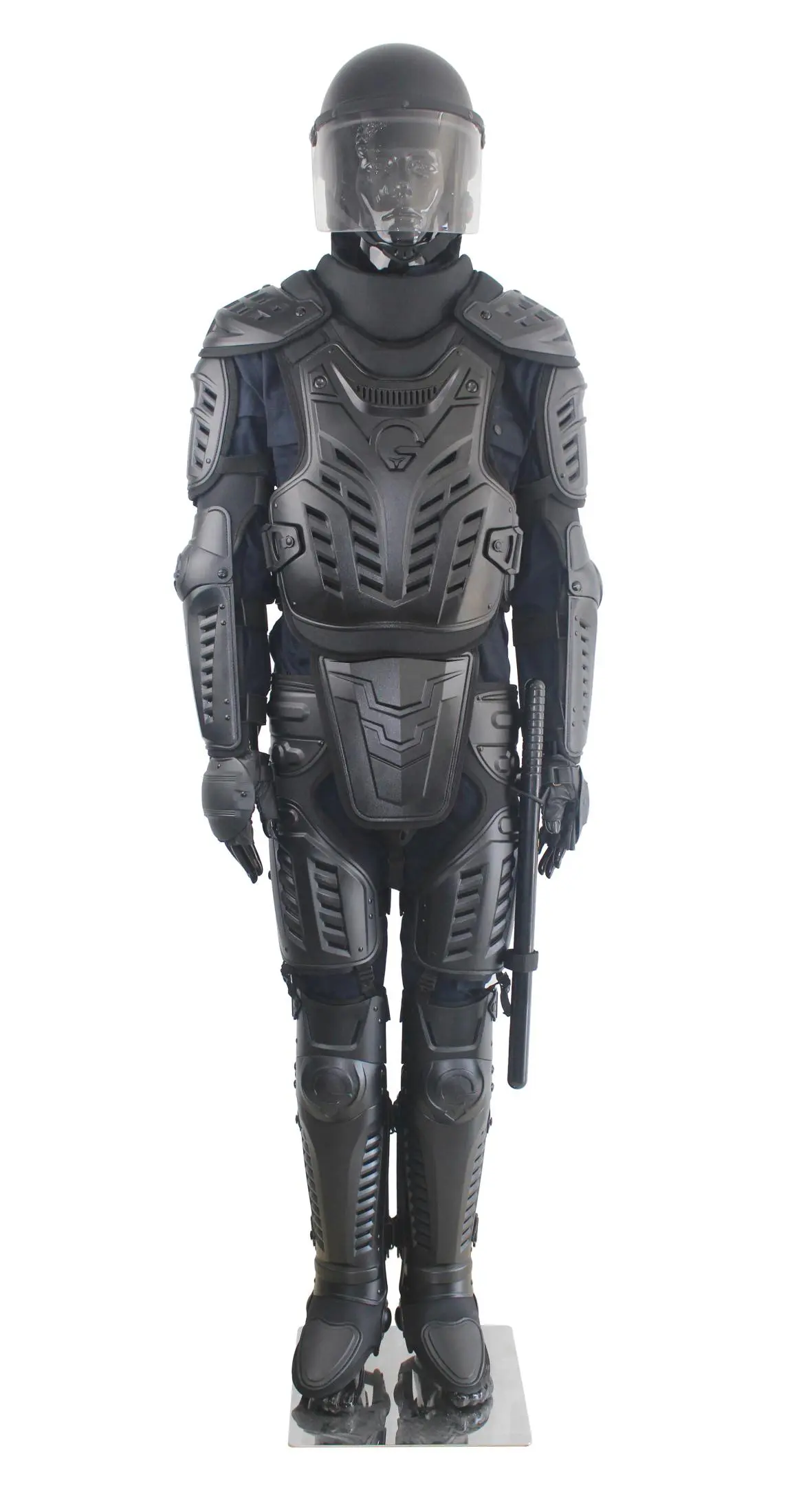
Hard armor provides a more robust defense. It typically consists of rigid materials such as ceramic or steel plates. These plates can withstand higher caliber ammunition and provide greater protection in combat situations. However, hard armor is heavier and less comfortable. Users may find it cumbersome during extended wear. It is essential for individuals in high-risk professions to weigh these factors when choosing body armor.
Both types have their pros and cons. Selecting the right armor can be a personal choice, depending on specific needs and situations. Understanding the nuances is crucial. Not all situations require the same level of protection. Therefore, a reflection on one’s environment and duties can help in making an informed decision.
What is Body Armor and How Does It Work? - Types of Body Armor: Soft vs. Hard Armor Explained
| Type of Body Armor |
Material |
Protection Level |
Weight |
Common Use Cases |
| Soft Armor |
Aramid Fiber, PE |
NIJ Level II - IIIA |
2-5 lbs |
Law Enforcement, Civilian Applications |
| Hard Armor |
Steel, Ceramic, UHMWPE |
NIJ Level III - IV |
5-10 lbs |
Military, High-Risk Situations |
| Multi-Threat Armor |
Combination of Soft and Hard Materials |
NIJ Level IIIA, III, & IV |
4-8 lbs |
Versatile Use Cases, Active Shooter Response |
Materials Used in Body Armor: Composition and Properties
Body armor plays a critical role in safeguarding lives. Understanding the materials in body armor helps to grasp its protective capabilities. These materials must be lightweight, durable, and resistant to various threats. Common materials used include Kevlar, aramid fibers, and polyethylene. Each has unique properties that contribute to the overall effectiveness of armor.
Kevlar is known for its high tensile strength. It can absorb and disperse impact energy, providing critical protection without adding excessive weight. Aramid fibers offer similar benefits but may differ in thermal stability and chemical resistance. Polyethylene is lightweight and has a low coefficient of friction. However, it can face issues with temperature sensitivity and may degrade under certain conditions.
While these materials offer excellent protection, they have their limitations. For example, Kevlar can wear down over time with exposure to moisture and UV light. This raises questions about the longevity and reliability of body armor in real-life scenarios. Proper care and regular inspections are vital to maintaining effectiveness. Body armor technology continues to evolve, seeking a balance between protection, comfort, and durability.
How Body Armor Works: Mechanisms of Protection
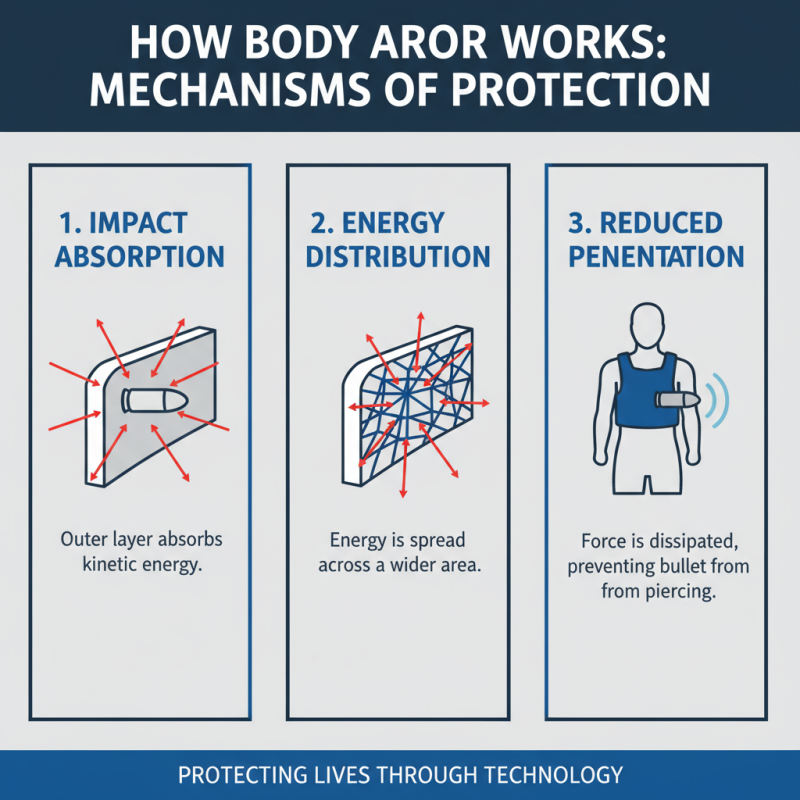
Body armor serves as a crucial technology in personal protection. Understanding its mechanisms can shed light on its effectiveness. Primarily, body armor works by absorbing and distributing the impact energy of projectiles or stabbing attacks. When a bullet hits body armor, the outer layer disperses the energy across a wider area, reducing the likelihood of penetration.
Materials used in body armor vary, with Kevlar and ceramic plates making the most reliable options. According to the National Institute of Justice, high-performance materials can reduce trauma by 80%. This data illustrates the significant role of innovative materials in enhancing safety. However, there are limitations. Not all armor can protect against every type of threat, and heavy armor can hinder mobility.
Testing and certification standards are essential for ensuring quality. Reports from the U.S. Department of Justice note that not all body armor meets the same standards. This inconsistency raises questions about their reliability. Users must weigh the trade-offs between protection levels and comfort. The effectiveness of body armor is limited by design choices, sometimes necessitating sacrifices in other essential functions.
Limitations and Considerations: Understanding Body Armor Efficacy
Body armor plays a vital role in personal protective equipment. However, understanding its limitations is crucial. Body armor is designed to absorb and deflect bullet impacts. It can significantly enhance safety. Yet, it does not guarantee complete protection. Various factors influence its efficacy.
One key limitation is the type of threat. Different armor levels are rated for specific calibers. An armor piece rated for lower-caliber bullets may fail against higher-caliber threats. Additionally, factors like distance and angle can affect performance. It’s important to assess potential risks before relying solely on body armor.
Tips for choosing body armor:
1. Always check the rating.
2. Consider fit and comfort.
3. Look for additional protective features.
Real-world scenarios have shown that armor can become compromised. Environmental issues like moisture and heat can weaken materials. Regular inspections are essential. Being aware of these factors can save lives. Choose wisely and stay informed about your body armor options.