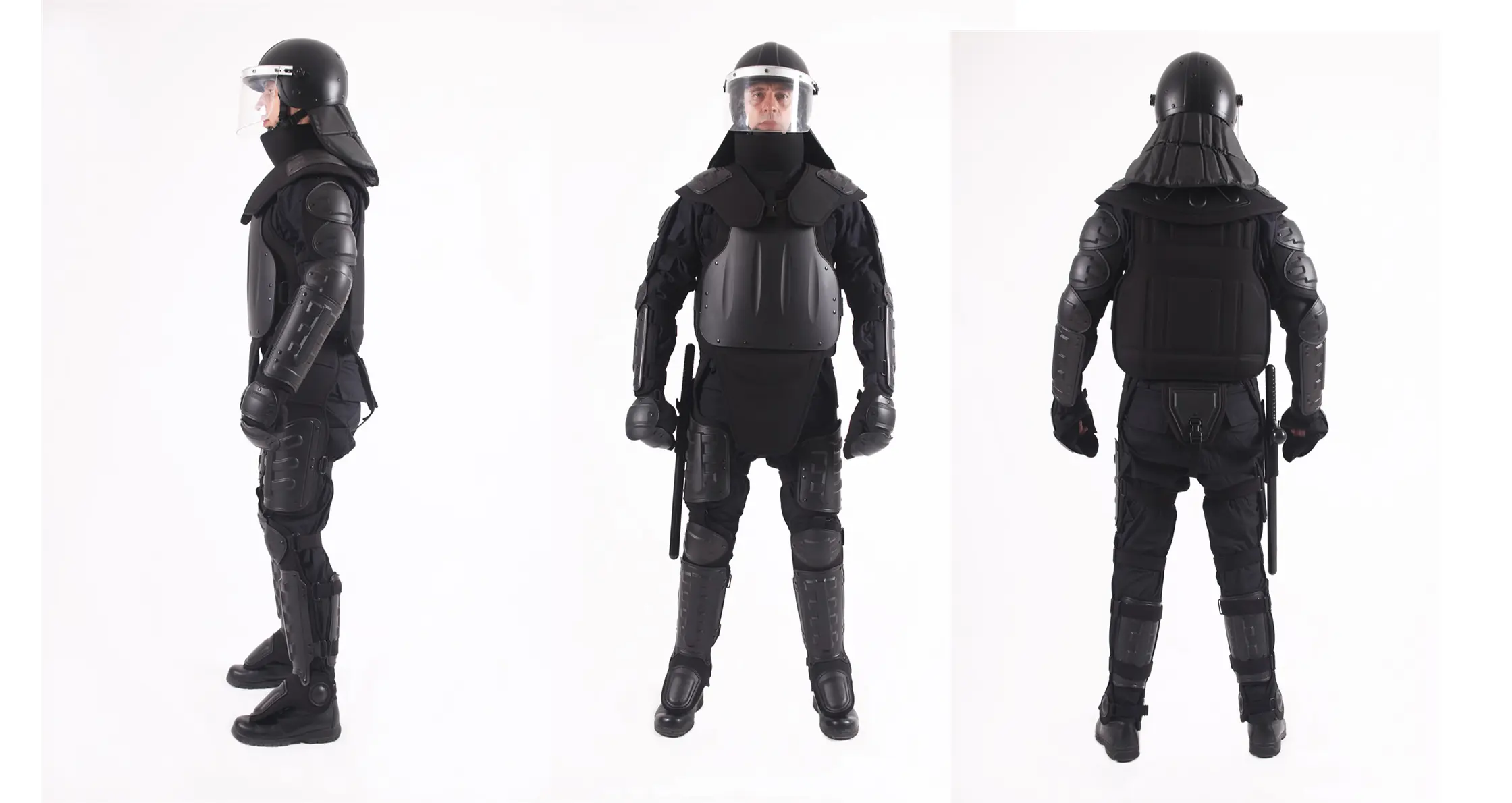
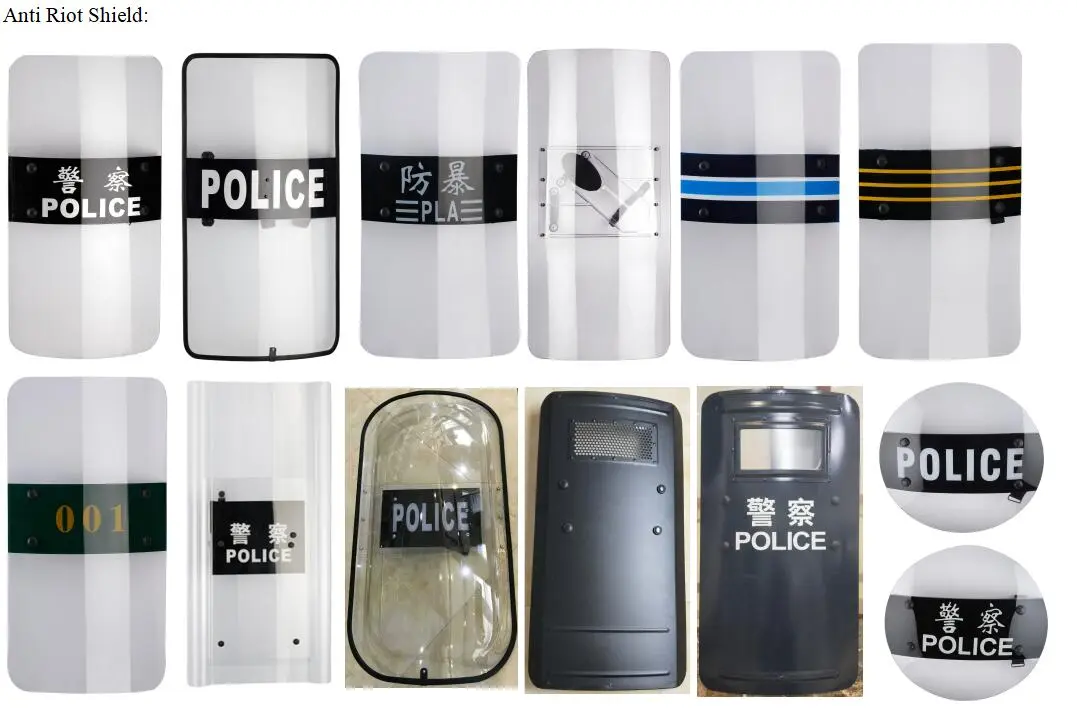
Top Body Armour Types to Enhance Your Safety and Protection?
In recent years, the demand for Body Armour has surged, reflecting the growing concerns for safety. Jonathan Green, a renowned expert in the field, notes, "The right Body Armour can make all the difference in high-risk situations." This resonates with many who aim to protect themselves and their loved ones.
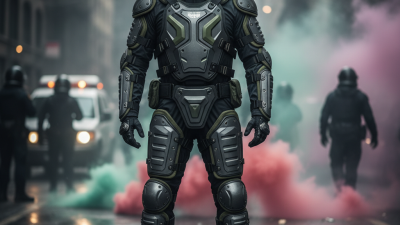
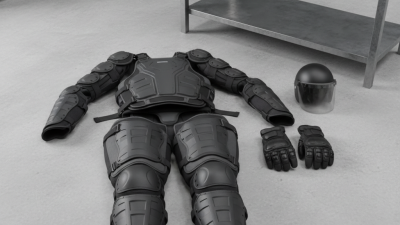
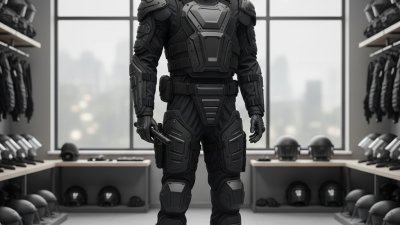
Body Armour comes in various types, each offering unique advantages. Some are lightweight and designed for everyday wear, while others provide advanced protection against high-caliber threats. Choosing the right armor requires careful consideration. It's essential to evaluate not just the materials used but also the context in which it will be worn.
Yet, this industry is not without its flaws. Some products may overpromise while underdelivering on protection. Additionally, the price range can be overwhelming, making it vital for buyers to research thoroughly. Ultimately, ensuring safety through Body Armour is an ongoing challenge that requires informed decisions and personal reflection.
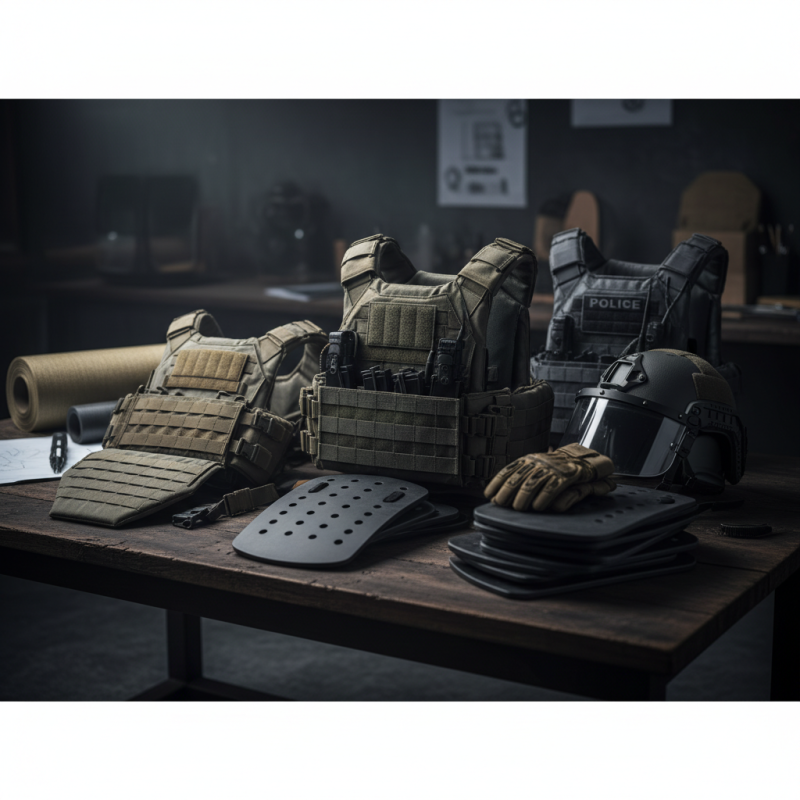
Understanding the Importance of Body Armour in Personal Safety
Body armour plays a crucial role in enhancing personal safety. It acts as a barrier between potential threats and the individual. Many people overlook its importance until it's too late. Everyday situations can become dangerous. How often do we hear about unexpected violence? The world is unpredictable.
Choosing the right type of body armour is essential. Different materials offer various levels of protection. Some are lightweight and flexible, allowing for movement. Others are heavier but provide more blunt force protection. It's vital to assess personal needs. What kind of risks do you face daily? This reflection can lead to an informed decision.
Many individuals may feel invincible without protective gear. Yet, vulnerability lurks in everyday life. A moment of hesitation could lead to serious consequences. Considering body armour can be a daunting task. It's important to weigh the options and think about what truly matters—safety. Everyone deserves to feel secure while going about their day.
Top Body Armour Types to Enhance Your Safety and Protection
This chart illustrates the different types of body armour and their effectiveness in providing safety and protection.
Overview of Various Body Armour Types: Soft vs. Hard Armour
When it comes to body armour, two main types stand out: soft and hard armour. Understanding the differences between these options is crucial for making informed decisions about safety.
Soft armour is made from flexible materials. It can easily contour to the body. Often, it provides protection against lower-caliber bullets. It’s lightweight and comfortable for daily wear. However, it may not withstand higher-velocity projectiles. This can be a significant downside in high-risk situations.
On the other hand, hard armour utilizes rigid materials like ceramic or steel. This type offers superior protection against more powerful rounds. It’s often used in military and law enforcement scenarios.
While it may provide enhanced durability, hard armour can be heavy and less comfortable. Wearers may find it cumbersome during extended use. Each type has its own set of pros and cons. Making the right choice depends on individual needs and scenarios.
Prioritizing comfort or maximum protection can lead to varied decisions.
Ballistic Ratings: How Protection Levels are Measured and Categorized
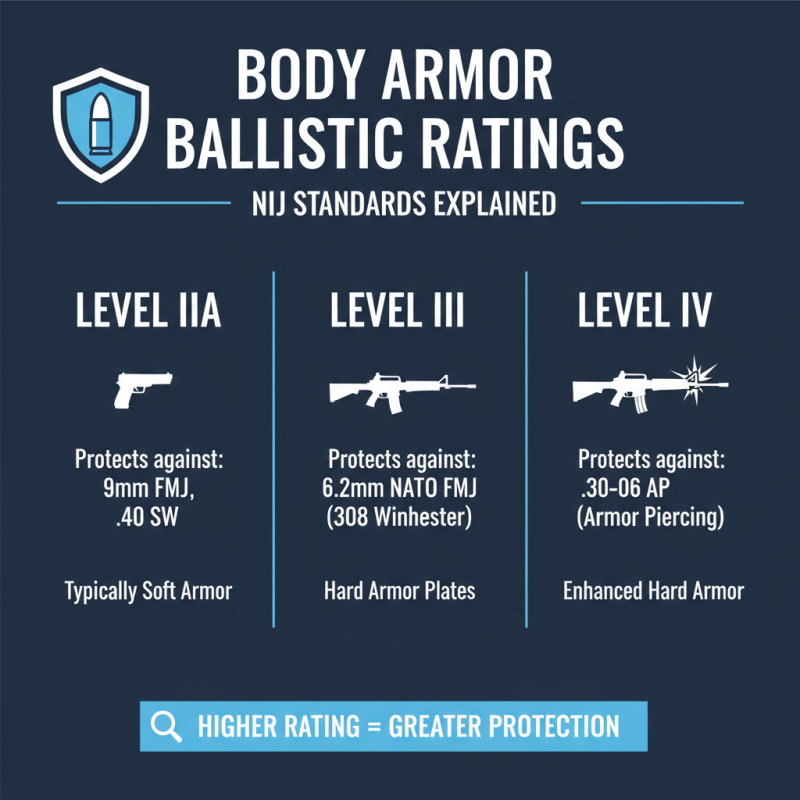
When choosing body armor, understanding ballistic ratings is crucial. These ratings indicate the level of protection an armor piece can provide. They are determined through rigorous testing. For example, the National Institute of Justice (NIJ) has established standards for different types of armor. Higher ratings correspond to better protection against more powerful weapons.
Tips: Look for certifications on body armor. This ensures reliability. Also, consider the weight and comfort of the armor. Bulky armor might protect you, but practicality is also essential. An uncomfortable fit could deter actual use.
The ballistic protection levels vary significantly. Levels IIA, II, and IIIA are generally for handguns. Levels III and IV protect against rifles. Not every situation requires the highest level. Reflect on your specific needs. Maybe you only need light protection for personal safety. Sometimes, overspending on high-level armor can be unnecessary. It’s important to balance needs with budget.
Emerging Trends in Body Armour Technology and Innovation
Body armor technology is rapidly evolving. New materials and designs are coming into play. These innovations aim to provide better safety while increasing comfort. Recent advancements include lighter-weight composites that offer high levels of protection. Some options now incorporate flexible materials that adapt to movement. This flexibility allows for a more natural range of motion, which is crucial in various situations.
Moreover, smart technology is making its mark. Body armor may now include sensors that monitor environmental conditions. These sensors can detect threats or alert wearers to potential dangers. However, there is room for improvement. The durability of these smart features can vary, and maintenance is often required. Many users might find themselves questioning effectiveness over time.
There is also a growing trend towards personalized armor. Custom-fitting options are becoming more common. This trend may lead to better protection for specific body types. Yet, customization can result in higher costs. Users often weigh the pros and cons of expense versus enhanced safety. Striking the right balance between innovation, comfort, and affordability is essential in this evolving market.
Top Body Armour Types to Enhance Your Safety and Protection
| Armour Type |
Protection Level |
Weight (lbs) |
Material |
Key Features |
| Soft Armour |
Level II - IIIA |
5 - 9 |
Kevlar, Twaron |
Lightweight, Flexible |
| Hard Armour |
Level III - IV |
15 - 30 |
Ceramic, Polyethylene |
Rifle protection, Rigid |
| Plate Carrier |
Customizable |
Varies |
Nylon |
Modular, Versatile |
| Ballistic Helmets |
Level IIA - IIIA |
3 - 5 |
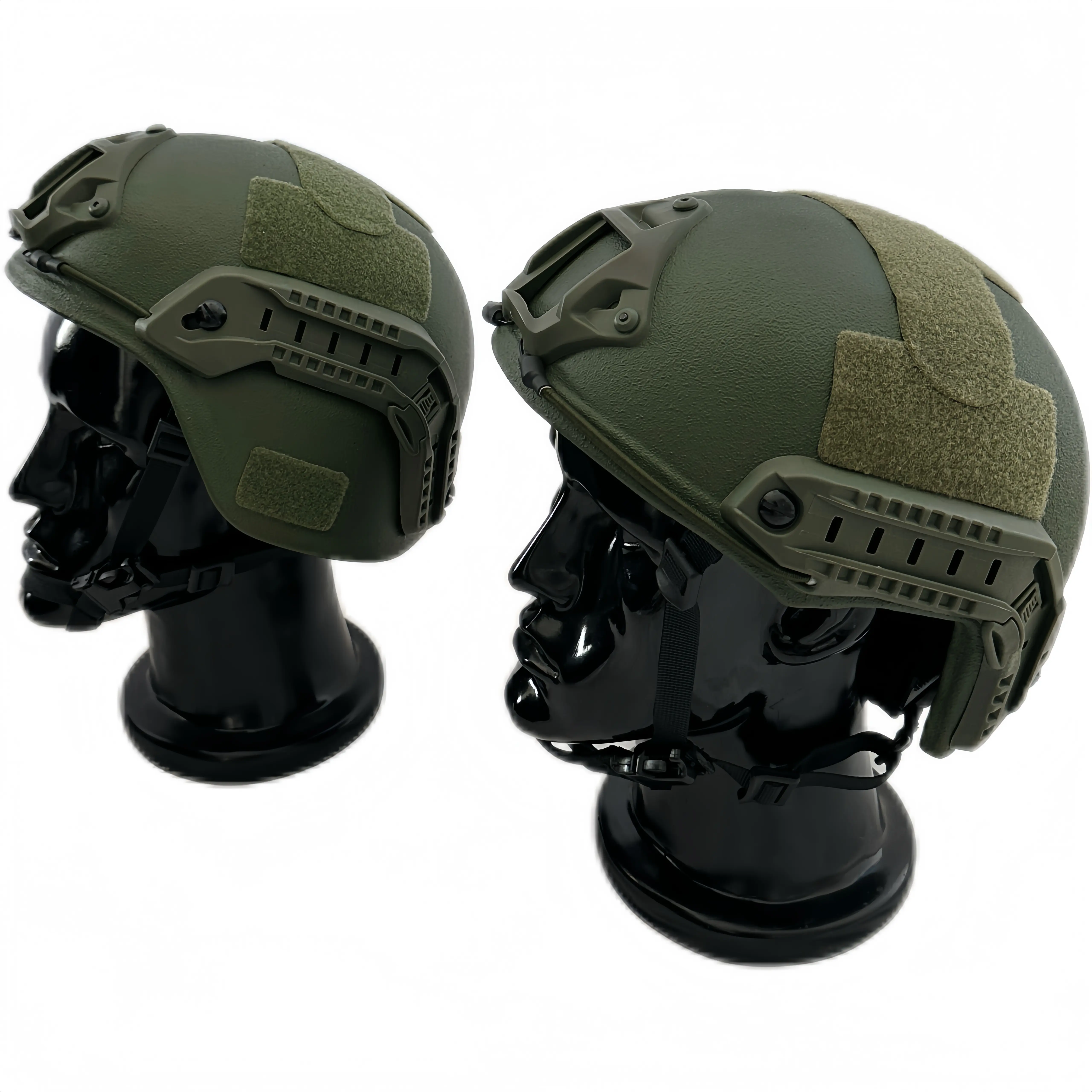
Kevlar, Carbon Fiber |
Impact protection, Multi-use |
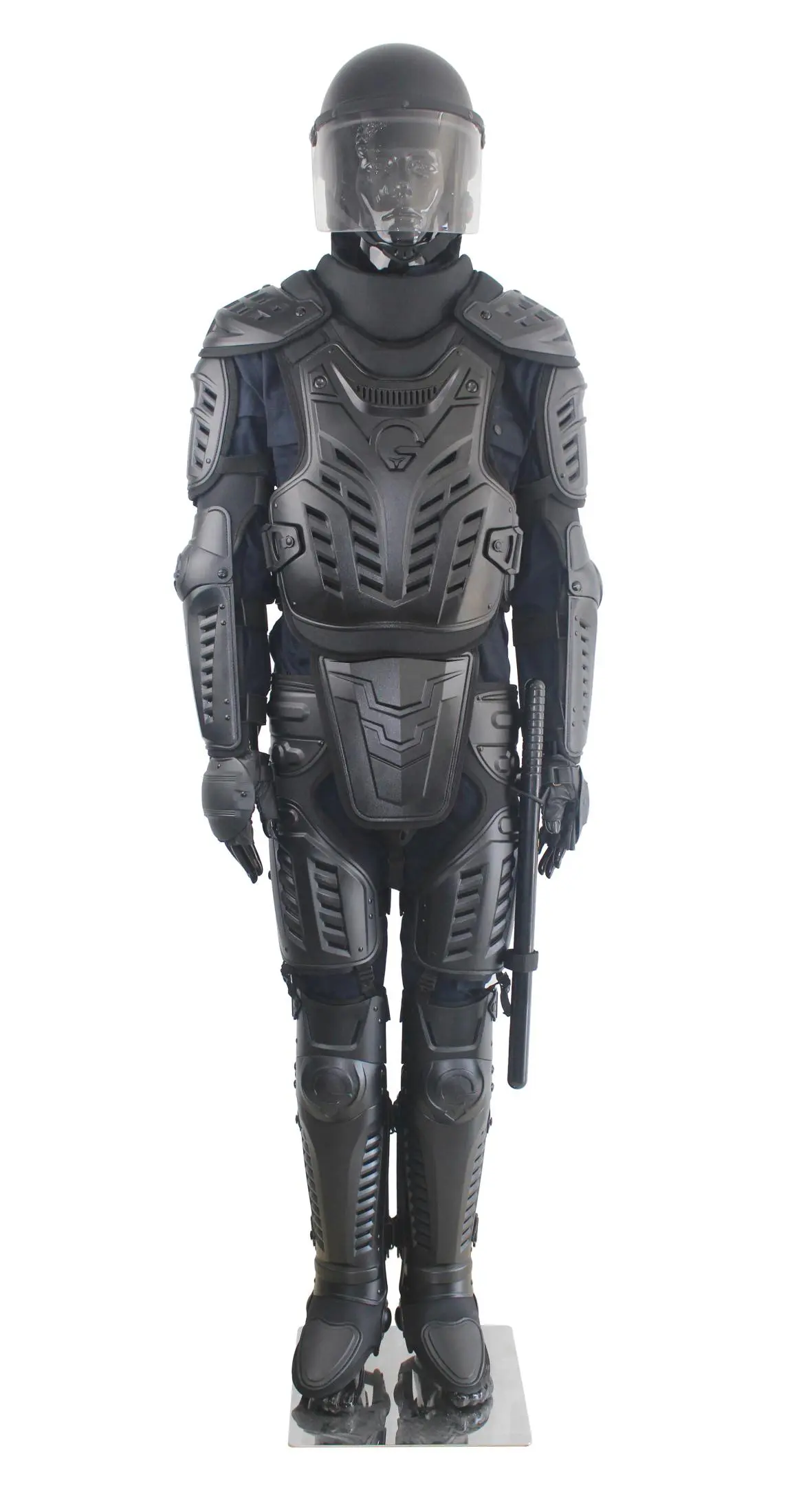
| Stab Resistant Vests |
Stab Level I - II |
5 - 8 |
High-tenacity fibers |
Cut protection, Comfort |