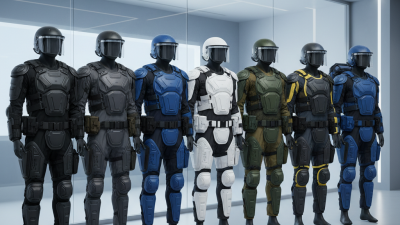
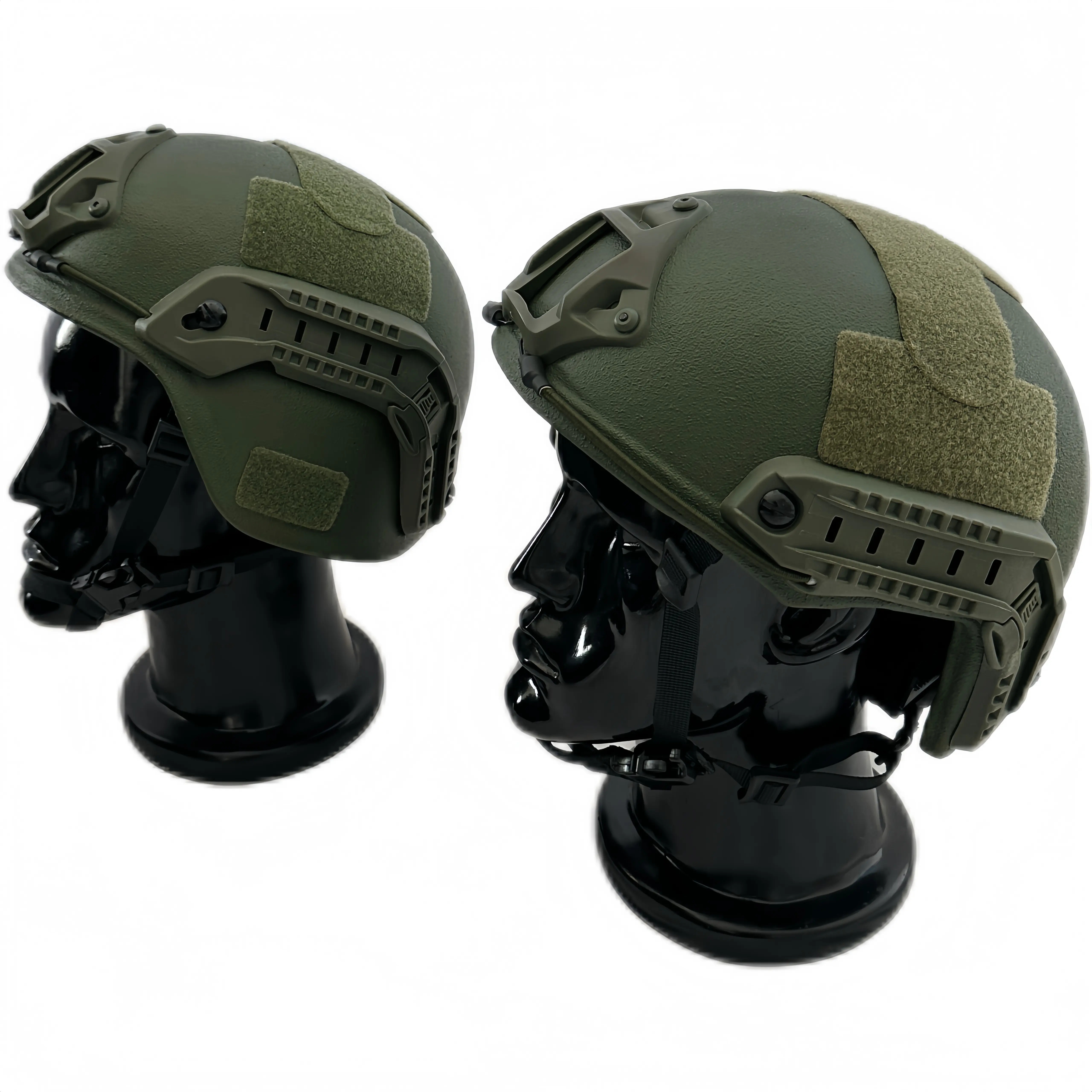
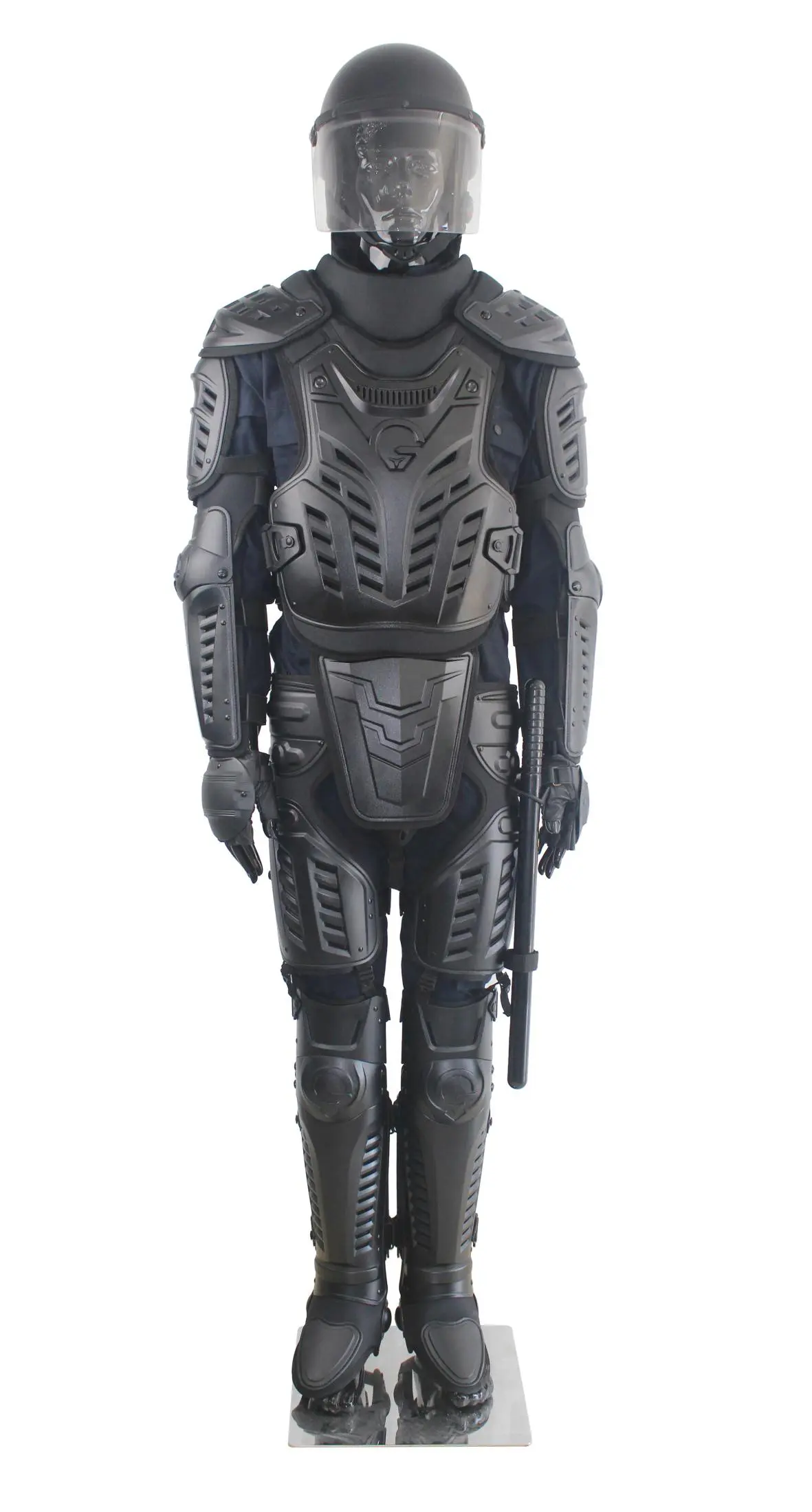
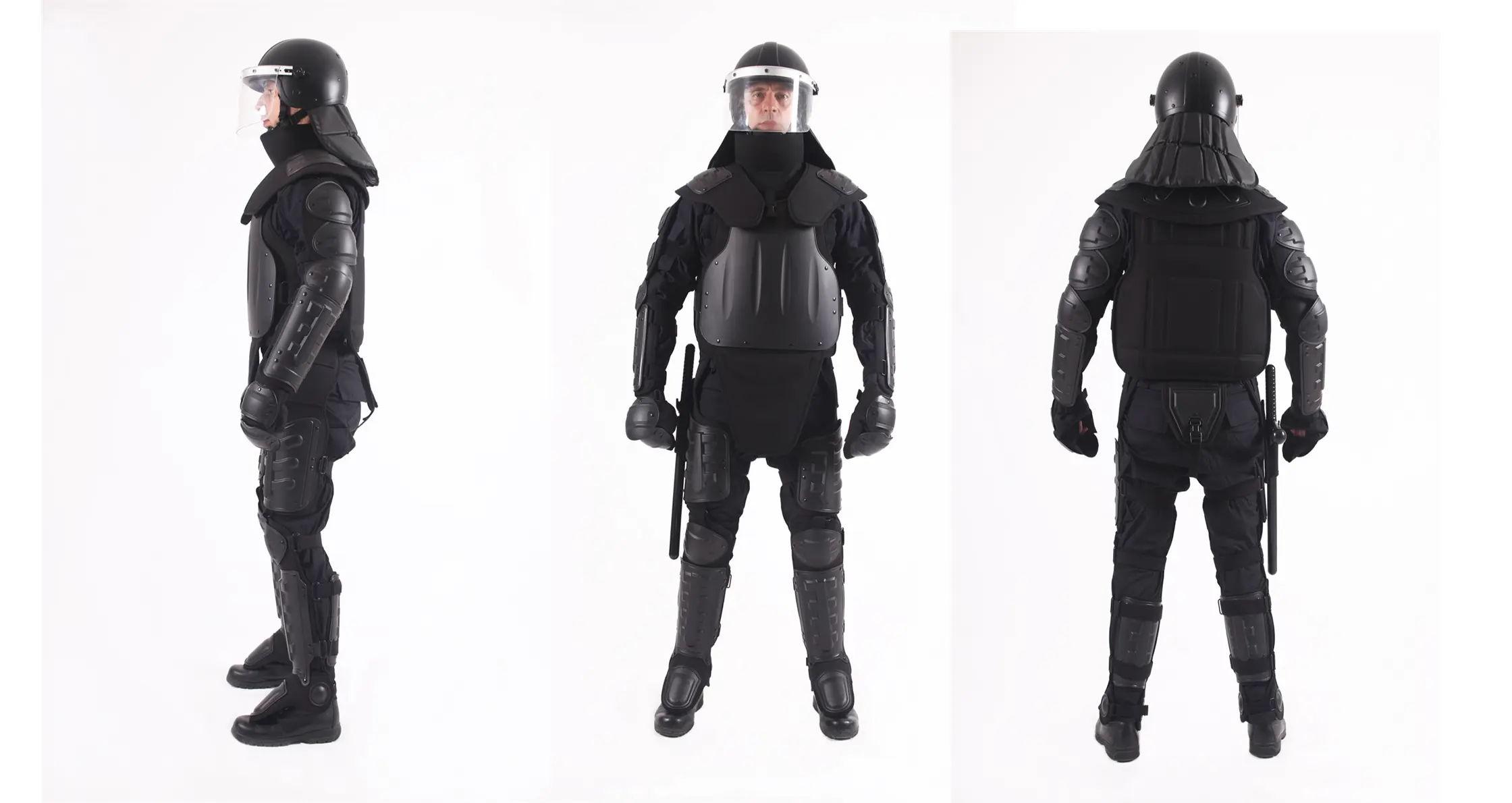
China Top 10 Military Anti Riot Suit Suppliers
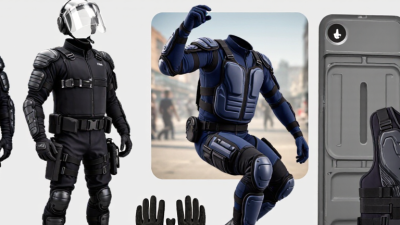
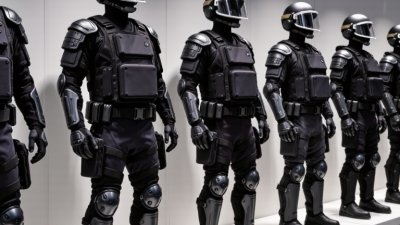
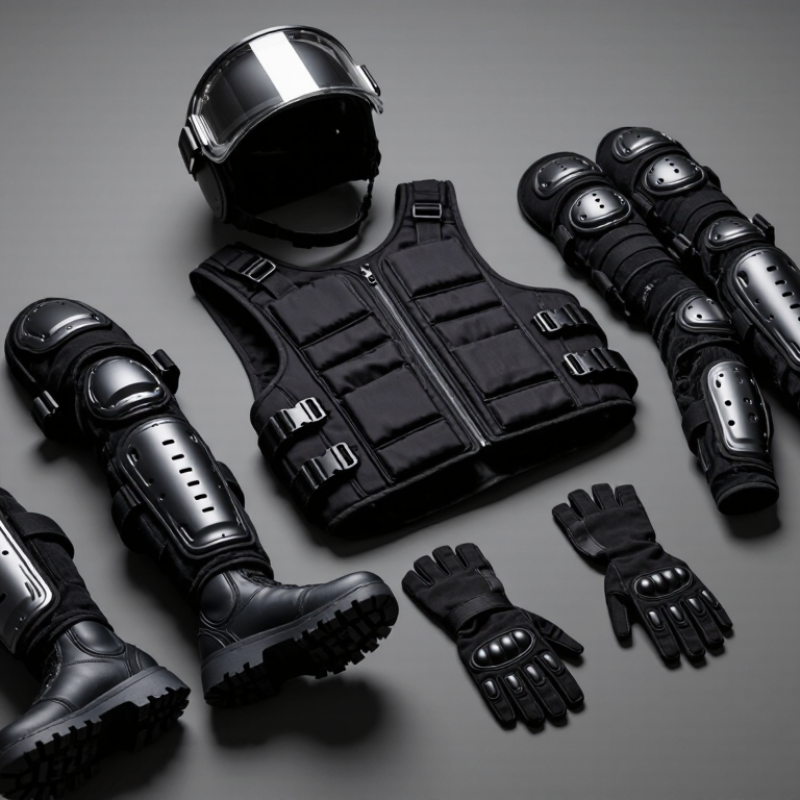
China Top 10 Military Anti Riot Suit Suppliers introduces leading Chinese manufacturers serving lawful public-safety and protective-equipment markets. These suppliers may offer complete systems, including helmets, face shields, body armor, forearm guards, gloves, leg protection, and reinforced footwear. The phrase Military Anti Riot Suit can sound purely tactical, yet responsible evaluation should focus on safety, accountability, and controlled use.
James Reason, a respected human-factors expert, wrote, “We cannot change the human condition, but we can change the conditions under which people work.” His observation applies directly to protective suit design. A reliable suit should support trained personnel without unnecessarily restricting movement or visibility. It should also reduce heat stress during long deployments. Small details matter. Ventilation panels, adjustable closures, rounded edges, and clear visor optics can influence real-world performance.
This overview considers material quality, impact protection, ergonomic fit, abrasion resistance, testing documentation, customization, production capacity, and after-sales support. It also considers whether suppliers communicate limitations honestly. Product pages rarely tell the whole story. No ranking is perfect. Factory audits, sample testing, and independent verification remain necessary before procurement.
Some manufacturers may excel at composite panels, while others specialize in lightweight fabrics or rapid customization. Buyers should compare certifications carefully, because similar-looking claims may describe different test conditions. Ethical sourcing and lawful deployment are equally important. The strongest supplier is not always the largest one. It is the supplier that can provide consistent quality, traceable records, practical training guidance, and transparent communication when a product needs improvement.
What Military Anti-Riot Suits Are and How They Are Used
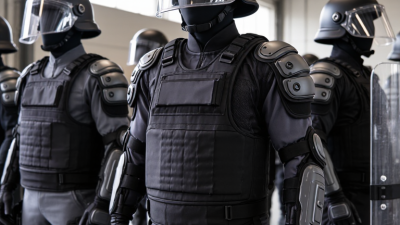
Military anti-riot suits are protective uniforms designed for personnel managing high-risk public-order situations under lawful authority. They usually combine flame-resistant or tear-resistant fabric, impact padding, helmets, shields, gloves, and reinforced footwear. The purpose is protection, not punishment. Each part should preserve movement, hearing, vision, and communication. Poor ventilation can turn a short deployment into a medical problem.
In practice, trained units use this equipment during controlled security operations, emergency evacuations, or severe disorder near protected sites. Personnel normally inspect fasteners, visors, padding, and radio access before leaving a staging area.
Supervisors should match protection levels to credible risks, weather, and the assignment. Excessive armor may reduce speed and situational awareness. That trade-off is easy to underestimate. Clear identification and body-worn records can support accountability, depending on local rules. Use should remain proportionate, documented, and consistent with human-rights obligations.
Training matters more than appearance. Drills should cover heat stress, restricted vision, safe movement, communication failures, and first aid. Officers also need de-escalation skills and clear orders before physical barriers are considered. Equipment must be cleaned, dried, and checked after every use. One overlooked crack can weaken confidence. Even experienced teams make mistakes. Regular review helps reveal them before a real emergency.
Supplier Profiles: Products, Capabilities, and Certifications
China Top 10 Military Anti Riot Suit Suppliers
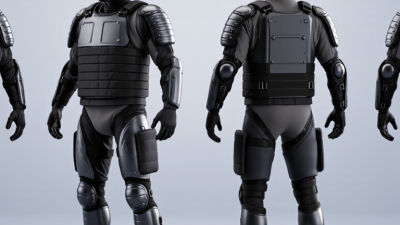
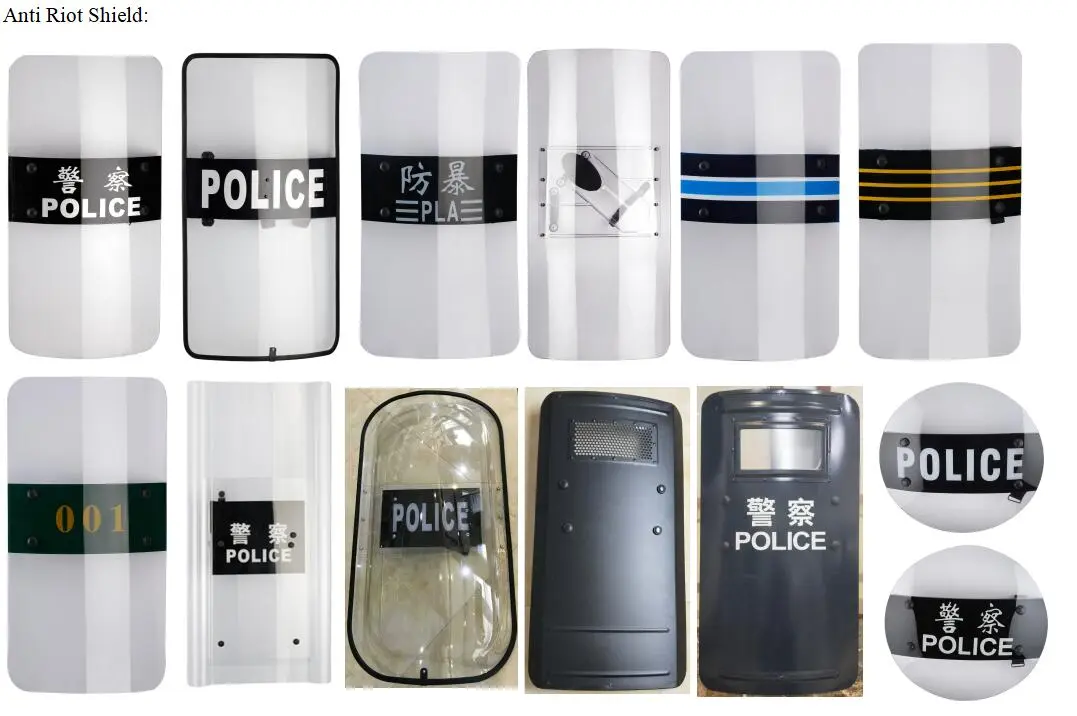
A reliable supplier profile should explain products, manufacturing capability, and certification evidence. Common product lines include helmets, visors, torso protectors, arm guards, leg guards, gloves, and impact-resistant shields. Strong suppliers describe material thickness, closure systems, ventilation, size ranges, and replacement parts. Some factories offer cut-resistant fabrics, molded polymer panels, and heat-sealed seams for demanding field conditions.
Production capability matters more than attractive catalogs. Look for documented quality controls, sample testing, stitching inspections, and batch traceability. Experienced manufacturers may support custom sizing, color selection, packaging, and moderate-volume orders. Certification claims require careful review. Ask for current test reports, laboratory details, certificate numbers, and the exact product model tested. ISO 9001 can indicate process management, but it does not prove complete product protection. Relevant EN or national PPE requirements should match the intended use and local procurement rules.
Tips: Request a sample before ordering. Check visor clarity, buckle strength, mobility, and wearer comfort. Measure protection around the shoulders, knees, and wrists. Ask how failed items are handled. One weakness often appears after repeated bending, not during a showroom inspection. Supplier comparisons should include delivery records, after-sales support, and transparent limitations. A lower price may hide thinner padding or weaker fasteners. Recheck every document before approval.
Materials, Protection Levels, and Customization Options
China Top 10 Military Anti Riot Suit Suppliers
Material selection strongly affects weight, heat retention, and service life. Common outer fabrics include high-tenacity nylon, polyester, and aramid blends. Nylon handles abrasion well, while aramid improves heat and cut resistance. Foam or molded polymer inserts protect the chest, shoulders, elbows, knees, and shins. Fit matters.
MarketsandMarkets’ 2024 body armor report projected a 6.5% compound annual growth rate through 2029. This broader trend increases demand for lighter protective systems. However, buyers should not treat market growth as proof of product quality. NIJ 0115.00 can help assess spike and edged-blade resistance, but it does not represent a complete anti-riot suit standard. Suppliers should provide independent test records for impact, abrasion, tear, and seam strength.
Customization usually covers body measurements, insert thickness, ventilation zones, closure systems, and detachable components. Some projects require radio cable channels, reinforced glove connections, or reflective identification panels. Moisture-wicking liners improve comfort during long deployments. Small details matter. A suit that protects well but restricts shoulder movement may fail in practical use. Request sample fitting, wash-cycle results, batch traceability, and temperature testing. One weakness remains: many product sheets list protection levels without explaining test conditions. That gap deserves careful questioning before procurement.
How to Evaluate and Select the Right Supplier
When comparing China’s top 10 military anti-riot suit suppliers, define the intended use before reviewing prices. The suit should support lawful public safety duties, training, and controlled crowd management. Avoid vague product descriptions. Ask for clear specifications covering fabric layers, impact protection, heat resistance, weight, and ventilation. Fit matters. A suit that restricts walking or arm movement may reduce safety during long shifts.
Check the supplier’s testing records and quality-control process. Request recent laboratory reports, material certificates, inspection photos, and sample units from current production. Standards should match the destination market and the equipment’s approved use. Confirm whether protective panels remain secure after repeated movement, cleaning, and storage. A reliable supplier should explain warranty terms, replacement procedures, and production capacity without making unsupported claims. Ask for evidence, not promises.
Communication quality also reveals operational maturity. Compare response times, technical drawings, packaging details, and delivery schedules. Visit the factory when possible, or use an independent inspection service. A polished catalog can still hide weak after-sales support. I would not select the lowest quote automatically. However, higher prices do not guarantee better protection either. This is where procurement teams must reflect carefully. Some evaluation forms overemphasize appearance and ignore comfort, traceability, or repair access. Record every finding, including unresolved questions, before approving a supplier.