How to Choose the Right Anti Riot Suit for Safety and Protection?
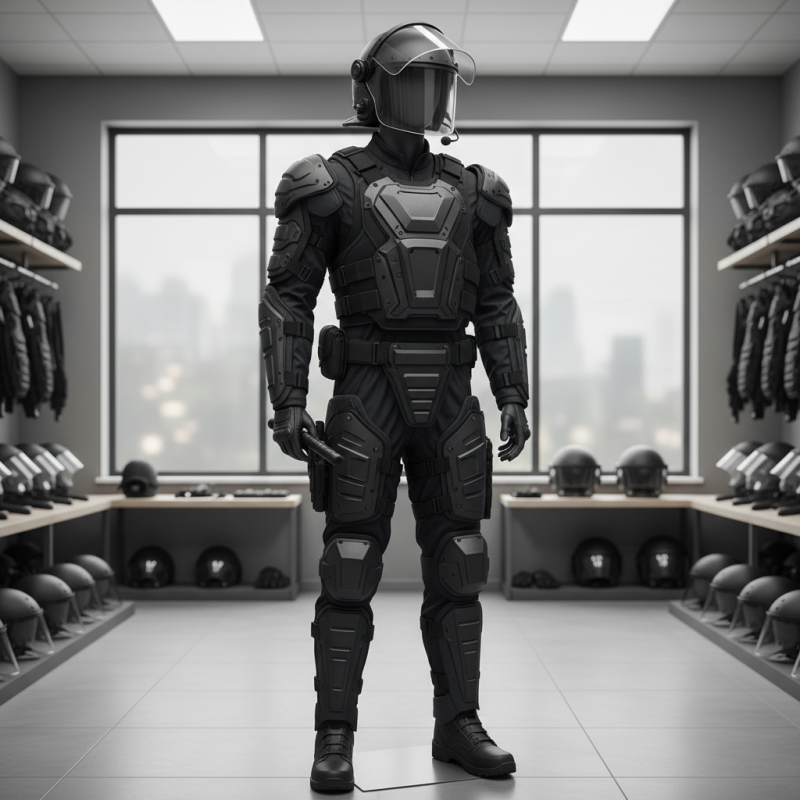
Choosing the right Anti Riot Suit is crucial for safety and protection. These suits are designed to shield individuals from potential threats in high-risk situations. Whether you are part of a security team or a law enforcement officer, the right suit can make a significant difference.
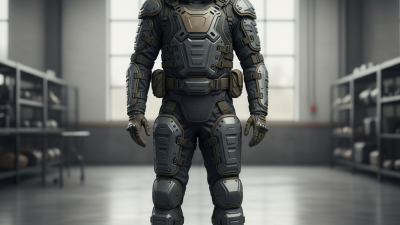
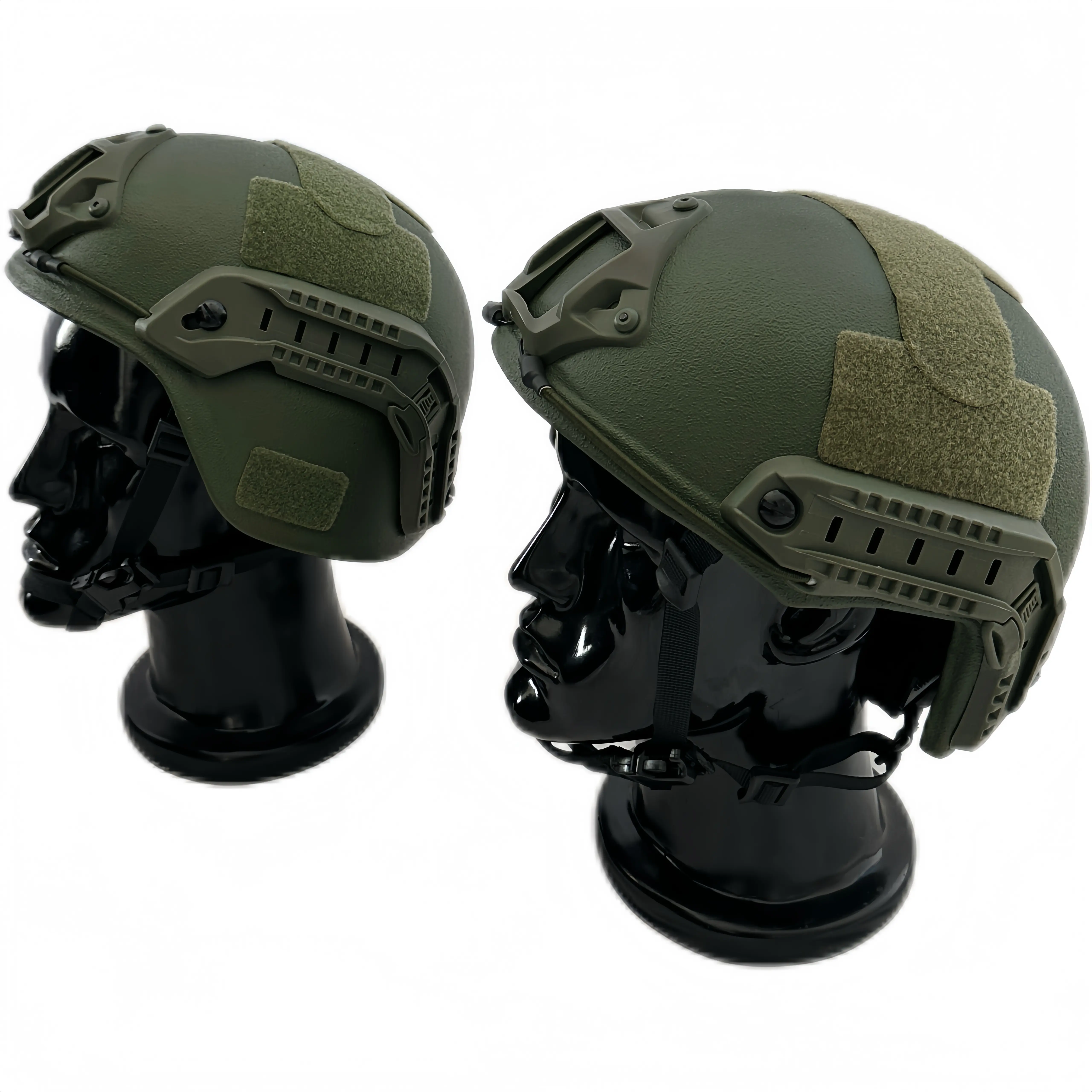
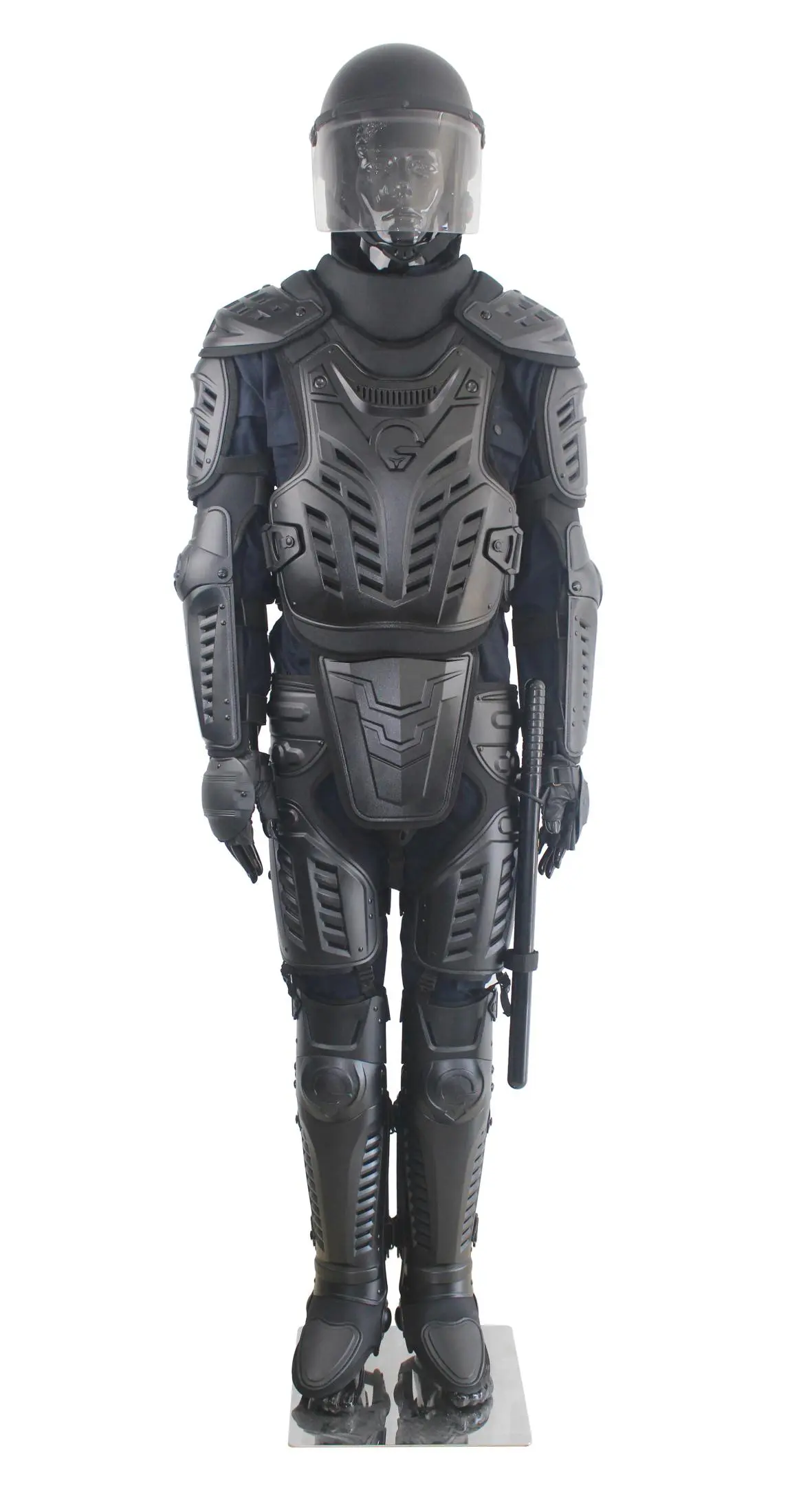
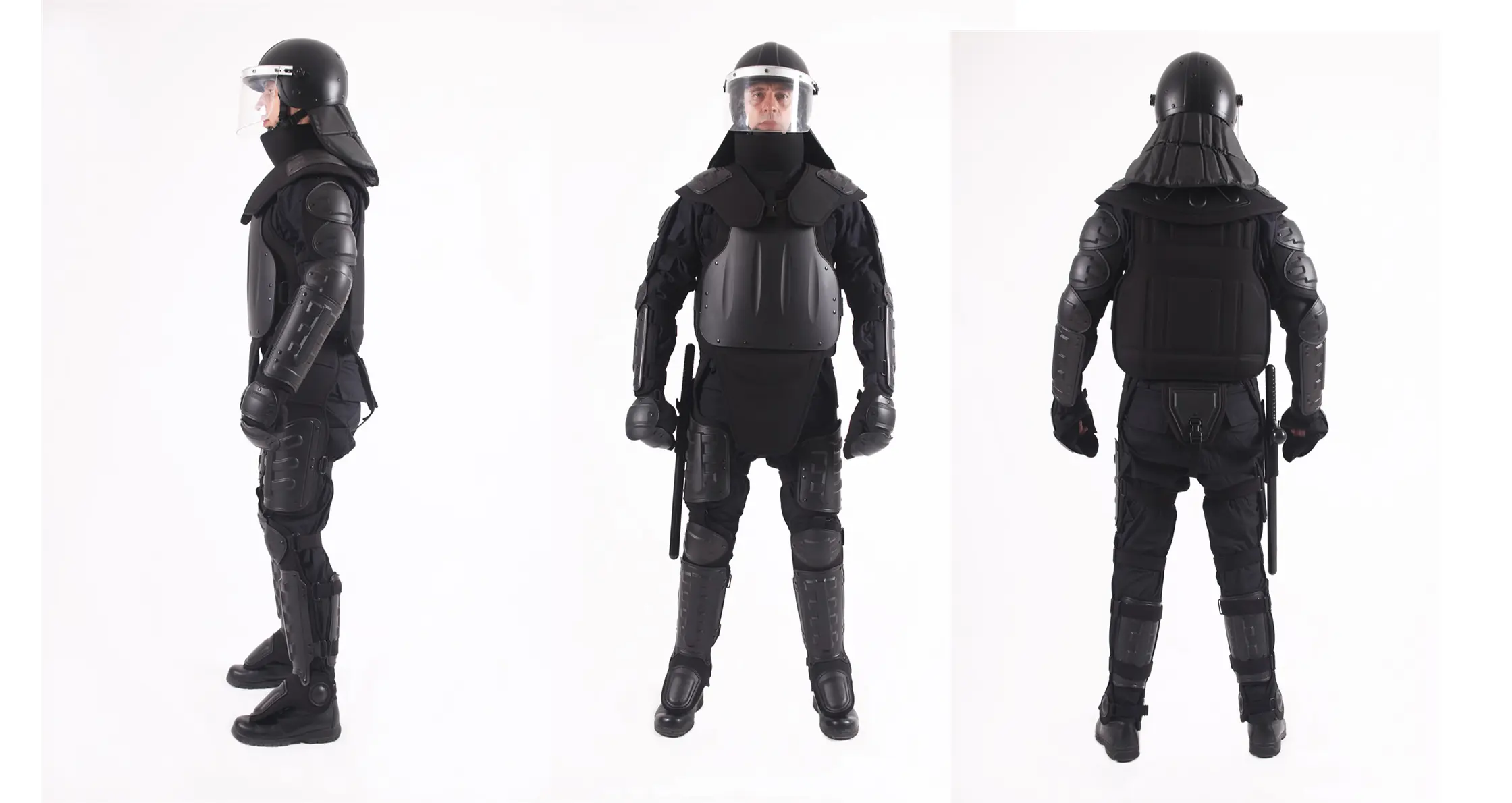
When selecting an Anti Riot Suit, consider the materials used. Stronger, lighter fabrics often offer better mobility and comfort. Look for features that provide adequate coverage, such as reinforced padding and protective helmets. Each detail can enhance your defense in challenging environments.
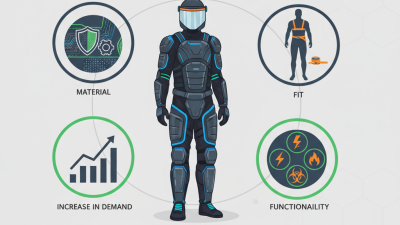
It's easy to overlook the importance of fit. A poorly fitting suit may limit movements. This could lead to vulnerabilities in critical moments. Reflect on what you truly need for your safety. Choosing wisely requires careful consideration of all available options.
Understanding the Purpose and Importance of Anti-Riot Suits
Anti-riot suits serve a vital role in ensuring safety during civil unrest. They protect against various threats, including projectiles and chemical agents. Understanding their importance can help individuals make better choices. These suits are designed to absorb impact and reduce injury risks. Their materials are crucial for both durability and comfort.
Many people overlook details when choosing a suit. The fit is often disregarded, yet it can affect mobility. A tight suit may restrict movement, while a loose one might not provide adequate protection. The quality of materials is another factor to consider. Not all fabrics perform the same under stress. Some may tear or fail when needed most.
In emergencies, every second counts. The right suit can make a difference. Individuals should reflect on their unique needs. Do they expect close encounters? What environments will they face? Thinking critically about these questions is essential. Anti-riot suits should be a balance of safety and practicality.
Key Features to Consider When Selecting an Anti-Riot Suit
When choosing an anti-riot suit, focus on key features that ensure safety and protection. Material strength is crucial. Look for high-quality fabrics that resist punctures and abrasions. The suit should be lightweight for mobility. Heavy suits may hinder quick reactions.
Fit and comfort matter too. An ill-fitting suit can restrict movement. Check for adjustable straps and flexibility in the design. Breathability is another important feature. A well-ventilated suit prevents overheating during intense situations. Without airflow, discomfort can lead to poor decision-making.
Consider the level of protection offered. Some suits provide added armor in vital areas. These can be essential for protecting against blunt force. Yet, extra armor might add weight. Reflect on the trade-offs. Ultimately, personal comfort and security must align with the suit's design.
How to Choose the Right Anti Riot Suit for Safety and Protection? - Key Features to Consider When Selecting an Anti-Riot Suit
| Feature |
Description |
Importance |
| Material |
Durable, lightweight, and resistant to cuts and abrasions. |
High |
| Mobility |
Should allow freedom of movement while wearing the suit. |
High |
| Ventilation |
Incorporated ventilation systems to reduce heat build-up. |
Medium |
| Visibility |
Bright colors or reflective materials for higher visibility. |
Medium |
| Protection Level |
Level of protection against blunt force, chemicals, and environmental hazards. |
High |
| Size Options |
Various sizes for a proper fit on different body types. |
Medium |
| Customization |
Ability to add patches, insignia, or additional features as needed. |
Low |
Assessing the Materials and Construction for Durability and Comfort
Choosing the right anti-riot suit involves critical considerations, particularly regarding
materials and construction. The durability and comfort of these suits
are paramount for effective protection. High-quality suits often use materials like aramid fibers.
These fibers provide excellent resistance to cuts and abrasion. They can withstand intense conditions and maintain integrity over time.
Another essential aspect is the suit's construction. Seams must be reinforced to resist tearing under stress.
According to industry reports, suits with double-stitched seams offer 30% more durability than
single-stitched options. Additionally, a lightweight design contributes to comfort. Comfort is vital, as it ensures
improved mobility, allowing users to react quickly in challenging situations.
Tips: Always check for moisture-wicking linings. These can keep the wearer dry and prevent overheating.
Consider customization options, as a tailored fit enhances both comfort and functionality. Remember that the price is not always a reflection of quality.
A cost-effective suit can provide the necessary protection if made of the right materials. Evaluate your needs carefully to avoid potential risks.
Evaluating Fit and Size for Maximum Protection and Mobility
Choosing the right anti-riot suit involves careful consideration of fit and size. A suit that is too tight can restrict movement. Conversely, a loose suit may not provide adequate protection. It's crucial to find a balance.
When trying on a suit, pay attention to how it feels while moving. Bend your knees and raise your arms. If you can’t do these movements comfortably, the fit is probably not right. Consider the length of sleeves and legs too. These elements should cover your body completely without being overly baggy. Often, people overlook these details, which can compromise safety.
Not all anti-riot suits are created equal. The materials used can impact mobility and comfort. Some might be heavy, adding unnecessary strain. Finding a lighter suit can enhance your agility. However, lighter doesn't always equal better protection. This balance requires thoughtful selection and reflection. Always remember, the goal is protection and mobility, not just a good appearance.
Comparing Different Brands and Models for Optimal Performance
Choosing the right anti-riot suit is crucial for safety. There are several brands and models available. Each is designed to meet specific needs in high-risk situations. The materials used can vary widely. Some offer better flexibility, while others provide improved durability. Consider the weight of the suit as well. A heavier suit may protect better, but it can limit movement.
Performance varies with each model. Some suits feature reinforced areas, which may help in specific scenarios. Breathability is another important factor. A suit that retains heat can lead to fatigue. Reviews often highlight comfort, which should not be overlooked. Personal experiences can guide your decision. Try on suits for fit. Local regulations may influence your choice too.
Ensure that you check the coverage offered. Some suits leave areas exposed. This might hinder overall protection. It's also worth reflecting on your intended use. A suit ideal for protest might not work in a different setting. Each model has strengths and weaknesses. Assess what matters most for your safety.