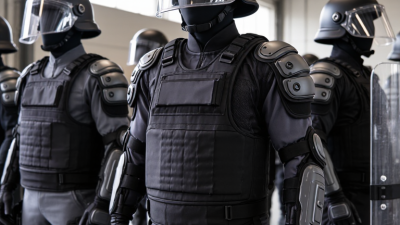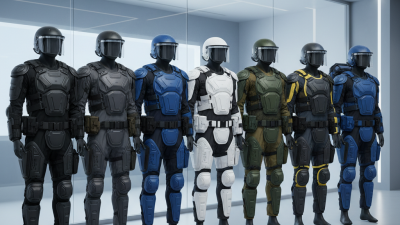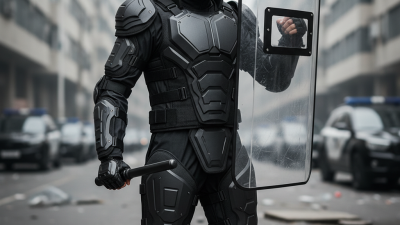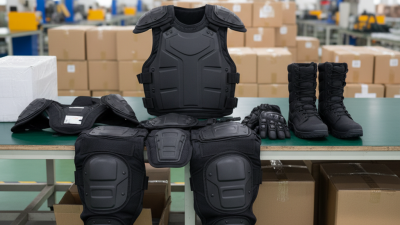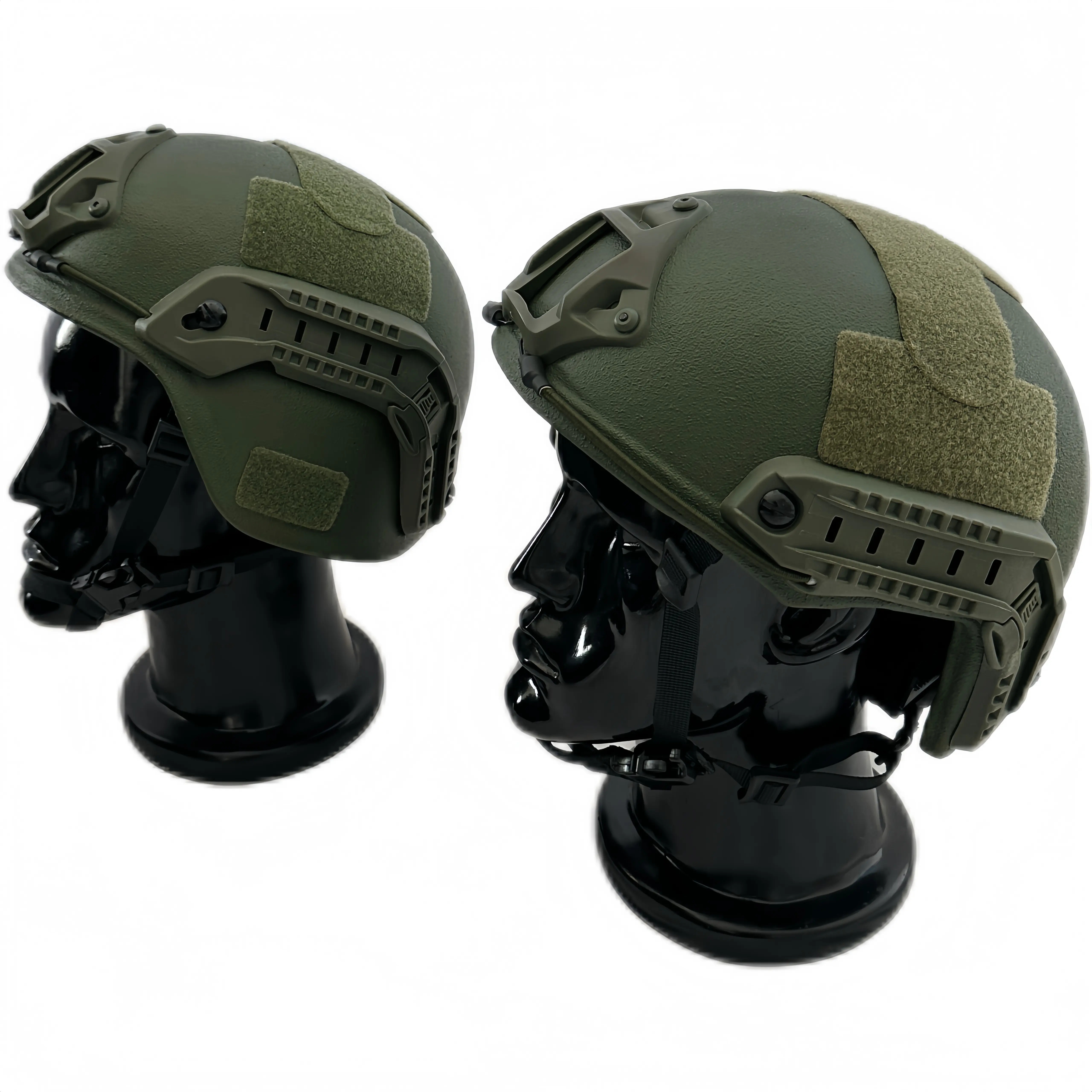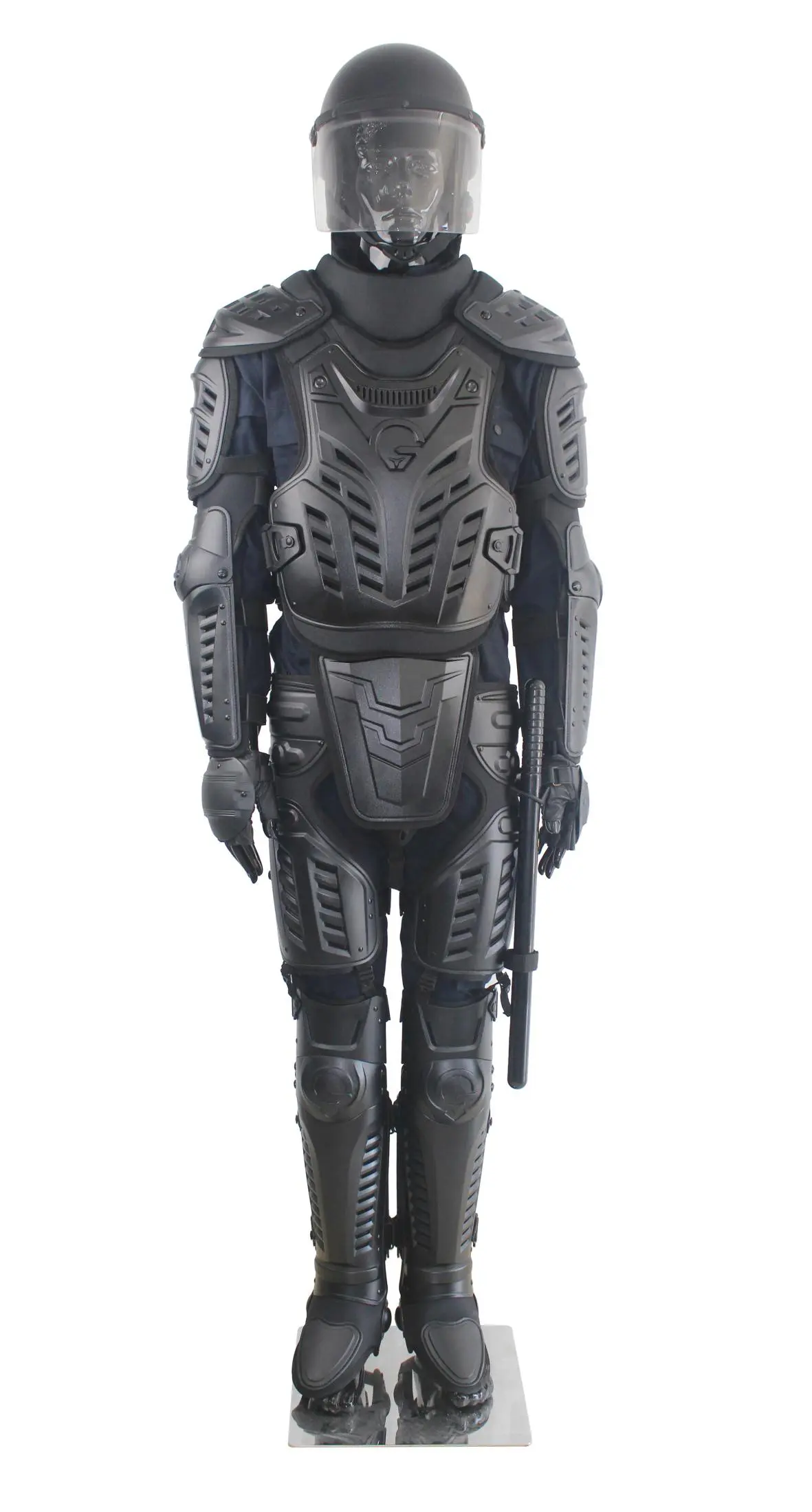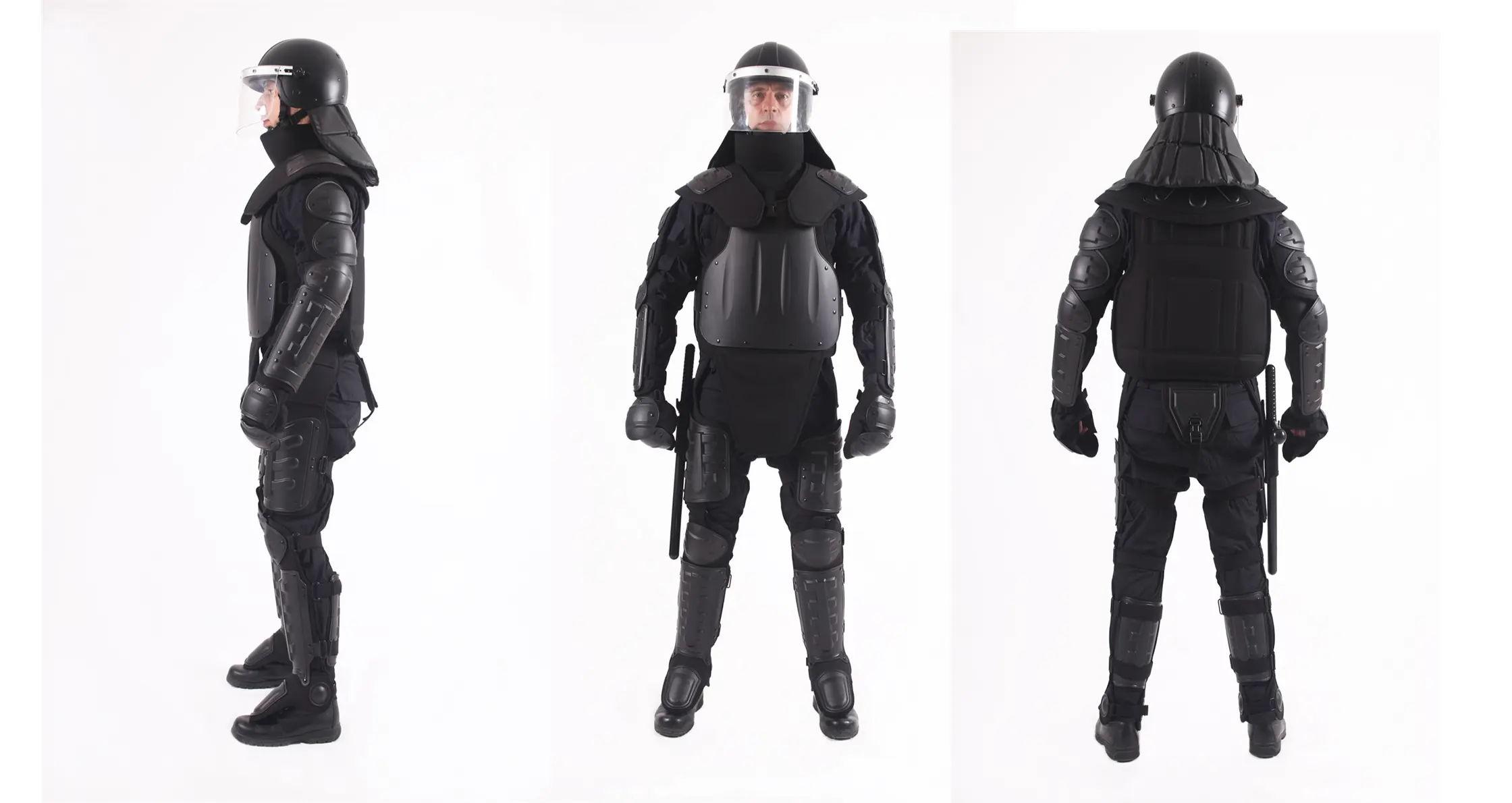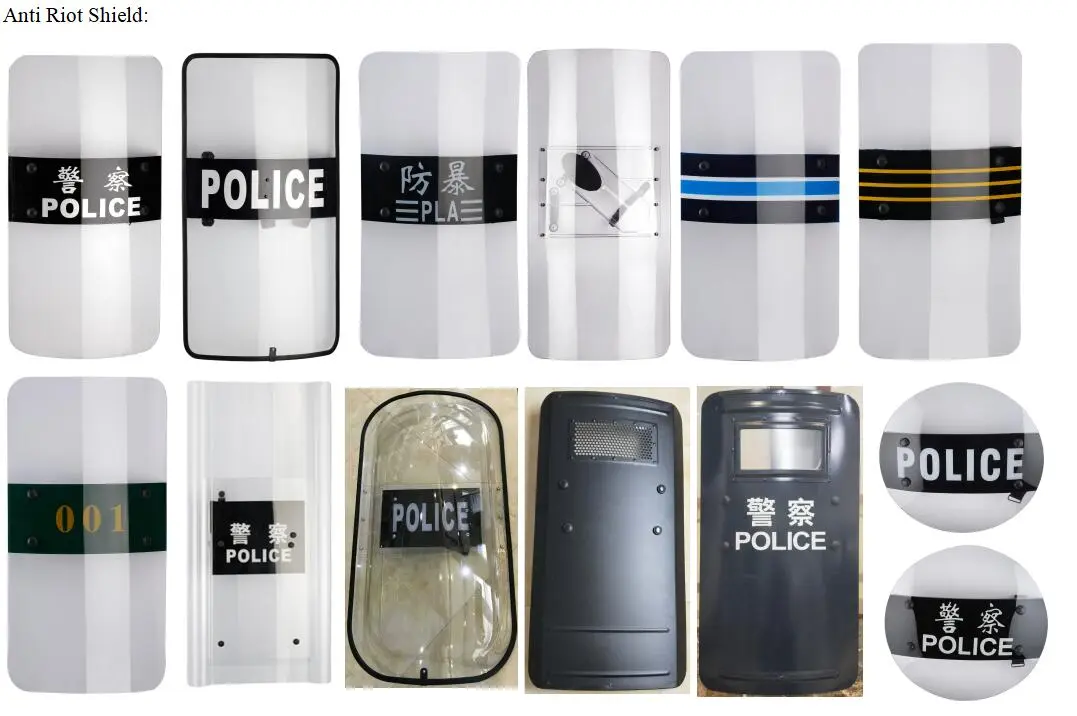
Global procurement of Anti Riot Gear in 2026 requires more than comparing prices and product photographs. Buyers must examine protection, lawful use, user safety, traceability, and long-term service. A helmet may look strong, yet fail after repeated impact testing. A shield may provide coverage, but poor visibility can create dangerous hesitation. Small details matter.
Former United Nations Special Rapporteur Christof Heyns stated, “The use of force must always be guided by the principles of legality, necessity, proportionality and accountability.” This principle should shape every procurement decision. Anti Riot Gear must support public safety, not encourage excessive force or unlawful conduct. Procurement teams should request independent test reports, material specifications, batch records, warranty terms, and clear instructions for safe use. They should also confirm that products meet the laws and recognized standards of each destination market.
Field experience reveals another concern: equipment designed for one climate may perform poorly elsewhere. Heat, rain, dust, and extended wearing time can change comfort and reliability. Suppliers should provide practical demonstrations, not only polished catalog images. User feedback is essential. It can expose problems that laboratory testing misses.
No supplier is perfect. That deserves honest attention. Buyers should question vague claims, incomplete certificates, and unusually low prices. They should also review disposal procedures and replacement schedules. A dependable Anti Riot Gear program combines responsible design, documented quality control, ethical training, and continuous review. That is the real starting point for global procurement in 2026.
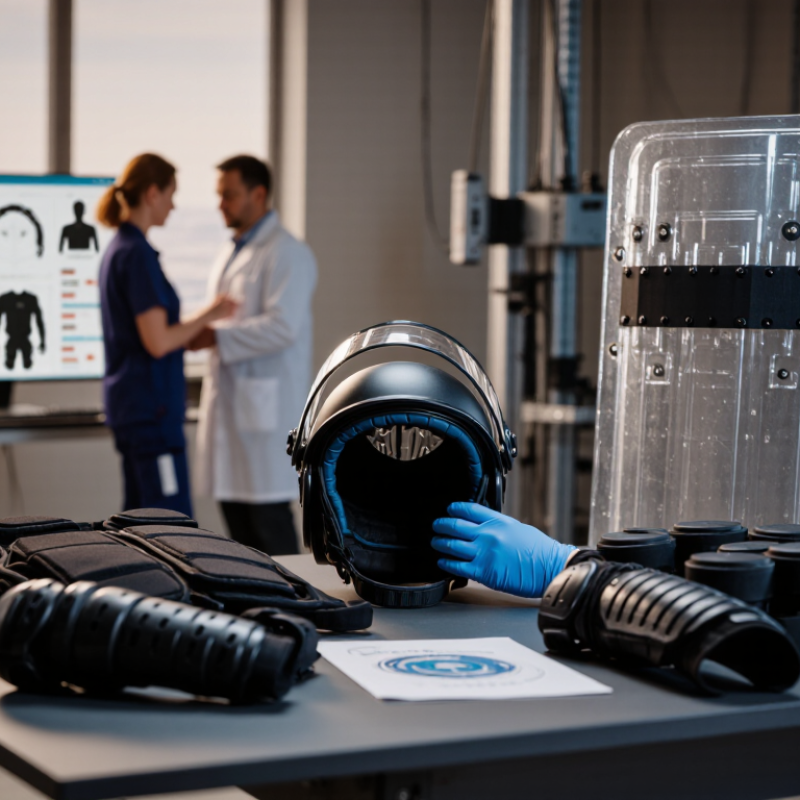
Choosing anti-riot gear for global procurement starts with mission definition, not catalog browsing. Define the environment, user role, climate, visibility, mobility, and expected crowd-management duties. A helmet that works in a cool warehouse may become unsafe in tropical heat. The same applies to shields, protective clothing, gloves, and hearing protection. Record measurable requirements, including weight, impact resistance, field of vision, ventilation, and cleaning procedures. SIPRI reported global military expenditure of 2.44 trillion US dollars in 2023, showing the scale of security procurement. Scale, however, does not replace careful governance.
Legal boundaries must be written into every purchase file. Review domestic law, export controls, customs rules, public-sector procurement rules, and end-user documentation before requesting quotations. The UN Human Rights Guidance on Less-Lethal Weapons in Law Enforcement stresses necessity, proportionality, accountability, and medical risk assessment. Equipment should support lawful protection, not intensify harm. Require independent test reports, traceable materials, user training, inspection records, and after-use reporting. Avoid vague claims such as “maximum protection.” They are difficult to audit.
Tips: Build a compliance matrix before selecting suppliers. Ask who may use each item, under what authority, and with what supervision. Check fit using real uniforms and body sizes. A checklist can still miss local realities. That weakness deserves review. Also include repair, replacement, storage, and disposal costs. UN procurement guidance repeatedly emphasizes transparency and documented evaluation, yet rushed projects often treat paperwork as secondary. That is a preventable mistake.
Global procurement should begin with protection standards, not appearance. ISO 13688 defines basic requirements for protective clothing, including sizing, labeling, and ergonomics. It does not prove complete impact protection. NIJ 0115.00 addresses stab resistance, but it is not a universal riot-gear benchmark. Buyers should request test reports matching the actual threat profile, climate, and duty duration.
Material selection affects comfort and performance. Aramid fabrics offer strong heat resistance, while UHMWPE can reduce weight. Polycarbonate shields provide clear visibility, but scratches and cold temperatures may reduce field performance. Closed-cell foam can absorb repeated impacts, although it may retain heat during long deployments. The International Labour Organization reported nearly 3 million work-related deaths and 395 million non-fatal injuries annually in 2023. This data supports a wider procurement view: fit, mobility, and fatigue control matter alongside laboratory protection.
Tips: Ask for independent test results, batch traceability, abrasion data, and cleaning instructions. Check vision angles, glove dexterity, ventilation, and replacement intervals. A perfect laboratory score can still fail during rain, heat, or prolonged movement. I would also run wear trials with different body sizes. That step is easy to skip, and often regretted. Industry market reports may forecast strong protective-equipment growth, but forecasts do not validate product quality. Compare measured performance, not marketing language.
Assessing Protection Standards, Materials, and Product Performance
The suggested weighting prioritizes verified compliance with applicable standards, followed by impact and penetration resistance. Material durability, coverage, mobility, traceability, and supply continuity should also be assessed through independent laboratory reports, technical specifications, and field-use testing. Standards such as EN, ISO, and NIJ should be matched to the intended product category and destination-market requirements.
How to Choose Anti Riot Gear for Global Procurement in 2026?
Selecting protective gear for public safety teams requires more than comparing catalog prices. Start with the supplier’s manufacturing history, quality controls, and documented testing process. Request product samples before placing large orders. Inspect stitching, visor clarity, fasteners, padding, and size consistency. Ask for batch traceability and clear replacement procedures. A professional supplier should provide technical files, user instructions, and responsive after-sales support.
Certifications need careful review. Check whether products meet the standards required in the destination market. Independent laboratory reports are more useful than general claims. Confirm the laboratory’s accreditation, testing date, and product model. ISO 9001 certification can indicate a quality management system, but it does not prove product performance. That distinction matters. Local import rules, labeling requirements, and workplace safety regulations may also differ.
Cost comparisons should include the full landed cost. Add freight, insurance, customs duties, inspection fees, training, storage, and spare components. A cheaper helmet may become expensive after frequent replacement. Global availability depends on production capacity, lead times, regional warehouses, and political or transport disruptions. Ask suppliers to disclose realistic delivery windows. A written contingency plan helps, but it is never perfect. Small trial shipments can expose packaging, sizing, or documentation problems early. Procurement teams should record those lessons and revise their specifications instead of defending an outdated checklist.
Procurement comparison matrix for lawful public-order protection, training, and emergency-response applications
| Equipment Category | Key Procurement Dimensions | Relevant Standards or Verification Benchmarks | Indicative 2026 Unit Cost (USD) |
Typical MOQ | Typical Production Lead Time | Global Availability | Supplier Evaluation Points |
|---|---|---|---|---|---|---|---|
| Protective Helmet | Impact resistance, visor coverage, ventilation, hearing compatibility, adjustable fit, replacement parts | Product-specific impact testing; EN 397 may apply only where the helmet is designed and certified as an industrial safety helmet; require independent test reports for riot-use claims | $35–$140 | 50–200 units | 4–10 weeks | Widely available across Europe, North America, Asia-Pacific, the Middle East, Africa, and Latin America | Check shell material, visor retention, size range, spare visor availability, and batch-level quality records |
| Face Shield and Eye Protection | Optical clarity, anti-fog performance, scratch resistance, impact protection, compatibility with helmets and respirators | EN ISO 16321-1:2022 or applicable national adoption; verify impact class, optical class, UV performance, and chemical resistance where relevant | $8–$55 | 100–500 units | 3–8 weeks | High availability; replacement lenses may have longer lead times | Request test results for the exact lens and coating configuration, not only a generic product-family certificate |
| Protective Shield | Coverage area, transparency, mass, grip ergonomics, edge protection, heat and chemical resistance | BS 7971-3:2002 may be used as a shield benchmark where accepted by the buyer; require declared test methods for impact, heat, and chemical exposure | $45–$220 | 25–150 units | 5–12 weeks | Available globally, but oversized freight can materially increase landed cost | Compare shield dimensions, weight per square metre, handle replacement, packaging, and freight volume |
| Body and Limb Protection | Coverage, mobility, ventilation, joint articulation, abrasion resistance, attachment system, cleaning method | ISO 13688:2013 for general protective-clothing requirements where applicable; EN 13546 may be relevant to selected protective equipment; require product-specific impact and abrasion evidence | $80–$320 per set | 50–300 sets | 6–14 weeks | Good availability, with sizing and colour customization increasing lead time | Conduct wear trials, confirm size grading, inspect stitching and closures, and obtain washing and care instructions |
| Protective Gloves | Cut and abrasion resistance, dexterity, grip when wet, wrist retention, seam durability, touchscreen compatibility | EN 388:2016+A1:2018 for mechanical risks; verify the individual performance levels shown on the test report and product marking | $15–$75 per pair | 100–500 pairs | 3–8 weeks | Very high global availability | Check whether test results cover the actual palm material, liner, coating, and finished construction |
| Respiratory Protection | Face seal, filter compatibility, breathing resistance, field of vision, decontamination, fit-testing requirements | EN 136 for full-face masks and EN 14387 for gas and vapour filters where applicable; NIOSH approval may be required for certain United States procurements | $25–$160 per set, excluding recurring filters | 25–200 sets | 4–12 weeks | Broad availability, but filters and replacement seals may be controlled or region-specific | Verify approval number, filter shelf life, storage conditions, fit-test documentation, and local legal requirements |
| Protective Clothing | Flame behaviour, tear strength, seam strength, moisture management, visibility, colourfastness, laundering life | ISO 13688:2013 for general protective-clothing requirements; EN ISO 14116 may apply to limited-flame-spread clothing when that hazard is specified | $45–$180 per garment | 100–500 garments | 5–12 weeks | High availability; custom fabric, colour, and reflective layouts require additional time | Request fabric composition, shrinkage data, colourfastness results, and a defined replacement schedule |
| Protective Footwear | Slip resistance, ankle support, puncture resistance, heat tolerance, waterproofing, outsole durability | EN ISO 20345:2022 where safety footwear requirements apply; verify the exact designation and optional performance markings | $45–$170 per pair | 50–300 pairs | 4–10 weeks | Widely available; uncommon sizes may require consolidated purchasing | Confirm sizing conversion, outsole test results, toe-cap type, replacement policy, and field comfort |
| Ballistic or Stab-Resistant Inserts | Threat level, coverage, weight, flexibility, environmental durability, carrier compatibility, service life | NIJ Standard 0101.06 or 0101.07 for applicable ballistic armor; NIJ Standard 0115.00 for stab resistance; always verify the exact tested configuration | $120–$650 per insert | 25–200 units | 6–16 weeks | Available in major procurement markets; import controls and end-user documentation may apply | Check official certification or compliance listing, lot traceability, warranty period, storage limits, and export restrictions |
| Training and Replacement Components | Spare visors, straps, buckles, filters, pads, gloves, cleaning kits, storage cases, training simulators | Must match the original equipment specifications; request compatibility confirmation and material safety documentation | $5–$120 per item | 25–500 items | 2–8 weeks | Availability varies significantly by equipment category and region | Include spare-parts pricing, minimum order quantities, product discontinuation notice, and after-sales response time |
Global procurement of anti-riot protective gear requires careful planning before supplier discussions begin. Define the lawful end use, user profile, climate, and operating environment. Protective helmets, shields, body protection, and respiratory equipment need separate specifications. Do not assume one standard fits every market. Local authorities may require different testing documents, labeling, or material disclosures. Experienced buyers create a country-by-country sourcing matrix before requesting quotations.
Quality control should combine documents with physical inspection. Request test reports, material certificates, product drawings, and batch traceability records. Inspect sample dimensions, fasteners, visibility, ventilation, and surface finish. Check whether protective components remain functional after controlled impact testing. A factory audit can reveal weak storage practices or inconsistent assembly. Samples may look excellent. Mass production can differ. No checklist is perfect. Independent laboratory verification is worthwhile for critical components, although smaller buyers may struggle with its cost.
Logistics planning must protect equipment from moisture, crushing, and temperature damage. Use shock-resistant cartons, internal separators, and clear carton markings. Confirm container dimensions before purchase orders are signed. Customs compliance depends on accurate product descriptions, tariff classification, origin records, invoices, and packing lists. Avoid vague terms that delay clearance. Verify import permits, labeling rules, and documentation with local customs professionals. Keep records matching the shipped quantities and specifications. A small paperwork mismatch can hold a complete shipment at the border. Review insurance coverage, inspection points, and emergency contacts before dispatch.
Global procurement of anti-riot gear in 2026 should begin with policy, not product selection. Organizations must define lawful use, proportionality, and civilian safety before issuing equipment. Procurement teams should consult legal advisers, medical professionals, field trainers, and community representatives. Their input can expose risks that technical specifications often miss. Every item needs documented limits, approved users, and clear accountability.
Tips: Create a written deployment policy before purchasing. Require scenario-based training, de-escalation practice, medical response, and accurate incident reporting. Train supervisors to stop misuse immediately. Use practical exercises with protective equipment, but avoid normalizing aggressive behavior. Records should show who trained, when training occurred, and which skills require renewal.
Maintenance also needs structure. Inspect helmets, shields, protective clothing, and communication equipment after every deployment or exercise. Store items in dry, clean spaces, away from direct sunlight and chemicals. Set replacement dates based on manufacturer guidance, inspection results, and actual wear. Damaged equipment should be quarantined, not quietly returned to service. Independent audits can strengthen reliability, although small organizations may struggle with cost and staffing. That weakness deserves honest review. A policy can look complete on paper while failing during heat, stress, noise, or confusion. Annual reviews should examine complaints, injuries, equipment failures, and training gaps. Ethical procurement remains unfinished until lessons change future decisions.