2026 How to Choose the Best Riot Armor for Personal Safety?
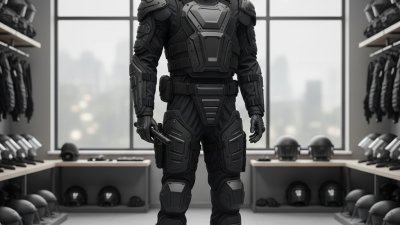
In today's world, personal safety is a growing concern. Many individuals and organizations are exploring options to enhance their protection. One key solution is the use of Riot Armor. This specialized gear is designed to shield users from various threats, including projectiles and chemical agents.
Choosing the right Riot Armor can be overwhelming. With numerous options available, it's crucial to understand the essential features that differentiate them. Factors such as material strength, weight, and flexibility play significant roles in ensuring effective protection. Even a minor flaw in choosing equipment can lead to serious risks.
Moreover, personal comfort cannot be overlooked. A rigid armor may offer great defense, but its impracticality can hinder movement. Therefore, balancing safety and usability is paramount. As you consider Riot Armor, reflect on your specific needs and the environments you may face. Each decision matters in ensuring your safety and readiness.
Identifying the Key Features of Riot Armor for Personal Safety
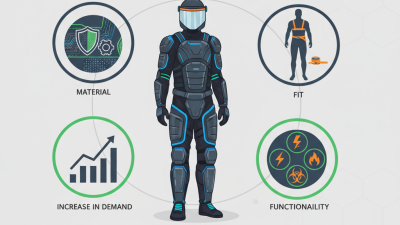
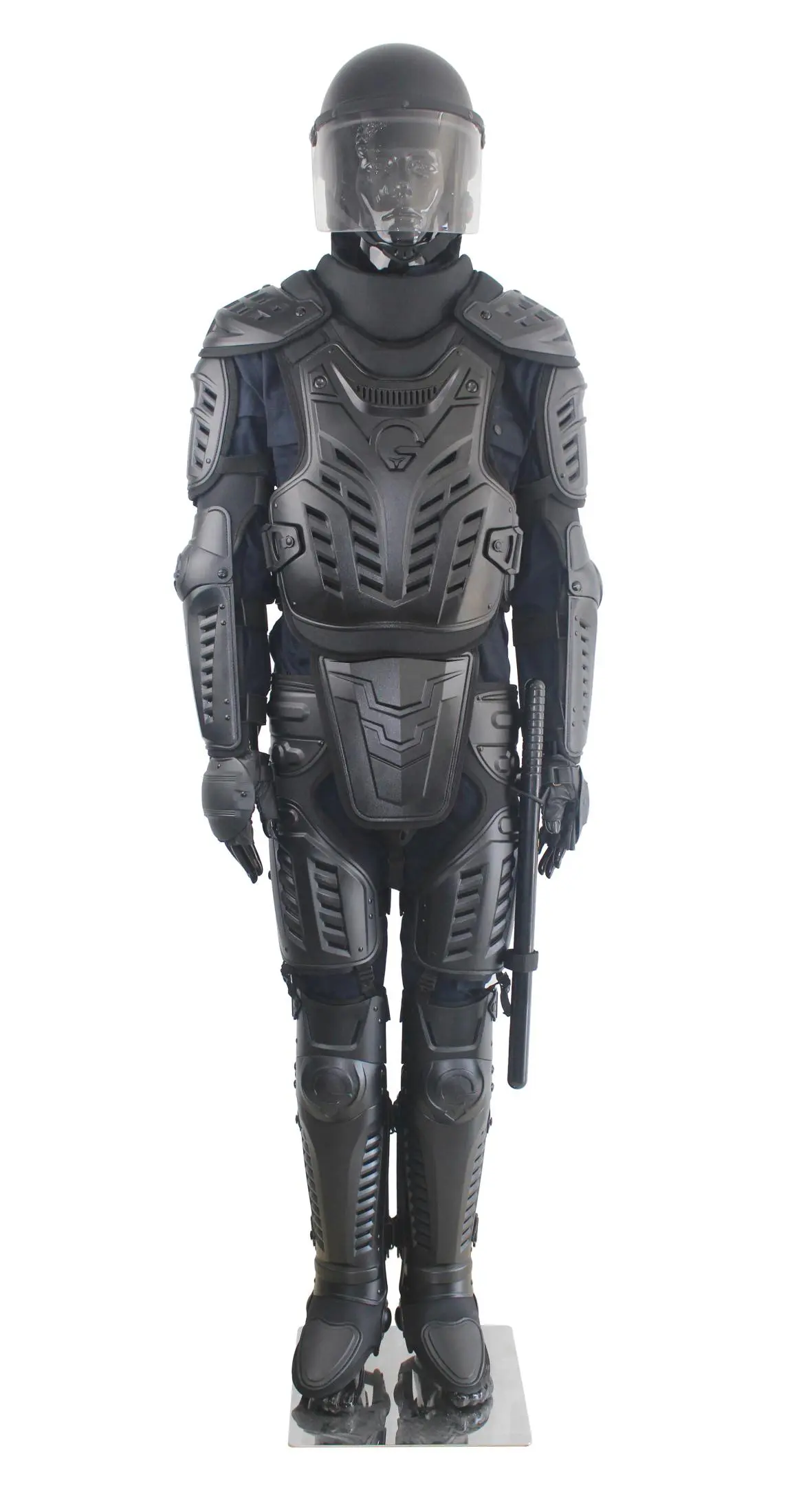
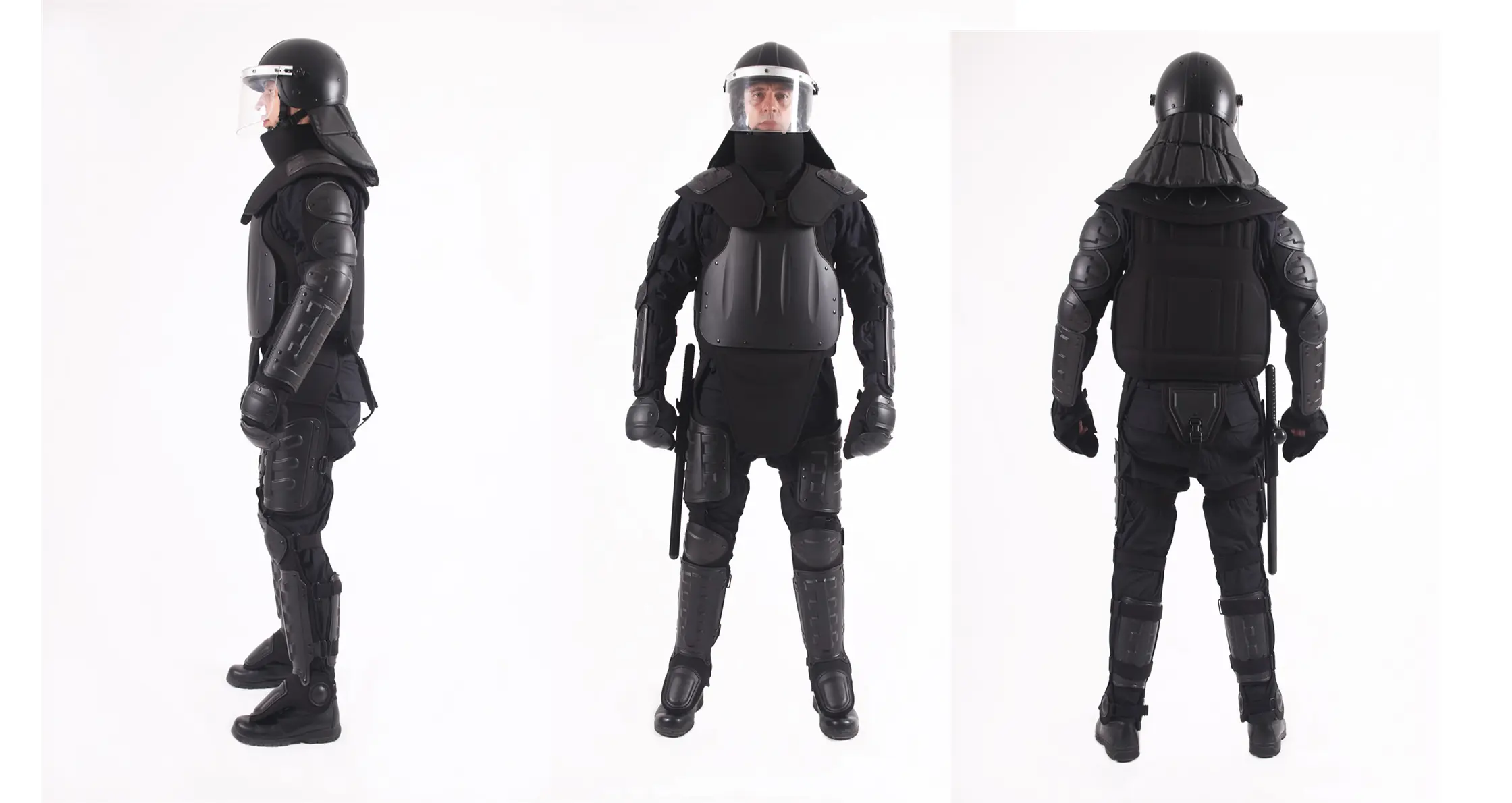
When selecting riot armor for personal safety, it's essential to understand its key features. Look for materials that offer high levels of protection. Many armors use a combination of Kevlar and hard plates. These materials provide a balance of flexibility and defense. The weight of the armor is also a factor. Heavier options might offer better protection but can reduce mobility.
Ventilation is another crucial aspect. Riot situations can be intense and hot. Armor that allows airflow keeps the wearer comfortable. This feature can impact decision-making in critical moments. Consider the fit as well. A well-fitting armor ensures that it does not shift during movement. Poorly fitting gear might hinder quick responses or escape opportunities.
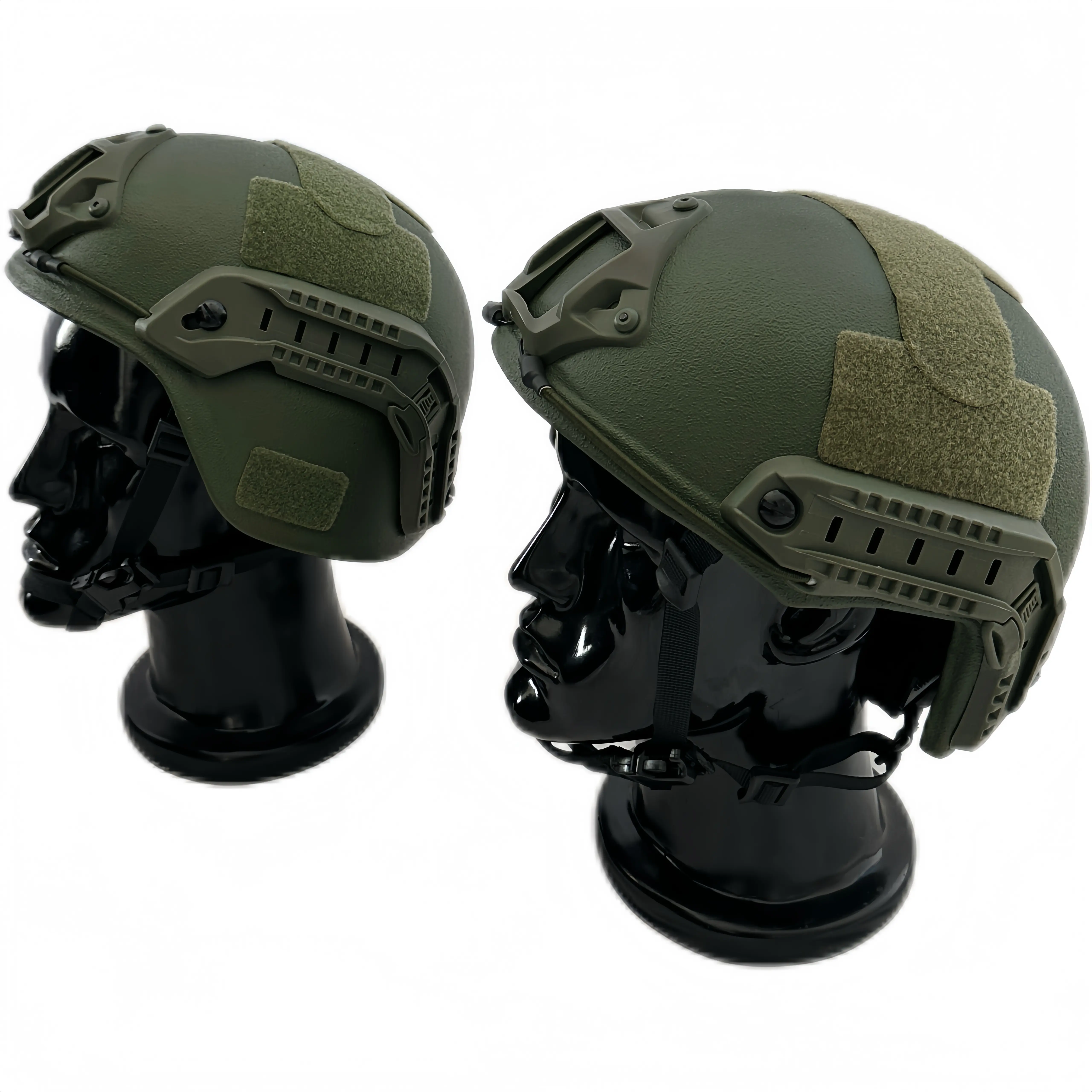
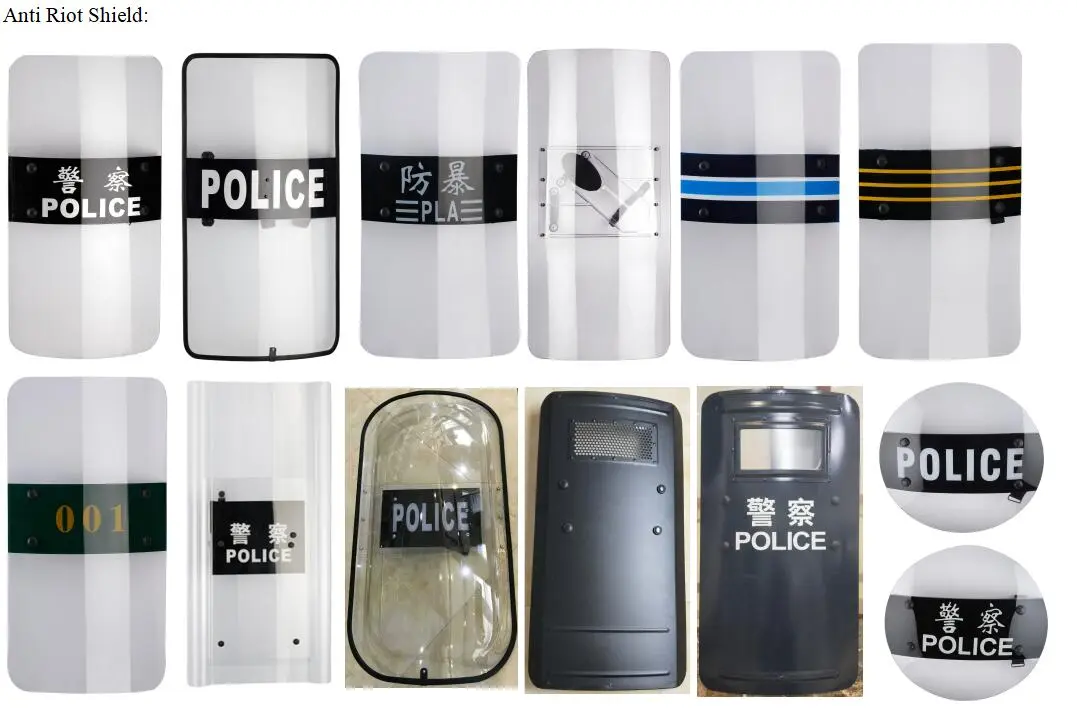
Look for extra protective features, like reinforced padding or face shields. While some opt for minimal gear, it’s vital to reflect on personal needs. Each situation may require different equipment. It’s essential to weigh the pros and cons. Not every piece of armor suits every individual. Understanding these details can lead to better choices for personal safety.
Key Features of Riot Armor for Personal Safety
Understanding Different Types of Riot Armor Available on the Market
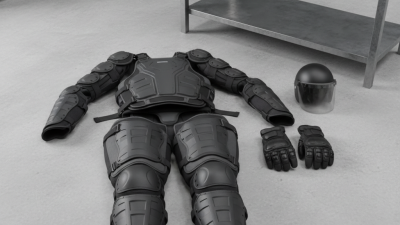
When considering riot armor, understanding the types available is crucial. Various options cater to different threats and environments. Hard armor often features rigid plates and provides high-level protection. This type is excellent for intense situations but can be heavy and restrict mobility. Alternatively, soft armor offers flexibility and comfort. It is made from advanced textile materials, allowing for easier movement during unrest.
It’s important to note that not all armor is created equal. Some may lack appropriate certifications, leading to questions about reliability. Researching materials and construction methods is essential. Look for reputable manufacturers who disclose their testing standards. Awareness of how the armor fits is also vital. A poorly fitted piece greatly reduces effectiveness.
In practice, individuals can feel overwhelmed by choices. Each scenario might call for different gear. It can be difficult to balance comfort and protection. Reflecting on personal needs can guide decisions. Are you attending protests or working in high-risk areas? Taking the time to assess your environment and level of risk can lead you to a more informed choice.
Evaluating the Materials Used in Riot Armor Construction
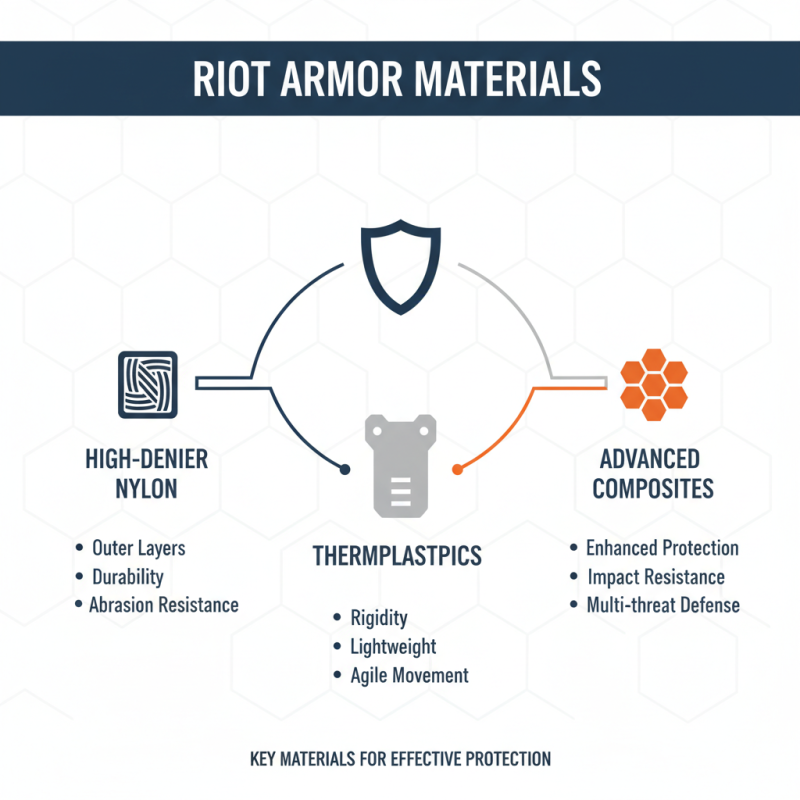
When selecting riot armor, the materials used in its construction are crucial. Typically, riot armor combines synthetic fibers, plastics, and advanced composites. These materials dictate the armor's effectiveness. For instance, high-denier nylon is often used for outer layers. This provides durability and resistance to abrasions. Additionally, thermoplastics can offer rigidity while remaining lightweight. These characteristics allow for agile movement during challenging situations.
Understanding the role of padding and other internal materials is equally important. Foam padding, often made from memory foam, enhances comfort and impacts resistance. Balancing weight and protection can be challenging. While heavier armor may offer more protection, it can restrict movement. This keeps users in a dilemma about safety versus mobility. A thoughtful approach is necessary when considering these trade-offs.
Investing time in research can lead to better choices. Reading reviews and consulting experts may provide insights into material performance. However, many products promise high protection but fail in real-world applications. Ensuring reliability and longevity can sometimes feel like a gamble. The evaluation should not only focus on specifications but also on user feedback. Engaging in active discussions with experienced users can be priceless for informed decisions.
Assessing Comfort and Mobility in Riot Armor Gear
When choosing riot armor, comfort and mobility are crucial. These factors can impact your overall effectiveness. Armor that constricts movement can hinder response times. You want gear that allows quick movements without sacrificing protection.
Materials play a significant role in comfort. Lightweight options provide better mobility. However, they should still offer sufficient protection against various threats. Look for adjustable features. Straps and padding can enhance fit and ease of movement. Avoid overly bulky designs, as they can cause fatigue during prolonged wear.
It's important to assess how the armor feels during use. Test different models to find the right balance. Mobility should not be compromised by comfort. Reflect on your personal needs and situation. The goal is to stay safe while being able to move freely. Remember, the right gear enhances your confidence in challenging situations.
Determining Cost vs. Quality: Finding the Right Balance in Riot Armor
When selecting riot armor, understanding the cost vs. quality is crucial. While high-quality armor provides better protection, it often comes with a hefty price tag. Considering materials, durability, and comfort is essential in making a decision. While cheaper options might be tempting, they can compromise safety during critical moments.
It's important to weigh your individual needs against your budget. Some might prioritize lightweight gear for ease of movement, while others may need heavier protection for high-risk environments. Evaluate what features matter most. Don't be swayed by flashy designs; functionality should be the main concern.
In the quest for the right balance, consider reviews from real users. Look for insights on performance in real-world situations. Keep an eye out for any recurring issues, as these can indicate potential pitfalls. Remember, investing in quality armor can mean the difference between safety and injury.
2026 How to Choose the Best Riot Armor for Personal Safety? - Determining Cost vs. Quality: Finding the Right Balance in Riot Armor
| Armor Type |
Material |
Weight (lbs) |
Price Range (USD) |
Protection Level |
User Rating (out of 5) |
| Ballistic Vest |
Kevlar |
5.0 |
300 - 600 |
IIIA |
4.7 |
| Full Body Armor |
Polycarbonate |
15.0 |
700 - 1200 |
IV |
4.5 |
| Riot Control Suit |
High-Density Foam |
10.0 |
400 - 800 |
Level 3 |
4.6 |
| Helmet |
Fiberglass |
2.5 |
100 - 250 |
IIIA |
4.8 |