How to Choose the Right Armor Suit for Your Needs?
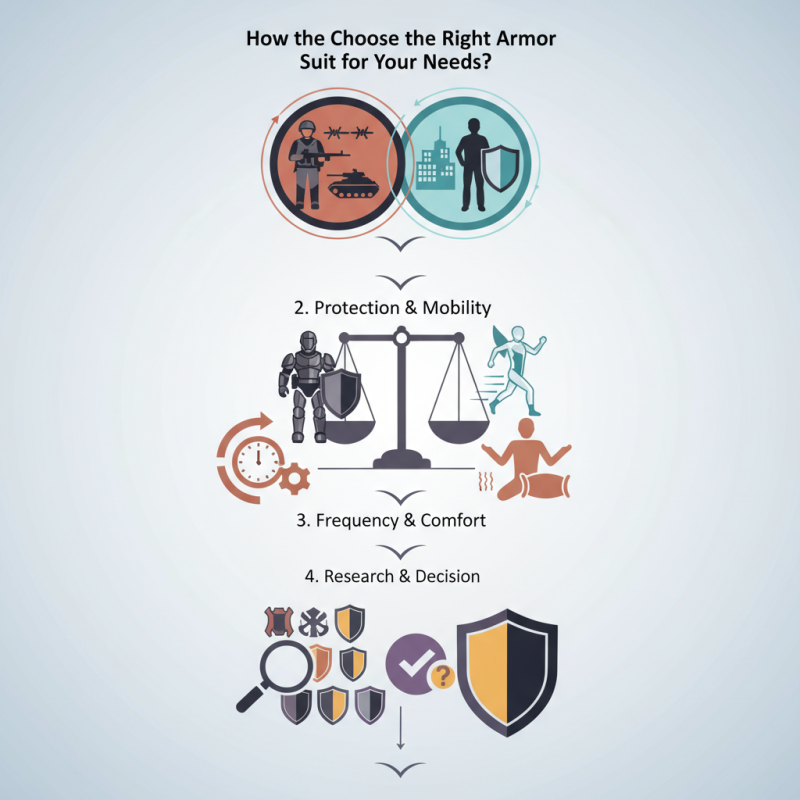
Choosing the right Armor Suit is essential for your safety and comfort. The variety of options can be overwhelming, but understanding your needs is key. Armor Suits are designed for different purposes, from military use to personal defense.
Each type offers unique features and levels of protection. Consider the environment where you'll use the suit. Is it for civilian settings or high-risk areas? Lightweight suits may offer mobility, while heavier ones provide more protection. Reflect on how often you’ll wear it. Durability is crucial, but so is comfort.
It's easy to get caught up in appealing designs. Yet, functionality should be your priority. Be aware of the balance between aesthetics and protection. Research various brands and user feedback. This will help you make a more informed choice for your unique situation.
Understanding the Different Types of Armor Suits Available Today
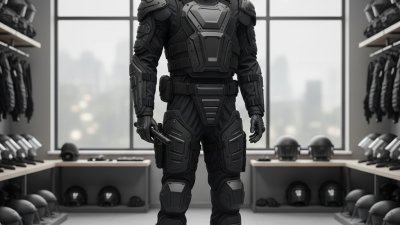
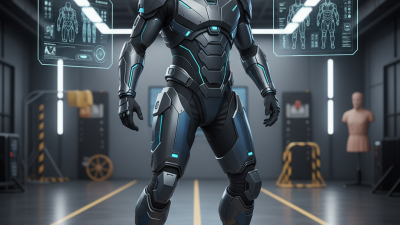
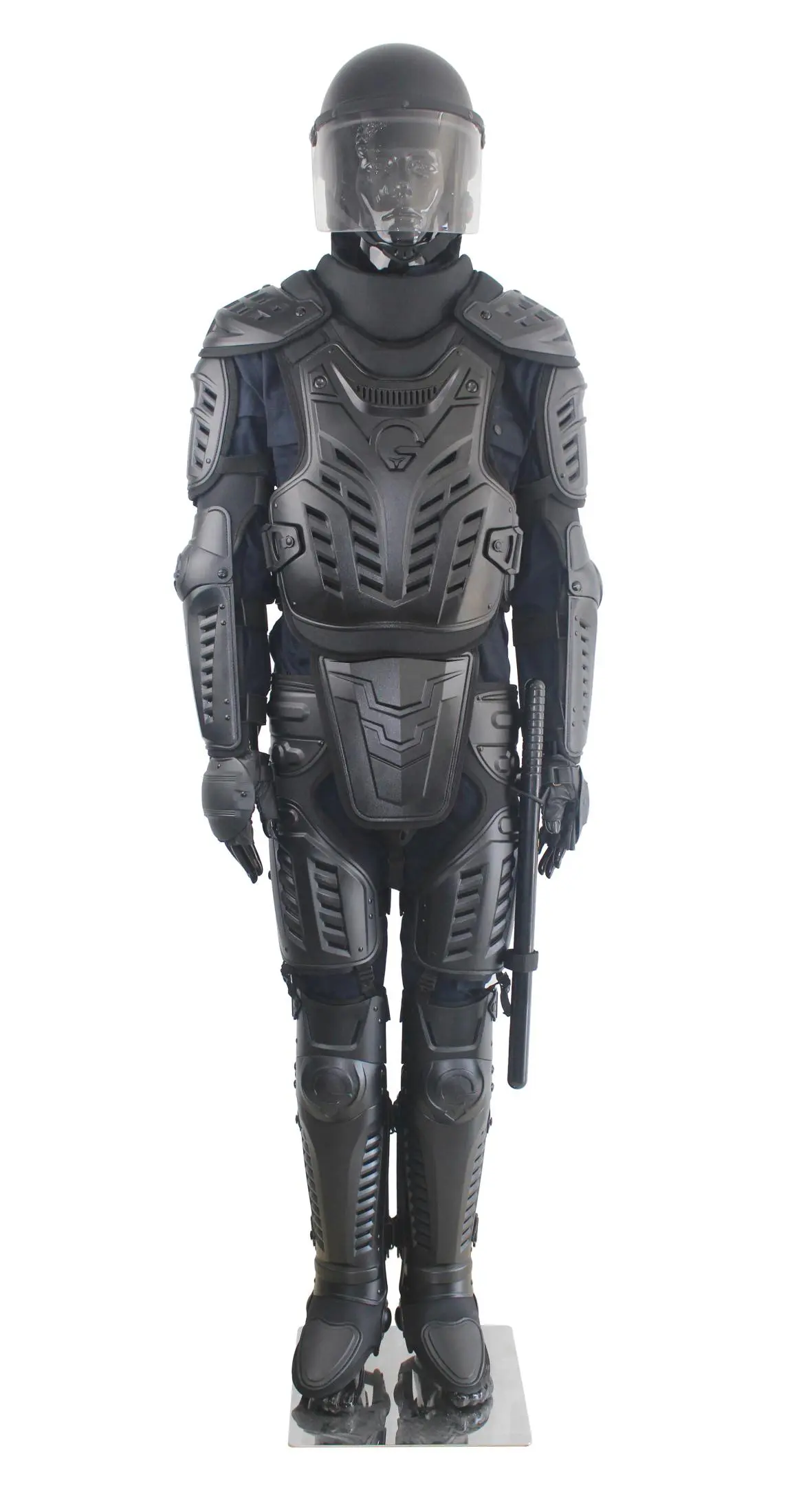
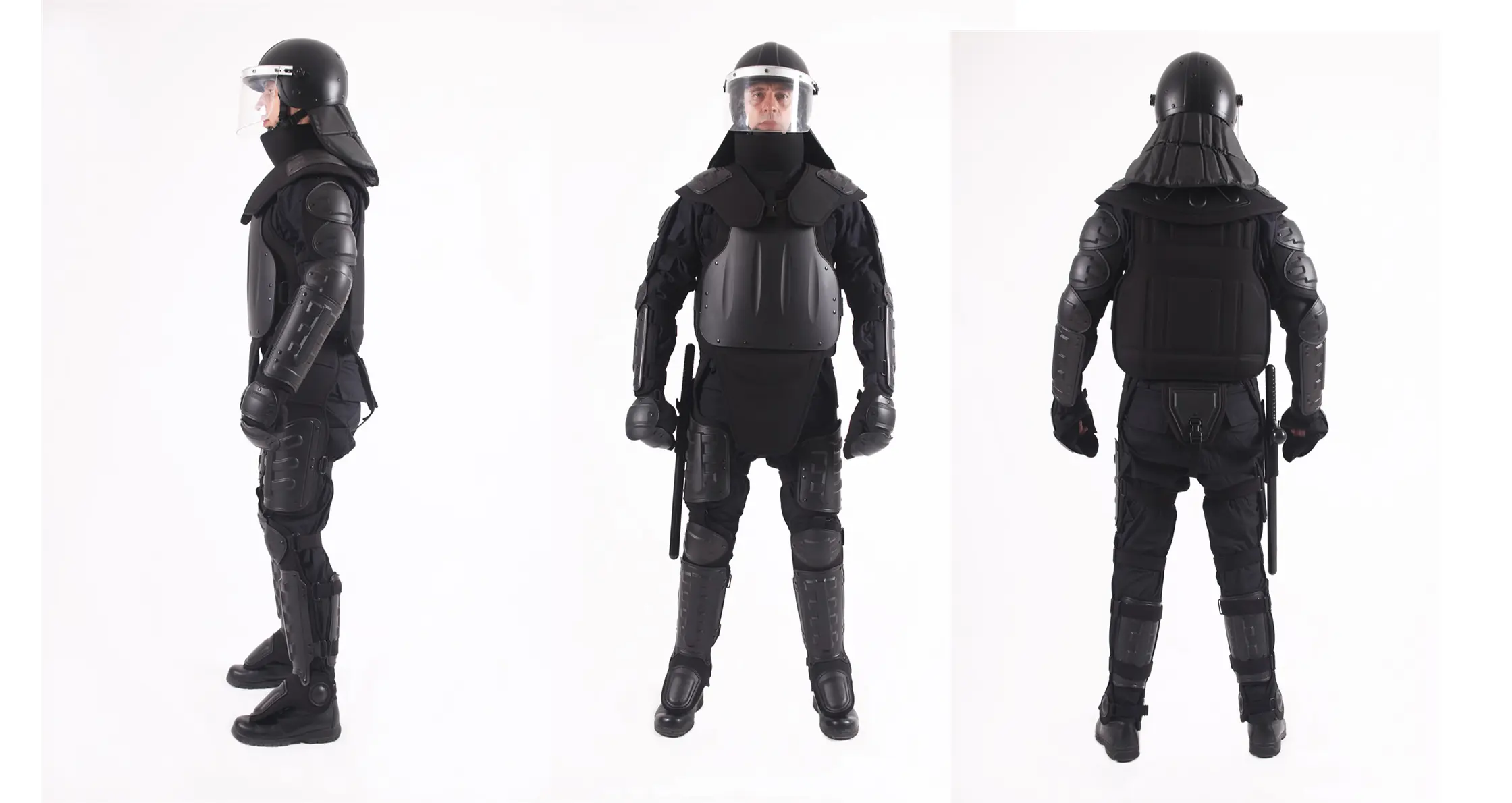
When considering armor suits, it's essential to understand the types available today. There are various styles designed for different situations. Full-body suits offer complete coverage, ideal for combat scenarios. Yet, they can be bulky and limit mobility. For civilian purposes, lighter models are more common, focusing on flexibility.
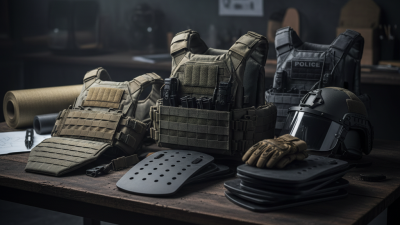
Another option is soft armor, which provides comfort and is suitable for everyday wear. It’s often used by security personnel. However, soft armor may not withstand high-caliber impacts. In contrast, hard armor plates are heavier but can stop more severe threats. Weighing the protection level against comfort is often challenging.
Different materials impact performance. Some suits use advanced fibers, offering durability and lightweight options. Others rely on metal or ceramic plates for protection. However, the balance between weight and defense is tricky. Choosing the right armor suit often requires personal trials and adjustments, highlighting how subjective these needs can be. Understanding your environment is vital but can be overlooked in the excitement of selection.
Assessing Your Personal Needs and Use Cases for Armor
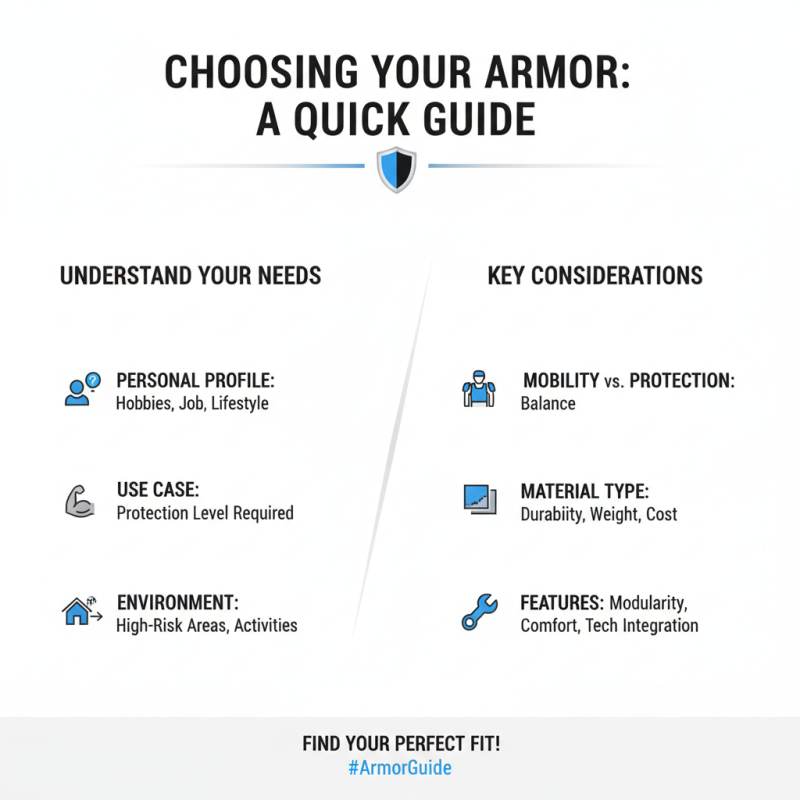
Choosing the right armor suit involves understanding your personal needs and use cases. Everyone's requirements vary. Some may need protection for outdoor activities, while others may require it for professional use. Consider where you will be using the armor. Environments with high risks, like specific jobs or sports, demand different levels of protection.
Look closely at the features. Weight, mobility, and comfort are essential. If the suit is too heavy, it can hinder your movement. On the other hand, a lightweight option may offer less protection. Think about the fabric as well. Breathable materials can help in warmer weather, but you might sacrifice some durability.
It’s important to reflect on your preferences. Do you value style over function? Can you compromise comfort for added security? Each choice has its downsides. Not every suit will fit perfectly or provide all the features you desire. Take the time to assess and weigh your options carefully. This process can help you make a better-informed decision that suits your situation effectively.
Evaluating Fabric and Material Quality for Optimal Protection
When selecting an armor suit, the fabric and material are crucial. Different materials provide varying levels of protection and comfort. Many options are available, ranging from synthetic fibers to natural textiles. Each type has its pros and cons. For example, synthetic fibers often resist wear but may become uncomfortable in heat. Natural materials, like cotton, can be breathable yet less durable.
Quality matters. Inspect the stitching, seams, and overall construction. Poor stitching may compromise safety. Thin layers could tear easily, reducing protection. Look for reinforced areas, especially at high-risk points. These subtle details can make a significant difference.
Think about your specific needs. Do you require flexibility? Some materials are rigid, while others allow more movement. This aspect often goes unnoticed. Experiment with different fabrics to see how they feel. Reflection on comfort and usability is essential. Comfort affects performance in high-stress situations. Make informed choices to ensure reliability when it matters most.
Material Quality Comparison for Armor Suits
This chart compares the impact resistance of various armor suit materials. Each material has been evaluated for its performance in joules, highlighting the effectiveness of different fabrics and materials in providing optimal protection. Kevlar, Dyneema, Steel, Ceramic, and Polyethylene are the main materials discussed.
Key Features to Look for When Selecting an Armor Suit
Choosing the right armor suit is crucial. Many factors come into play during the selection process. One key feature is the material.
Look for lightweight yet durable fabrics. These materials provide comfort and ease of movement. Heavy suits can limit your mobility, making it harder to perform tasks effectively.
Next, consider the level of protection offered. Different suits are designed for various threats.
Determine the risks you face. A suit with higher ballistic ratings may be necessary for those in high-risk environments. However, higher protection often means added weight.
This balance can be tricky.
Don't overlook fit and adjustability.
An armor suit needs to fit well for maximum protection. A loose fit could compromise safety. Pay attention to the design elements, like straps and padding.
These features enhance comfort during prolonged wear. However, be mindful of the complexity. Too many adjustments may lead to confusion under pressure.
Considerations for Fit, Comfort, and Mobility in Armor Suits
When selecting an armor suit, fit, comfort, and mobility are paramount. A poorly fitting suit can restrict your movement. It's crucial to choose sizes that align with your body measurements. Tight areas may cause discomfort or restrict blood flow. Loose fits can lead to chafing and distract from your performance.
Comfort plays a significant role in your experience. Breathable materials are vital for long wear. Look for suits that offer adequate padding without compromising agility. Pay attention to weight; a heavier suit can become burdensome during extended wear. Movement should feel natural. Test how well you can bend, twist, or crouch, ensuring the armor supports, not hinders.
Mobility is often overlooked yet essential. Short-range maneuvers may be restricted in rigid designs. Consider the activities you will perform in the armor. If you need to run or climb, ensure your suit facilitates this. Feedback from previous users often reveals hidden issues. Reflect on your needs and don’t rush the decision—sometimes, a delay can lead to better choices.