How to Choose the Right Body Armor for Your Needs?
Choosing the right Body Armor is crucial for safety. With increasing concerns about personal security, many seek protective solutions. According to the National Institute of Justice, over 50% of law enforcement agencies use Body Armor regularly. The right choice can mean the difference between life and death.
Expert Michael Johnson, a respected figure in the Body Armor industry, emphasizes, "Understanding your needs is key to selecting effective body protection." He highlights that not all Body Armor is suitable for every situation. It can often feel overwhelming with various options available.
The market is flooded with choices. Some may prioritize weight, while others focus on level of protection. Reinforced plates, soft armor, or a combination? Each has its pros and cons. This complexity calls for careful consideration. Body Armor should not be chosen lightly. Reflecting on your personal or professional needs can pave the way for better decisions.
Understanding the Different Types of Body Armor Available
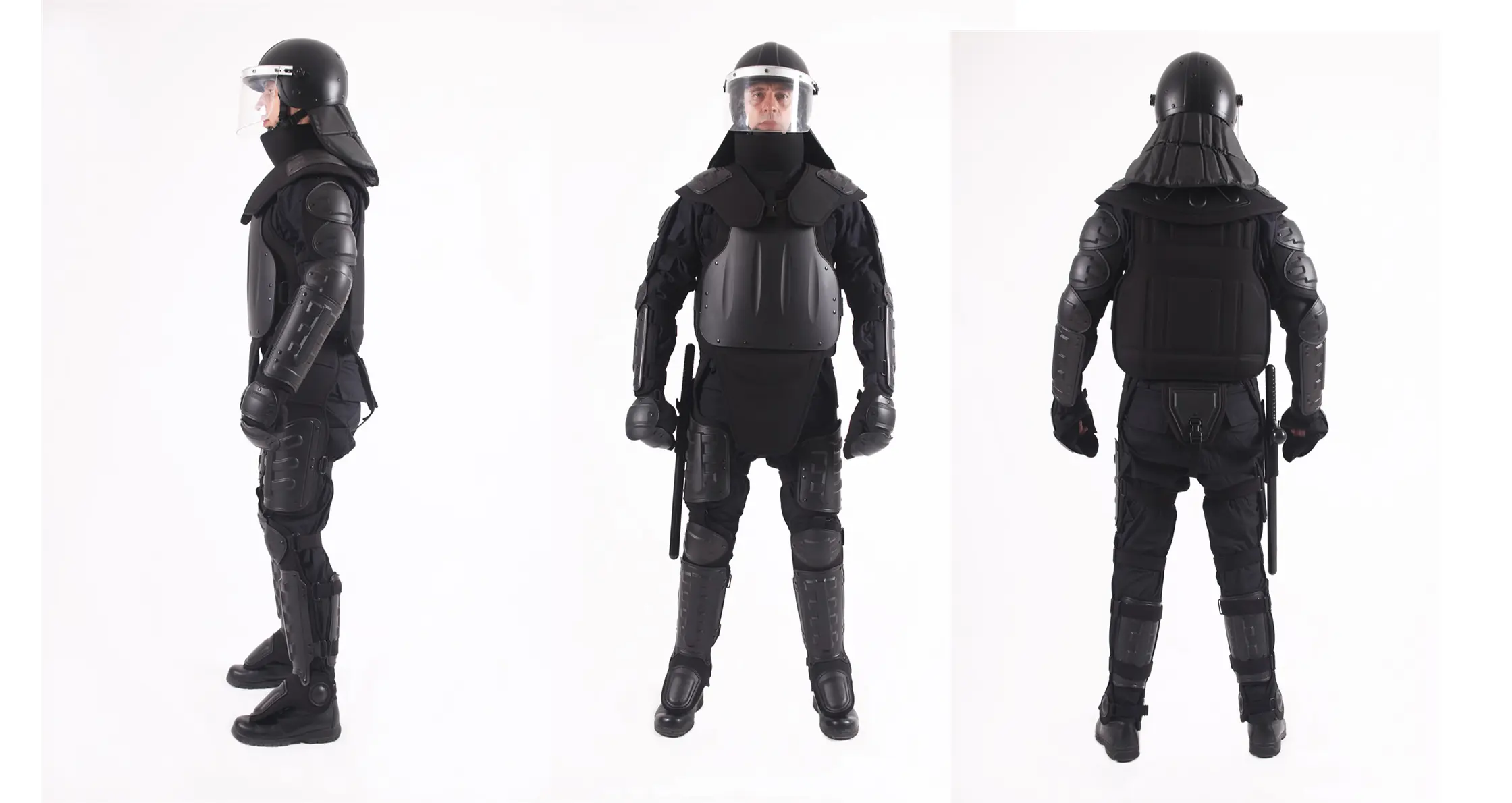
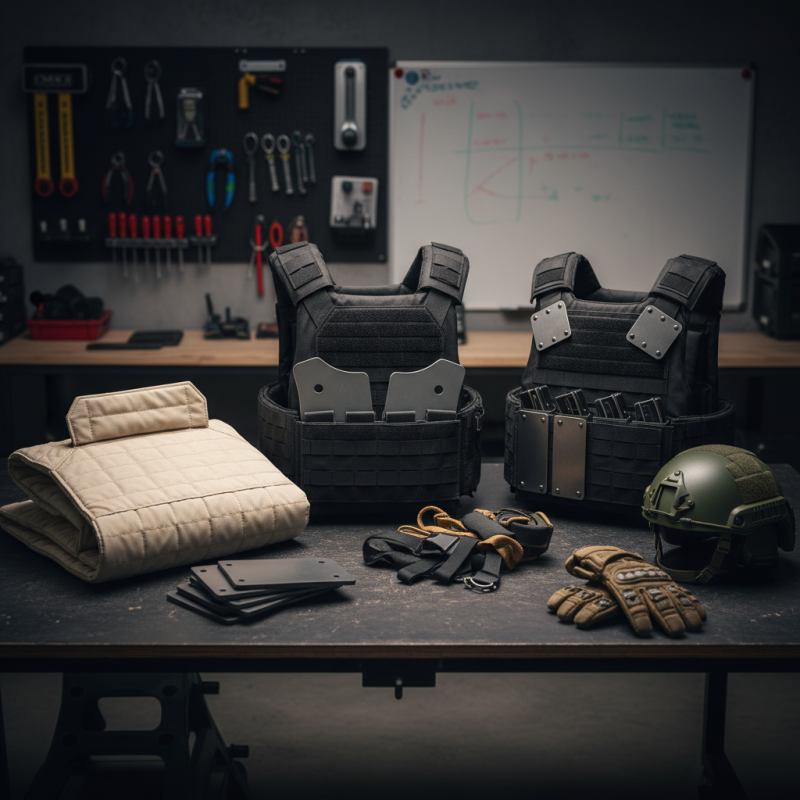
When choosing body armor, understanding the types available is crucial. There are primarily two categories: soft armor and hard armor. Soft armor is typically made from flexible materials like Kevlar. It's lightweight and offers good protection against handgun rounds. However, it may not defend against high-caliber rifles. This limitation is a critical factor to consider.
On the other hand, hard armor plates are constructed from materials like ceramics or steel. They provide stronger protection against more powerful weapons. Yet, hard armor can be heavier and less comfortable for extended wear. Finding a balance between protection and comfort can be challenging. Many users struggle with this choice, often wishing for lighter, yet effective solutions.
Ultimately, assessing your specific needs is key. Take time to consider your environment and potential threats. Are you facing urban risks or tactical situations? Each scenario requires a different approach to armor selection. It’s essential to evaluate options without bias. Sometimes, options seem appealing until you wear them in real situations. That’s when clarity truly emerges.
How to Choose the Right Body Armor for Your Needs? - Understanding the Different Types of Body Armor Available
| Type of Body Armor |
Protection Level |
Materials Used |
Weight |
Best For |
| Soft Armor |
IIIA |
Kevlar, Twaron |
2-4 lbs |
Law Enforcement, Security Personnel |
| Hard Armor |
IV |
Ceramics, Steel, Polyethylene |
5-10 lbs |
Military, High-Risk Situations |
| Concealable Armor |
IIIA |
Kevlar, Spectra |
2-3 lbs |
Civilian Use, Undercover Operations |
| Plate Carrier |
IIIA, IV |
Various |
3-8 lbs |
Tactical Operations, Military |
| External Carrier |
IIIA, IV |
Nylon, Cordura |
3-7 lbs |
SWAT, Law Enforcement |
Assessing Your Specific Protection Needs and Threat Levels
Choosing the right body armor requires careful assessment of your protection needs. Start by understanding the threats you may encounter. Consider the environment: urban areas may pose different risks than rural settings. A police officer’s needs differ from a civilian’s. Determine whether you need protection from gunfire, knives, or blunt force.
Next, evaluate the severity of potential threats. Ballistic protection levels vary widely. For example, some armors stop handguns, while others can withstand high-powered rifles. Think about your daily tasks and the likelihood of different dangers. If your work involves confrontation, higher protection is necessary.
It's also important to consider comfort and mobility. Heavy armor offers more protection but can restrict movement. Test different options to find balance. Remember that personal fit matters. The best choice might not be the heaviest or most advanced model. Reflect on your daily activities and reevaluate your choices. Making a decision can be challenging. Consider what fits your lifestyle and needs as you explore your options.
Body Armor Protection Levels
This bar chart illustrates the various body armor protection levels and their corresponding ratings. Higher levels indicate greater protection against ballistic threats, making it crucial to assess individual needs based on potential exposure to risk.
Factors to Consider When Selecting Body Armor Material
Choosing the right body armor requires careful consideration of various materials. Different materials offer different levels of protection. Common choices include Kevlar, ceramic plates, and composite materials. Kevlar is lightweight and flexible, making it a popular option for many. However, it may not handle high-velocity projectiles as well as harder materials.
Ceramic plates provide excellent protection against rifle rounds. They are heavier and bulkier than Kevlar, which can affect mobility. Many users find this trade-off challenging. Composite materials, often a blend of Kevlar and ceramics, can enhance both weight and protection. But these advanced options tend to be more expensive.
When selecting body armor, think about your primary use. Are you in law enforcement, security, or personal defense? Each scenario demands different features. It’s vital to balance protection with comfort and mobility. Testing different options can provide insight into what feels right. Ultimately, your choice should reflect your needs and circumstances.
Fit and Comfort: Ensuring the Right Body Armor Size
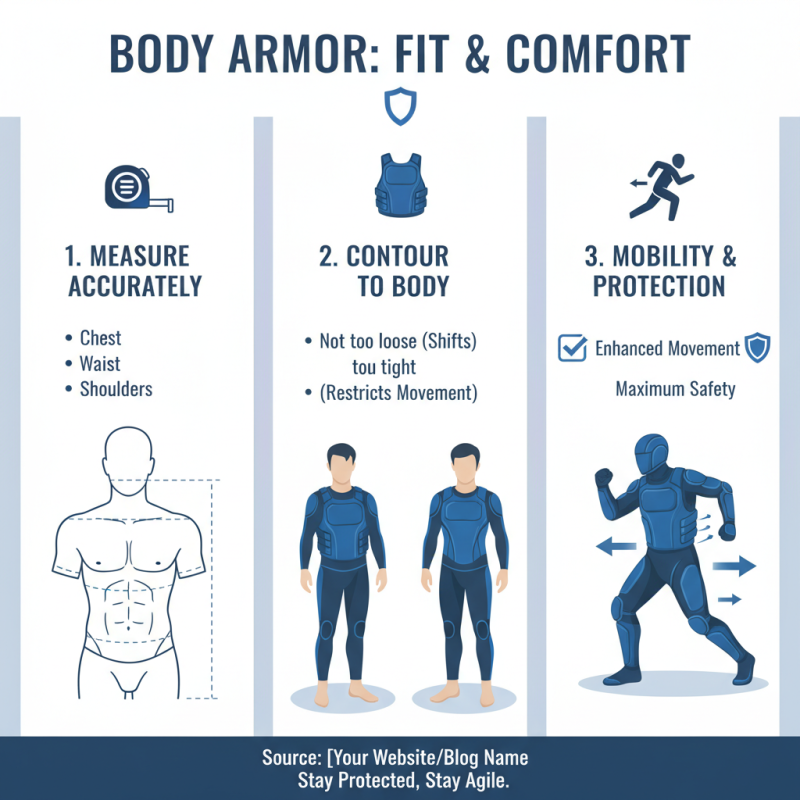
When selecting body armor, fit and comfort are crucial. A poor fit can lead to discomfort and may even impair your movement. Measure your body accurately. Consider chest, waist, and shoulder dimensions. Each armor piece should contour to your body. If it’s too loose, it can shift during use. If it’s too tight, your mobility will suffer.
Proper sizing is not just about numbers. It’s about how the armor feels against your skin. You want to ensure it doesn’t restrict your breathing or cause irritation. Try different designs. Some may have a more ergonomic shape, while others might feel bulkier. After trying them on, test mobility. Raise your arms, bend, and crouch.
Indeed, there’s always a trade-off. An armored vest might protect you more but could feel heavier. Comfort often requires sacrificing some weight or coverage. Pay attention to padding as well. Too much can feel hot and cumbersome. Too little may not provide adequate cushioning. Reflect on your specific needs and environments. The perfect armor should vanish on you, not draw attention.
Budget Considerations: Balancing Quality and Cost in Body Armor
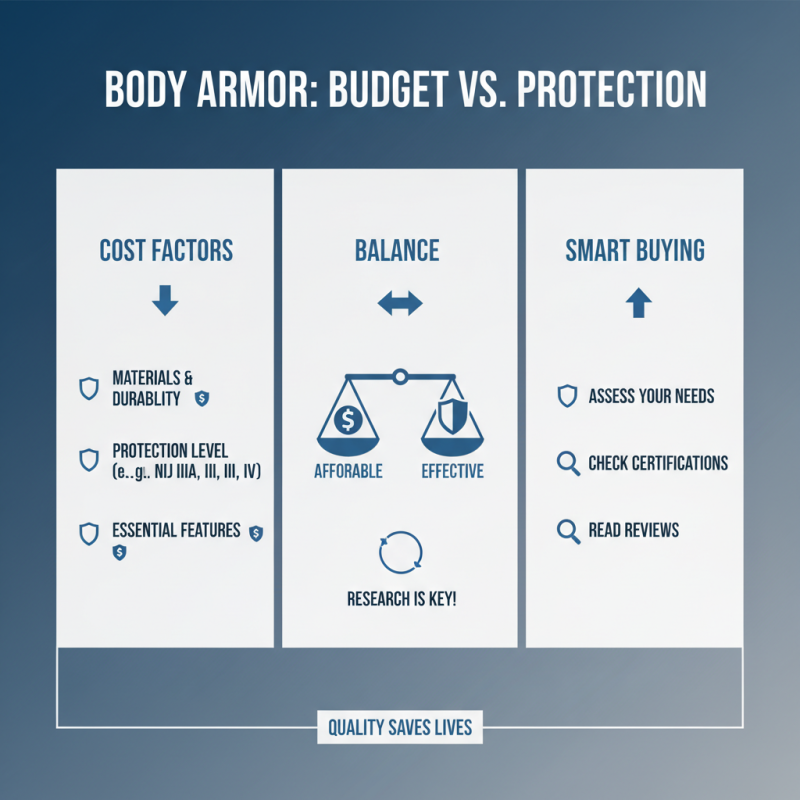
When considering body armor, budget is a key factor. Quality and effectiveness are crucial, but costs can add up quickly. Many options exist that balance protection and affordability. Research is vital. Know the level of protection you need. Some armor suits may appear affordable. However, they might lack essential features. Price often reflects material quality and durability.
Finding the right armor requires careful thought. Consider your primary use. A higher budget may yield better performance and longevity. However, some may find themselves overpaying for features they won’t use. Think practically. Tackling your needs with an open mind often leads to better choices. Always weigh cost against the potential benefits. Don’t be swayed solely by price tags.
Remember, investing in body armor is a decision that requires reflection. Choose wisely. Ask yourself if the investment aligns with your requirements. Balancing quality and cost might take time and effort. However, it can lead to better protection and peace of mind.