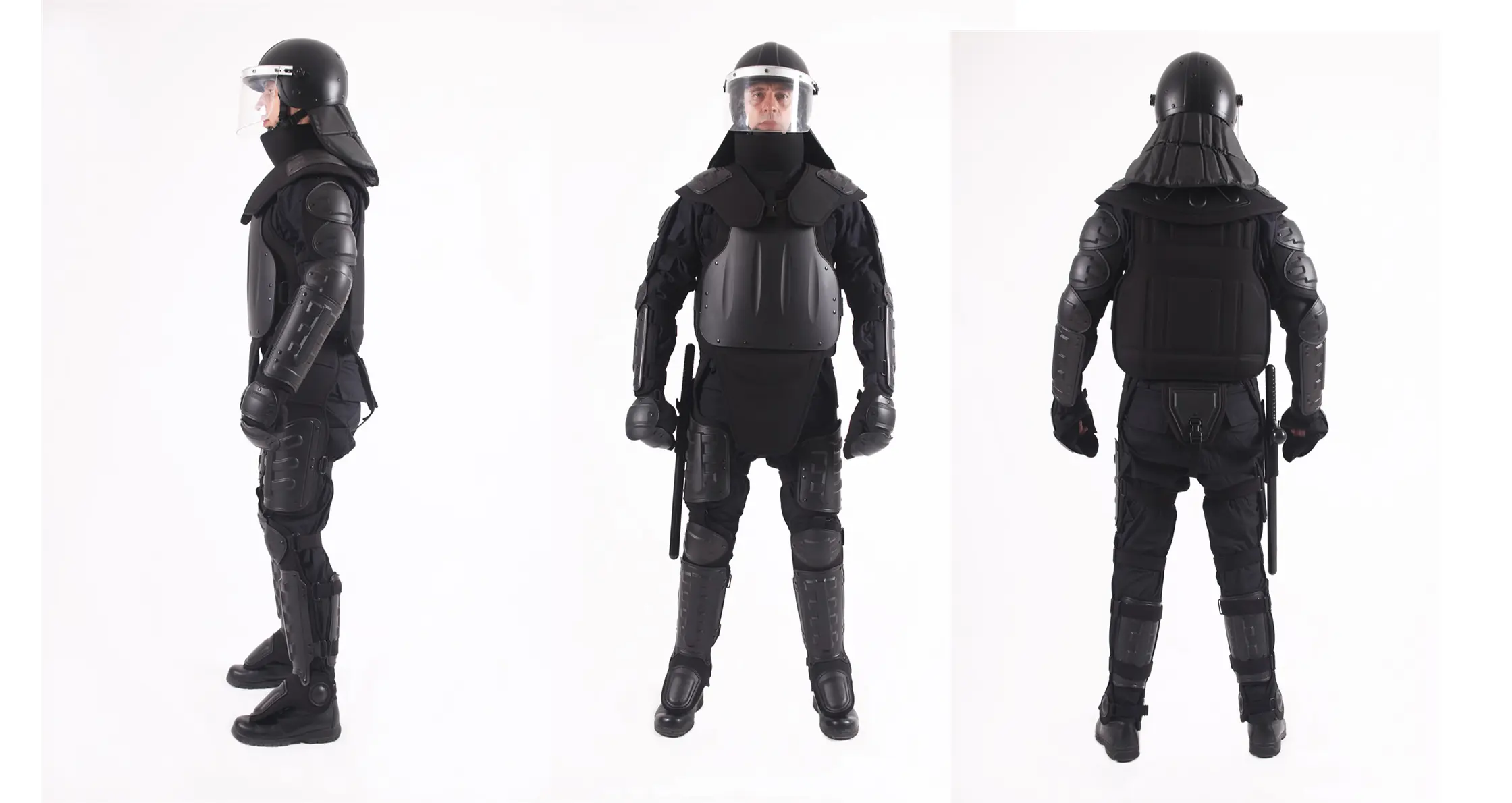
10 Essential Tips for Choosing Army Equipment Efficiently
Choosing the right army equipment can be a daunting task. With numerous options available, making informed decisions is essential. The efficiency of any military operation often hinges on the quality and suitability of the equipment used. From firearms to communication devices, each piece plays a crucial role in mission success.
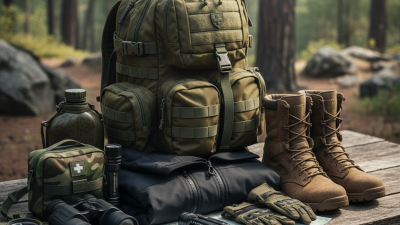
Understanding the specific needs of a unit is vital. Different missions require different gear. It’s not just about picking the latest technology or the most expensive items. Factors like durability, weight, and ease of use can significantly impact performance. Sometimes, it’s easy to overlook the importance of simplicity in design.
Furthermore, not all suppliers meet the same standards. Researching and assessing the credibility of manufacturers is critical. While many will promote their products with flashy marketing, the real test lies in performance under pressure. Reflecting on past choices can guide future decisions. Ultimately, careful consideration of army equipment can enhance mission effectiveness and safety.
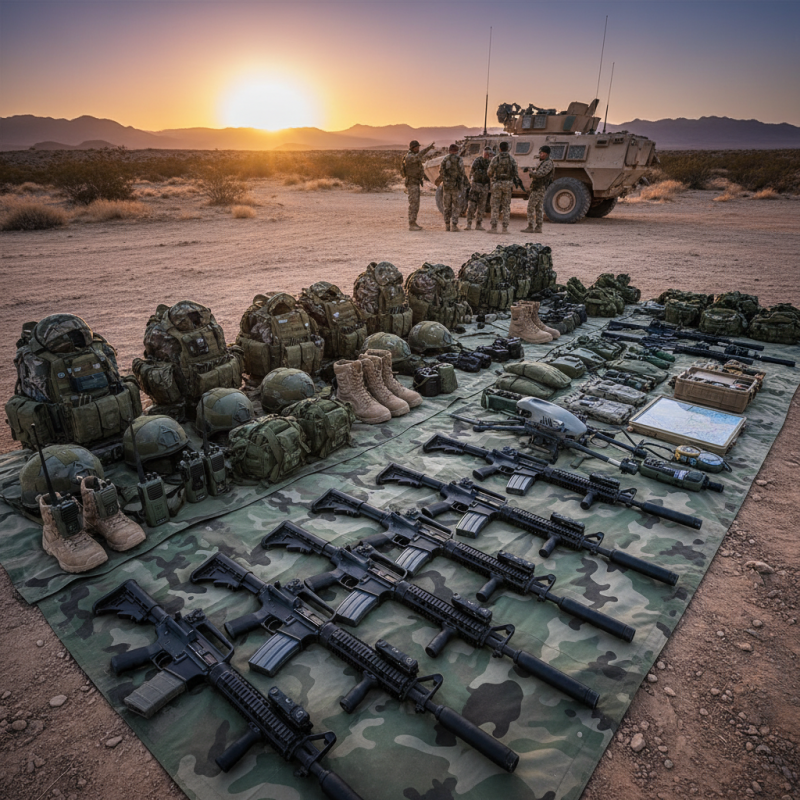
Key Factors in Assessing Army Equipment Capability and Performance
When assessing army equipment, several key factors are crucial. Understanding the specific mission requirements is fundamental. This includes the operational environment, terrain, and intended use. For instance, equipment designed for urban areas may not perform well in mountainous terrain.
Quality and performance are essential metrics. Durability is crucial; equipment must withstand harsh conditions. Reliability is another factor that cannot be overlooked. A failure in the field can have dire consequences. It's important to evaluate past performance data, but metrics alone do not tell the whole story. Feedback from soldiers who use the equipment is invaluable and often reveals unexpected challenges.
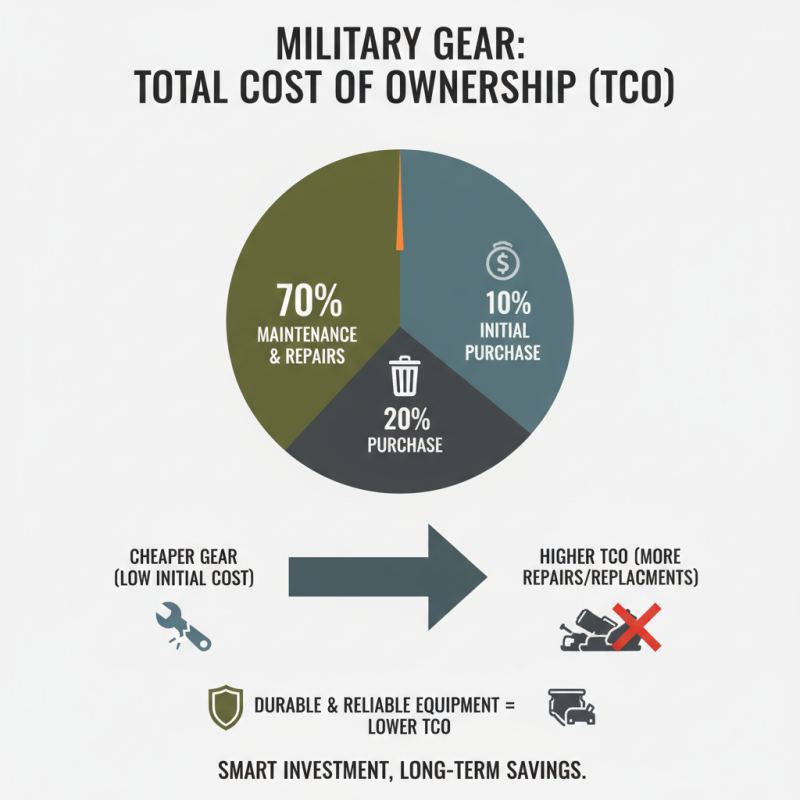
Cost is often a driving factor in the decision-making process. Budget constraints can force compromises. However, cheaper options may lead to higher costs in the long run. Maintenance and training should also be considered. Often, neglected aspects cause delays and inefficiencies. Balancing these factors requires careful thought and sometimes, difficult decisions. Equipment should align with goals, ensuring it enhances capability rather than detracts from it.
Understanding the Life Cycle and Total Cost of Ownership for Military Gear
When evaluating military gear, understanding the total cost of ownership (TCO) is crucial. The TCO includes initial purchase costs, maintenance, and disposal expenses. Research indicates that maintenance often represents 70% of the lifecycle costs. This statistic highlights the importance of selecting durable and reliable equipment. A short-term savings on purchasing cheaper gear could lead to long-term expenses due to repairs and replacements.
Additionally, the lifespan of equipment plays a critical role in TCO. For instance, field reports show that high-quality gear can last up to 15 years, while cheaper alternatives may last only 5 years. This can drastically change budget allocations over time. Investing in gear with a longer lifecycle can mitigate these costs. A decision based solely on upfront pricing can lead to financial burdens in the future.
Moreover, environmental factors should not be overlooked. Equipment disposal costs can vary significantly. For some items, it may involve complex regulations and high costs. Returning to the lifecycle approach, the environmental impact of gear can also influence future procurement decisions. Evaluating these factors may not be easy. But neglecting them can result in higher costs or operational delays.
Evaluating Supplier Reliability and Compliance with Military Standards
Choosing the right army equipment requires a thorough evaluation of supplier reliability. Military contracts can be worth millions. A report from the Department of Defense states that more than 30% of equipment failures are linked to subpar suppliers. This is a significant risk. Ensuring compliance with military standards is not just a formality. It can affect mission success and soldier safety.
When assessing suppliers, scrutinize their track record. Look for certifications that prove compliance with recognized military standards. According to industry surveys, 45% of agencies indicated that inadequate supplier vetting led to increased project costs and delays. Engage with past clients. Their feedback is invaluable. They can highlight issues you may not see in a brochure.
You might find enticing offers. They may promise quick deliveries at lower prices. However, low costs can come at a price. There’s a risk of compromising on quality. This has happened before, leading to equipment failures. A risk analysis should be a crucial step. It often uncovers hidden issues that could derail your plans. Evaluate all aspects. Without a reliable supplier, your mission could falter.
10 Essential Tips for Choosing Army Equipment Efficiently
| Criteria |
Importance Level |
Evaluation Method |
Compliance Standards |
| Supplier Reliability |
High |
Background Checks |
ISO 9001 |
| Military Standards Compliance |
Critical |
Inspection Reports |
MIL-STD-810 |
| Cost Efficiency |
Medium |
Cost-Benefit Analysis |
N/A |
| Technical Support |
High |
Feedback Reviews |
N/A |
| Delivery Times |
Medium |
Timeline Verification |
N/A |
The Role of Technology in Enhancing Equipment Effectiveness and Longevity
Technology plays a crucial role in the military equipment sector. It enhances effectiveness and increases the longevity of devices. Integrating advanced materials can boost resilience. For example, lightweight composites resist corrosion and wear. This makes maintenance easier. It reduces the frequency of repairs, saving time and resources.
However, not all technological advancements guarantee success. Sometimes, over-reliance on technology can overshadow critical human skills. Training personnel on how to use equipment effectively is vital. A sophisticated device is only as good as its operator. Real-world scenarios can differ from simulations. Unexpected challenges can arise, testing both equipment and personnel.
Moreover, continuous evaluation is necessary. Regular assessments help identify potential weaknesses in both equipment and operations. Feedback from field experiences can drive improvements. This ensures that technology keeps pace with evolving needs. A cautious approach balances innovation with practical understanding. It's essential to remain adaptable in a rapidly changing environment.
10 Essential Tips for Choosing Army Equipment Efficiently
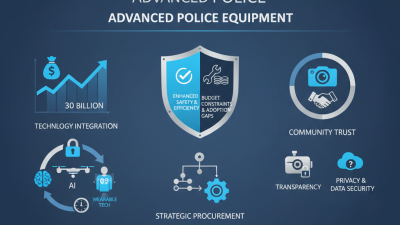
This chart illustrates the importance of different factors in selecting army equipment, focusing on technology's role in enhancing effectiveness and longevity.
Assessing Operational Requirements and Environmental Considerations in Selection
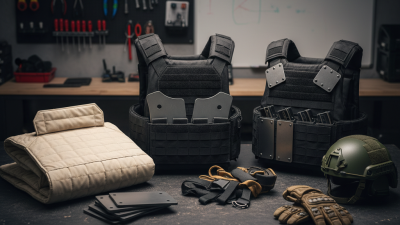
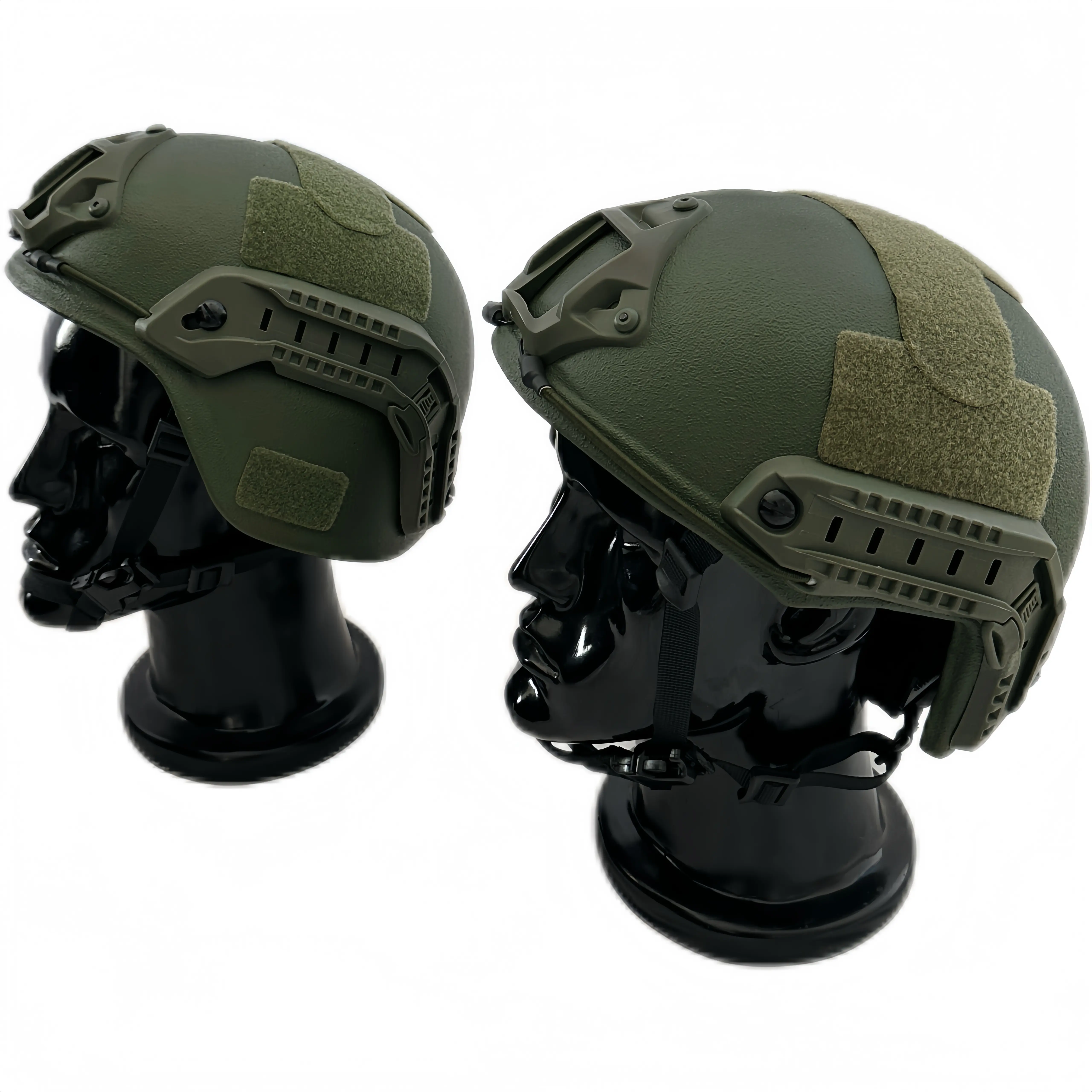
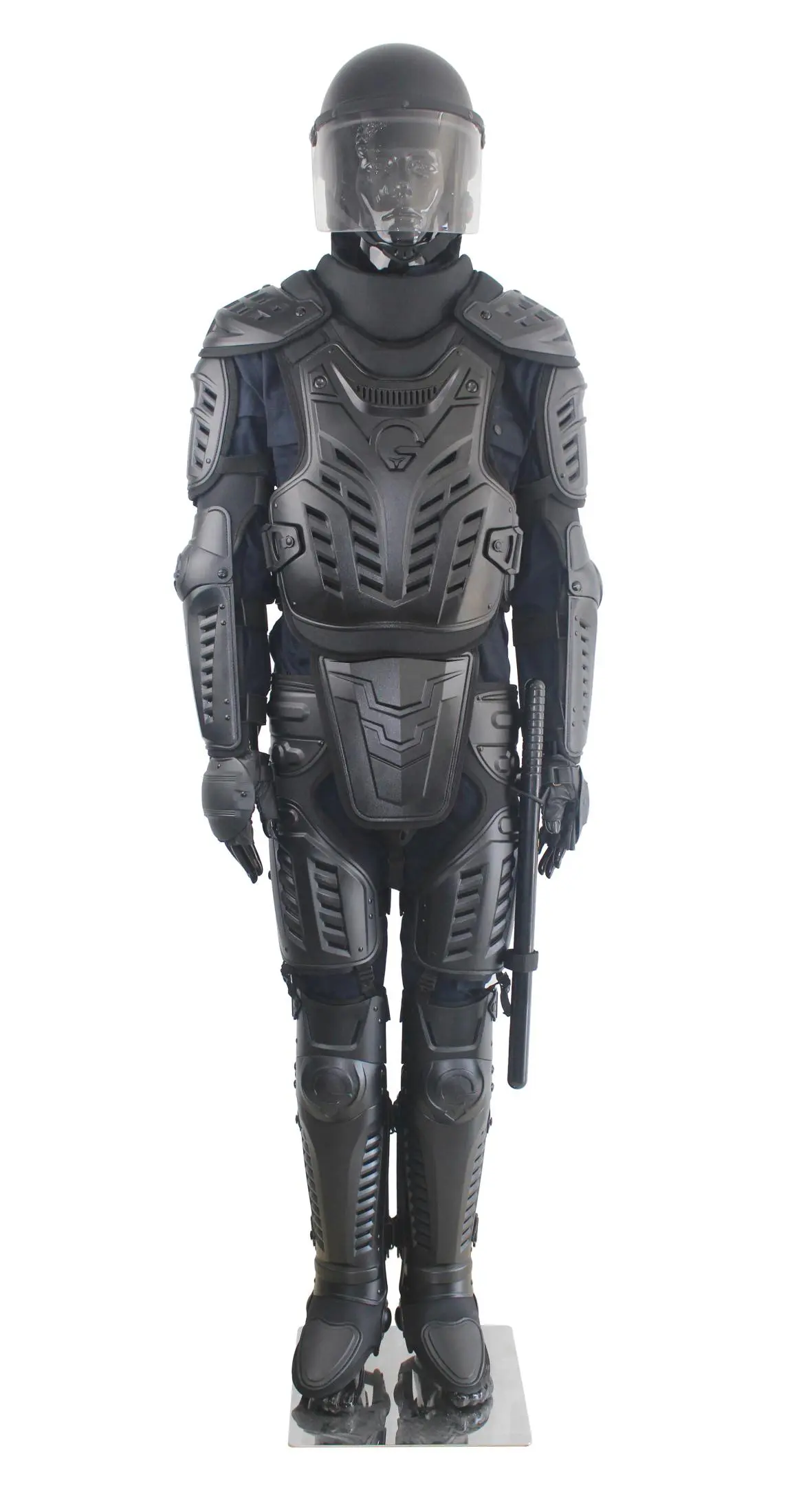
When choosing army equipment, operational requirements play a crucial role. Understanding mission-specific needs can dramatically impact performance. For example, a unit requiring mobility might prioritize lightweight gear. Conversely, those focused on protection may need heavier, more robust options. Each decision should align with strategic goals, which can vary greatly based on the nature of the mission.
Environmental considerations are equally important. A piece of equipment that works well in one climate may fail in another. For example, gear exposed to extreme cold needs proper insulation and flexibility. In desert conditions, dust protection becomes vital. Evaluating how equipment performs in various environments is often overlooked, yet it can lead to significant issues later. Regular testing in multiple scenarios could help identify weaknesses.
Reflection on past equipment choices reveals valuable lessons. Some items, initially deemed ideal, may have fallen short in basic functionality. Acknowledging these shortcomings encourages better decision-making. Emphasizing adapting gear to real-world conditions can save lives. Everyone must remember the importance of thorough evaluation in the gear selection process.