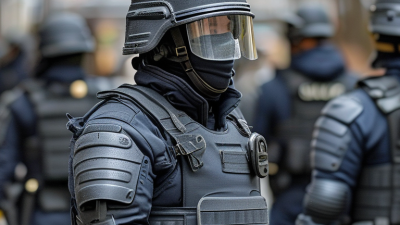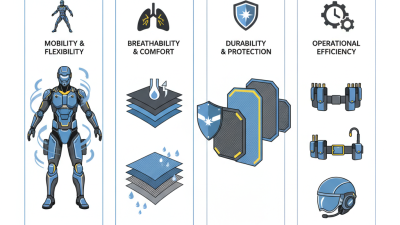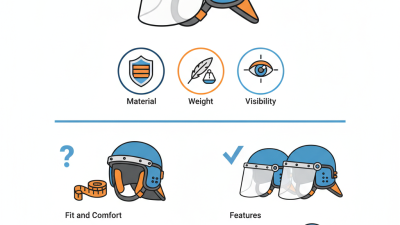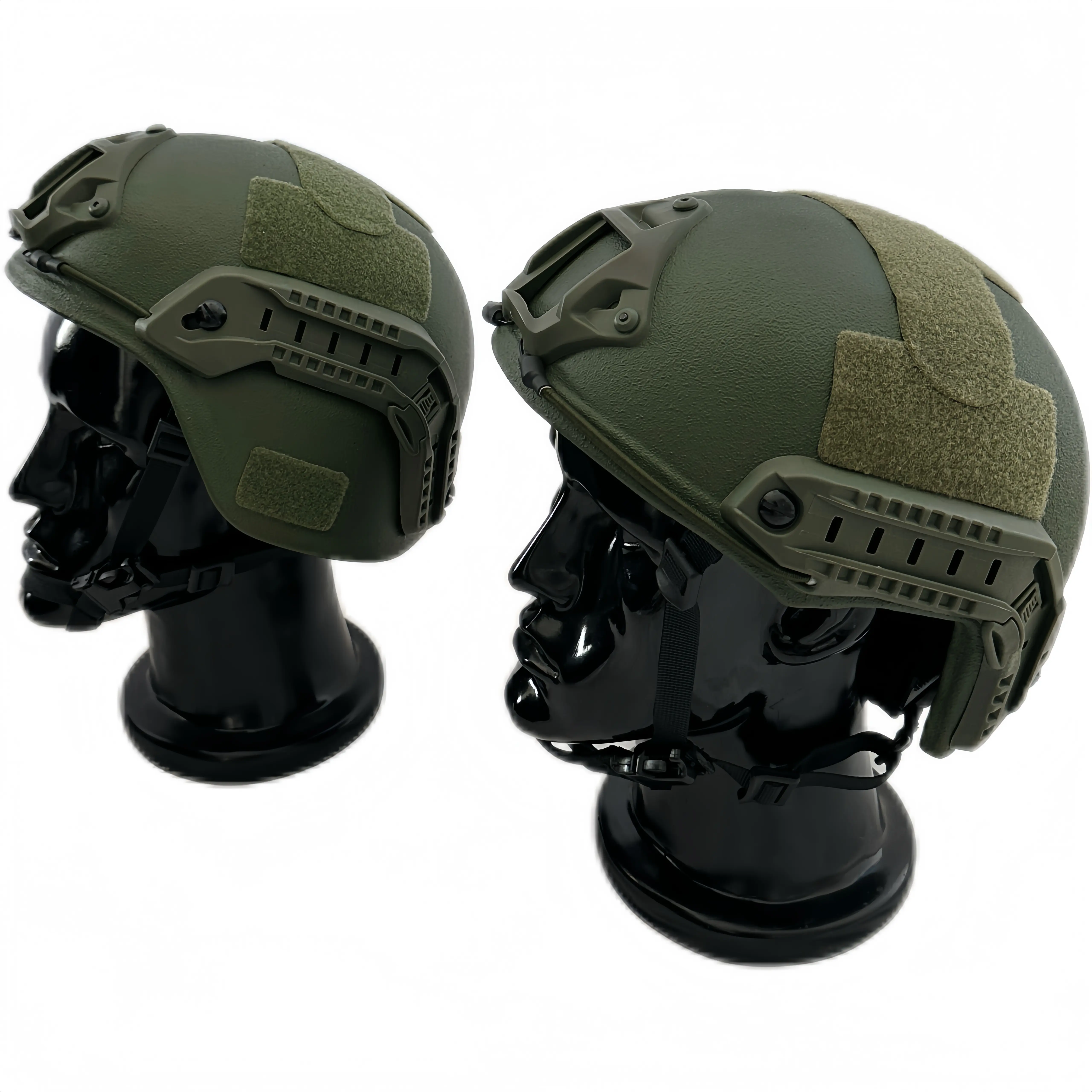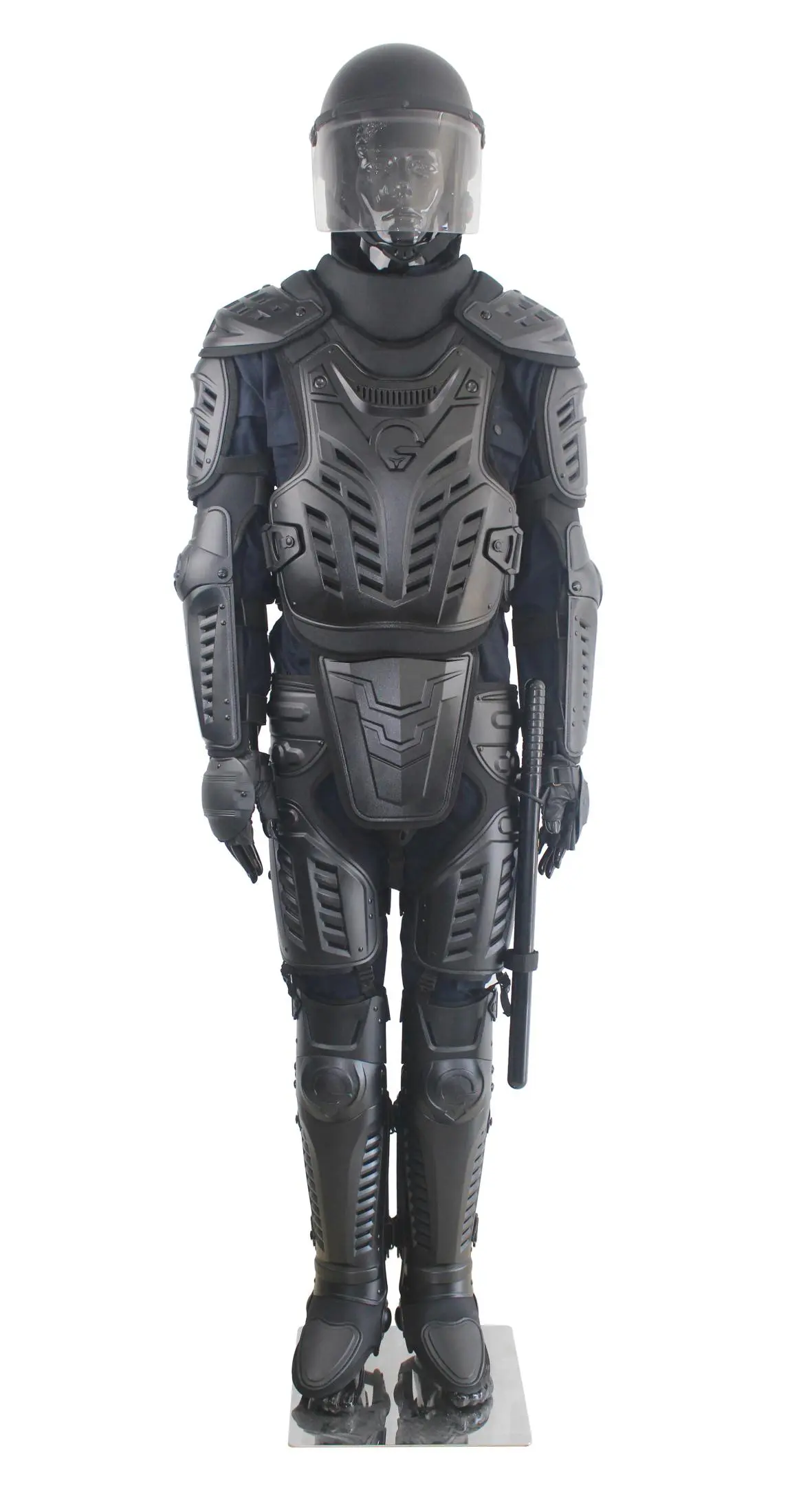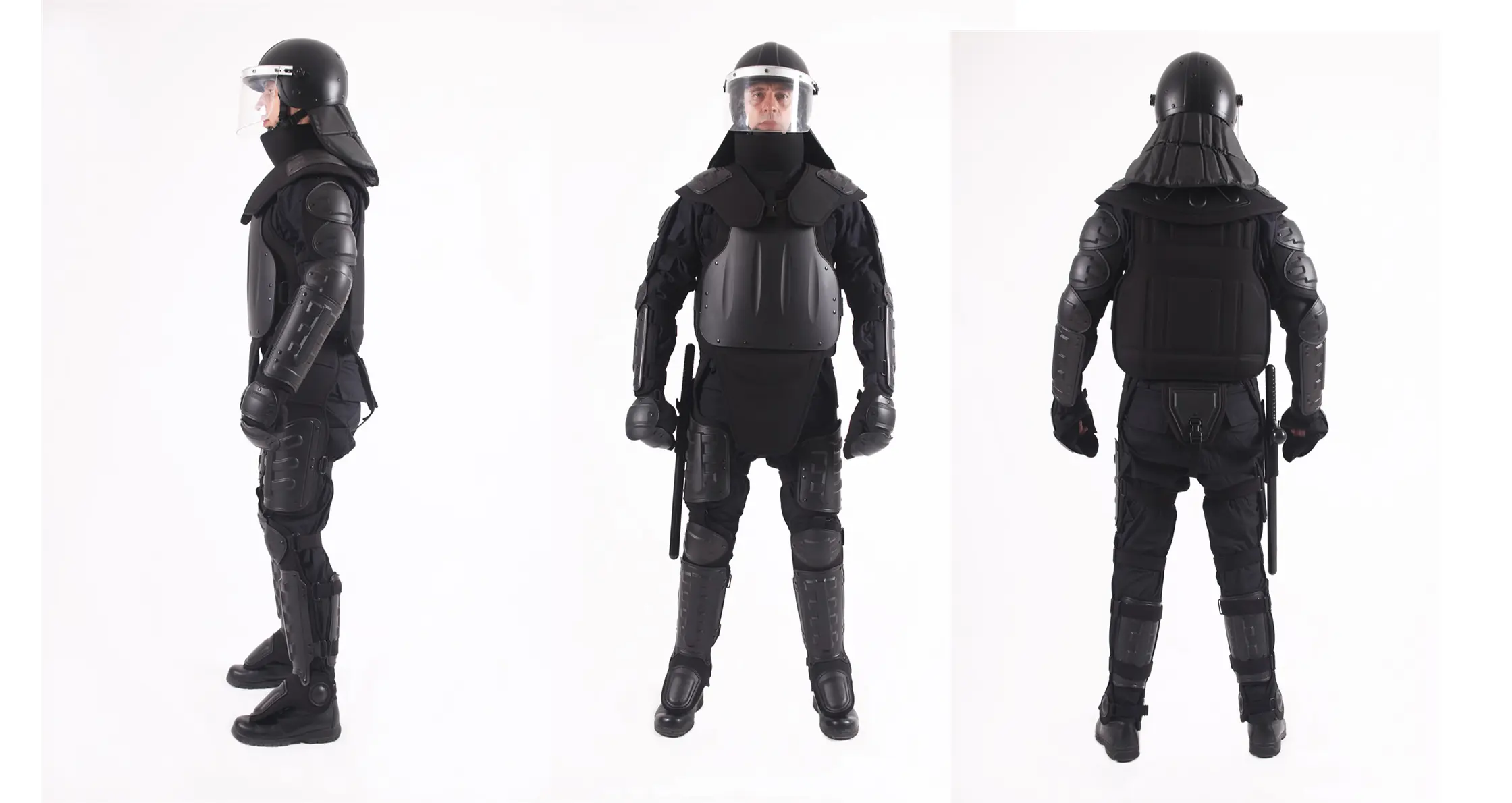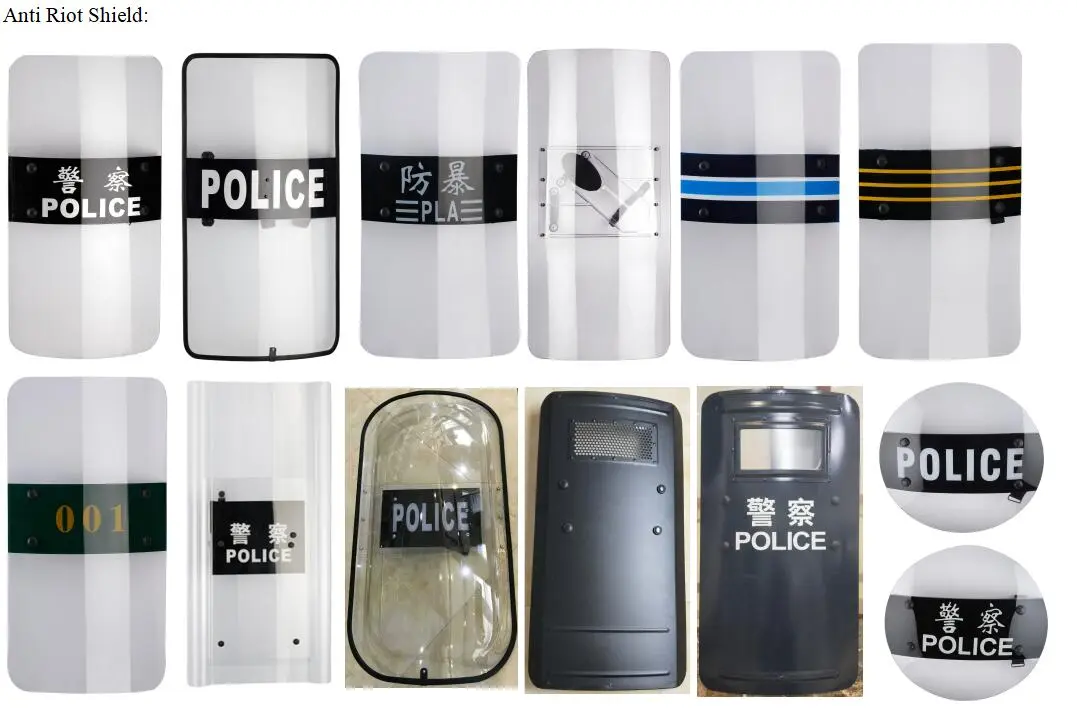
Sourcing Police Gear globally in 2026 requires more than comparing prices on a supplier website. It requires evidence, traceability, and careful judgment. Grand View Research identifies public safety and security as expanding technology-driven markets, while MarketsandMarkets reports continued investment in protective equipment, surveillance, and emergency-response systems. These reports suggest opportunity, but market forecasts are not purchase guarantees. Definitions and regional data can vary.
A responsible sourcing plan begins with the user’s real operating environment. A patrol officer may need certified body armor, high-visibility clothing, durable footwear, medical kits, or secure communication accessories. Each item should match a documented specification. NIJ standards can guide armor evaluation. ANSI/ISEA standards support assessment of protective gloves and high-visibility garments. European EN standards may apply in other procurement regions. Certifications should be checked with the issuing organization, not accepted from a scanned brochure alone.
Global logistics also deserve close attention. The World Bank’s Logistics Performance Index shows major differences in customs efficiency, tracking, and delivery reliability between markets. Supplier audits should review factory capacity, material origin, labor conditions, testing records, and product recalls. A sample can look excellent.
Mass production may not.
That is an uncomfortable but useful reminder. A spreadsheet can hide inconsistent stitching, unclear warranty terms, or sudden component substitutions. Buyers should compare landed cost, lead time, compliance documents, and after-sales support. They should also screen every transaction against applicable export controls, sanctions, procurement rules, and public-sector ethics requirements. A careful 2026 strategy will favor lawful, tested, maintainable Police Gear over the cheapest available offer.
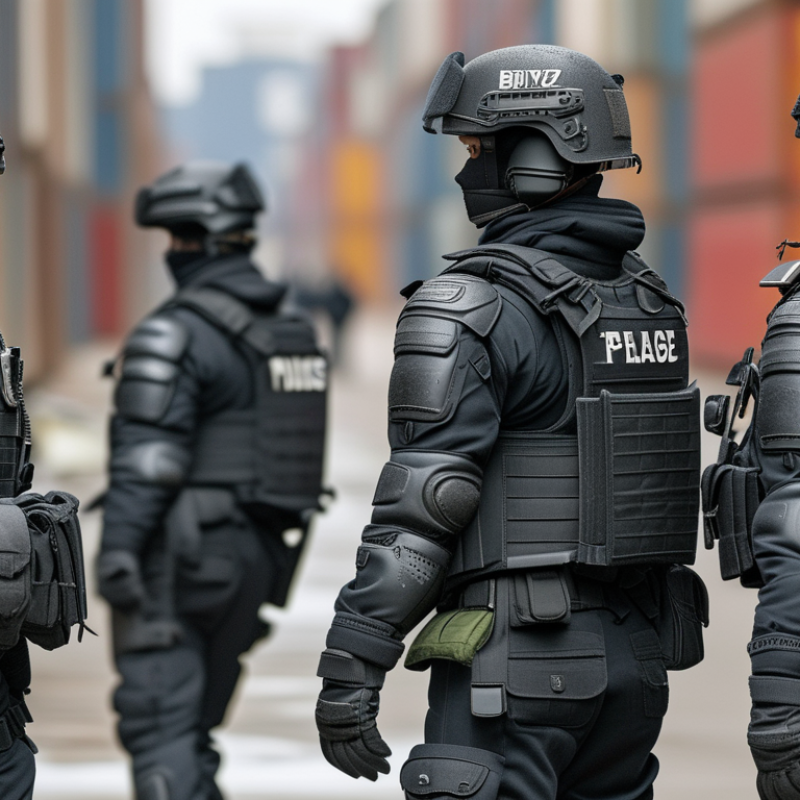
Before sourcing police gear globally in 2026, define the operational need in measurable terms. List each item, quantity, user group, service life, and environmental condition. Consider heat, rain, dust, storage limits, and daily movement. Protective clothing may need adjustable sizing and tested abrasion resistance. Visibility equipment may require clear markings and reliable battery performance. Avoid vague terms such as “premium quality.” Specify test methods, inspection points, and acceptable tolerances. Requirements should also reflect training practices, accessibility needs, and local procurement rules.
Global procurement goals must balance safety, cost, continuity, and accountability. Set a realistic budget, delivery window, replacement rate, and minimum supplier documentation. Request material specifications, independent test reports, factory quality procedures, and batch inspection records. Check whether products meet relevant national standards before purchase. A low unit price can hide shipping delays, inconsistent sizing, or expensive maintenance. I have seen well-designed plans fail because spare parts were overlooked. That weakness deserves attention before contracts are signed.
Tips: Build a small evaluation team with operational, technical, legal, and finance experience. Test samples in real weather and ordinary duty movements. Record failures honestly, even minor stitching problems. Compare suppliers using the same scoring sheet. Keep a written trail for every change, approval, and inspection. Requirements may evolve after field trials, and that is acceptable. A practical plan is better than a perfect document that nobody uses.
Global police gear sourcing in 2026 should begin with supplier verification, not catalog browsing. OECD’s Government at a Glance 2023 reports that public procurement represented 12.9% of OECD GDP in 2021. This scale creates pressure on price, delivery, and auditability. Build a shortlist covering uniforms, protective helmets, certified body armor, medical kits, radios, lighting, and evidence-storage supplies. Confirm local certification and import rules before purchasing.
Use the World Bank’s 2023 Logistics Performance Index as a screening reference. It surveyed logistics professionals across 139 economies and assessed customs, infrastructure, shipment quality, and timeliness. A high-scoring logistics market does not guarantee a reliable supplier. Request factory addresses, test reports, material traceability, production photos, and recent public-sector references. Check whether certificates match the exact model, not a similar sample. Small detail. It prevents costly confusion.
Request a paid sample and inspect stitching, labels, battery performance, sizing, packaging, and replacement parts. Compare landed cost, not unit price. Contracts should define inspections, delivery milestones, warranty response, data protection, and labor due diligence. ISO 9001 certification supports process review, but it does not prove field performance. Buyers often overtrust paperwork. I would score suppliers quarterly, because a strong first shipment can hide weak after-sales support. Incomplete records remain a warning, even when the product looks excellent.
Global sourcing starts with evidence, not attractive catalog photos. Ask suppliers for batch records, material specifications, test reports, and traceable production dates. ISO’s Survey 2023 recorded 1,265,216 ISO 9001 certificates worldwide, but certification alone does not prove product performance. Review the certificate scope, issuing body, and audit status. A factory certified for uniforms may not qualify for protective equipment.
For body protection, compare test results with the latest applicable NIJ performance requirements or an equivalent national standard. Check sample identification, impact testing, environmental conditioning, and inspection frequency. Do not accept “tested to standard” without a report number. Verify the laboratory’s accreditation under ISO/IEC 17025. Small details matter. Stitch density, seal integrity, sizing labels, and washing instructions can affect field reliability.
Legal review must cover the supplier, destination, end user, customs classification, sanctions screening, and export controls. Requirements can change by country and product category. Keep signed declarations, origin documents, technical files, and communication records. OECD due-diligence guidance supports risk-based supplier checks, including labor and supply-chain risks. A spreadsheet can still lie. Independent sampling and pre-shipment inspection remain necessary. Some procurement teams rely too heavily on certificates, while overlooking expired reports, inconsistent packaging, or undocumented component changes. That weakness deserves correction before contracts are approved.
Global police gear sourcing in 2026 requires more than comparing supplier quotes. Protective uniforms, helmets, shields, and approved communication accessories should be evaluated by total landed cost. This includes unit price, inspection fees, freight, insurance, duties, and local taxes. A cheaper offer may become expensive after customs delays. Experienced buyers request samples, test reports, material specifications, and production timelines before placing large orders. Documents matter.
Tips: Build a cost sheet for every destination. Confirm tariff classifications with a licensed customs specialist. Check import permits before payment. Use at least two qualified suppliers for critical items. Keep a small safety stock when delivery routes are unstable.
Logistics planning should match the equipment’s size, weight, and urgency. Air freight suits urgent replenishment but can damage budgets. Sea freight lowers costs but needs longer planning. Customs officers may question unclear descriptions or inconsistent values. Accurate invoices, certificates of origin, and conformity documents reduce avoidable delays. Supply chain risks also include raw material shortages, factory capacity changes, currency movements, and port disruptions. A supplier audit should review labor practices, quality controls, traceability, and backup production sites. It is not perfect. Forecasts can fail. We sometimes underestimate regional demand. Regular risk reviews help correct those assumptions before they become operational problems.
| Gear Category | Common Sourcing Regions | Indicative Unit Price (USD, Excluding Tax) |
Typical MOQ | Production Lead Time | Recommended Freight | Typical Customs Requirements | Main Supply Chain Risks | Risk Level | Risk-Reduction Measures |
|---|---|---|---|---|---|---|---|---|---|
| Duty Belts and Nylon Load-Bearing Equipment | South and East Asia; Central and Eastern Europe; North America | $18–$65 per set | 100–500 sets | 30–60 days | Ocean freight for bulk orders; air freight for urgent replenishment | Commercial invoice, packing list, transport document, country-of-origin information, and correct textile or equipment classification | Material substitutions, inconsistent stitching, color variation, and delayed quality inspections | Low to Medium | Approve a sealed reference sample, specify fabric denier and hardware composition, and use pre-shipment inspection |
| Police Uniforms and Tactical Apparel | South Asia; Southeast Asia; Türkiye; Eastern Europe | $35–$125 per uniform set | 200–1,000 sets | 45–90 days | Ocean freight; consolidated shipments for smaller purchase orders | Textile composition, country-of-origin marking, commercial invoice, packing list, and any public-sector procurement documentation | Seasonal factory capacity, fabric shortages, sizing errors, and changes in labor or import compliance rules | Medium | Use a graded size set, confirm fabric test results, split orders between qualified factories, and order before peak seasons |
| Protective Boots | East Asia; Southeast Asia; Europe; North America | $45–$160 per pair | 300–1,000 pairs | 60–100 days | Ocean freight; air freight only for sample or emergency quantities | Footwear classification, material declaration, origin marking, invoice, packing list, and destination-market safety labeling where applicable | Rubber and leather price volatility, mold changes, size-ratio errors, and high return costs | Medium | Validate size distribution with field trials, maintain approved molds, and reserve capacity before the procurement cycle |
| Handcuffs and Mechanical Restraints | Europe; North America; East Asia | $12–$55 per unit | 100–500 units | 30–75 days | Air or ocean freight, subject to destination restrictions | Commercial invoice, packing list, country of origin, product description, and import authorization if required by the destination jurisdiction | Security-control restrictions, key compatibility issues, corrosion, and inconsistent locking performance | Medium | Confirm import eligibility before purchase, require batch testing, and keep spare keys and maintenance parts in local inventory |
| Ballistic Helmets | North America; Europe; selected Asian manufacturing centers | $180–$650 per helmet | 50–250 units | 60–120 days | Air freight for controlled, high-value shipments; ocean freight for larger approved consignments | Import permit where applicable, technical test documentation, material and origin information, commercial invoice, packing list, and export-control screening | Export-control delays, counterfeit certification, resin or fiber shortages, and shelf-life concerns | High | Verify test reports with the issuing laboratory, conduct serial-number checks, confirm end-use documentation, and buy only from audited suppliers |
| Soft Body Armor Vests | North America; Europe; East Asia; selected South Asian factories | $140–$550 per vest | 50–300 units | 75–150 days | Air freight for small consignments; ocean freight for planned institutional orders | Import and end-use permits may apply; require test reports, armor-material declaration, invoice, packing list, origin data, and destination-specific compliance records | Fiber availability, incorrect panel sizing, aging of ballistic materials, certification fraud, and regulatory restrictions | High | Use independent laboratory verification, record panel lot numbers, define storage conditions, and maintain a replacement schedule |
| Hard Armor Plates | North America; Europe; East Asia | $90–$400 per plate | 50–500 plates | 60–150 days | Air freight for urgent orders; ocean freight for palletized shipments after regulatory clearance | Ballistic test documentation, material composition, dimensions and weight, origin information, commercial invoice, packing list, and possible export or import authorization | Ceramic or polyethylene material shortages, breakage in transit, incorrect protection rating, and restricted cross-border movement | High | Use shock-resistant packaging, inspect every lot, require traceable testing, and avoid mixing protection ratings within one shipment |
| Protective Shields | Europe; North America; East Asia | $300–$1,500 per shield | 20–100 units | 60–120 days | Ocean freight for standard shields; air freight only for urgent, permitted shipments | Product dimensions, materials, origin, invoice, packing list, transport document, and any destination-specific protective-equipment authorization | Oversize freight charges, impact damage, limited production capacity, and certification differences between jurisdictions | Medium to High | Confirm package dimensions before booking freight, use reinforced crates, and approve impact-test documentation before shipment |
| Portable Radios and Communication Terminals | North America; Europe; East Asia | $180–$950 per unit | 50–300 units | 60–150 days | Air freight for high-value electronics; ocean freight for large deployments | Radio-frequency certification, import approval, battery transport documentation, commercial invoice, packing list, serial-number list, and encryption or end-use declarations where applicable | Chip shortages, firmware incompatibility, frequency approval delays, battery restrictions, cybersecurity exposure, and vendor lock-in | High | Confirm spectrum approval before ordering, require cybersecurity documentation, purchase spare batteries, and test interoperability locally |
| Body-Worn Cameras | North America; Europe; East Asia | $120–$600 per unit | 50–250 units | 45–120 days | Air freight for pilot deployments; ocean freight for larger rollouts | Radio or wireless certification, lithium-battery documentation, data-processing compliance records, invoice, packing list, and serial-number documentation | Data privacy restrictions, cloud-hosting location, software discontinuation, cybersecurity vulnerabilities, and battery supply delays | High | Complete privacy and security review, require local data-storage options, define software-support periods, and maintain a documented chain of custody |
| Flashlights and Duty Lighting | East Asia; Europe; North America | $25–$180 per unit | 100–1,000 units | 30–75 days | Air or ocean freight; lithium-battery rules apply when batteries are included | Battery transport declaration, electrical safety documentation where applicable, invoice, packing list, and origin information | Battery nonconformance, water-resistance failures, switch defects, and sudden component shortages | Medium | Test ingress protection and battery performance, ship batteries under approved procedures, and keep replacement cells available |
| Vehicle Warning and Emergency Lighting | North America; Europe; East Asia | $150–$1,200 per kit | 20–200 kits | 60–120 days | Ocean freight for fleet orders; air freight for replacement modules | Electrical and electromagnetic-compatibility documentation, vehicle installation details, invoice, packing list, origin, and local road-use approval where applicable | Regulatory differences in flash patterns and colors, installation compatibility, electronic component shortages, and oversize packaging | Medium to High | Confirm vehicle and road-use requirements before procurement, standardize connectors, and stock critical replacement modules |
| Evidence Bags, Tamper Seals, and Forensic Consumables | North America; Europe; East Asia; South Asia | $0.20–$8.00 per item | 1,000–10,000 items | 20–60 days | Ocean freight for bulk orders; air freight for low-volume urgent supplies | Material declaration, invoice, packing list, origin information, and product specifications for tamper-evident or sterile items | Printing errors, adhesive failure, counterfeit tamper features, humidity damage, and stockouts caused by low unit value | Low to Medium | Use serialized batches, conduct seal-integrity tests, store in controlled conditions, and hold safety stock for at least one procurement cycle |
Global sourcing of police gear in 2026 requires disciplined sample evaluation, not attractive product photos. Request two or three samples from each qualified supplier. Inspect stitching, fabric weight, fasteners, reflective panels, and sizing consistency. Test zippers repeatedly. Check performance after washing, abrasion, heat, and moisture exposure. Record every result with dated photographs and signed inspection sheets.
A strong contract should define materials, measurements, color codes, tolerances, packaging, delivery windows, and inspection methods. It should also require lawful production, labor compliance, product traceability, and certification where applicable. Include an approval process for design changes. Small changes can affect field safety. Confirm payment terms, warranty procedures, replacement duties, and remedies for late or nonconforming shipments. Local import rules must be reviewed before any purchase order is issued.
Long-term orders need realistic forecasts rather than optimistic promises. Share rolling demand estimates, but avoid guaranteeing quantities that have not been approved. Set production milestones and arrange independent pre-shipment inspections. Keep a backup supplier for essential uniforms and protective accessories. It costs more to maintain alternatives, yet shortages cost more. A common mistake is approving samples quickly and discovering inconsistent sizing six months later. We should have measured more users. Leave room for correction, because reliable procurement improves through documented feedback, not confidence alone.
The chart presents practical planning benchmarks for global police-gear sourcing in 2026. Sample evaluation focuses on compliance, durability, fit, and documentation; contract negotiation emphasizes quality assurance, delivery reliability, and payment terms; long-term order management tracks lead-time stability, defect rates, and reorder performance.