Top Police Equipment That Enhances Officer Safety and Efficiency?
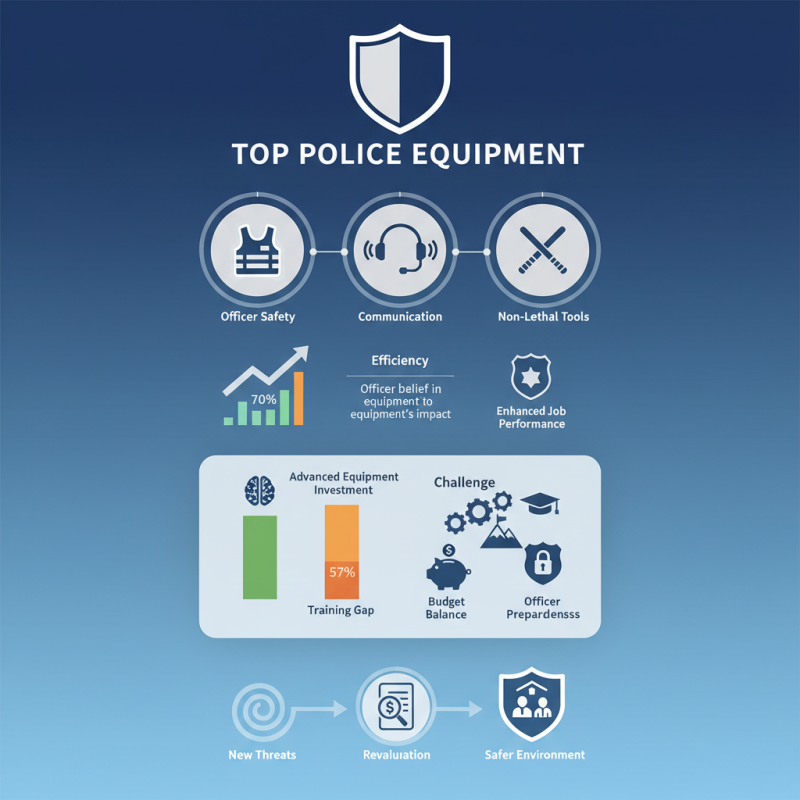
In recent years, the importance of effective Police Equipment has become increasingly evident. Enhancing officer safety and efficiency is a top priority for law enforcement agencies worldwide. According to a 2022 report by the National Institute of Justice, over 70% of officers believe advanced equipment significantly impacts their job performance. This highlights the need for proper resources to support police work.
Modern Police Equipment includes body armor, communication devices, and non-lethal tools. Each item plays a critical role in everyday operations. Yet, there remains a gap in training and utilization of these resources. A report from the Police Executive Research Forum shows that only 57% of officers receive adequate training in using new technologies. This often leads to inefficiencies and safety risks during critical situations.
Investing in advanced Police Equipment is essential, but challenges persist. Departments must balance budgets while ensuring officer preparedness. Finding the right tools and proper training is an ongoing struggle. As new threats emerge, reevaluating training programs and equipment use is crucial for fostering a safer environment for officers and the communities they serve.
Essential Personal Protective Gear for Law Enforcement Officers
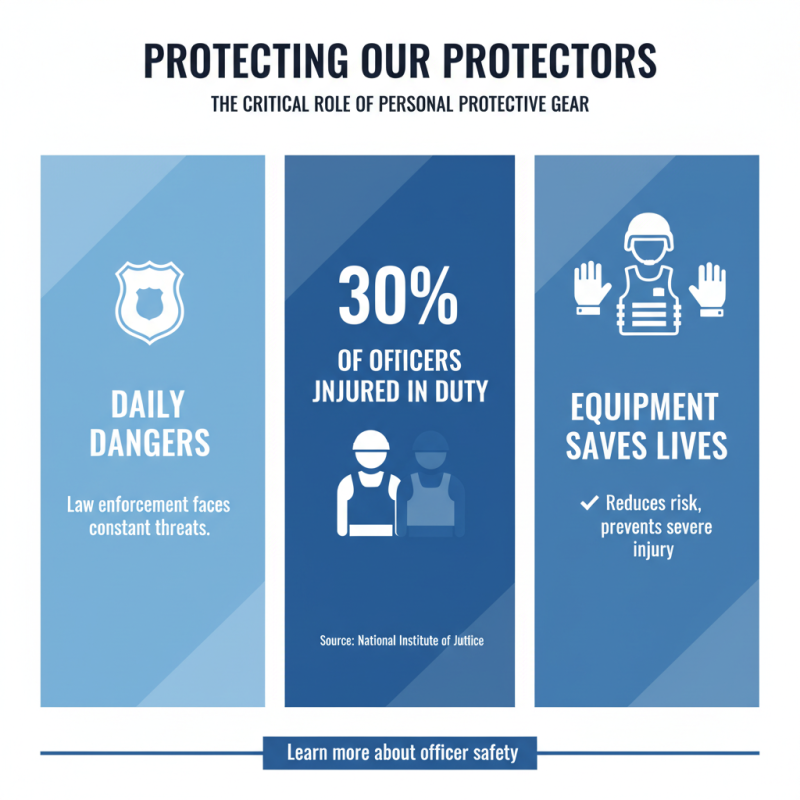
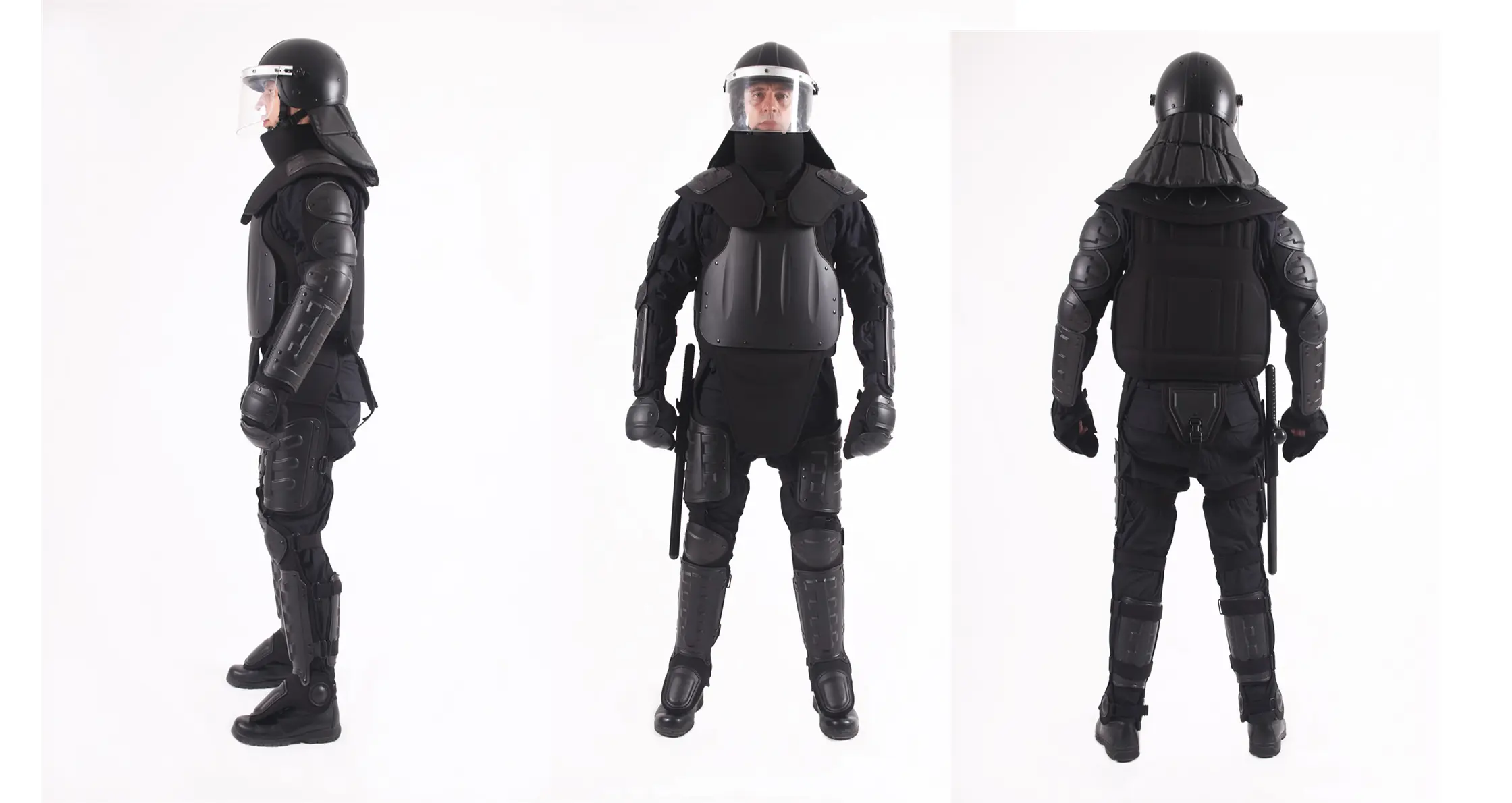
Law enforcement officers face numerous dangers daily. The importance of personal protective gear cannot be overstated. According to the National Institute of Justice, about 30% of police officers experience injuries in the line of duty. Proper equipment can significantly reduce this risk.
Body armor plays a critical role in officer safety. Today, many officers wear vests that can withstand ballistic threats. However, not all vests are created equal. A recent study indicated that officers using modern lightweight materials felt more comfortable on the job. This comfort can enhance their efficiency. Still, it’s essential to recognize that some officers may hesitate to wear body armor due to the perception of bulkiness.
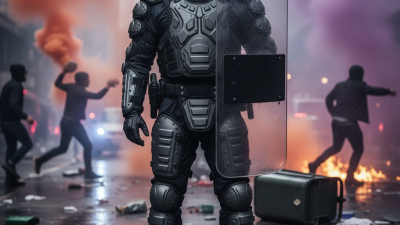
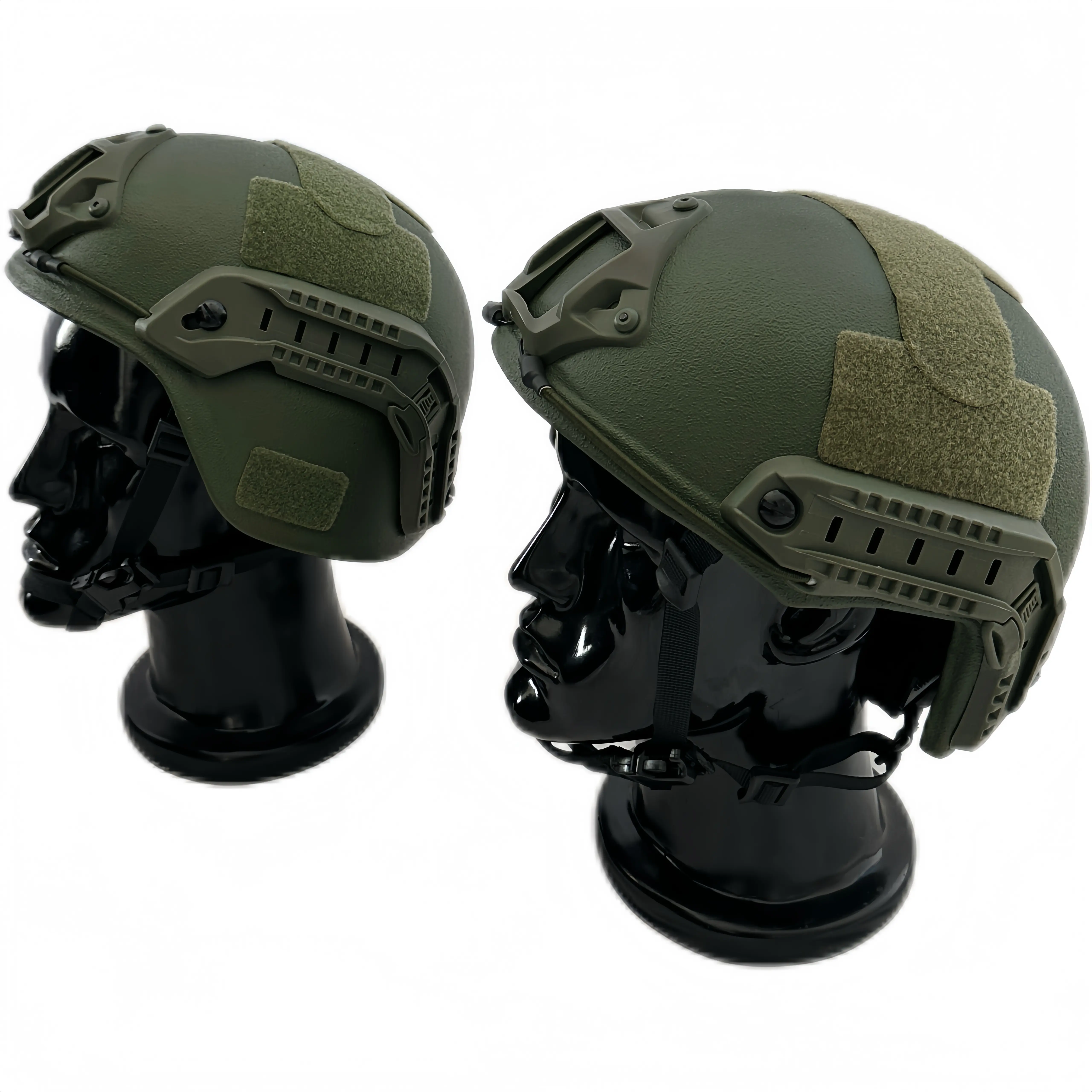
Another key component is impact-resistant helmets. These helmets protect against blunt force. They are necessary during confrontations or riots. Yet, officers may find them cumbersome. Data shows that officers using helmets in high-risk areas reported feeling more secure. However, there remains a divide between the comfort of the gear and its protective capabilities. Balancing safety and practicality is an ongoing challenge for law enforcement agencies.
Advanced Communication Tools to Improve Police Response
Advanced communication tools are vital for improving police response and officer safety. New technology allows officers to share information quickly. Real-time data access can change how officers approach incidents. Instant messaging systems enable rapid coordination between teams. This ensures that help arrives promptly when needed.
However, adopting these tools isn't without challenges. Training officers to use new technology effectively is crucial. Some officers may struggle with updates, hindering their ability to respond efficiently. Moreover, there can be issues with data overload. When too much information flows in, important details may get lost.
Nevertheless, investing in advanced communication tools presents significant benefits. Enhanced connectivity can help officers assess situations better before arriving. Improved teamwork can lead to safer outcomes for everyone involved. While there are hurdles to overcome, the integration of these tools is essential. They represent a step towards a more efficient and secure law enforcement environment.
Innovative Surveillance Technology to Enhance Officer Safety
In today’s law enforcement landscape, innovative surveillance technology plays a crucial role in enhancing officer safety. Officers are often exposed to unpredictable situations. Advanced surveillance systems can provide real-time data. This information assists in decision-making during tense encounters. For instance, body-worn cameras capture valuable evidence. They help ensure accountability, offering protection to officers and civilians alike.
Drones equipped with cameras have also transformed police operations. They can survey crime scenes from above. This aerial perspective allows for safer assessments of potentially dangerous situations. However, there are challenges. Privacy concerns may arise, leading to tensions between the police and the community. Officers must balance the use of technology with respect for citizens' rights.
Additionally, AI-based analytics can stream information from multiple cameras. They identify threats quickly. Yet, reliance on technology isn’t without its flaws. Algorithms can misinterpret data, leading to false assumptions. Officers must remain vigilant and critical, ensuring that they think independently, even with advanced tools at their disposal.
Top Police Equipment That Enhances Officer Safety and Efficiency
| Equipment Type |
Description |
Key Features |
Benefits |
| Body Cameras |
Portable video recording device used by officers. |
High-definition video, night vision, and GPS tracking. |
Enhances accountability and evidence collection. |
| Drones |
Remotely controlled aircraft for surveillance or reconnaissance. |
Live video feed, thermal imaging, and automated flight paths. |
Provides aerial perspectives for crowd control and emergencies. |
| Shot Spotter Technology |
Acoustic sensor technology to locate gunfire. |
Real-time alerts, accurate location tracking, and integration with dispatch systems. |
Reduces response times to gun violence incidents. |
| Tactical Communication Devices |
Advanced radios and communication gear for officers. |
Encrypted channels, noise cancellation, and long-range capabilities. |
Enhances coordination and safety during operations. |
| Wearable Technology |
Devices that monitor officer health and vitals. |
Heart rate monitoring, GPS location, and emergency alerts. |
Promotes officer health and quick emergency response. |
Specialized Vehicles Equipped for Modern Policing Needs
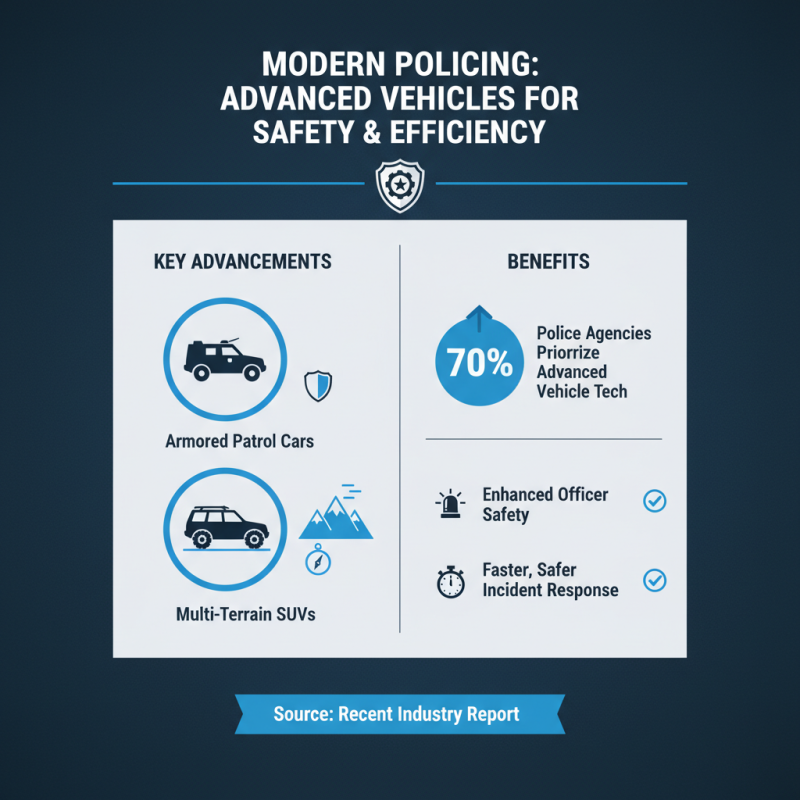
Modern policing demands specialized vehicles. These vehicles are crucial for enhancing officer safety and operational efficiency. A recent report highlights that 70% of police agencies prioritize investing in advanced vehicle technologies. These advancements include armored patrol cars and SUVs designed for a variety of terrains. They help officers respond quickly and safely to critical incidents.
These specialized vehicles often come equipped with cutting-edge technology. Features like real-time GPS tracking and body-worn cameras are widely utilized. According to industry standards, these technologies can reduce response times by up to 30%. Officers can easily document incidents as they unfold, providing valuable evidence. However, reliance on tech may lead to complacency if officers ignore basic situational awareness.
Tips: Ensure regular maintenance of vehicles. This keeps them functional and safe. Also, consider community feedback on vehicle visibility. High visibility can improve public trust during patrols. Balancing technology with fundamental policing skills is vital. While vehicles enhance efforts, the human element remains key. Regular training is essential to adapt to evolving challenges.
Cutting-Edge Non-Lethal Weapons to Ensure Public Safety
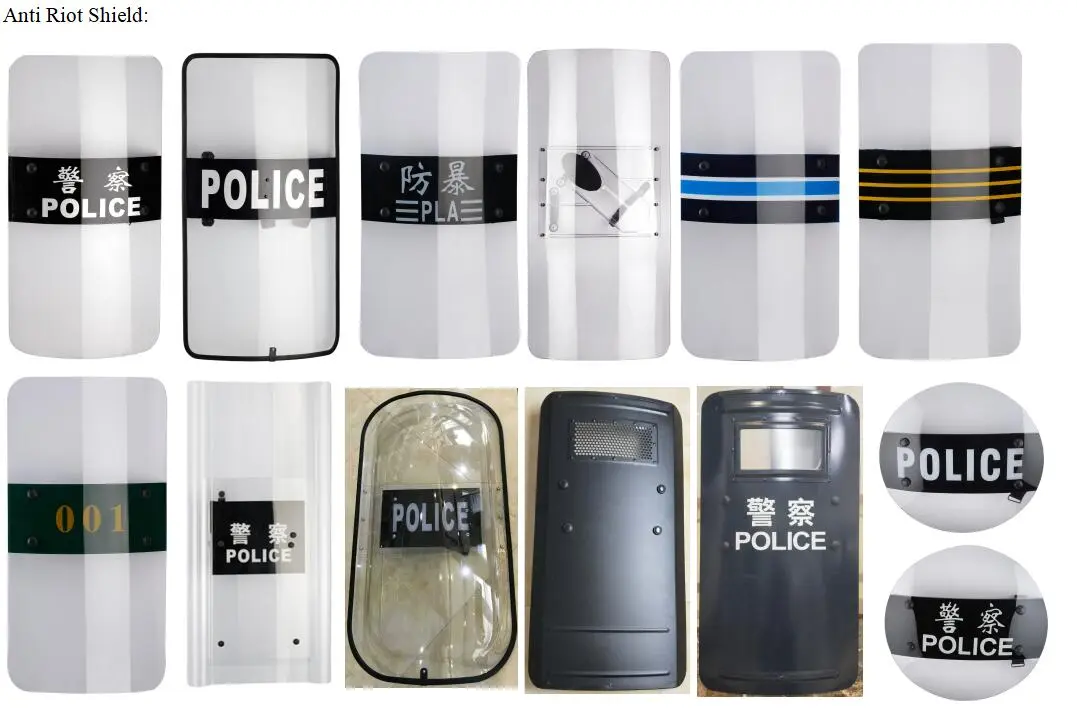
In today’s policing environment, non-lethal weapons play a vital role in enhancing officer safety. These tools can prevent escalation in tense situations. They offer effective ways to control crowds or subdue suspects without resorting to fatal methods. Examples include electric shock devices and foam projectiles designed to incapacitate.
The main goal is public safety. Yet, the use of non-lethal weapons also raises concerns. Officers must be well trained to use these tools effectively. Misuse can lead to unintended harm. An essential factor is understanding the community's perception of these methods. Miscommunication can create distrust, overshadowing the tools' intended purpose.
It's crucial to strike a balance. Non-lethal options should complement traditional police strategies. Encouraging dialogue with communities fosters a better understanding. While these tools enhance safety, reflection on their implementation is necessary. Officers must remain vigilant about the potential implications of their use.