What is the Riot Protective Suit and How Does It Work?
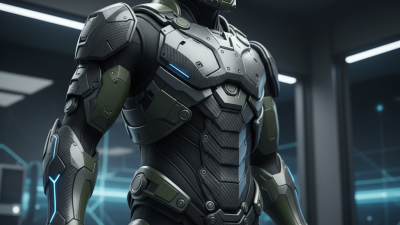
The Riot Protective Suit is a critical tool for safety in tense situations. Designed for law enforcement and security personnel, it provides essential protection during riots or protests. This suit combines advanced materials with innovative design for enhanced durability.
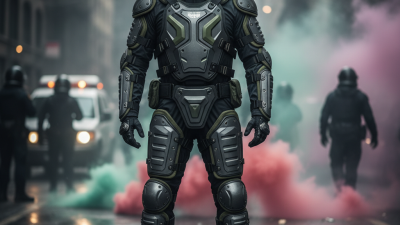
When individuals in crowds become hostile, risks increase. Officers wearing the Riot Protective Suit are safer from projectiles and other hazards. Its layers effectively absorb impacts. The suit's mobility allows movement while maintaining security.
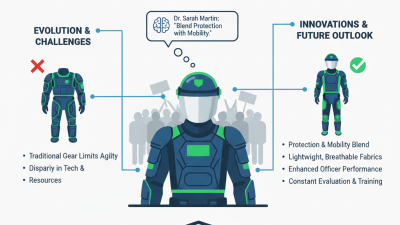
While effective, challenges remain. Some users report discomfort in extreme weather. Others find limits in visibility during chaotic scenes. The Riot Protective Suit is a vital resource but requires ongoing assessment for improvements. Balancing protection and usability is a key area for development.
Understanding the Structure of Riot Protective Suits
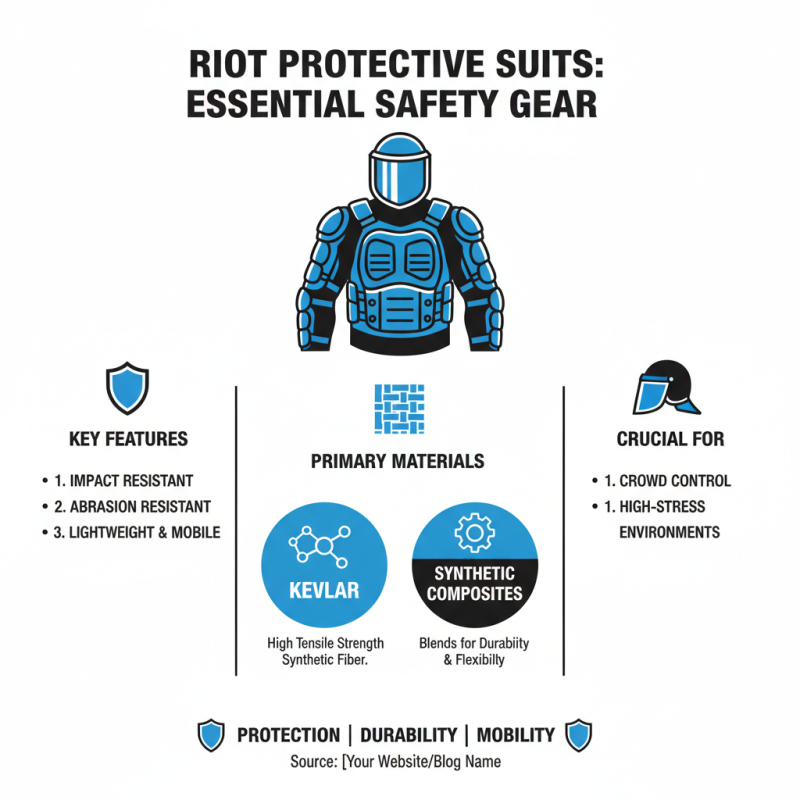
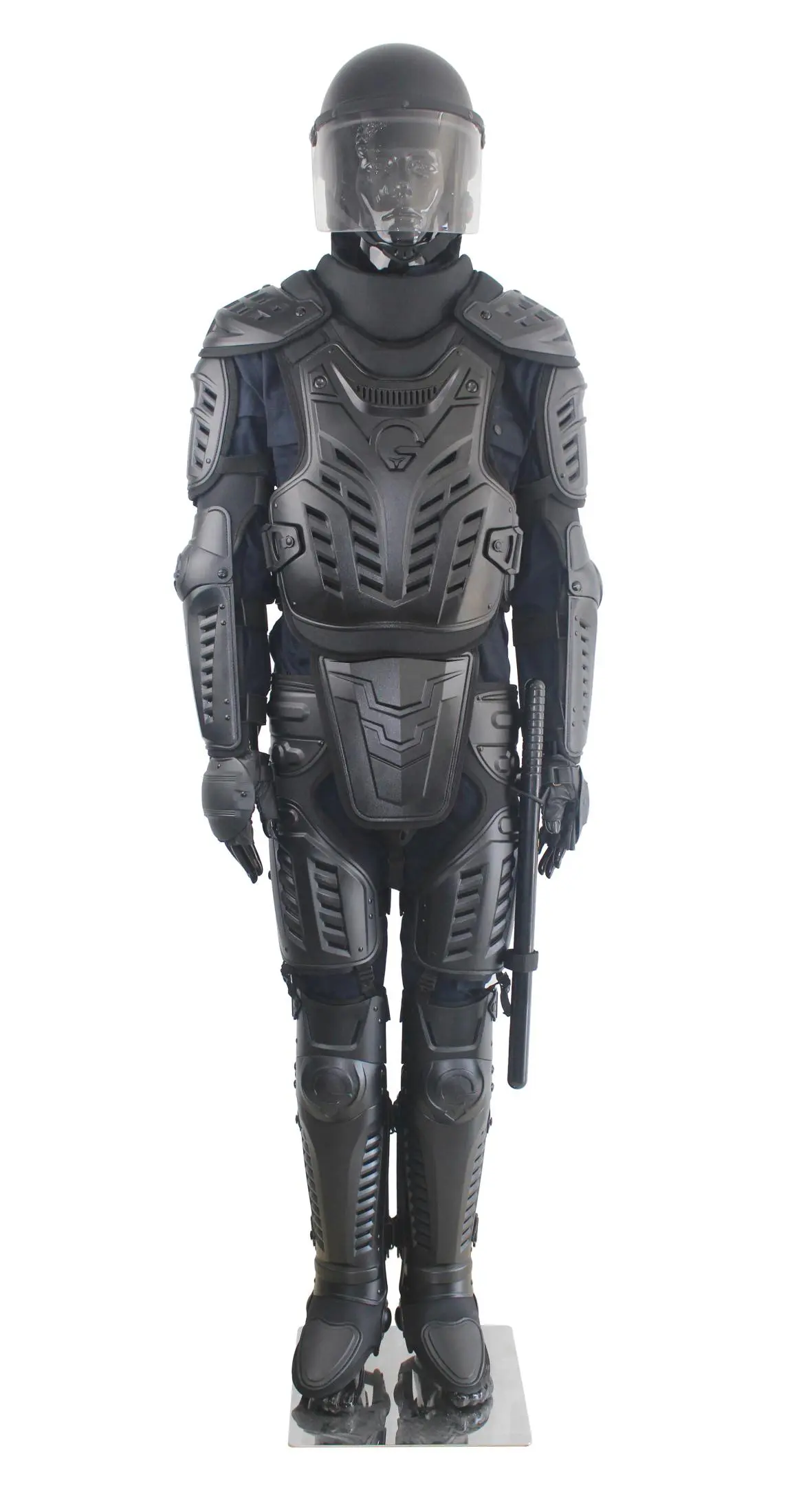
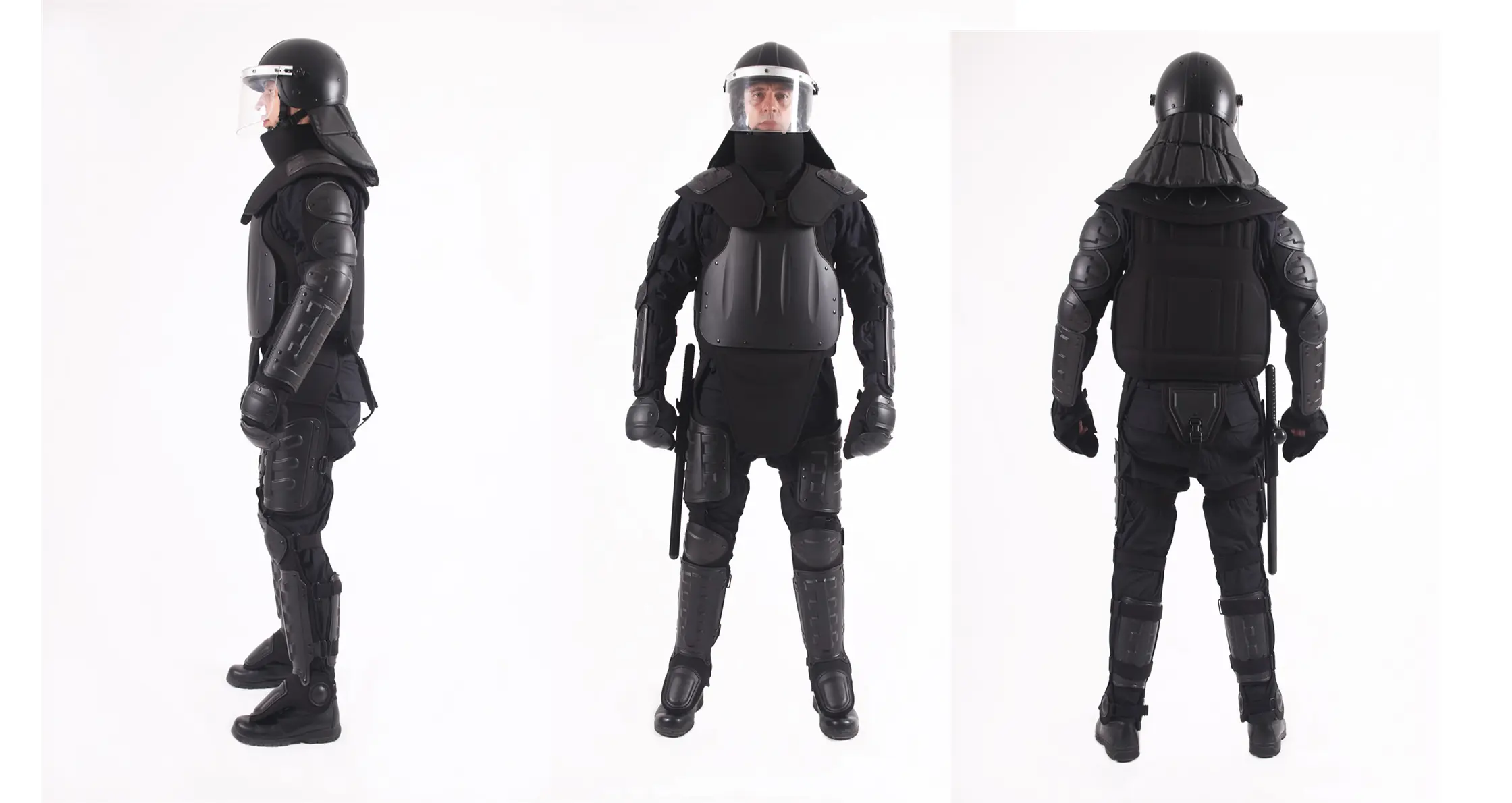
Riot protective suits are designed to shield users from various threats during civil unrest. Understanding their structure is crucial for evaluating their effectiveness. Typically, these suits consist of multiple layers. The outer layer may be made of durable materials like cordura or ballistic nylon. These materials resist cuts and abrasions, helping protect against sharp objects.
The internal layers often incorporate padding and energy-absorbing materials. This design absorbs impact from projectiles, reducing injury risks. A key feature is breathability. Users need comfort during extended wear. Reports show that 70% of officers prefer suits with moisture-wicking properties, ensuring they remain dry.
Tip: When choosing a riot suit, consider weight. Lighter suits enhance mobility.
Another aspect is visibility. Some suits use reflective elements, improving safety in low-light conditions. Yet, not all designs prioritize this. It's vital to assess potential compromises between protection and visibility. The balance affects the suit's overall functionality during incidents.
Tip: Regular training can enhance the effectiveness of riot suits. Familiarity with equipment builds confidence. Remember, constant improvement is necessary in protective gear design. Each suit may have strengths and weaknesses that need addressing.
Mechanisms of Protection in Riot Gear
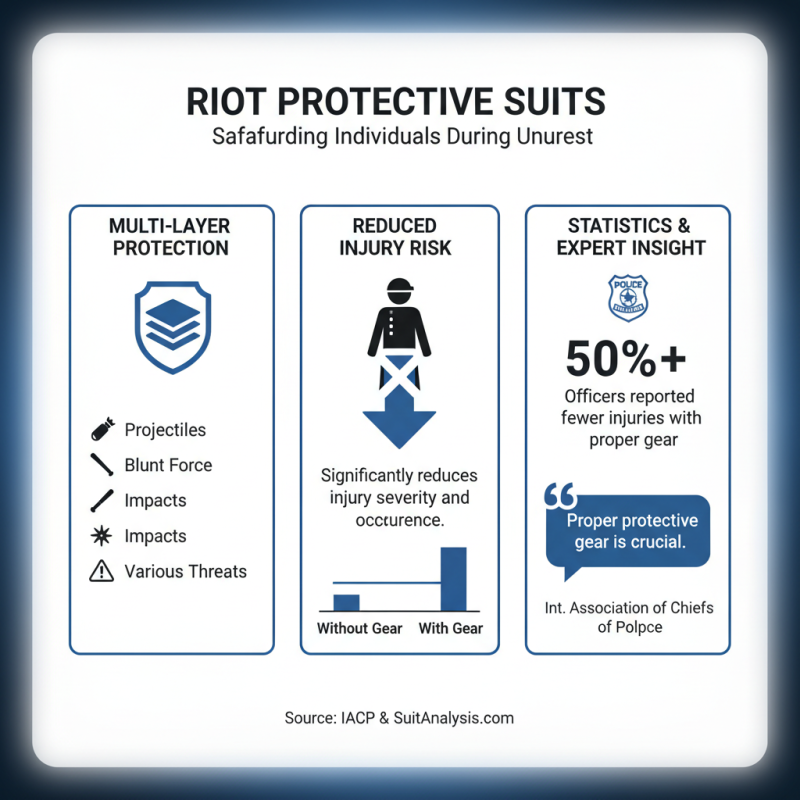
Riot protective suits are designed to safeguard individuals during unrest. They offer multiple layers of protection against various threats like projectiles and blunt force. Detailed analysis indicates that these suits significantly reduce injury risk. According to the International Association of Chiefs of Police, over 50% of officers reported fewer injuries when equipped with proper protective gear.
The mechanisms of protection in riot gear are multi-faceted. Suits use advanced materials that absorb impact and disperse force. These materials include high-density polyethylene and aramid fibers. Both materials are lightweight yet durable. Some reports suggest that the effectiveness of these materials can diminish over time, leading to potential vulnerabilities.
Moreover, visibility is crucial in chaotic environments. Many suits incorporate reflective strips, enhancing safety. However, they can hinder movement, making it harder to respond. Studies have indicated that wearing bulkier suits can slow reaction times by up to 15%. This aspect raises concerns about overall effectiveness during critical incidents.
Applications and Use Cases of Riot Protective Suits
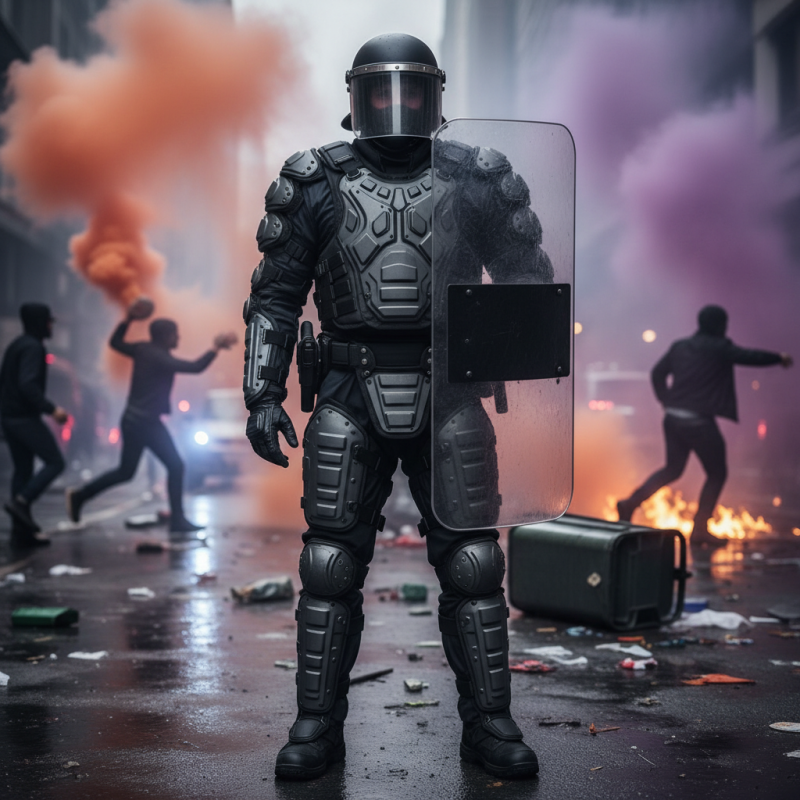
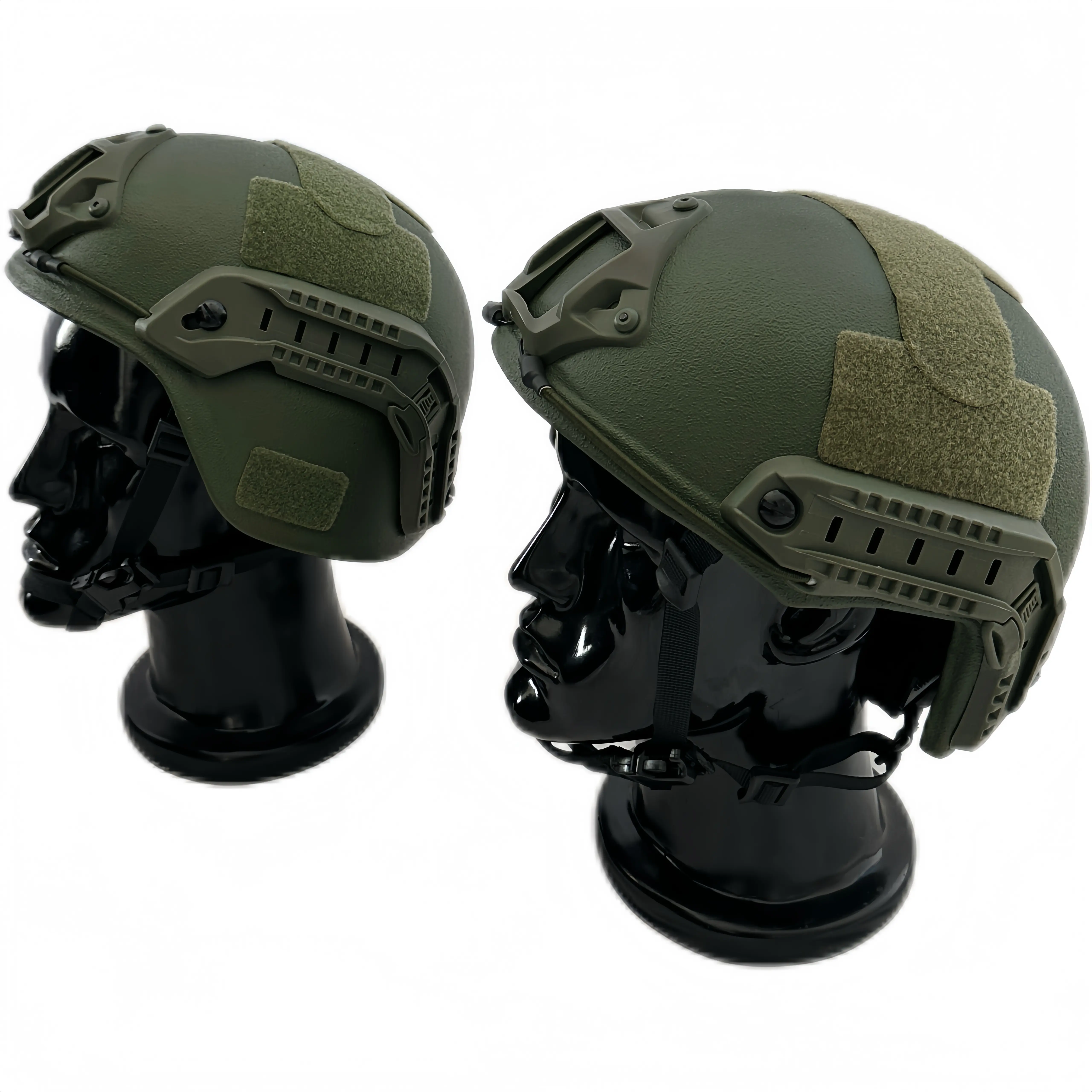
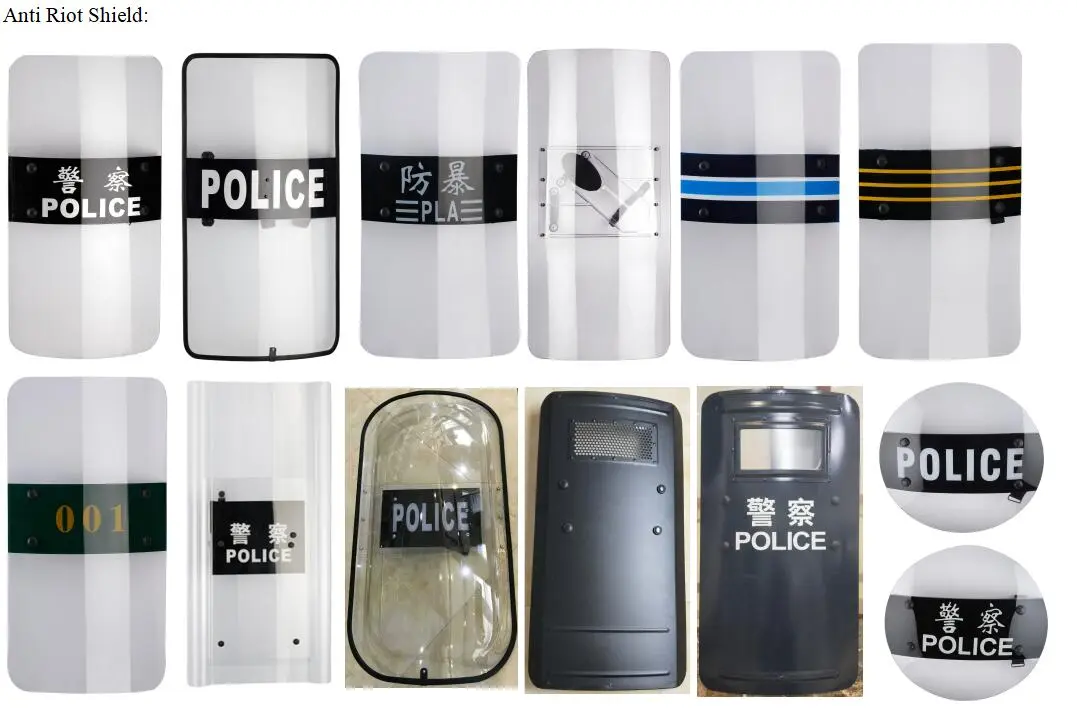
Riot protective suits serve multiple functions in maintaining safety during civil disturbances. They are designed primarily for law enforcement and security personnel. These suits typically include body armor, helmets, and shields, providing protection against projectiles and other potential threats. Enhanced mobility is also a key feature, allowing users to navigate challenging environments.
One significant application is during large public events. Riots can erupt unexpectedly, and having the right protective gear is crucial. These suits help minimize injuries, allowing officers to manage situations more effectively. However, their heavy design can restrict movement, which may slow response times. Training becomes essential to overcome these limitations.
Another important use case is in crowd control operations. Riot suits enable personnel to approach unruly crowds, defusing tensions without escalation. Even with advanced gear, officers still face unpredictable scenarios. The effectiveness of the suit depends on proper use, yet not every situation allows for a perfect strategy. Reflection on past deployments often reveals areas for improvement in both equipment design and operational tactics.
What is the Riot Protective Suit and How Does It Work? - Applications and Use Cases of Riot Protective Suits
| Application |
Description |
Key Features |
Use Cases |
| Crowd Control |
Used by law enforcement to manage large crowds and ensure safety. |
Impact resistance, cut-resistant materials, and ergonomic design. |
Riot policing, large events, protests. |
| Personal Safety |
Provides individual protection while engaging in riot situations. |
Lightweight, breathable fabric, reinforced areas for added protection. |
Protecting journalists, security personnel. |
| Training and Exercises |
Used in training scenarios for law enforcement and security personnel. |
Durable construction for extended use, realistic simulation. |
Riot control training sessions, tactical exercises. |
| Civil Disturbances |
Designed to protect officers during confrontations with aggressive crowds. |
Built-in padding, chemical resistance, reflective elements for visibility. |
Responding to riots or protests with potential violence. |
Limitations and Challenges in Riot Suit Effectiveness
Riot protective suits are designed to shield users from various threats during crowd control situations. However, these suits come with limitations and challenges. They can be bulky and restrict movement, which can hinder response time in urgent situations. It is vital for wearers to balance protection and agility.
Environmental factors also play a role in the suit's effectiveness. In hot conditions, wearing a heavy suit can cause overheating. This can lead to dehydration and fatigue. Some users report difficulty in maintaining focus while suited up. This is a critical issue when quick decisions are necessary.
Tips: Test gear in diverse environments. It's essential to understand how it feels during actual use. Familiarization can prevent surprises in the field. Regular breaks in extreme conditions help maintain stamina. Always have quick access to hydration.