What Is a Riot Suit and How Does It Work?
A riot suit is essential for personnel in high-risk situations. These protective garments are designed to shield individuals from physical harm. The materials used are robust yet flexible, allowing for movement during chaotic events. Riot suits typically encompass helmets, visors, and padded clothing. They serve as crucial barriers against projectiles and blunt force injuries.
Understanding how a riot suit works is vital for those in public safety roles. It operates through a combination of protective features, each aimed at reducing injury risks. The suit’s construction often includes reinforced fabrics that absorb impacts. However, they can be bulky, making agility a concern. This trade-off between protection and ease of movement warrants reflection.
Riot suits are more than mere clothing; they symbolize the weight of responsibility. They are essential in maintaining order while ensuring safety. The challenge lies in finding the balance between security and mobility. Despite advancements, the need for continuous improvement remains. A well-designed riot suit can mean the difference in tense situations.
What Is a Riot Suit?
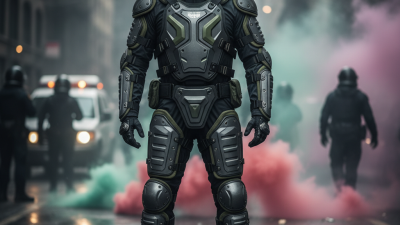
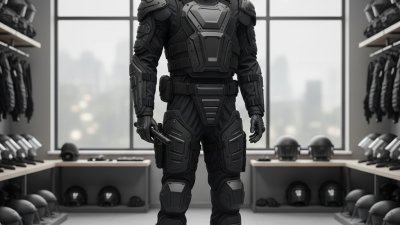
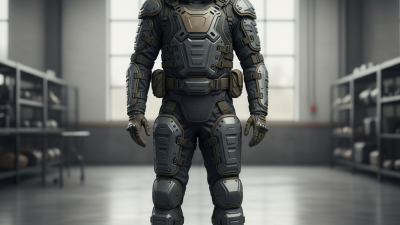
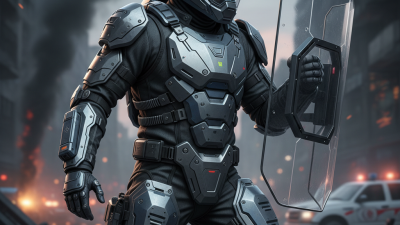
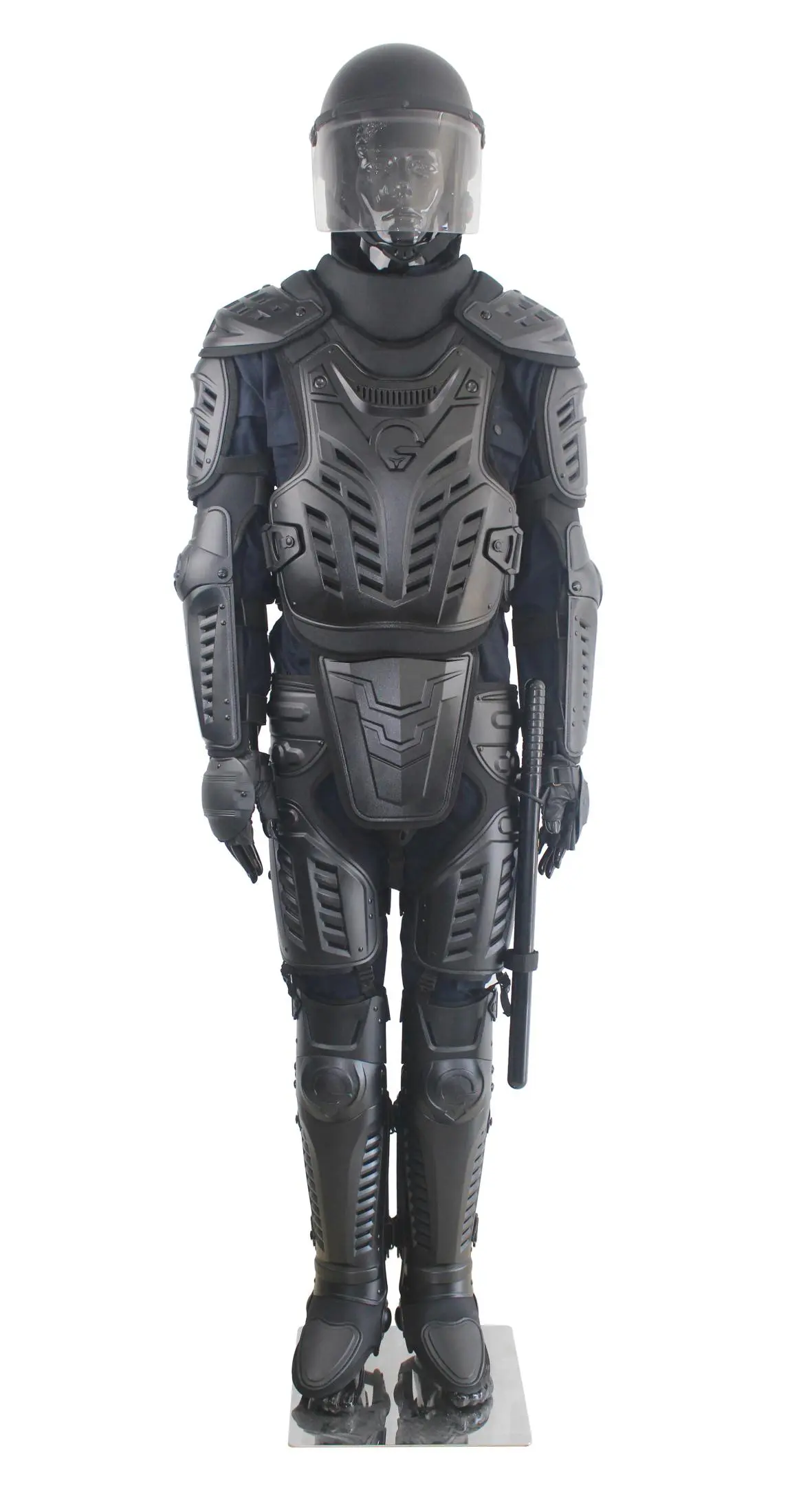
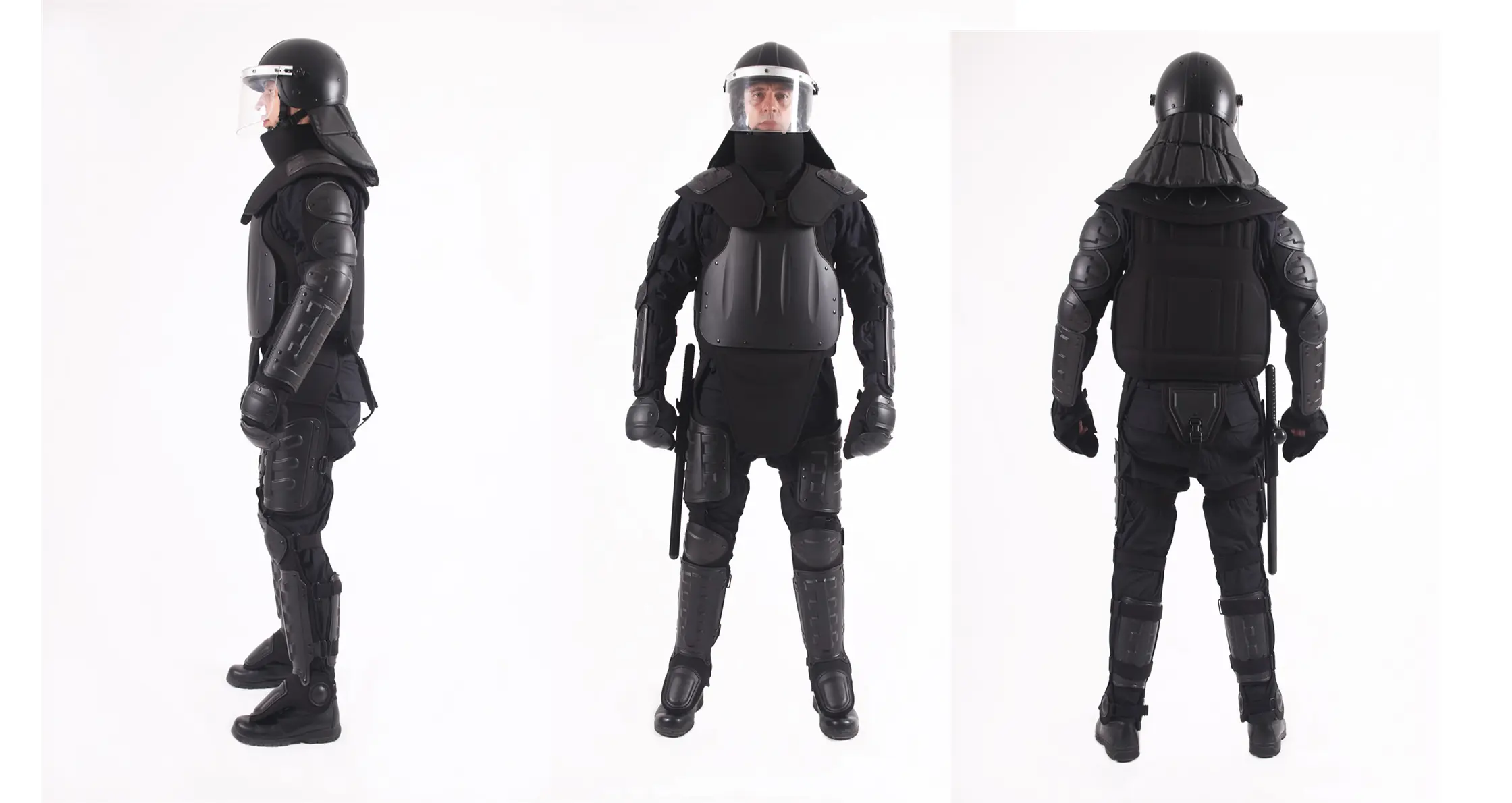
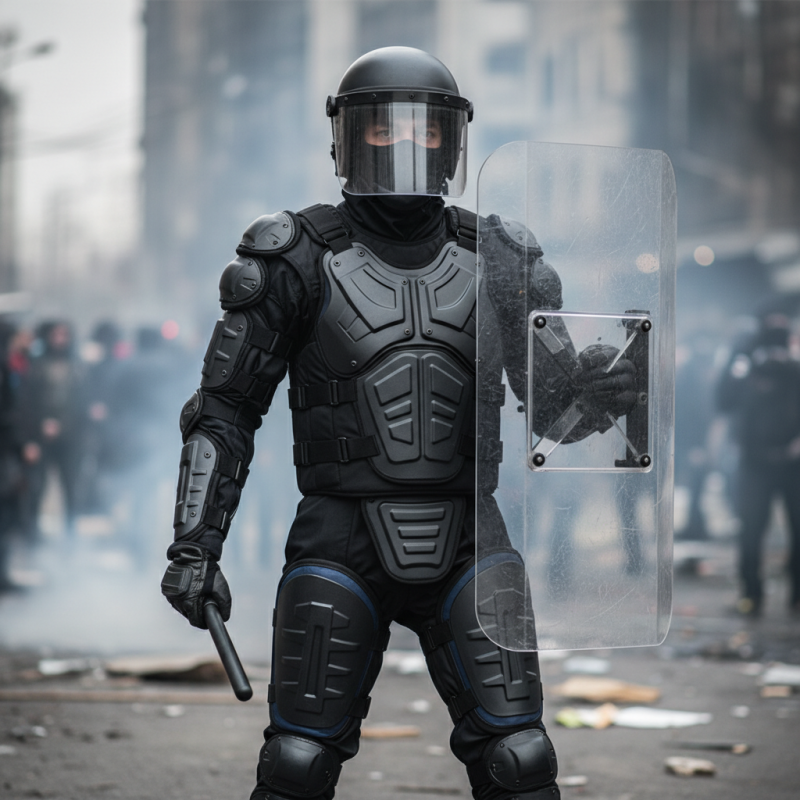
A riot suit is specialized protective gear designed for law enforcement and security personnel. It provides defense against various threats encountered during crowd control situations. These suits typically consist of a helmet, face shield, padded body armor, gloves, and shin guards. They are built to absorb impacts and resist abrasions from objects like thrown bricks or bottles.
According to industry reports, the global market for personal protective equipment, including riot suits, was valued at approximately $55 billion in 2021. This reflects a growing awareness of safety needs in public spaces. Reports also indicate that designers emphasize lightweight materials, enhancing mobility while maintaining protection. However, challenges exist in balancing durability and comfort. Many officers find that heavier suits hinder their quick response.
Riot suits are not without their flaws. Some designs can limit air circulation, leading to overheating during prolonged engagements. Effective training on proper usage is often overlooked, resulting in reduced effectiveness. This prompts a need for continuous innovation and improvement in riot gear. Reports suggest a focus on incorporating advanced materials and reinforced designs to better serve personnel in challenging environments.
Riot Suit Protection Levels
This chart illustrates the protection levels provided by a typical riot suit across various features, ranging from ballistic protection to durability. Each feature is rated on a scale from 1 to 10, indicating the level of safety offered.
History and Development of Riot Suits
The history of riot suits reflects an evolving response to public disorder. Initially, these suits were basic and offered limited protection. Early designs emerged in the late 20th century, catering primarily to police forces. They focused on safeguarding against projectiles and blunt force. However, the need for better protection became increasingly clear.
As riots grew more intense, the development of riot suits advanced. Engineers conducted studies showing that protective gear needed to handle more than just physical strikes. Reports indicated that injuries from chemical agents have risen significantly; thus, the integration of chemical-resistant materials was essential. Modern riot suits now incorporate advanced fabrics that resist both cuts and chemicals. Approximately 75% of law enforcement agencies utilize some form of protective gear today.
Despite these advancements, challenges remain. Some suits can restrict movement, affecting officers' agility. Innovations are ongoing, but not all designs address this concern. Feedback from field experience is crucial to understand how these suits perform in real-world situations. Balancing protection and mobility continues to be a critical focus.
Key Components of a Riot Suit
A riot suit is essential for personal safety during unrest. Its key components include a helmet, body armor, and shin guards. These parts are designed to absorb impact and protect against projectiles. For example, a study by the National Institute of Justice indicates that proper body armor can reduce injury risks by up to 50%. This highlights the importance of choosing suitable materials and designs in riot gear.
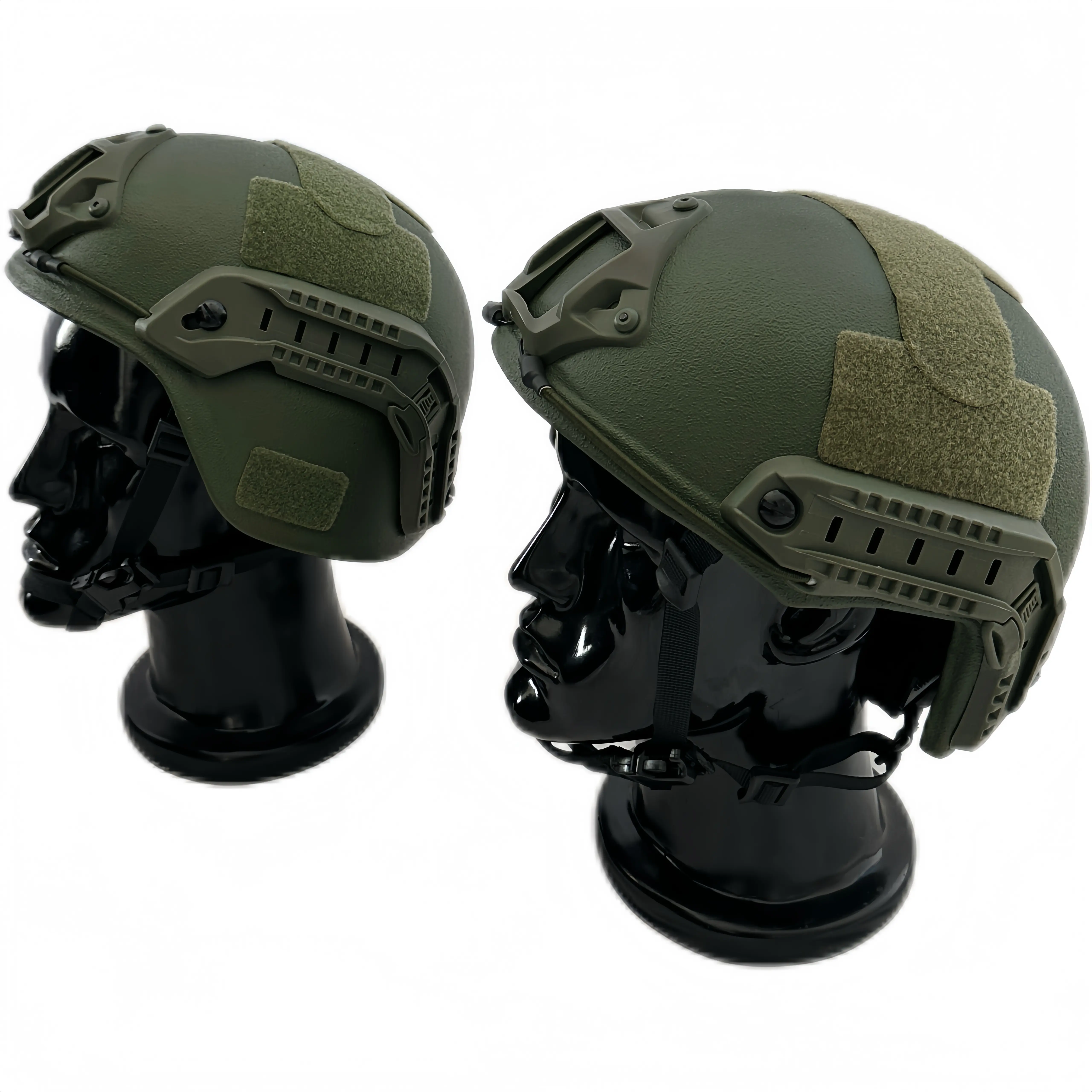
The helmet is often made of high-impact polycarbonate. It shields against blunt force and provides face protection. Many models feature a visor to protect against chemical splashes. Meanwhile, the body armor is usually a layered system to repel knives and blunt objects. The inclusion of groin and knee protection is vital. Detailed research suggests that these areas are particularly vulnerable during riots.
Comfort plays a significant role in riot suit efficacy. Bulky designs can hinder movement, making quick responses difficult. Adjustable straps and breathable fabrics help mitigate this issue. Yet, there are ongoing challenges. Some materials still lack sufficient flexibility, limiting their effectiveness in dynamic situations. Addressing these design flaws is crucial for future innovations.
How Riot Suits Function in Crowd Control
Riot suits are essential for crowd control, providing protection during potentially dangerous situations. They are designed to absorb impact and resist various elements. The materials used include strong plastics and layered fabrics, which help shield the wearer. These suits cover the entire body, minimizing exposure to projectiles and harmful substances. The entire setup often includes a helmet, gloves, and shin guards.
Using a riot suit effectively requires understanding its limitations. While it provides excellent protection, it can hinder mobility. This lack of flexibility may affect response times during fast-paced scenarios. Additionally, the heat inside the suit can be overwhelming. Wearers must remain aware of their physical condition.
Tips: Stay hydrated before wearing a riot suit. Take breaks when possible to avoid overheating. Practice moving in the suit to maintain agility. Remember, the goal is to control the situation without escalating it further. Proper training is necessary, as is the awareness of your surroundings. The balance of safety and effectiveness lies in thoughtful use.
Safety Standards and Effectiveness of Riot Suits
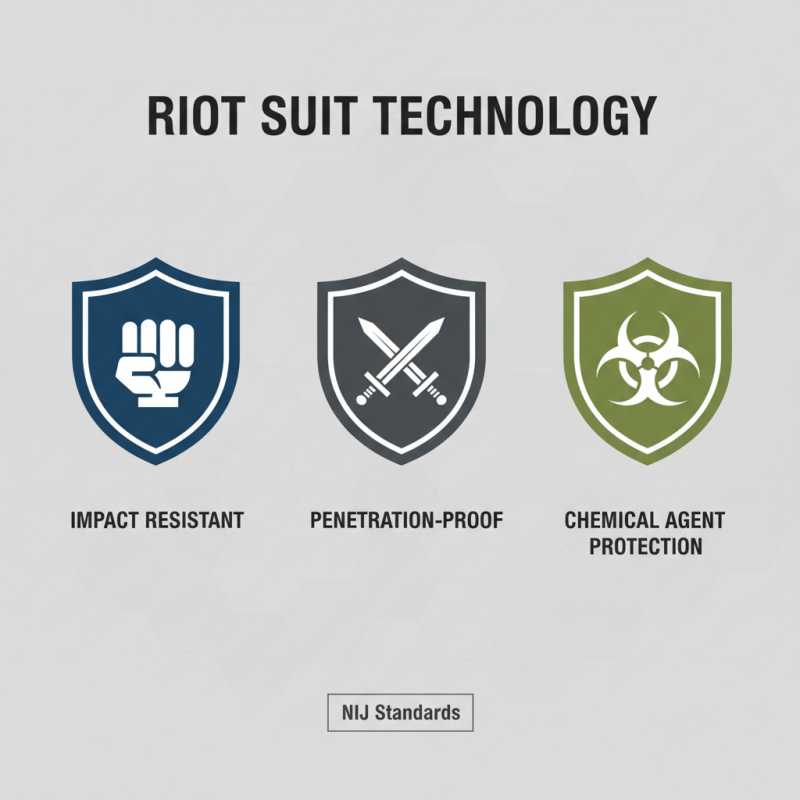
Riot suits are specialized protective gear designed to safeguard individuals in high-risk situations. These suits often adhere to strict safety standards, ensuring their effectiveness against various threats. According to a report by the National Institute of Justice, effective riot suits must withstand impacts, resist penetration, and provide protection from chemical agents.
Many manufacturers follow guidelines set by organizations like ASTM International. They specify criteria for materials that should not tear easily. Advanced suits may use Kevlar composites or similar fabrics. Research indicates that well-designed suits can reduce injury risk by over 60%. However, challenges remain. Some suits can be heavy and restrict movement, which can hinder rapid response.
Testing methods vary, but many lack real-world scenario assessments. Field evaluations show mixed results. In some cases, officers report discomfort and restricted mobility. Proper training and awareness are crucial for effective use. A suit is only as good as the person wearing it. Reflecting on these factors is essential for improving safety equipment.