What is a Riot Suit and Why Do You Need One?
In today’s unpredictable world, a Riot Suit is more than just protective gear; it’s a crucial tool for safety. Designed to shield individuals from various threats, these suits can provide peace of mind in tense situations. Riot Suits often feature robust materials that resist impacts, projectiles, and chemical exposure, making them essential for law enforcement and security personnel.
However, owning a Riot Suit requires careful consideration. The right fit and design dramatically influence comfort and mobility. Not all suits offer the same level of protection, and some may even be cumbersome. It’s vital to evaluate the suit’s specifications and endorsements from experienced professionals.
While Riot Suits can enhance safety, they also present an ethical dilemma. Their presence at protests can escalate tension. This duality challenges wearers to reflect on their role and responsibilities. Ultimately, the decision to use a Riot Suit must balance protection with awareness, ensuring that safety does not compromise the very principles we seek to uphold.
What is a Riot Suit? Definition and Key Features Explained
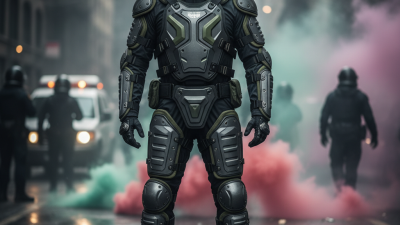
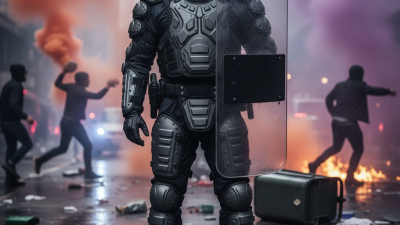
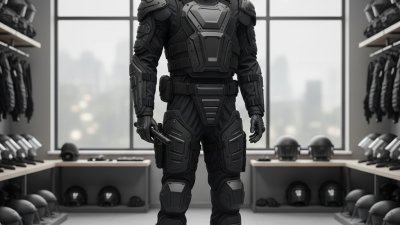
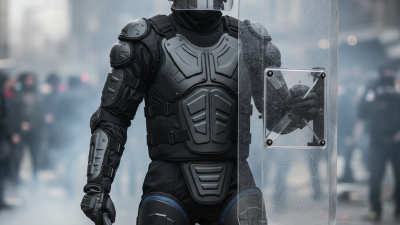
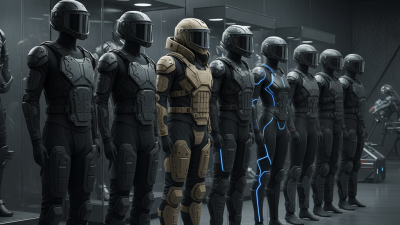
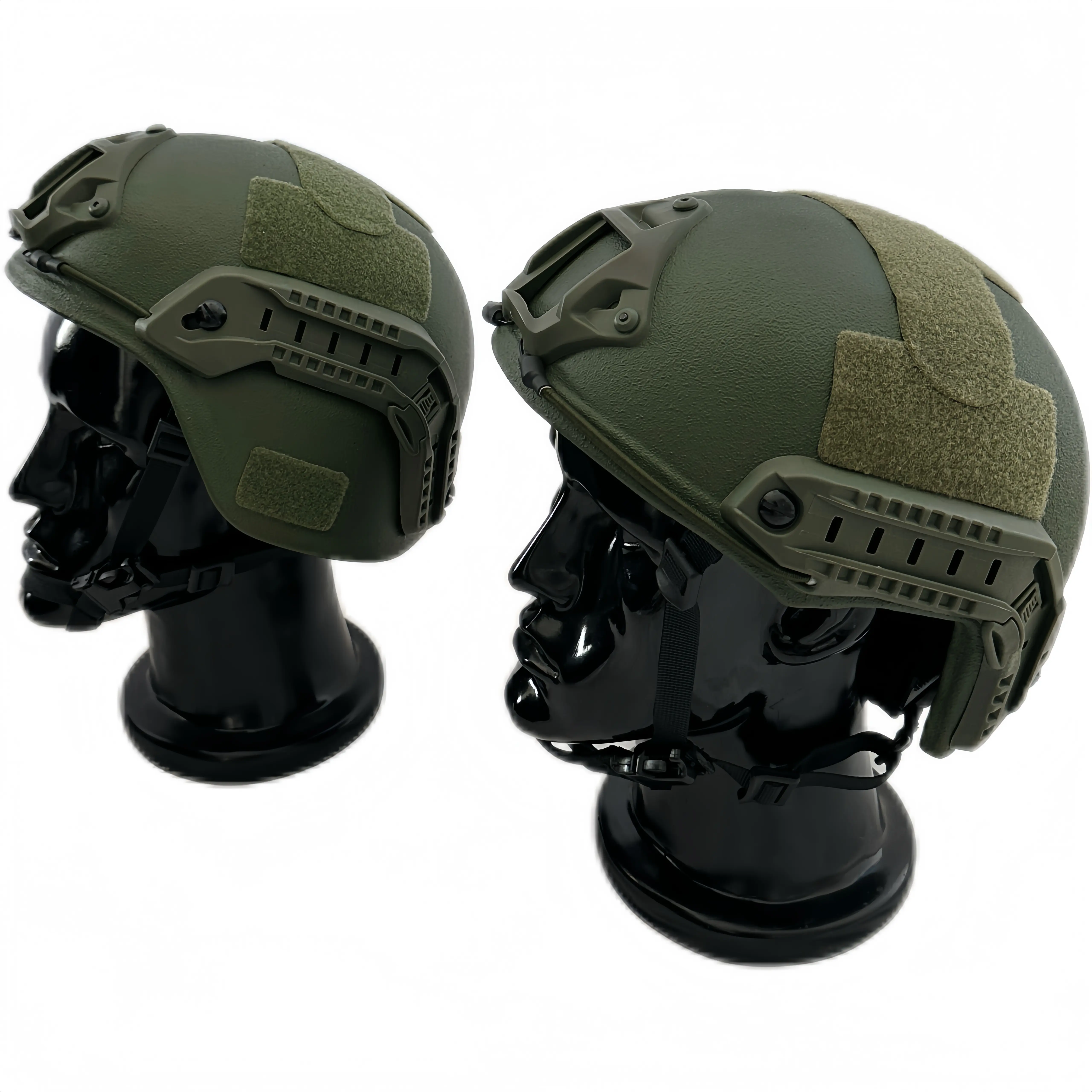
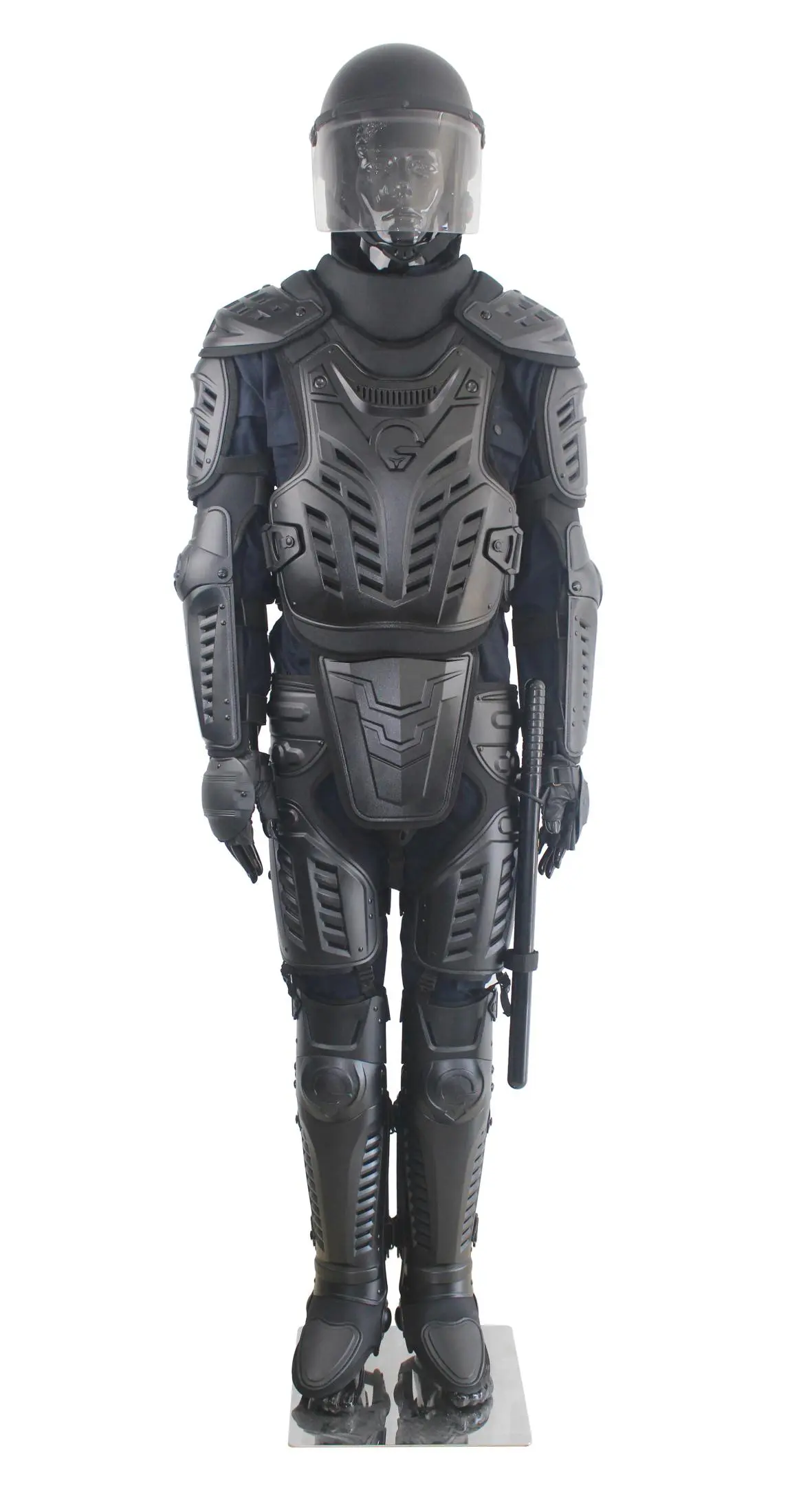
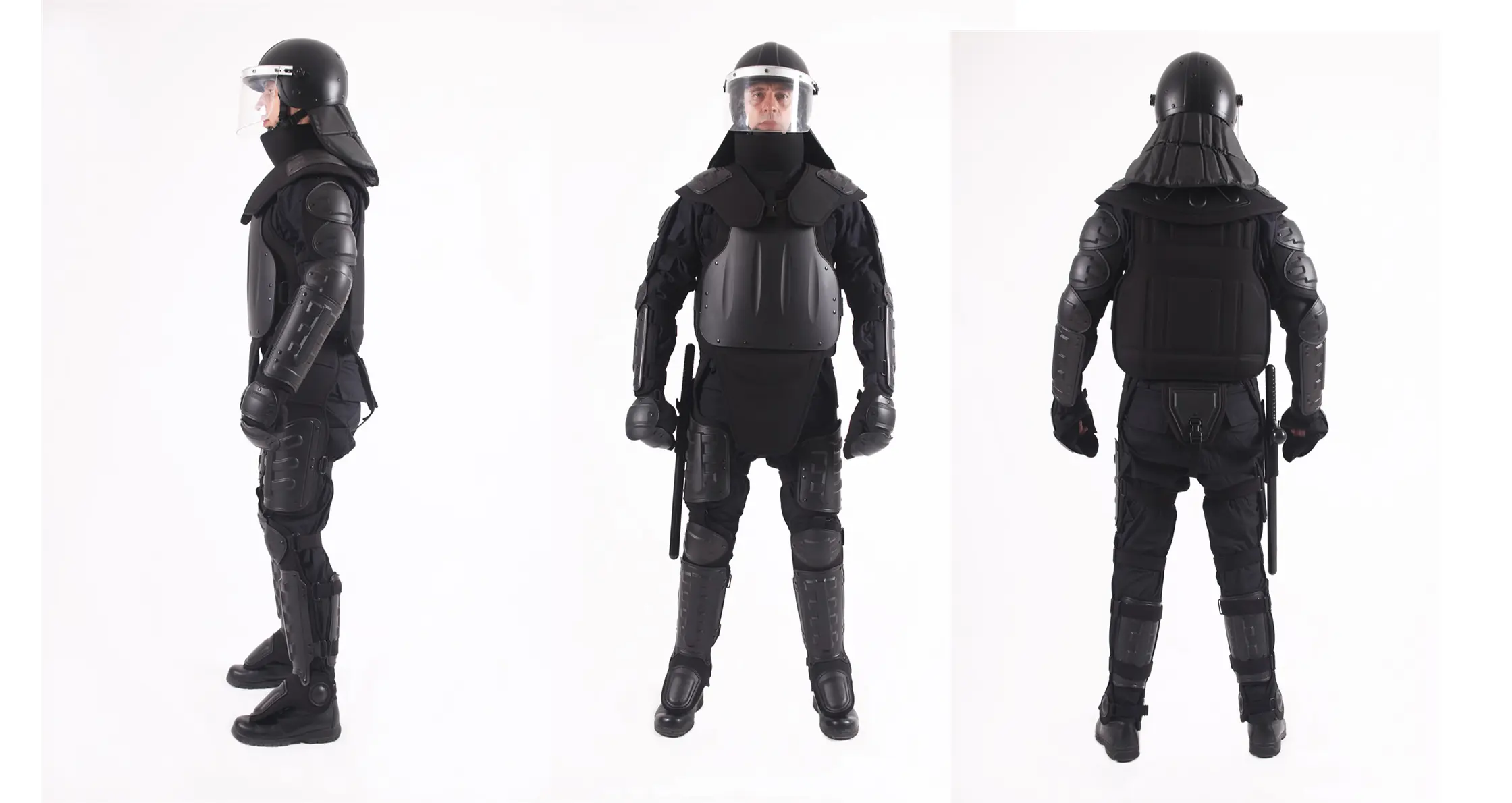
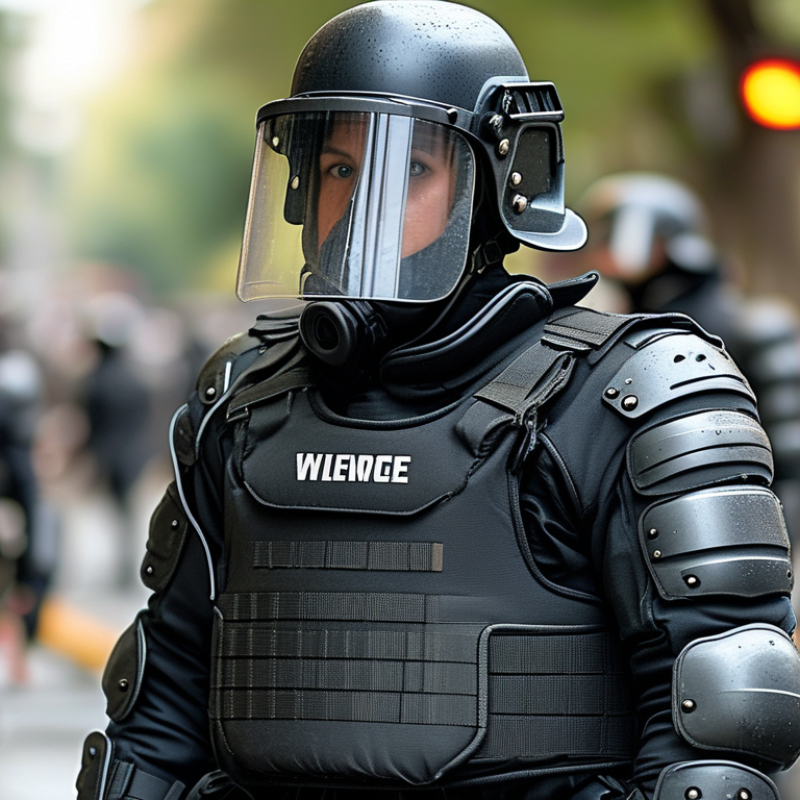
A riot suit is a specialized protective gear designed for use in high-risk situations like protests or civil unrest. It aims to safeguard the wearer, typically law enforcement personnel, from physical harm. Made of durable materials, these suits often include helmets, face shields, and reinforced padding. The suit's primary function is to absorb impacts, offer stab resistance, and shield against projectiles. Each component plays a critical role in protecting vital areas of the body.
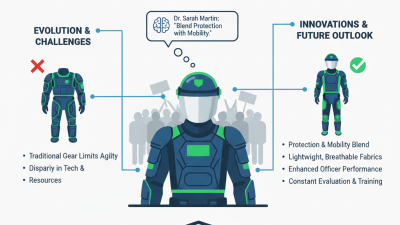
The key features of a riot suit include its lightweight design and flexibility. Encouraging mobility is essential, as officers need to navigate crowded environments efficiently. Breathable fabrics help manage heat and sweat, ensuring comfort during prolonged wear. However, some users report discomfort due to restricted movement in certain suits. This feedback highlights the need for ongoing improvements in design. Furthermore, the increasing reliance on technology raises questions about the integration of communication devices within the suits, which could enhance operational effectiveness.
Understanding the significance of riot suits is essential for various professionals. They need to be aware of the protective measures and limitations involved. This awareness contributes to informed decision-making in high-pressure situations. Investing in high-quality riot gear can minimize risks, but it’s vital to continually assess its effectiveness. As situations evolve, the design and technology of riot suits must adapt to meet new challenges.
Riot Suit Features Analysis
This bar chart illustrates the features of riot suits, including durability, mobility, weight, cost, and protection level. Each feature is rated on a scale of 1 to 10, based on their importance and effectiveness in riot situations.
The Importance of Riot Suits in Law Enforcement and Public Safety
Riot suits play a critical role in maintaining public safety during unrest. These protective garments shield law enforcement officers from various threats, including projectiles, chemical agents, and physical confrontations. Their design offers high levels of protection while allowing for mobility. This balance is essential in chaotic environments where every second counts.
Tips: When choosing a riot suit, ensure it meets industry standards. Consider the materials used for durability and flexibility. Inspect for visibility features, which can enhance safety in crowded situations.
Officers wearing riot suits must adapt to unique circumstances. The presence of crowds can provoke unpredictable reactions. Situational awareness is vital. Even with the best equipment, officers may face challenges. Training in conflict resolution can enhance safety. Being prepared goes beyond gear; effective communication can de-escalate tensions.
Tips: Regular training sessions are crucial for officers. They help build confidence in their gear and tactics. Understanding crowd dynamics can improve response strategies. Always prioritize personal safety and use appropriate equipment.
Materials Used in Riot Suits: Balancing Protection and Mobility
Riot suits are specialized protective gear designed to safeguard individuals during civil disturbances. The materials used in these suits are crucial for ensuring both protection and mobility. Typically, a riot suit consists of several layered materials that can absorb impacts and resist abrasions. Commonly used materials include reinforced fabrics, such as Kevlar and high-density polyethylene.
According to industry reports, a solid riot suit can reduce blunt force injury risk by up to 30%. However, achieving a balance between protection and mobility remains a challenge. Heavy materials may enhance safety but limit movement, making it difficult for users to respond rapidly. A study from the National Institute of Justice emphasizes that flexibility is nearly as essential as protection in riot situations. Lightweight options made from advanced composites may prove beneficial, yet they often lack the same level of protection.
In recent years, the trend has shifted towards multi-functional designs that prioritize both features. Some manufacturers have explored breathable fabrics that reduce overheating during prolonged use. However, these innovations raise questions about durability and long-term effectiveness. As the need for effective riot control increases, the ongoing evolution of materials reflects a commitment to improving safety while facilitating agile movement. This dual focus presents a unique area for exploration and debate within the industry.
What is a Riot Suit and Why Do You Need One?
| Material |
Protection Level |
Mobility |
Weight |
Cost (Approx.) |
| Kevlar |
High |
Moderate |
3.5 kg |
$800 |
| Polycarbonate |
Medium |
High |
2.5 kg |
$500 |
| Ballistic Nylon |
Medium |
Good |
3 kg |
$400 |
| FRP (Fiber Reinforced Polymer) |
High |
Moderate |
4 kg |
$1,200 |
| Tactical Polymers |
High |
Very High |
2 kg |
$600 |
Statistics on Injury Reduction: How Riot Suits Enhance Officer Safety
Riot suits play a crucial role in protecting officers during high-stress situations. Statistics show that wearing riot suits can significantly reduce injuries. For example, studies indicate injury rates drop by over 30% when officers are properly equipped. This protective gear is designed to withstand various threats, including projectiles and blunt force. Extended use allows officers to operate more effectively.
Choosing the right riot suit involves understanding specific needs. Officers should consider factors like mobility, weight, and breathability. A suit that’s too heavy can hinder movement. Opting for lighter materials may enhance comfort without sacrificing protection. Always check for proper fit; suits that are too loose might not offer adequate defense.
Tips for maintaining riot suits are also essential. Regular inspections help spot wear and tear. Cleaning is vital for hygiene and functionality. Accumulation of dirt can weaken materials over time. It’s important to follow care guidelines for the specific suit. Remember, officer safety is paramount. Wearing suitable gear can lead to safer outcomes in unpredictable environments.
Future Innovations in Riot Suit Technology and Design Trends
Riot suits have evolved significantly over the years, driven by the changing needs of law enforcement and security personnel. Recent trends focus on enhancing mobility while ensuring maximum protection. New materials are being tested for their lightweight properties and durability. These advancements help officers remain agile during high-intensity scenarios. Increased comfort leads to longer wear times, a crucial factor in crowd control situations.
Innovations also harness technology to improve functionality. Some suits now feature sensors that monitor environmental conditions. These sensors can detect chemical agents or extreme temperatures. Such real-time information is invaluable during riots. Additionally, integrated communication devices help teams coordinate effectively in the chaos. However, despite these advancements, there remains a concern about the balance between protection and flexibility.
Reflecting on design trends, some riot suits may overlook aesthetic considerations. The focus tends to be heavily on protection, leading to bulky designs. While practicality is key, users often express a desire for suits that offer a more streamlined look. This disconnect prompts a call for designers to rethink their approach. Future designs should prioritize both functionality and user experience. Only then can riot suits truly meet the demands of modern law enforcement.