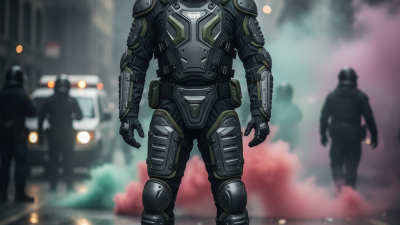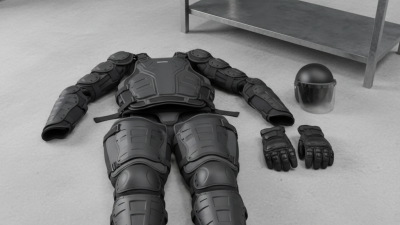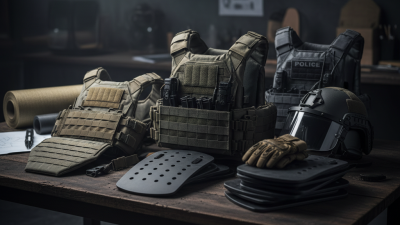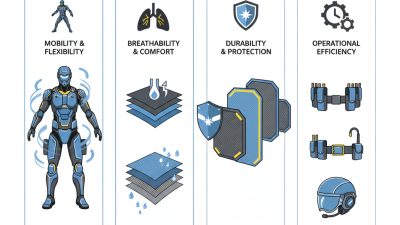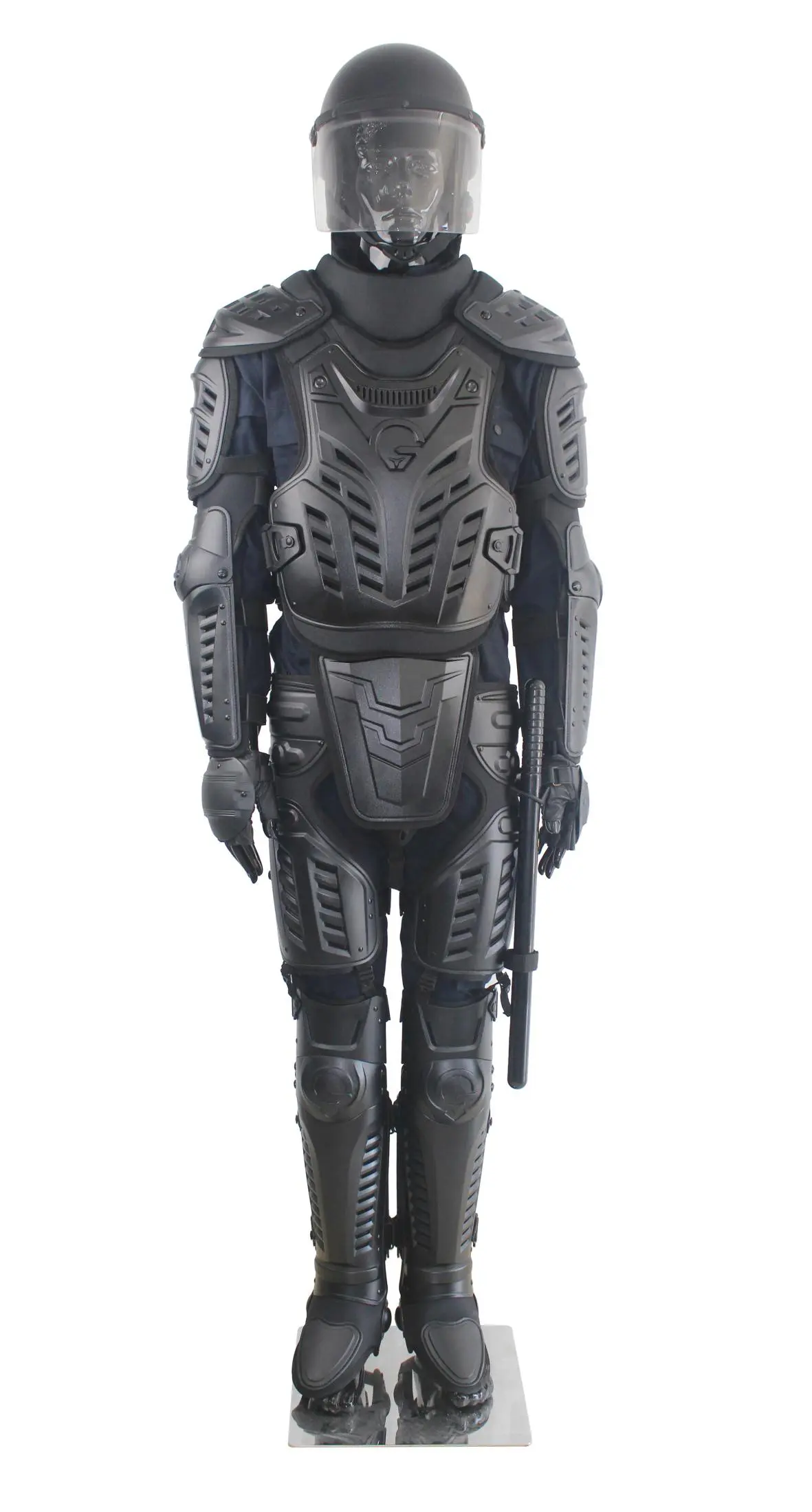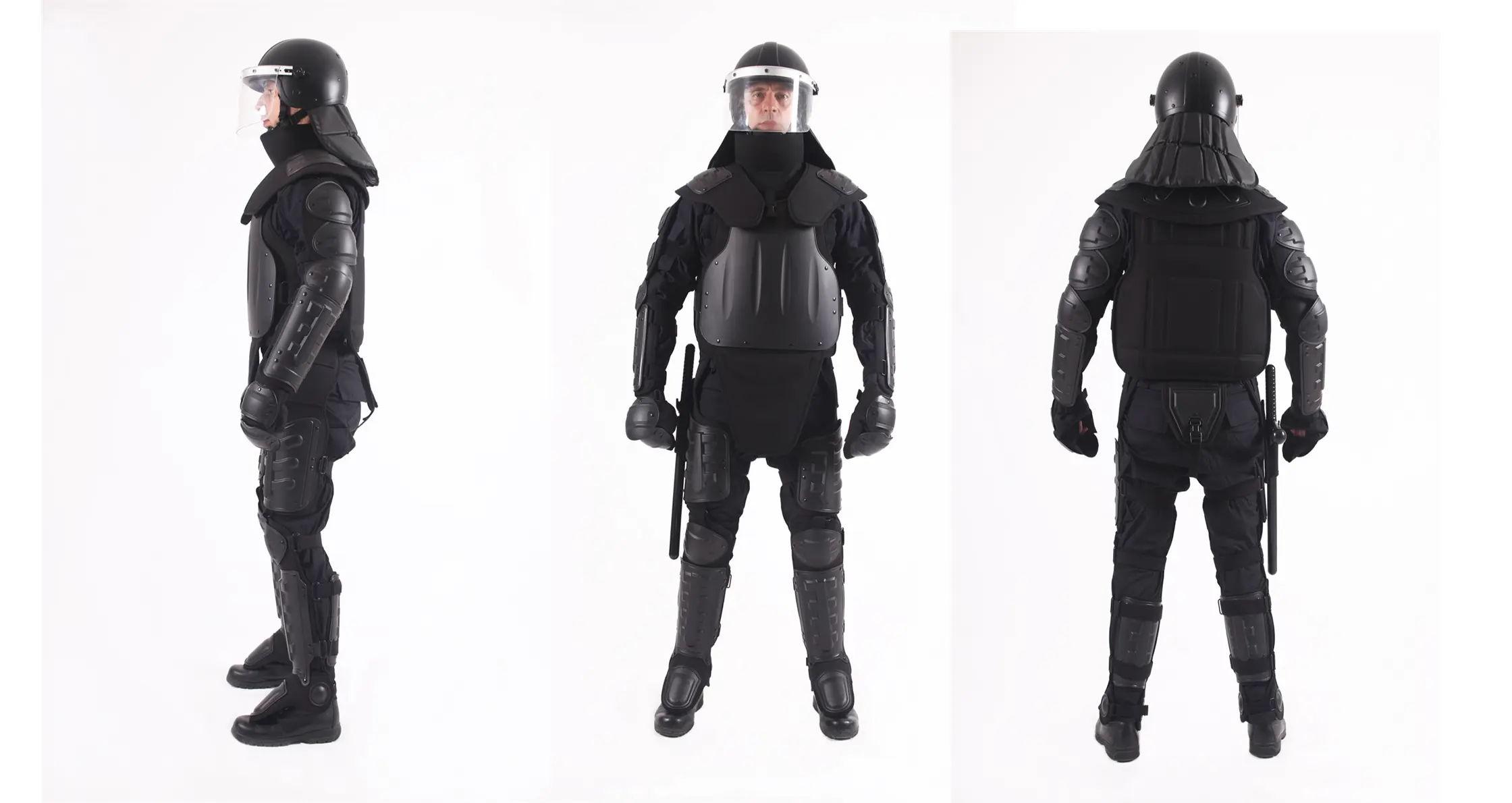
Body Armor is no longer a single-category purchase for global buyers. It includes soft armor, hard ballistic plates, hybrid systems, helmets, and modular carriers. Each type serves a different balance of protection, weight, comfort, and mobility. A vest that feels light in a showroom may become tiring after eight hours. Small details matter, including shoulder pressure, heat buildup, plate curvature, and adjustment range.
Market evidence supports this growing complexity. Grand View Research’s 2024 Body Armor Market report identifies rising demand across law-enforcement, security, and civilian protection sectors. Its analysis also highlights lightweight materials and modular designs as important development trends. Meanwhile, the National Institute of Justice’s current ballistic-resistance framework stresses consistent testing, labeling, and quality control. These standards help buyers compare products more responsibly. They do not make every product suitable for every user.
Patrick McNamara, a former U.S. Army Special Forces soldier and protective-equipment trainer, offers a practical reminder: “The best armor is the armor you will actually wear.” That sentence sounds simple. It is also easy to underestimate. Buyers should examine certified performance, fit, service life, manufacturer traceability, and local purchasing requirements. Independent test documentation deserves more trust than dramatic marketing language. Yet even experienced purchasers can overfocus on protection levels and ignore comfort. That is a mistake worth revisiting. This guide compares the leading Body Armor types, using recognized standards, market research, and real-world wearing considerations to support safer, better-informed decisions.
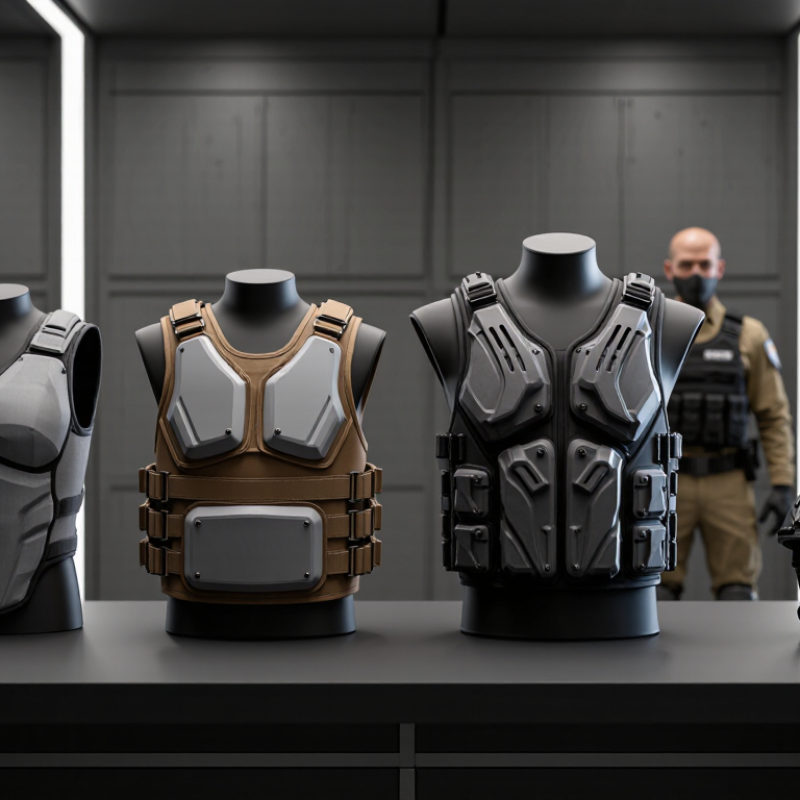
Body armor is protective equipment designed to reduce injury from specific threats. It does not make the wearer invulnerable. Its classification depends on protection level, construction, coverage, and tested performance.
The main categories are soft armor and hard armor. Soft armor uses flexible layers, often made from high-strength fibers, and is designed for comfort and daily movement.
Hard armor uses rigid plates made from ceramic, polyethylene, or metal. It generally provides stronger protection but adds weight and reduces flexibility. Some products combine both systems. The correct choice depends on the intended environment, required mobility, and local regulations.
Protection ratings must be read carefully. Independent testing standards can indicate which threats a product has resisted under controlled conditions. However, test results do not represent every real-world situation. A rating may change with temperature, impact location, wear, or poor maintenance. Coverage matters too. A plate that protects the chest may leave the sides exposed. Fit is equally important; gaps and excessive movement can reduce practical protection. Global buyers should request current test reports, material details, size charts, warranty terms, and storage guidance. They should also verify import, ownership, and use requirements in the destination country. Do not rely only on marketing language. A cheaper product may look suitable, yet its documentation can be incomplete. Even experienced buyers can overlook comfort, heat buildup, or replacement needs during evaluation.
Soft armor is the most flexible body armor type. It usually uses woven or layered synthetic fibers. This design fits under clothing and supports daily movement. It is commonly selected for protection against handgun threats. However, soft armor is not a universal solution. Its protection level, coverage, and service life depend on testing and maintenance.
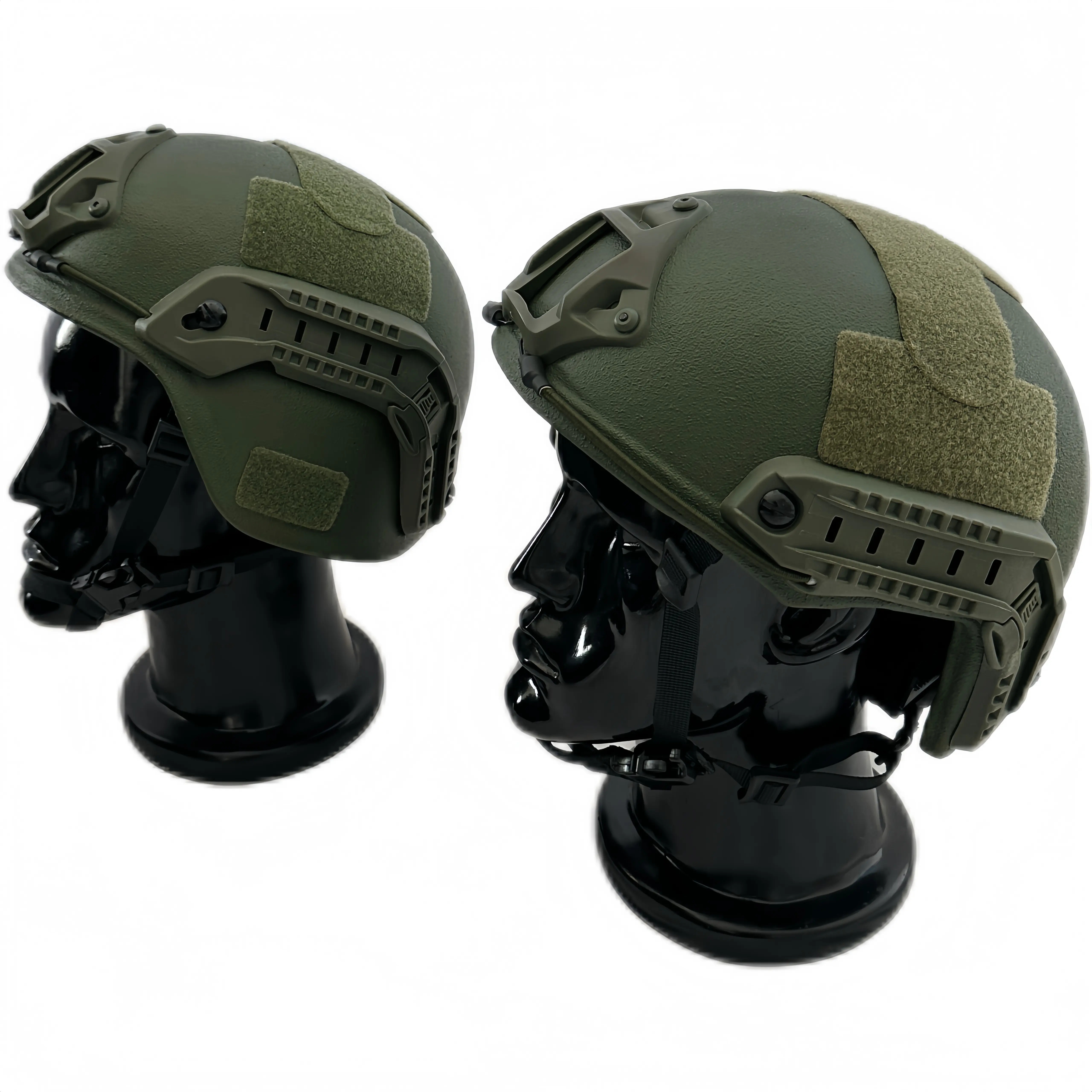
Hard armor uses rigid plates, often made from ceramic, polyethylene, or steel. It offers higher rifle-threat protection but adds weight and reduces comfort. Plate shape matters. A poorly fitted plate can leave gaps or restrict breathing. Hybrid systems combine soft panels with rigid inserts, balancing mobility and coverage. Helmets and protective shields are separate categories, but buyers often assess them with armor packages.
The National Institute of Justice’s 0101.07 standard separates rifle protection into RF1, RF2, and RF3 levels. That structure helps buyers compare tested performance more clearly. A 2023 Grand View Research assessment valued the global body armor market at roughly US$3 billion. Market estimates vary, so the number should not drive a purchase alone. Buyers should examine laboratory certification, sizing data, environmental testing, and replacement guidance. Water, heat, sweat, and repeated handling can affect real-world performance. This part is often underestimated. Another concern is weight: a lighter plate may improve movement, but it may offer different coverage or threat performance. The category labels are not always tidy. Careful review of test documents remains more reliable than marketing language.
Representative NIJ 0101.06 test-threat velocities by common armor format
Soft armor is commonly associated with NIJ Levels II and IIIA for handgun threats, while hard armor plates are commonly associated with Levels III and IV for rifle threats. The values show representative test projectile velocities from NIJ 0101.06; actual performance depends on the complete armor system, construction, fit, and testing conditions.
Reference: NIJ Standard 0101.06 ballistic-resistance test threat specifications.
Soft and hard armor serve different protection needs. Soft armor uses woven or laminated fibers to absorb and spread impact energy. It is lighter, quieter, and easier to wear during long shifts. NIJ Standard-0101.06 classifies ballistic protection by tested threat levels, including Level IIIA for selected handgun threats. However, soft panels are not designed for every rifle threat. That limitation is easy to overlook.
Hard armor adds rigid plates, commonly made from ceramic, polyethylene, or steel. NIJ testing identifies Level III and Level IV performance against specified rifle threats, with Level IV requiring protection against a tested armor-piercing rifle round. These ratings describe laboratory conditions, not unlimited battlefield performance. Temperature, moisture, plate age, and repeated impacts can change results. Buyers should examine the exact test report, coverage area, weight, and conditioning method.
A 2024 market assessment from Grand View Research indicates continued growth in global body armor demand through 2030. That growth reflects wider interest in lighter, more wearable systems, but market expansion does not equal equal quality. Practical trials matter. A heavy plate may offer higher protection yet restrict movement in a vehicle or stairwell. A soft vest may improve comfort but leave critical gaps. No choice is perfect. Procurement teams should compare certified performance, sizing, storage requirements, and local compliance rules before purchasing.
The uncomfortable question remains: will users actually wear the selected armor correctly for an entire shift?
Global buyers usually compare soft armor, hard armor plates, and integrated carriers. The right choice depends on threat assessment, movement, climate, and local rules. Soft armor commonly uses aramid fibers or UHMWPE. It is flexible and relatively light. It can suit security staff who need daily wear. However, soft panels do not replace rifle-rated plates. That distinction matters.
Protection levels must be read carefully. Independent testing standards show what a panel has resisted under controlled conditions. They cannot predict every real-world impact. Some systems address handgun threats, while higher-rated plates address selected rifle threats. Ceramic plates can reduce weight and perform well against multiple impacts, depending on design and placement. UHMWPE plates are light but may lose performance under high heat. Steel plates are durable, yet their weight and fragment-control requirements need serious attention. A label alone is not enough.
Material choice should match the user’s routine. Check panel size, coverage, edges, curvature, and carrier adjustment. Ask for current test reports and traceable manufacturing records. That is practical due diligence. Buyers should also verify import, ownership, and use requirements in each destination. Fit testing with ordinary clothing can reveal pressure points and restricted movement. No checklist catches every failure. Buyers often choose the highest level, then regret the added weight. More protection is not always better protection. Recheck certification dates and inspect damaged or expired components. Conditions vary, so honest reassessment should remain part of every purchase.
| Armor Type | Common Protection Reference | Typical Threat Category | Common Materials | Main Advantages | Key Limitations | Typical Buyer Applications |
|---|---|---|---|---|---|---|
| Concealable Soft Armor | NIJ 0101.06 Level II; comparable handgun classifications may differ by country | Common handgun ammunition, depending on the tested model | Aramid fiber or ultra-high-molecular-weight polyethylene (UHMWPE) | Flexible, relatively light, comfortable, and suitable for discreet daily wear | Generally not designed for rifle threats; coverage and performance depend on the certified panel | Security personnel, law enforcement, executive protection, and civilian concealed carry |
| High-Performance Soft Armor | NIJ 0101.06 Level IIIA; buyers should verify the exact test report and ammunition | Higher-energy handgun threats, including magnum handgun ammunition, when specifically tested | Multiple layers of aramid fiber, UHMWPE, or hybrid textile systems | More handgun protection than lower soft-armor levels while retaining flexibility | Heavier and warmer than lower-level soft armor; not a substitute for certified rifle plates | Tactical teams, patrol officers, corrections, and users needing enhanced handgun protection |
| Ceramic Composite Plates | Commonly tested to NIJ 0101.06 Level III or Level IV; newer NIJ 0101.07 classifications may apply | Rifle threats, with the exact projectile and velocity determined by the certification | Alumina, silicon carbide, or boron carbide ceramic with UHMWPE or aramid backing | Efficient defeat of many rifle projectiles with lower weight than most steel plates | Can be damaged by impact or mishandling; requires inspection, correct storage, and careful logistics | Military, tactical law enforcement, security contractors, and high-risk protection |
| UHMWPE Rifle Plates | Selected models may be tested to rifle-rated classifications; performance must be verified for the specified threat | Many conventional rifle projectiles, subject to projectile construction, velocity, and plate design | Compressed UHMWPE laminates, sometimes combined with a ceramic strike face | Very low weight, buoyancy in some configurations, and good corrosion resistance | Temperature limits, edge performance, and protection against certain penetrator or armor-piercing threats require careful review | Mobile security teams, maritime users, patrol units, and weight-sensitive operations |
| Steel Rifle Plates | Some products are marketed against rifle-rated requirements; independent laboratory evidence is essential | Selected rifle threats, depending on steel hardness, thickness, projectile type, and design | Hardened armor steel with protective coating or an added anti-spall system | Durable, impact-resistant, and often less sensitive to drops than ceramic plates | High weight; bullet fragmentation and ricochet risks make verified anti-spall design and correct coverage important | Training, vehicle use, static security, and applications where durability is prioritized over weight |
| Hard Armor Side Plates | Usually selected using the same verified rifle or handgun threat level as the front and back plates | Lateral handgun or rifle threats, depending on the plate rating and dimensions | Ceramic composite, UHMWPE, or steel | Extends protection to the torso sides and can complement front and back plates | Adds weight, bulk, and heat; may reduce mobility if the carrier is not properly fitted | Tactical operations, convoy security, and users facing elevated lateral-threat exposure |
| Ballistic Helmets | National or laboratory helmet standards; protection levels are not automatically equivalent to torso-armor levels | Fragmentation and selected handgun threats, depending on the tested helmet configuration | Aramid composite or UHMWPE composite shells | Protects the head while supporting communication, night-vision, and face-protection accessories | Limited coverage compared with torso armor; accessories can affect balance, fit, and certified performance | Military, police tactical units, emergency response, and high-risk industrial security |
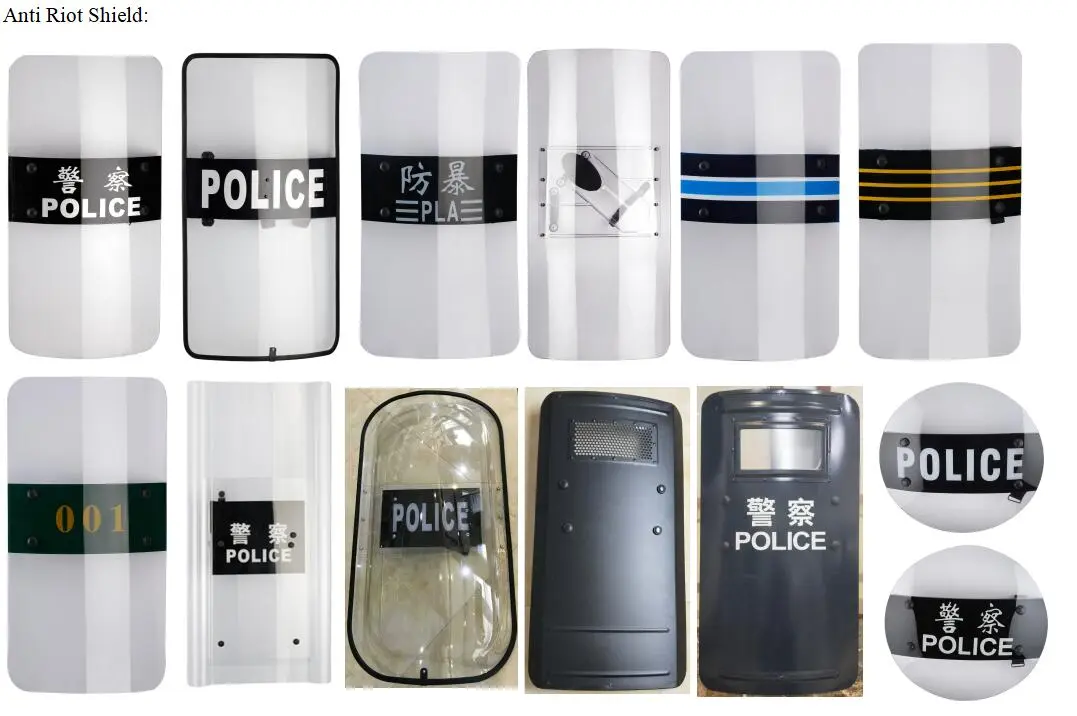
| Ballistic Shields | Protection is specified by the manufacturer or test laboratory for defined ammunition and coverage areas | Handgun, rifle, or fragmentation threats according to the tested shield configuration | Composite laminate, UHMWPE, aramid, ceramic inserts, or steel | Provides larger movable coverage than body-worn armor and can protect multiple personnel in some situations | Heavy, less convenient for long-duration use, and dependent on operator positioning and handling | Rescue teams, tactical entry units, checkpoint security, and critical-infrastructure protection |
Buyer note: Protection labels are not interchangeable across countries or standards. Before purchasing, confirm the current test standard, exact ammunition and velocity, tested coverage area, production date, warranty, environmental limits, and whether the product has a verifiable independent laboratory report. NIJ 0101.06 terminology such as Level II, Level IIIA, Level III, and Level IV is being supplemented or replaced in some markets by newer NIJ 0101.07 classifications.
Global buyers should select body armor by threat, environment, and verified performance.
Soft armor is lighter and flexible, making it suitable for concealed, daily wear against common handgun threats.
Hard armor plates provide higher rifle-threat protection but add weight and reduce mobility.
Helmets protect the head, yet they can increase heat and neck fatigue.
Start with a documented threat assessment. NIJ Standard 0101.06 sets a maximum 44-millimeter backface deformation limit for tested body armor. Its newer 0101.07 framework separates handgun and rifle protection into clearer performance categories. These ratings are not interchangeable. A plate tested for one threat may not protect against another. Check the exact test level, ammunition type, impact locations, and conditioning results.
Fit requires field experience. Measure the torso carefully, then test movement while sitting, climbing, and carrying equipment. A spreadsheet cannot replace a wear trial. Buyers should also examine panel coverage, carrier adjustment, moisture resistance, repair procedures, shelf life, and traceable laboratory documentation. NIJ Standard 0115.00 provides a recognized reference for stab-resistant equipment, but ballistic and stab protection remain different functions. In hot or humid regions, ventilation and corrosion resistance deserve equal attention. Certification is important, but it is not the whole decision. Even strong equipment can fail operationally when sizing, training, or maintenance is neglected.