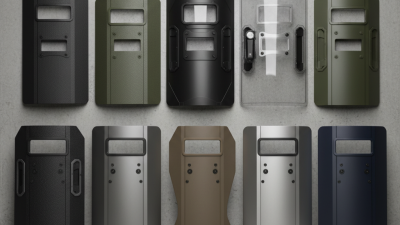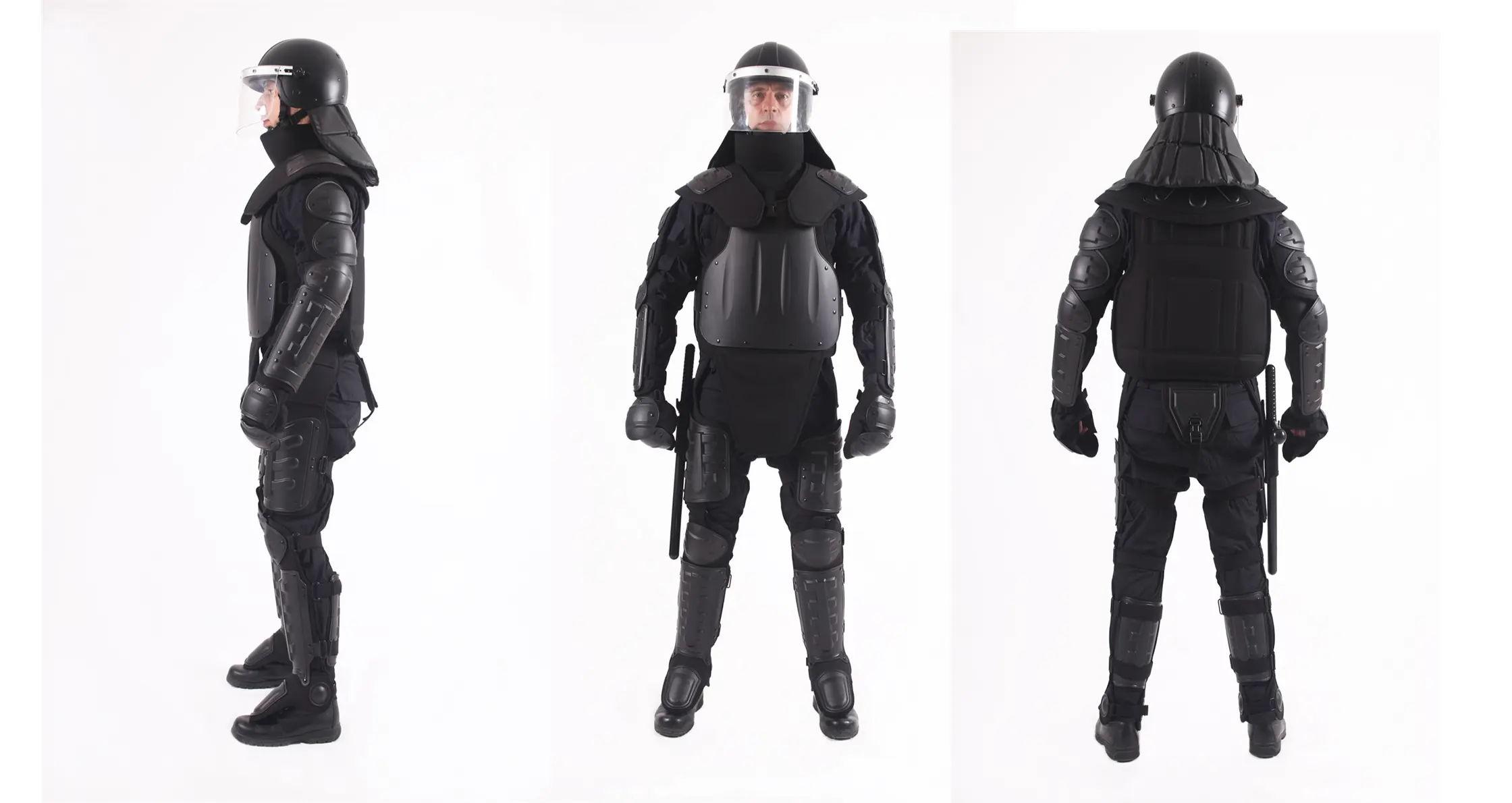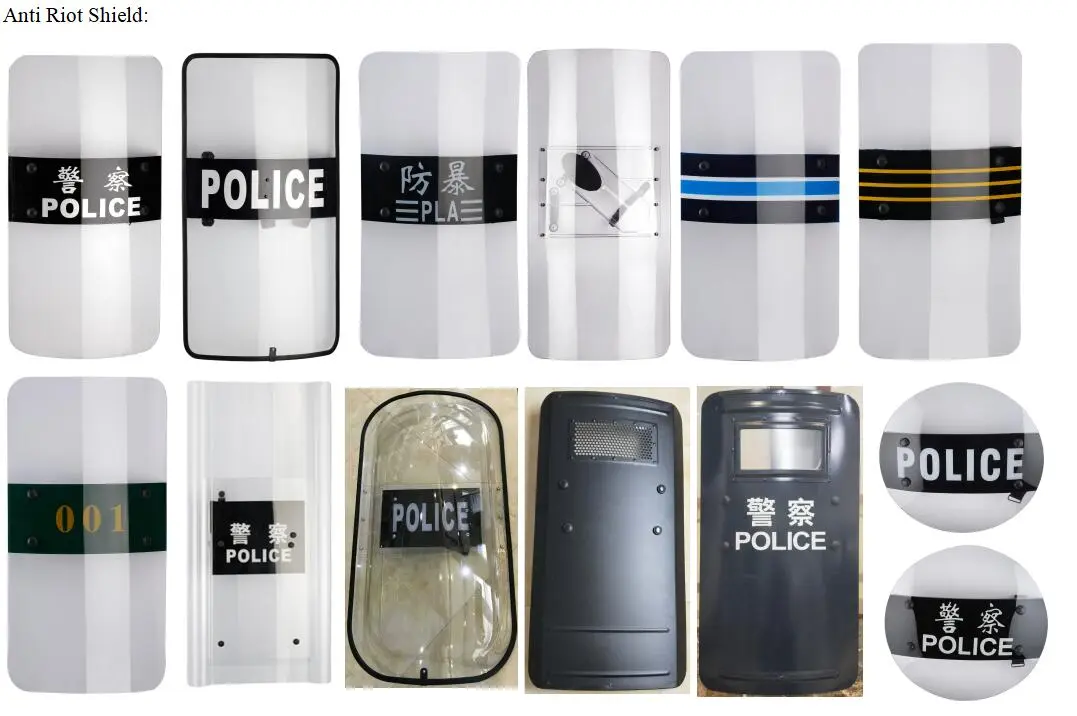
Choosing a reliable Bulletproof Shield supplier requires more than comparing prices or product photographs. Global buyers need evidence that protective equipment performs consistently under approved testing conditions. This guide introduces ten suppliers with attention to materials, certification, manufacturing controls, and documented quality practices. It considers shields made with aramid fibers, polyethylene, or steel, depending on the stated protection level and application.
Details matter. A credible supplier should provide clear test reports, traceable batch information, and realistic product specifications. Buyers should examine shield weight, dimensions, handle design, viewing panels, and carrying comfort. A shield that performs well in a laboratory may become difficult to control after hours of use. That practical limitation deserves attention. So does the difference between a tested component and a fully assembled product.
This overview uses a buyer-focused framework. It considers factory experience, inspection procedures, communication, customization capability, and export support. Standards such as NIJ or EN may guide evaluation, but requirements can differ by destination and end use. Independent verification remains valuable. Supplier claims alone are not enough. Not every listed company will suit every purchasing team, budget, or operating environment. Some information may also change as products, certifications, or regulations develop. Buyers should confirm current documentation directly before placing orders. The goal is a clearer starting point, not a substitute for professional testing, legal review, or careful procurement.
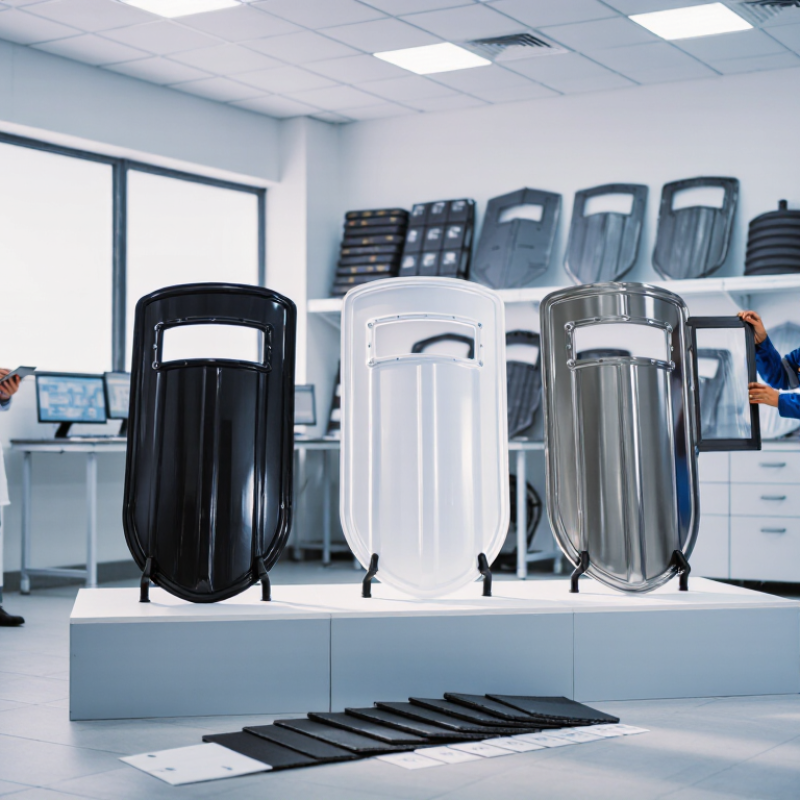
A bulletproof shield, more accurately called a ballistic-resistant shield, is a portable barrier designed to reduce injury from specific ballistic threats. The word “bulletproof” can mislead. No shield protects against every projectile, distance, angle, or repeated impact. Its performance depends on tested materials, construction quality, and correct handling.
In modern protection, these shields create immediate cover during emergency response, security inspections, and controlled protective operations. They can protect the torso while allowing movement through doorways or crowded spaces.
Typical designs may include layered composites, reinforced edges, viewing panels, and adjustable handles. Weight matters greatly. A shield that feels manageable for two minutes may become exhausting after twenty.
Experienced buyers should examine independent test reports, threat ratings, dimensions, and documented quality controls. They should also assess storage conditions, service life, and user training requirements. A clear viewing panel must provide useful visibility without creating distracting glare. Handles should remain secure under stress, but they should not restrict repositioning.
Real conditions are rarely perfect. Mud, rain, poor lighting, and awkward corridors can reduce practical performance. This is often overlooked. Buyers should request demonstrations, inspect sample units, and compare measured results with operational needs. Reliable suppliers communicate limitations honestly, provide traceable documentation, and avoid promising absolute protection.
Top 10 Bulletproof Shield Suppliers for Global Buyers
Key Standards for Evaluating Bulletproof Shield Suppliers
Global buyers should evaluate bulletproof shield suppliers through documented performance, not polished catalogs. Start with applicable standards, such as NIJ or equivalent national testing requirements. A valid report should identify the shield model, tested materials, threat level, and laboratory. Ask for independent test records. Check dates. Confirm the report matches the supplied configuration, including windows, handles, and mounting parts. Do not accept vague phrases such as military grade.
Material traceability shows whether a supplier controls production. Request lot numbers, inspection records, and clear warranty terms. Experienced suppliers can explain panel construction, edge protection, and expected service conditions. Their technical staff should answer practical questions without exaggeration. That matters. They should also provide product training and safe handling guidance for lawful professional use.
Ergonomics deserves equal attention. A shield may meet a standard yet feel difficult after several minutes. Check its weight, balance, grip spacing, viewing area, and storage needs. A lighter model may improve movement, but reduced coverage could affect the intended task. Test handling whenever possible. Reliability also includes packaging, delivery controls, replacement parts, and responsive after-sales support. Confirm compliance with destination-country import and workplace requirements. Price comparisons should include inspection, shipping, documentation, and long-term maintenance. Even careful buyers can overlook user fatigue or unclear evidence. Recheck assumptions before approving a supplier.
This chart summarizes the highest listed projectile velocity in selected NIJ 0101.06 reference threats for each protection level. Global buyers should require a valid, product-specific third-party test report, confirm the exact shield configuration, and verify traceability and quality controls before evaluating suppliers.
Top 10 Bulletproof Shield Suppliers for Global Buyers
Choosing among the top ten bulletproof shield suppliers requires more than comparing prices. Reliable suppliers provide test reports, material traceability, and clear production records. Buyers should examine shield weight, viewing-port design, handle strength, and protective coverage. A shield that feels secure indoors may become tiring during long outdoor use. Small details matter.
The strongest suppliers usually offer multiple protection levels for different operational needs. Their products may use aramid fibers, reinforced composites, or transparent protective panels. Independent laboratory testing is essential. Ask for current documentation, not scanned files with missing dates. Check whether the testing matches recognized international standards and your local purchasing rules. Production samples should match the approved specifications.
Global buyers also need practical support after delivery. Good suppliers explain storage conditions, inspection intervals, warranty limits, and replacement procedures. Packaging should protect edges and viewing areas from moisture and impact. Communication quality is a useful warning sign. Delayed answers may indicate deeper problems. No ranking is perfect. Supplier performance can change with materials, staffing, or regional logistics. Even experienced procurement teams can overlook compatibility with vehicles, equipment, or user training. A careful buyer should request samples, verify documents independently, and record every decision before placing a large order.
| Rank | Supplier Reference | Primary Supply Region | Common Shield Formats | Core Materials | Applicable Test Standards | Typical Size Range | Typical Weight Range | Customization Options | Buyer Verification Priorities |
|---|---|---|---|---|---|---|---|---|---|
| 1 | Supplier 01 | North America | Handheld Windowed Tactical | Aramid fiber, UHMWPE, polycarbonate viewing window | NIJ 0101.06 or NIJ 0101.07 test references; UL 752 where specified | 600 × 900 mm to 700 × 1,200 mm | 7–18 kg | Left- or right-hand grips, viewport, carrier, lighting, markings | Independent laboratory report, shot pattern, caliber, ammunition type, warranty |
| 2 | Supplier 02 | Western Europe | Ballistic Blast-Resistant Vehicle-Mounted | Aramid laminate, UHMWPE laminate, armored steel options | EN 1522 and EN 1523; VPAM or national test protocols when requested | 500 × 800 mm to 1,000 × 2,000 mm | 10–45 kg | Curved panels, mounting brackets, cut-outs, protective coatings | Classification level, test velocity, back-face deformation, corrosion protection |
| 3 | Supplier 03 | East Asia | Portable Foldable Door Shield | UHMWPE, aramid, aluminum honeycomb support structures | NIJ 0101.06 or equivalent ballistic test documentation; ISO 9001 production systems | 450 × 750 mm to 800 × 1,200 mm | 6–20 kg | Folding hinges, telescopic handles, shoulder straps, custom dimensions | Panel construction, seam protection, hinge strength, packing and export compliance |
| 4 | Supplier 04 | South Asia | Police Shield Riot Shield Ballistic Panel | Aramid composite, UHMWPE, transparent polycarbonate | NIJ 0115.00 for stab resistance when applicable; NIJ or EN ballistic testing by model | 500 × 900 mm to 700 × 1,200 mm | 8–24 kg | Stab-resistant layers, transparent sections, harnesses, logos supplied by buyer | Separate ballistic and stab test results, UV resistance, handle load testing |
| 5 | Supplier 05 | Middle East | Vehicle Armor Perimeter Shield Portable | Armored steel, ceramic-faced composite, aramid backing | EN 1522/1523, STANAG 4569 or customer-specific military specifications | 600 × 1,000 mm to 1,200 × 2,400 mm | 18–90 kg | Modular mounting, curved geometry, camouflage coating, access apertures | Steel grade, hardness, weld quality, ballistic acceptance criteria, field repairability |
| 6 | Supplier 06 | Eastern Europe | Tactical Door-Mounted Emergency Response | Aramid, UHMWPE, laminated glass or polycarbonate | EN 1522/1523 or national ballistic standards; ISO 9001 commonly requested by buyers | 500 × 800 mm to 900 × 1,500 mm | 9–32 kg | Quick-release mounts, viewing ports, folding supports, custom surface finish | Mounting-point strength, optical clarity, delamination resistance, replacement parts |
| 7 | Supplier 07 | Latin America | Security Shield Crowd-Control Handheld | Polycarbonate, aramid, high-strength aluminum frames | UL 752 or NIJ-based testing for ballistic models; impact testing for non-ballistic models | 450 × 700 mm to 650 × 1,100 mm | 5–17 kg | Transparent panels, anti-scratch coating, adjustable handles, storage cases | Material thickness, optical quality, impact resistance, edge protection and ergonomics |
| 8 | Supplier 08 | Southeast Asia | Lightweight Foldable Concealable | UHMWPE, aramid, thermoplastic protective covers | NIJ 0101.06 or NIJ 0101.07 documentation where applicable; buyer acceptance testing | 400 × 600 mm to 700 × 1,000 mm | 4–14 kg | Fold lines, backpack integration, custom handles, protective textile covers | Weight-to-area ratio, fold-cycle durability, moisture resistance, traceability labels |
| 9 | Supplier 09 | Oceania | Law Enforcement Marine Security Vehicle Panel | Aramid composite, UHMWPE, corrosion-resistant steel | NIJ, EN 1522/1523 or AS/NZS customer specifications, depending on procurement market | 500 × 800 mm to 1,000 × 2,000 mm | 8–50 kg | Salt-spray protection, marine coatings, brackets, custom curvature | Salt-water exposure data, drainage design, UV stability, installation documentation |
| 10 | Supplier 10 | Global Contract Manufacturing | OEM/ODM Modular Custom Build | Aramid, UHMWPE, steel, ceramic and transparent armor combinations | Test protocol selected according to destination market and end-use requirements | Custom dimensions from approximately 400 × 600 mm upward | Project-dependent; commonly 5–90 kg | Private-label packaging, tooling, custom molds, mounting systems, documentation | Prototype approval, production consistency, factory audit, quality plan, export controls |
Technical values are typical procurement ranges rather than universal specifications. Buyers should verify the exact model, ballistic threat level, test ammunition, impact velocity, shot spacing, environmental conditioning, certification scope and delivery terms before placing an order.
Top 10 Bulletproof Shield Suppliers for Global Buyers
Shield selection starts with the protection level, not the catalog photograph. Portable shields may use aramid fiber, ultra-high-molecular-weight polyethylene, ceramic plates, or layered steel. Each material changes weight, thickness, flexibility, and service life.
The National Institute of Justice Standard 0108.01 defines performance requirements for ballistic-resistant materials. However, buyers should not automatically transfer body-armor ratings to shields. A Level IIIA claim may indicate resistance to specified handgun threats, while Level III typically addresses selected rifle ammunition under controlled testing. Level IV protection uses hard armor, often ceramic or composite, and can stop a defined armor-piercing test round. Testing matters.
A 2024 Grand View Research report estimated the global body armor market at more than 2 billion U.S. dollars, with continued growth through 2030. That growth supports wider material innovation, but it does not prove every shield supplier offers consistent quality. Ask for independent laboratory reports, tested dimensions, ammunition details, and complete inspection records. ASTM test practices can add useful comparison points, especially for impact and environmental durability.
In practical use, a 20-kilogram shield can exhaust one operator quickly, even when its rating looks impressive. Wheels, viewing windows, handles, and lighting systems also affect performance. Transparent panels may improve visibility but require careful inspection for scratches, delamination, and edge damage. Suppliers should explain maintenance intervals and temperature limits. Some published specifications remain vague, and that deserves scrutiny. Weight matters. Availability of replacement parts matters too.
Global buyers should verify certification before comparing prices. The NIJ 0101.06 and NIJ 0101.07 standards define ballistic performance, test procedures, and threat levels. A supplier should provide current laboratory reports, traceable serial numbers, and controlled production records. Certificates alone are not enough. Buyers should confirm whether an accredited laboratory performed the testing and whether the tested model matches the delivered shield.
Logistics can decide whether a compliant product arrives usable. UNCTAD’s Review of Maritime Transport reports that more than 80% of global merchandise trade moves by sea. Delays, humidity, and rough handling therefore deserve attention.
Ask suppliers for export documents, impact-resistant packaging, moisture protection, and shipment tracking. The World Bank’s 2023 Logistics Performance Index compares 139 economies across customs, infrastructure, and delivery reliability. A low-cost quote may become expensive after storage and port delays. That lesson is easy to miss.
Support should continue after delivery. Look for inspection guidance, training materials, warranty terms, and replacement procedures. Suppliers should explain safe storage and routine visual checks without making unsupported performance claims. Procurement teams should also review destination-country rules before ordering. Requirements can change. One weakness remains common: buyers sometimes evaluate samples but ignore batch consistency. Request production photos, inspection records, and independent retesting when risks are high. A clear support contact matters, especially across time zones.