Top 5 Kevlar Ballistic Helmet Features You Need to Know?
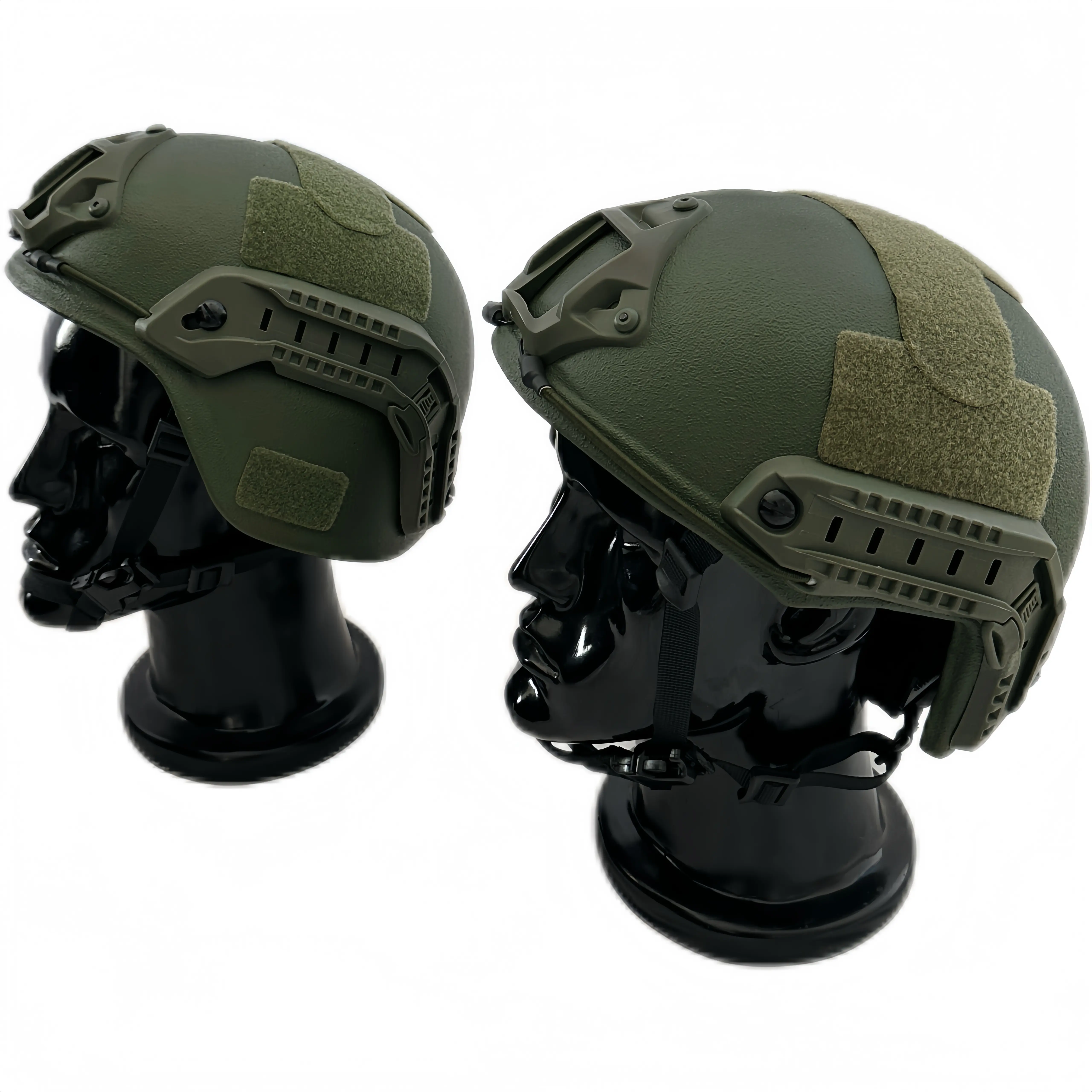
In today's security landscape, the significance of a Kevlar Ballistic Helmet cannot be overstated. According to reports by the National Institute of Justice, helmets made from Kevlar® offer advanced protection against ballistic threats. They are designed to withstand high-velocity impacts, making them essential for military and law enforcement personnel.
The technology behind Kevlar provides not only safety but also comfort and usability. Recent studies indicate that nearly 70% of users prefer helmets that combine protection with lightweight materials. This balance enhances their effectiveness in high-pressure situations. However, the complexity of helmet features can sometimes lead to confusion for end users. Understanding which features matter most is crucial for making informed choices.
Mistakes in helmet selection could lead to inadequate protection. Therefore, diving deeper into the top five features of Kevlar Ballistic Helmets is essential. These features can significantly influence safety and performance in critical situations. As we explore these attributes, we will uncover their impact and help you make the right decision.
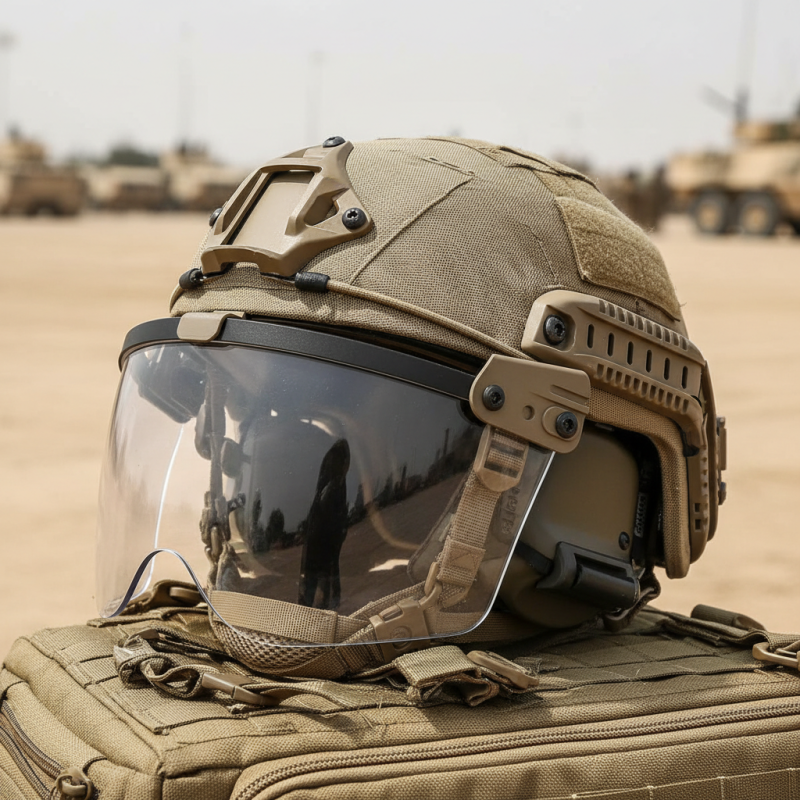
Key Characteristics of Kevlar Material in Ballistic Helmets
Kevlar is a revolutionary material widely used in ballistic helmets. Its unique properties make it ideal for protection in high-stakes situations. One of the most notable characteristics is its exceptional strength-to-weight ratio. Kevlar fibers are lightweight yet incredibly durable, offering significant protection without compromising comfort. This is crucial for users who need to wear helmets for extended periods.
Another important feature is Kevlar's resistance to impact and penetration. The material can absorb and dissipate energy from ballistic threats. This capacity helps reduce the force transferred to the wearer's head during an impact. Additionally, Kevlar exhibits excellent thermal stability. It remains effective even under extreme temperatures, making it reliable in various environmental conditions.
However, not all Kevlar helmets are created equal. Some models may lack proper ventilation, leading to overheating during use. Users may also experience discomfort if the fit isn't right. It’s important to find a helmet that balances protection and comfort. Understanding these characteristics can help in choosing the right ballistic helmet for specific needs.
Top 5 Kevlar Ballistic Helmet Features You Need to Know
| Feature |
Description |
Benefits |
| Lightweight Design |
Kevlar helmets are significantly lighter than steel or other materials, enhancing user comfort. |
Improved mobility and reduced fatigue during prolonged use. |
| High Impact Resistance |
Kevlar is engineered to absorb and disperse impact energy effectively. |
Enhanced protection against ballistic threats and blunt force impacts. |
| Thermal Stability |
Kevlar maintains its integrity at high temperatures and is less likely to melt. |
Increased safety in extreme environments. |
| Chemical Resistance |
Kevlar is resistant to many chemicals, preventing degradation over time. |
Longevity and reliability in various hazardous environments. |
| Custom Fit Options |
Many Kevlar helmets come with adjustable straps and padding for a secure fit. |
Enhanced comfort and stability during use. |
Impact Resistance and Protection Levels of Kevlar Helmets
Kevlar helmets are known for their impressive impact resistance, essential for military and tactical applications. These helmets undergo rigorous testing, often meeting the standards set by the National Institute of Justice (NIJ). For instance, NIJ level IIIA helmets can withstand impacts from .44 Magnum rounds, illustrating their robust protective capabilities. This level of protection can significantly reduce the risk of severe head injuries during combat situations.
The materials used in Kevlar helmets are key to their effectiveness. Kevlar is a synthetic fiber known for its high tensile strength and durability. Studies show that Kevlar can absorb up to 90% of the energy from an impact. However, it's important to remember that no helmet can provide absolute protection. Variations in projectile speed, angle, and the helmet's condition can all affect performance. The weight and comfort of a helmet impact user experience, too. Helmets may provide protection levels that can feel cumbersome, requiring regular assessment for usability and effectiveness in real-world scenarios.
Understanding these features helps users select the right gear. Relying purely on industry standards may overlook individual needs. Regular training and utilization checks can ensure that the helmet remains fit for purpose. Ultimately, while Kevlar helmets provide superior protection, they are not a magical shield. Adapting to their strengths and limitations remains vital.
Top 5 Kevlar Ballistic Helmet Features You Need to Know
Comfort Features and Customization Options for Enhanced Fit
When selecting a Kevlar ballistic helmet, comfort features are paramount. A well-fitted helmet can significantly enhance your performance in demanding environments. Adjustable straps and padding make a helmet adaptable to various head shapes. This customization can help prevent discomfort during extended wear.
Ventilation is another vital aspect of helmet design. Proper airflow reduces heat buildup, promoting comfort during long missions. Look for models with breathable materials to enhance moisture wicking. However, it’s crucial to note that optimal ventilation may sometimes compromise structural integrity. A balance must be struck between airflow and protection.
We often overlook the importance of weight distribution. A cumbersome helmet can lead to fatigue and distraction. Choosing a model that balances weight across the head can alleviate pressure points. It's a detail many might miss but can lead to fatigue if ignored. Customization options can greatly enhance comfort, yet they should never sacrifice safety features. Always ensure that any modifications comply with safety standards.
Weight Considerations: Balancing Protection and Mobility
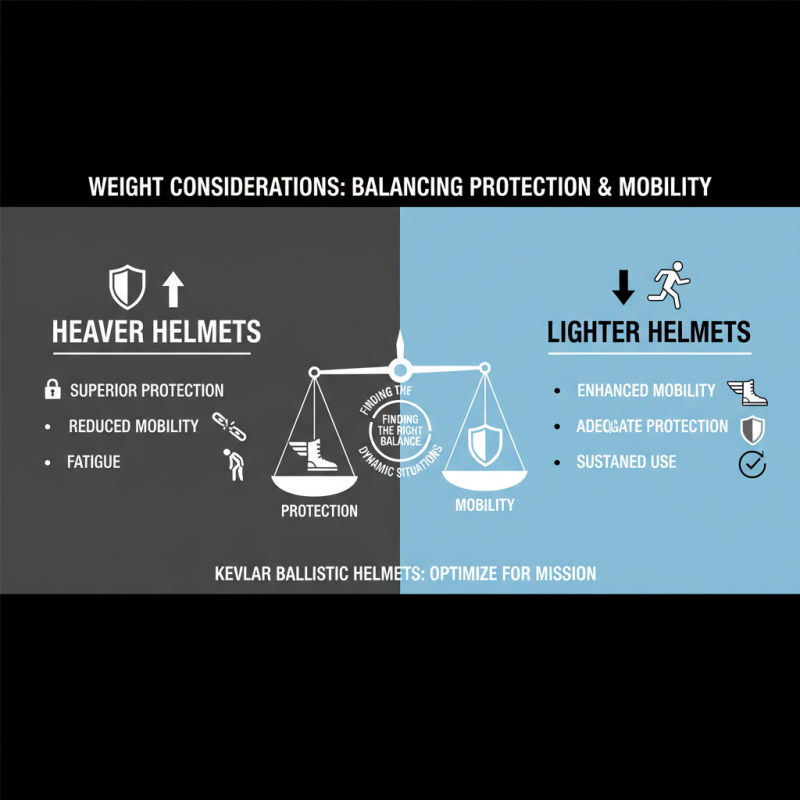
When selecting a Kevlar ballistic helmet, weight is a critical factor. Heavier helmets offer superior protection but can hinder mobility. This trade-off can be a challenge for users in dynamic situations. A helmet that feels too heavy may lead to fatigue during prolonged use. It's essential to find the right balance for specific activities, whether tactical operations or extended missions.
Consider the materials used in helmet construction. Advanced design techniques focus on reducing weight without sacrificing protection. Some models may feature innovative designs that distribute weight more evenly. As a result, these helmets provide comfort and agility, essential for quick movements. However, not all lightweight helmets meet high protection standards. It's crucial to evaluate the level of ballistic protection alongside weight.
User feedback and expert reviews can provide insights into helmet performance. Understanding the real-world implications of weight on operational efficiency is vital. Comfort and safety should never be compromised for lighter designs. Each wearer has unique needs. Taking the time to try on different helmets can assist in making the best choice. The right helmet should enhance your capability, not limit it.
Advanced Technological Additions in Modern Kevlar Helmets
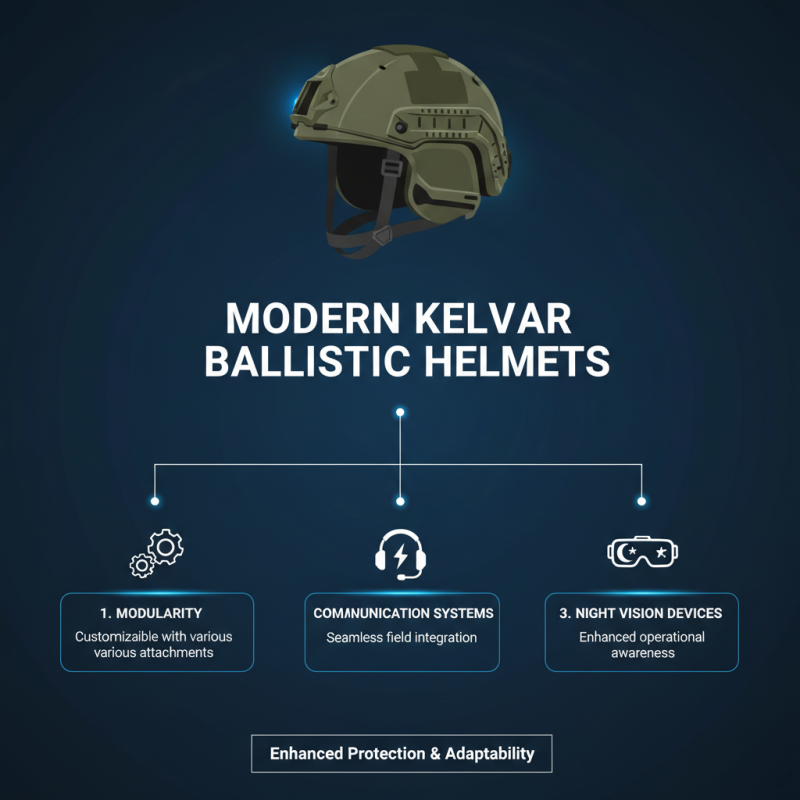
Modern Kevlar ballistic helmets have evolved significantly, incorporating advanced technologies for enhanced protection. One crucial feature is modularity. Users can customize their helmets with various attachments, such as communication systems and night vision devices. This adaptability ensures seamless integration in the field, meeting diverse operational needs.
Another important aspect is improved impact resistance. Many newer models utilize multi-layer designs, providing better energy dispersion during an impact. This helps reduce the risk of traumatic brain injuries, a vital consideration for military and law enforcement. Additionally, helmets now feature enhanced ventilation systems, which promote airflow and reduce heat buildup. Effective cooling improves comfort during prolonged use.
Furthermore, the latest ballistic helmets often include advanced material treatments. These treatments enhance durability and resistance to chemical agents. However, not all helmets offer the same level of protection. Users should carefully evaluate the specifications and testing standards of each helmet. Continual research and feedback from users are essential for developing more effective designs. While advances have been made, the quest for the perfect helmet remains ongoing.