2026 Top Police Helmet Types for Global Buyers?

Choosing the right Police Helmet in 2026 requires more than comparing prices and product photos. Global buyers must examine protection levels, materials, fit, ventilation, communication compatibility, and documented testing. A helmet used during public-order duties may require different features from a ballistic helmet or a police motorcycle helmet. The operating environment matters greatly.

This guide introduces major Police Helmet types for professional procurement teams, distributors, and approved institutions. It considers aramid and composite shells, impact-resistant visors, adjustable retention systems, and practical accessory mounting. Details matter. A poorly balanced helmet can cause neck fatigue during long shifts. A visor may fog during rain. Small weaknesses become serious during demanding work.

Reliable purchasing also depends on evidence. Buyers should request test reports, production traceability, warranty terms, and samples from established manufacturers. Regional certification requirements can differ, so one global claim may not fit every market. Standards should be verified with qualified authorities before purchase. Supplier audits are useful, but they are not perfect. Real-world comfort is sometimes overlooked. I have found that product brochures rarely show heat buildup, restricted hearing, or difficult glove adjustments. This article therefore compares specifications with practical use, while recognizing that no single Police Helmet suits every department, climate, or duty.
2026 Top Police Helmet Types for Global Buyers?

Police Helmet Basics and Their Role in Modern Law Enforcement

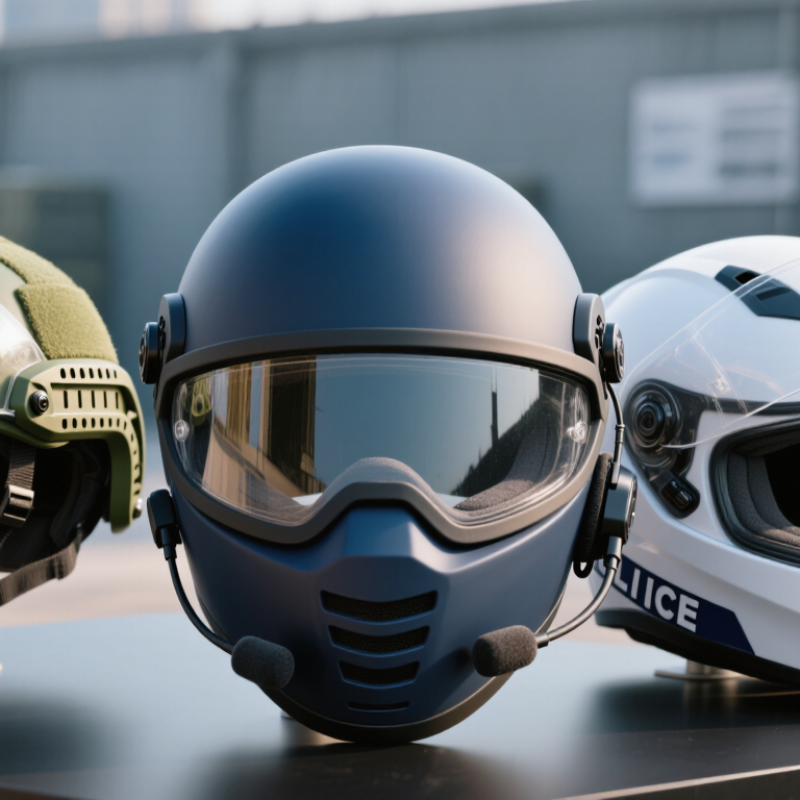
Police helmets are protective equipment, not simple hard shells. Modern law enforcement teams may select patrol helmets, public-order helmets, or ballistic-rated models. Each type serves a different operational need. Patrol designs usually prioritize comfort, visibility, and communication access. Public-order models often add face shields, neck protection, and impact resistance. Ballistic-rated helmets focus on protection from specific tested threats, but they can feel heavier during long shifts.

A proper helmet should fit firmly without creating pressure points. The edge must not block vision or interfere with hearing. Ventilation matters inside a warm vehicle or during extended outdoor duty. Buyers should review independent test reports, material specifications, warranty terms, and replacement procedures. Procurement teams should also check local regulations and approved safety standards. A helmet may look advanced yet become uncomfortable after one hour. That practical detail is easy to underestimate. Field evaluations should include walking, vehicle entry, radio use, and repeated visor movement. Results can vary between users, even with the same model.

Tips: Measure head size carefully, then test several fit settings. Check compatibility with approved communication and eye-protection equipment. Ask suppliers for clear maintenance instructions and documented testing. Do not choose by appearance alone. A lower weight is helpful, but not if stability suffers. Some teams may also overlook cleaning routines, which can affect comfort and service life. That deserves more attention.

Main Police Helmet Types Used by Global Buyers in 2026

In 2026, global buyers mainly select police helmets by operational role.

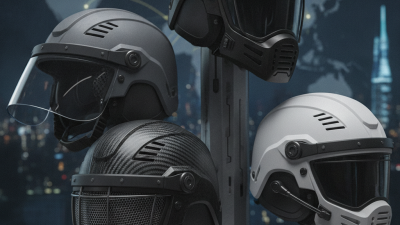
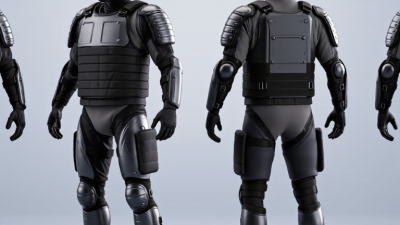
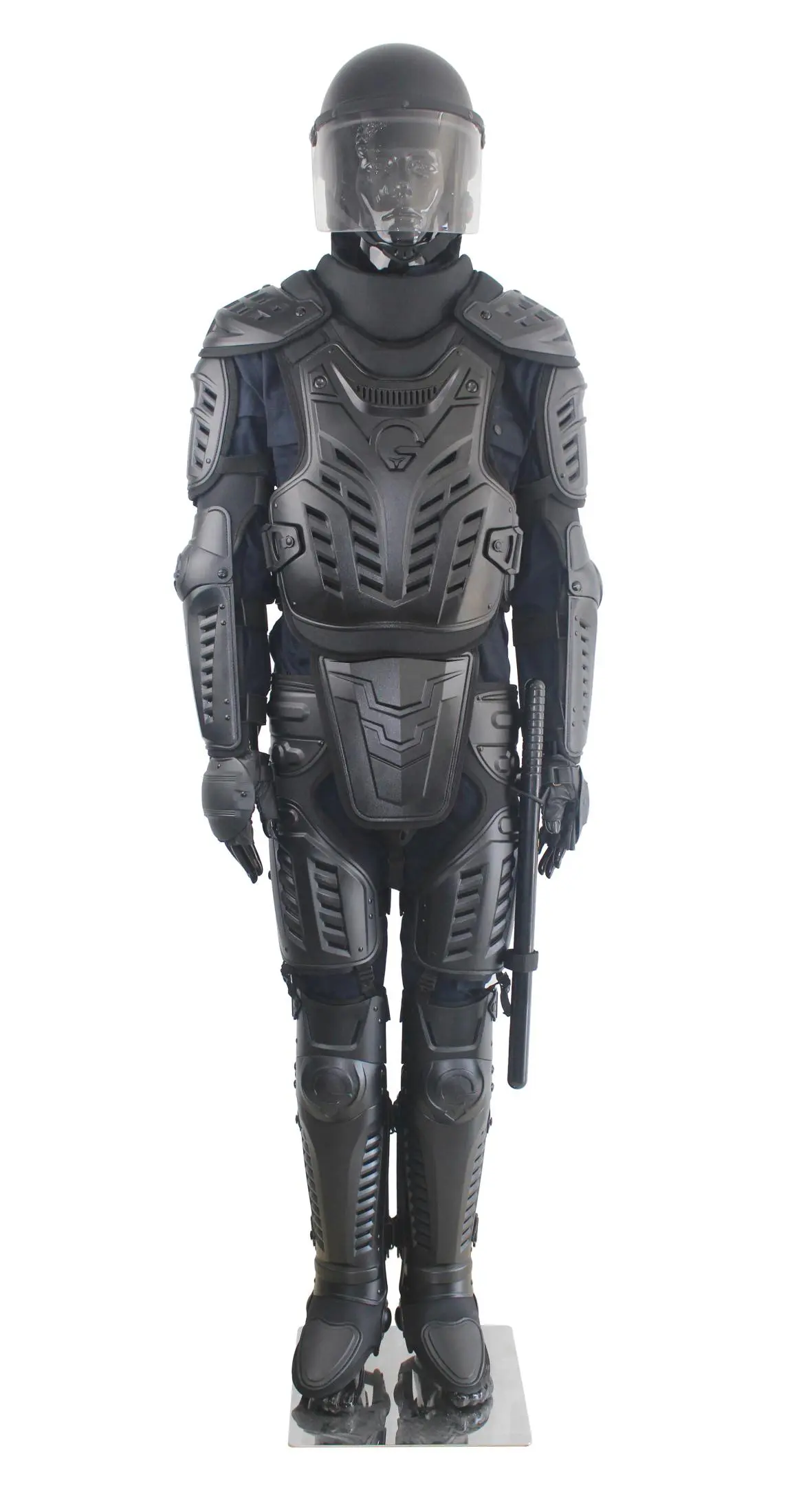
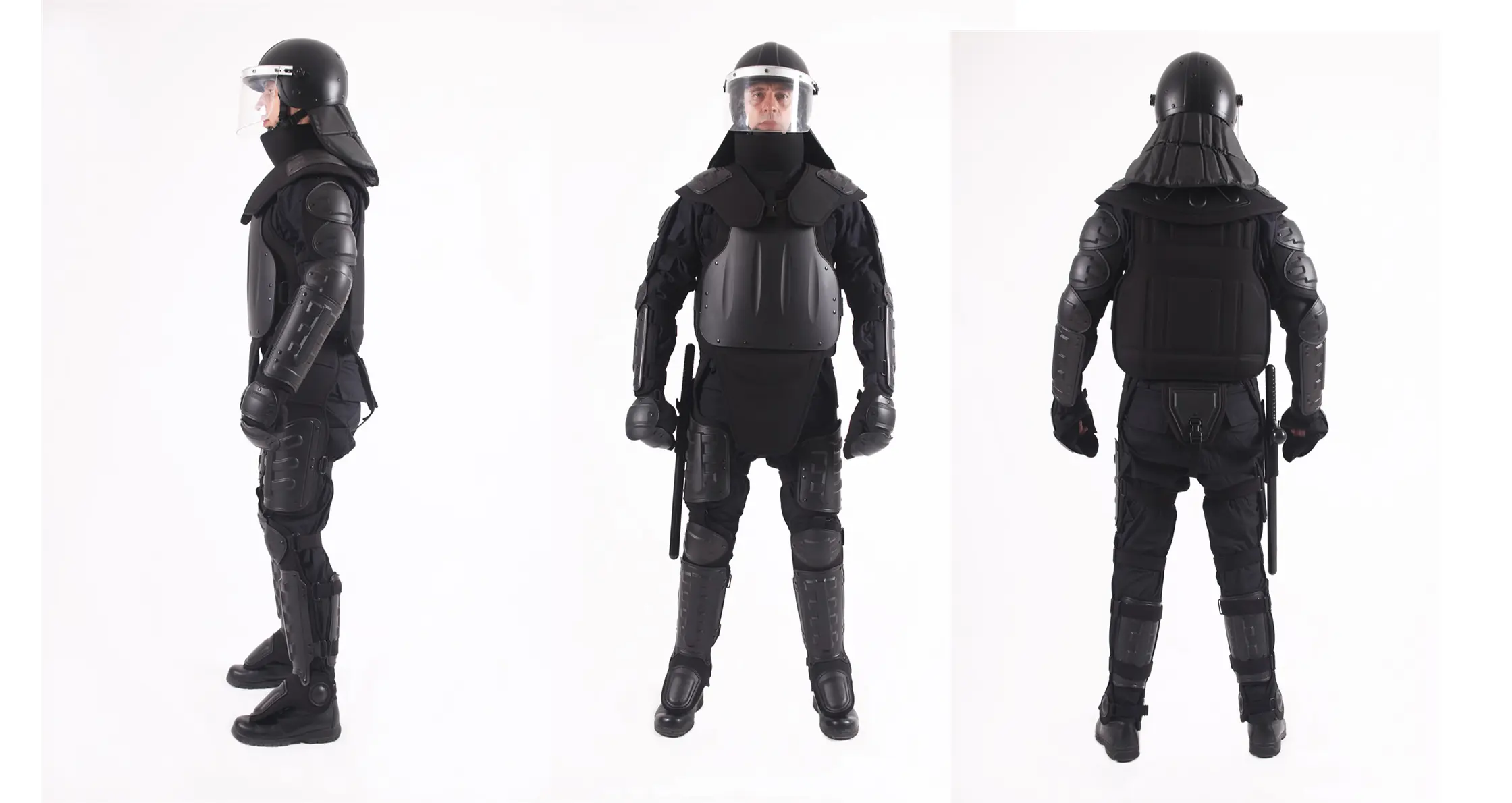
Public-order helmets usually include a full face shield, neck protection, and impact-resistant shells. They support crowd-control duties while preserving clear vision and communication.

Fit matters more than appearance.

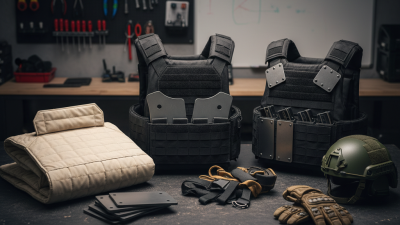
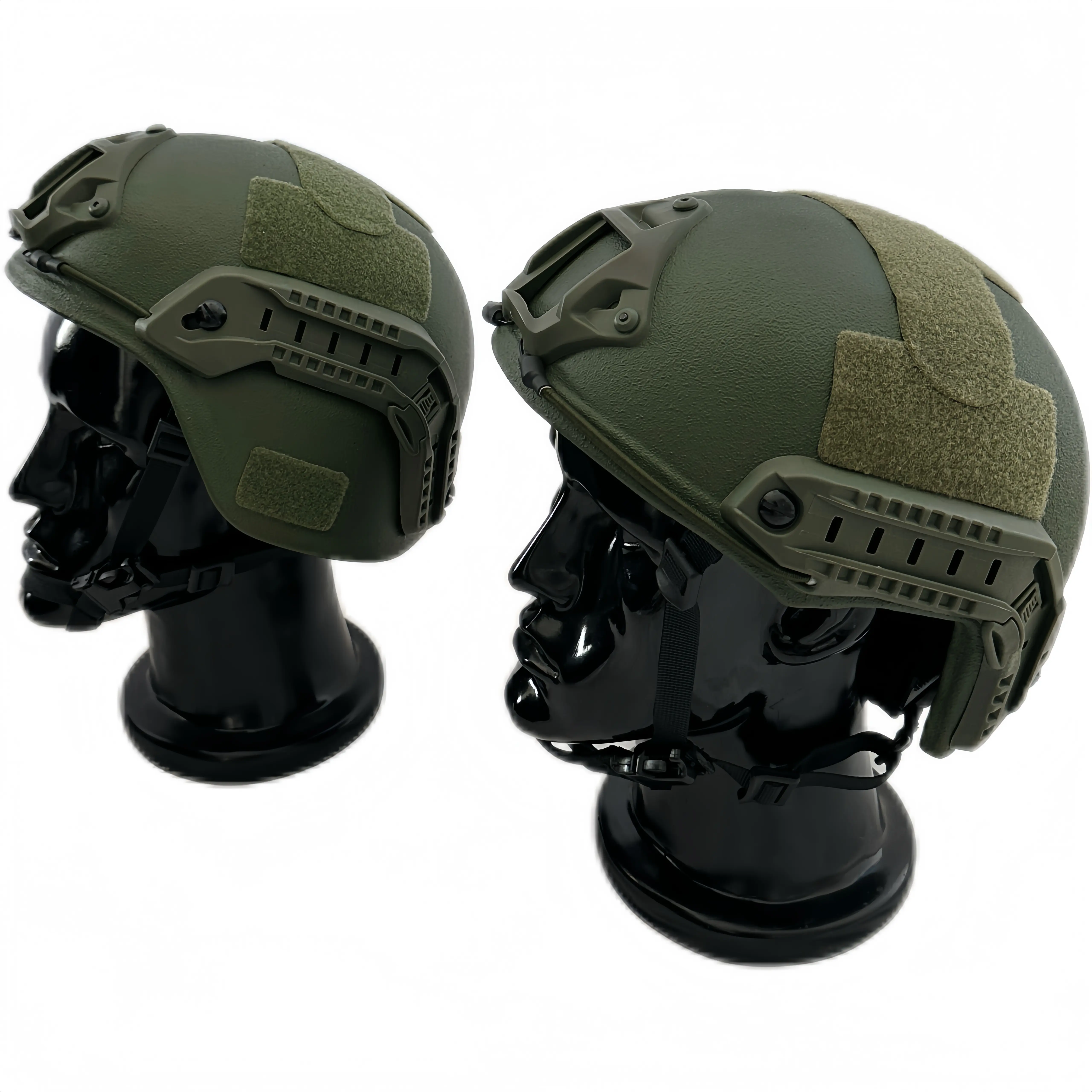
Ballistic helmets serve personnel facing serious impact risks. Buyers should verify tested protection levels, shell materials, weight, and accessory compatibility.

Motorcycle police often require certified road helmets with strong ventilation, secure chin straps, and wide peripheral vision.

Lightweight patrol helmets suit routine duties, training, and extended outdoor shifts. Their value comes from comfort, stability, and reliable impact protection.

Procurement teams should examine climate, sizing, cleaning, spare parts, and replacement schedules.

Heat, rain, dust, and long shifts can expose weak designs quickly. Field evaluations should include movement, radio use, visor operation, and visibility at night.

Check the paperwork.

A common mistake is choosing the highest protection level without considering fatigue. A heavy helmet may reduce attention during an eight-hour assignment. An overly light model may provide insufficient coverage for its intended role.

Buyers should compare independent test reports, production traceability, and user feedback from comparable environments.

Fit testing is still essential, because head shapes vary widely across regions. Some purchasing plans overlook female and smaller-size users.

That gap deserves correction.

Ensure every helmet meets the destination market’s applicable safety requirements before deployment.

Helmet Materials, Protection Levels, and Key Safety Features

2026 Top Police Helmet Types for Global Buyers?

Material choice shapes both protection and daily wear. Aramid and ultra-high-molecular-weight polyethylene can reduce ballistic penetration. Composite shells may balance strength, weight, and durability. Polycarbonate works well for impact shields and face protection. Inside, EPS or EPP foam helps manage blunt impact energy. However, foam density and coverage matter more than appearance.

Protection levels are not universal. Buyers should verify the exact test standard, threat type, impact angle, and coverage area. A ballistic rating does not automatically prove strong impact protection. The National Institute of Justice recommends using documented test methods rather than relying on marketing labels. The World Health Organization reported about 1.19 million annual road deaths in its Global Status Report on Road Safety 2023. NHTSA recorded 6,335 United States motorcyclist fatalities in 2023, showing the continuing value of head protection.

Key safety features include a stable retention system, adjustable fit, washable padding, ventilation, hearing compatibility, and a clear face shield. Quick-release buckles can improve emergency handling, but they must resist accidental opening. Night visibility also deserves attention. Small reflective panels may help in poorly lit streets. A heavier helmet can feel safer. That assumption is imperfect. Weight, heat, balance, and communication affect real-world use. Buyers should request independent laboratory reports, batch traceability, replacement-part details, and service-life guidance before purchasing.

International Standards and Certification Requirements

2026 Top Police Helmet Types for Global Buyers?

International Standards and Certification Requirements

Global buyers should classify the helmet before comparing materials or prices. Ballistic helmets require evidence against NIJ Standard-0106.01 or an equivalent national test method. Riot and public-order helmets may follow different impact, penetration, visor, and retention requirements. EN 397 covers industrial safety helmets, not ballistic protection. EN 443 addresses firefighting helmets. These distinctions matter.

The European Commission’s PPE Regulation 2016/425 requires conformity assessment, technical documentation, and traceable CE marking for applicable protective equipment. NIJ’s public compliant-products records also show an important detail: approval applies to a specific model and configuration, not an entire factory. Ask for the exact certificate, test report, production date, and laboratory scope. A logo is not evidence.

For international shipments, buyers should check local import rules before ordering. Some markets also request an accredited laboratory report, quality-management evidence, and a Declaration of Conformity. Inspect the shell, suspension, chinstrap, visor seal, and adjustment points. Small gaps become obvious during movement. Fit is frequently underestimated. A helmet can pass laboratory testing and still feel unstable on a real user. Certification is essential, but it is not the whole purchasing decision. Documentation may look complete. It can still contain outdated versions, unclear test samples, or missing accessories. Recheck everything.

How to Choose the Right Police Helmet for Operational Needs

2026 Top Police Helmet Types for Global Buyers?

Choosing the right police helmet starts with the operation, not the product label. A lightweight patrol helmet suits routine traffic control, inspections, and long shifts. A public-order helmet needs stronger impact protection, stable retention, and clear vision during movement. Ballistic-rated models serve higher-risk assignments, but they may add heat, weight, and fatigue.

Field assessments show that comfort often decides whether protection is worn correctly. Check the headband, chin strap, padding, and adjustment range with gloves. Test the helmet while walking, turning, using a radio, and wearing eye protection. A small pressure point can become painful after six hours. Ventilation matters in tropical regions. Cold-weather teams may need space for liners.

Buyers should request test reports, material details, service-life guidance, and traceable inspection records. Confirm compliance with the standards required by the purchasing authority and destination country. Compatibility also deserves attention. Visors, hearing protection, cameras, and communication equipment should work together without blocking movement. Avoid choosing only by weight or appearance. Lighter is not always better. More coverage can reduce mobility. No checklist is perfect. Teams should record user feedback after training and revise the specification when real conditions expose a weakness.

2026 Top Police Helmet Types for Global Buyers

How to Choose the Right Police Helmet for Operational Needs

The chart uses a practical 1–5 planning score to compare common police helmet categories across operational priorities. Ballistic helmets are designed for ballistic-threat environments, riot helmets prioritize blunt-impact and face protection, bump helmets emphasize lightweight impact protection, and public-order helmets balance impact protection, visibility, and crowd-control equipment compatibility. Buyers should confirm the required regional certifications, test reports, fit systems, communication compatibility, and mission-specific protection level before purchase.