Top Police Helmet Types You Should Consider for Safety and Protection?
When it comes to ensuring safety and protection in high-risk situations, the importance of the right Police Helmet cannot be overstated. These helmets are essential for law enforcement officers, providing them with crucial head protection. Different types of Police Helmets serve various purposes, tailored to specific environments and tasks.
Choosing the right Police Helmet requires careful consideration. Officers must assess factors like comfort, weight, and durability. A helmet that feels heavy or awkward can detract from an officer's performance. It is vital to find a balance between protection and functionality. In some cases, officers have reported discomfort after extended wear, leading to distractions during critical moments.
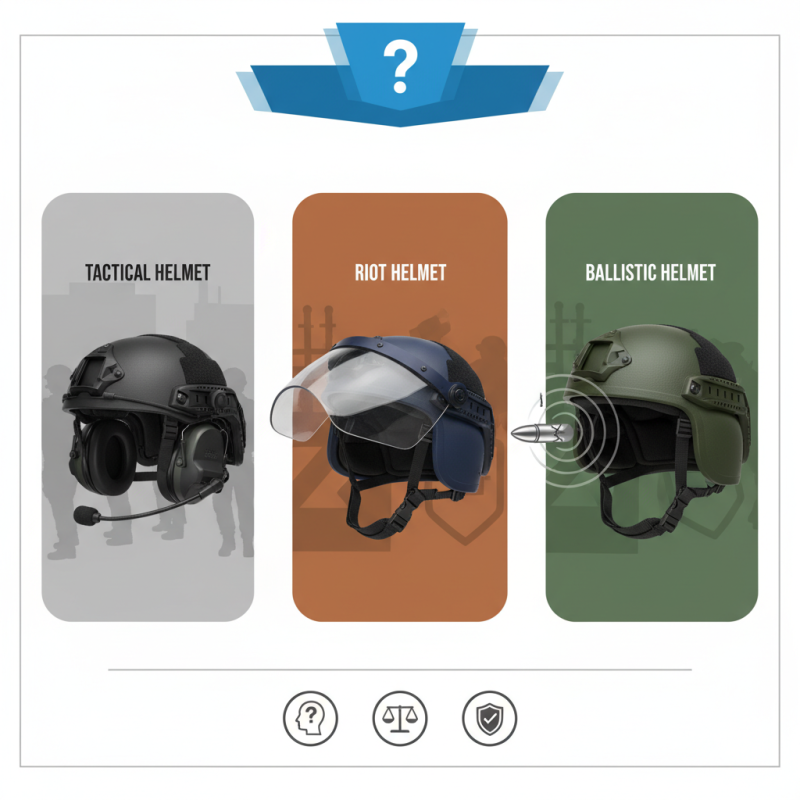
Varieties of Police Helmets include tactical, riot, and ballistic types. Each helmet type has unique features and applications. For instance, a riot helmet may offer face protection, while a ballistic helmet focuses more on stopping bullets. Officers must reflect on their specific needs when selecting a helmet. After all, the right helmet can make a significant difference in life-threatening situations. Therefore, exploring different types of Police Helmets becomes essential for any law enforcement professional.
Types of Police Helmets: An Overview of Options Available
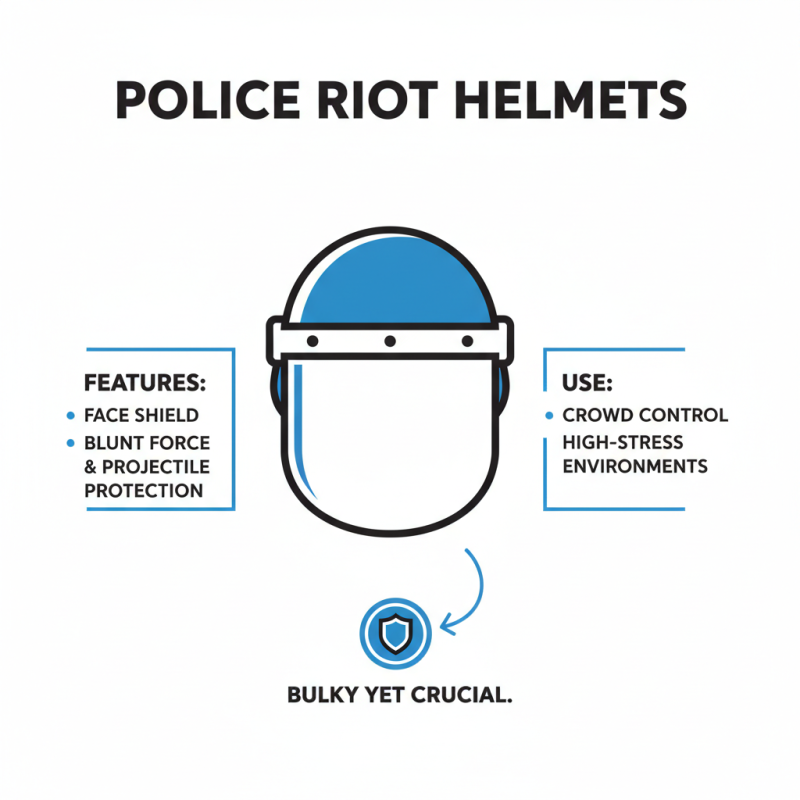
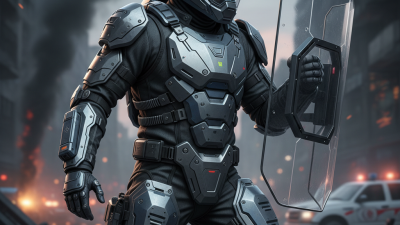
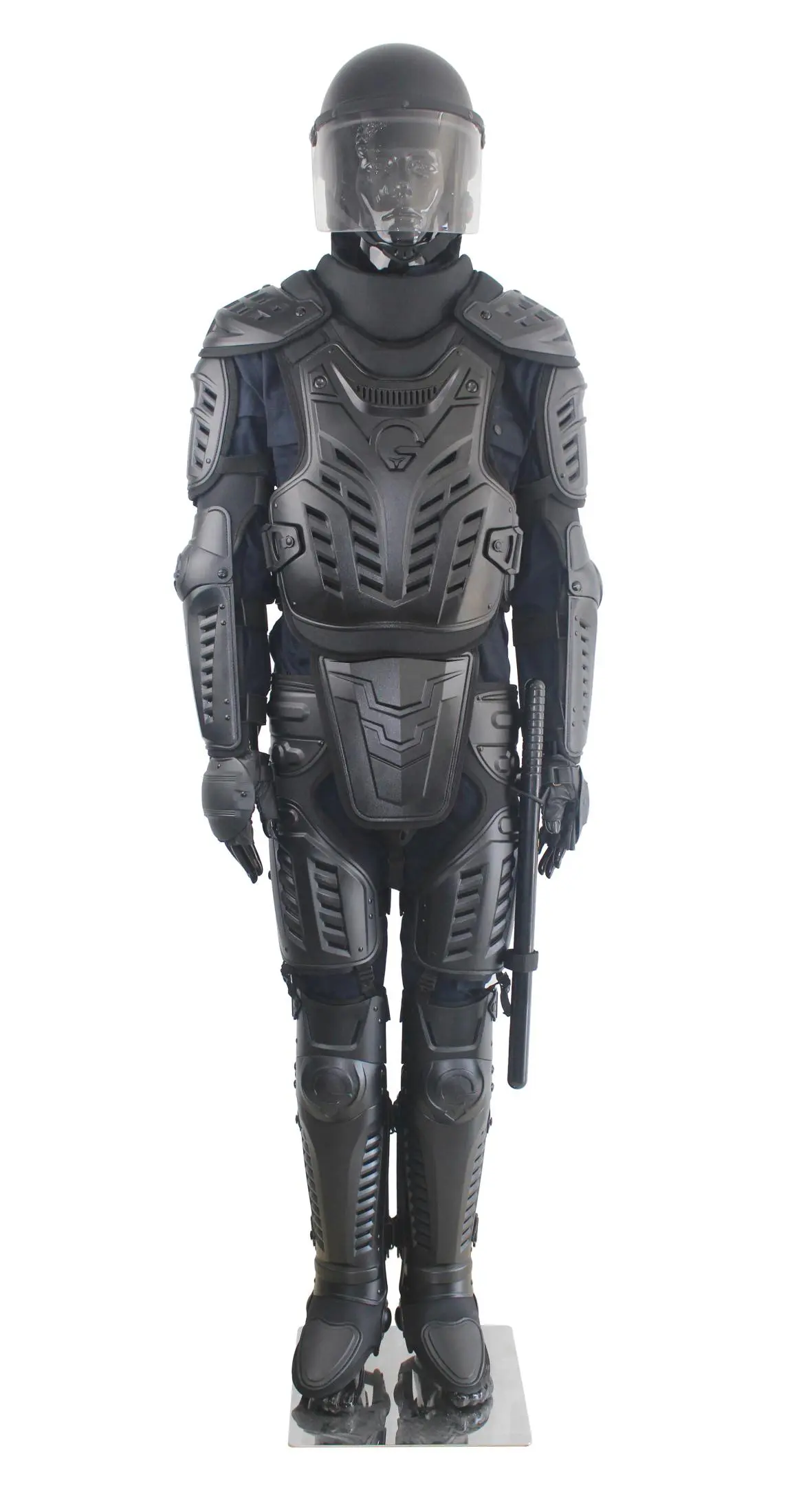
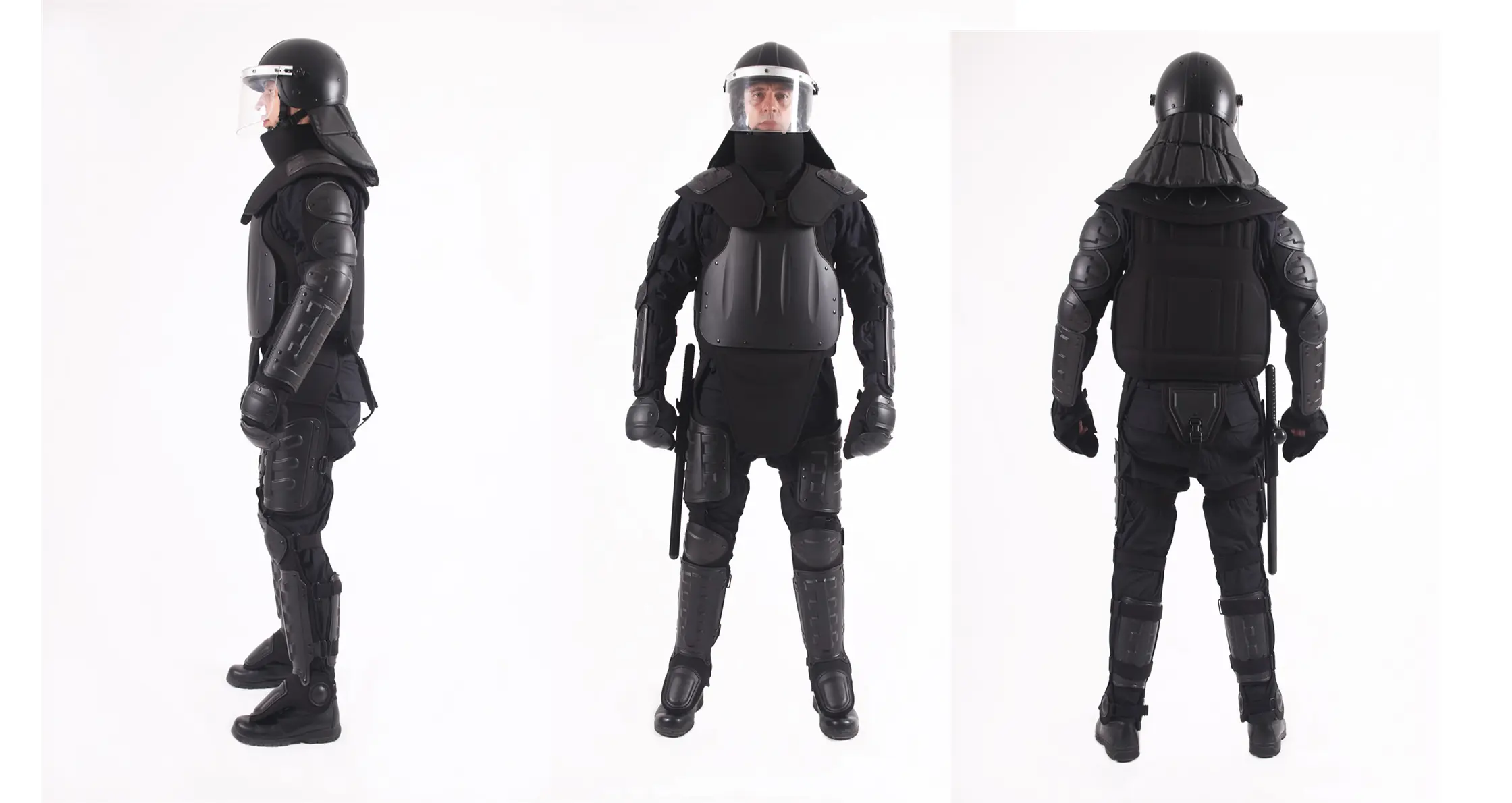
When considering police helmets, several types should be noted for their unique features. Riot helmets often come with face shields and are designed for crowd control situations. They offer protection against blunt force and projectiles. These helmets are bulky but crucial in high-stress environments.
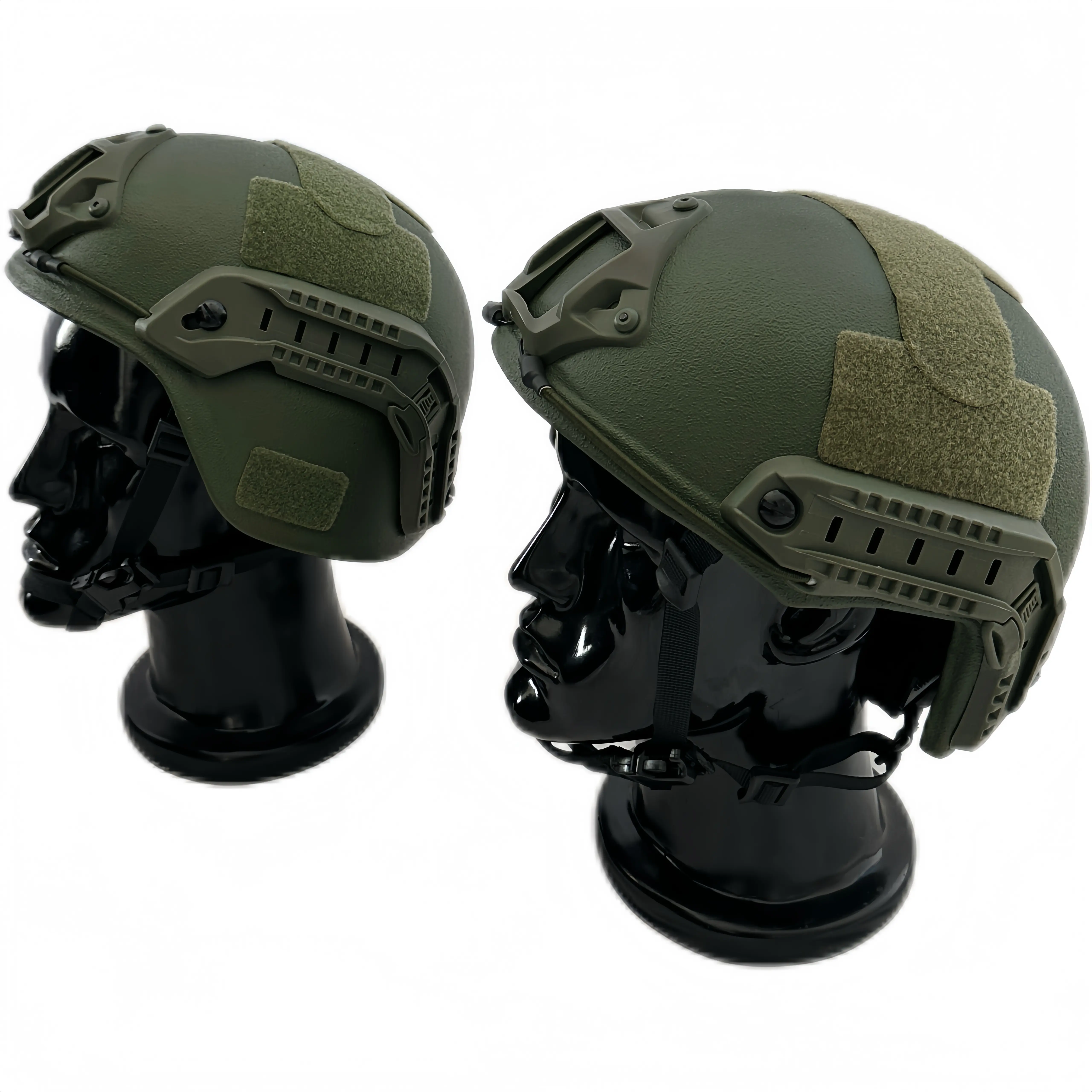
Another option is the tactical helmet. This type is lightweight and often equipped with mounting points for accessories. Tactical helmets are versatile for different missions but might not offer extensive facial protection. Officers should assess their specific needs before making a choice.
Despite the various options, not every helmet is perfect for every situation. Officers must weigh comfort against protection. A helmet that is too heavy can hinder mobility. Some designs may compromise visibility, impacting an officer’s awareness during critical moments. These factors require careful thought when selecting the right helmet.
Key Features to Look for in Police Helmets for Optimal Safety
When choosing police helmets, safety and protection are paramount. Look for a helmet that offers impact resistance. Helmets made from high-quality polycarbonate or fiberglass can withstand significant forces. Ensure that it meets required safety standards. The weight of the helmet can affect comfort during long hours of wear.
Ventilation is crucial. A well-ventilated helmet helps prevent heat buildup. This keeps officers comfortable in hot situations. Additionally, a helmet should have adjustable straps for a secure fit. It minimizes movement during fast actions. Padding plays a role too; it adds comfort and absorbs shock.
Tips: Always try on the helmet before making a decision. It should feel snug but not too tight. Consider reflective strips or bright colors for visibility. Remember, a helmet can only provide protection if worn correctly.
The design of the helmet is also important. Look for a model that allows for accessories, such as face shields or communication devices. These features can enhance functionality during operations. Regularly check helmets for any signs of damage. Reflect on the importance of ongoing maintenance in ensuring maximum safety.
Impact Resistance Standards for Law Enforcement Helmets
When selecting a police helmet, understanding the impact resistance standards is crucial. Helmets must meet specific tests to ensure protection against various threats. The National Institute of Justice (NIJ) sets these standards. Officers should be aware of ratings like PAS and ANSI that indicate helmet durability.
Tips: Always check for certification marks on the helmet. They can indicate adherence to safety standards. Regular inspection of the helmet for damage is wise. Even minor cracks can reduce effectiveness. Consider the weight of the helmet for comfort during long shifts.
Don’t forget about ventilation and padding. Proper airflow can reduce heat buildup during active scenarios. Padding helps absorb impact better, but it can wear out over time. Reflect on the balance between comfort and safety. A helmet that is too heavy may lead to fatigue. Choose wisely for both protection and usability.
Top Police Helmet Types Impact Resistance Standards
Additional Protective Gear: Enhancing Safety with Police Helmets
When it comes to police safety, helmets are essential. Beyond basic protection, additional gear significantly enhances officers' safety. Reports from the National Institute of Justice show that head injuries in law enforcement can be devastating. A sturdy helmet can reduce the risk of traumatic brain injuries by 30%.
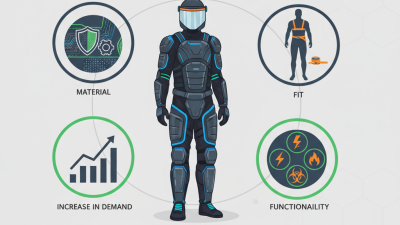
Modern police helmets now incorporate advanced materials. These helmets can be lightweight yet durable. Many models offer additional features like face shields. This is especially crucial during riots or protests. Officers equipped with full-face coverage are less likely to suffer from exposure to harmful substances.
However, choosing a helmet isn't just about features. Comfort plays a vital role. Police officers often wear helmets for extended periods. An uncomfortable helmet can lead to distraction, impacting performance. It’s essential to strike the right balance between protection and usability. Training with different helmet types can also reveal their limitations. Not every style suits all situations.
Top Police Helmet Types You Should Consider for Safety and Protection
| Helmet Type |
Material |
Weight (grams) |
Protection Level |
Price Range ($) |
| Bump Helmet |
High-Density Polyethylene |
600 |
Impact Resistant |
50 - 150 |
| Ballistic Helmet |
Aramid Fiber |
1200 |
Level IIIA |
300 - 800 |
| K-POT Helmet |
Polycarbonate |
800 |
Level IIIA |
250 - 500 |
| Riot Helmet |
Polycarbonate/ABS |
1000 |
Impact Resistant |
70 - 200 |
| Tactical Helmet |
Kevlar/Composite |
1500 |
Level IIIA |
500 - 1200 |
Regular Maintenance Tips for Extending the Life of Police Helmets
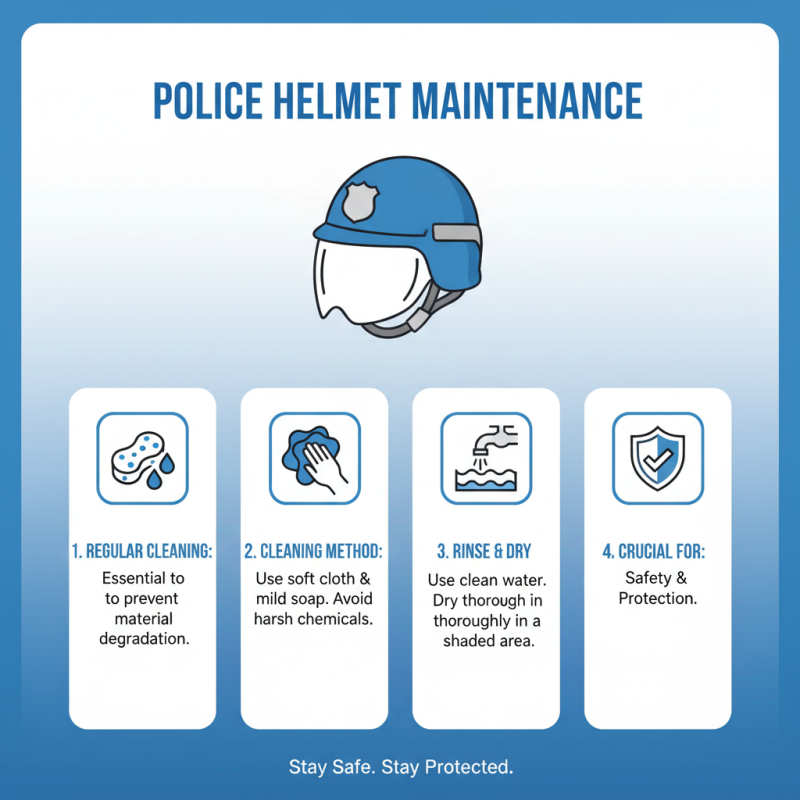
Proper maintenance of police helmets is crucial for safety and protection. Regular cleaning is essential. Dirt, sweat, and grime can degrade materials over time. Use a soft cloth and mild soap to clean the exterior. Avoid harsh chemicals that could damage the helmet's structure or finish. Rinse with clean water and dry thoroughly in a shaded area.
Inspect your helmet often. Check for cracks or damage that might affect performance. Replace any worn-out padding. This can enhance comfort and fit. Storing the helmet correctly also prolongs its life. Keep it in a cool, dry place. Direct sunlight can weaken the materials. Remember, your helmet can be your first line of defense. Treat it with care to ensure its reliability.
Sometimes, it’s easy to overlook these details. Rushing through maintenance can lead to mistakes. Neglecting minor repairs can turn into bigger issues down the line. Take the time to review your helmet regularly. It’s not just about compliance; it’s about safety and effectiveness in the field.