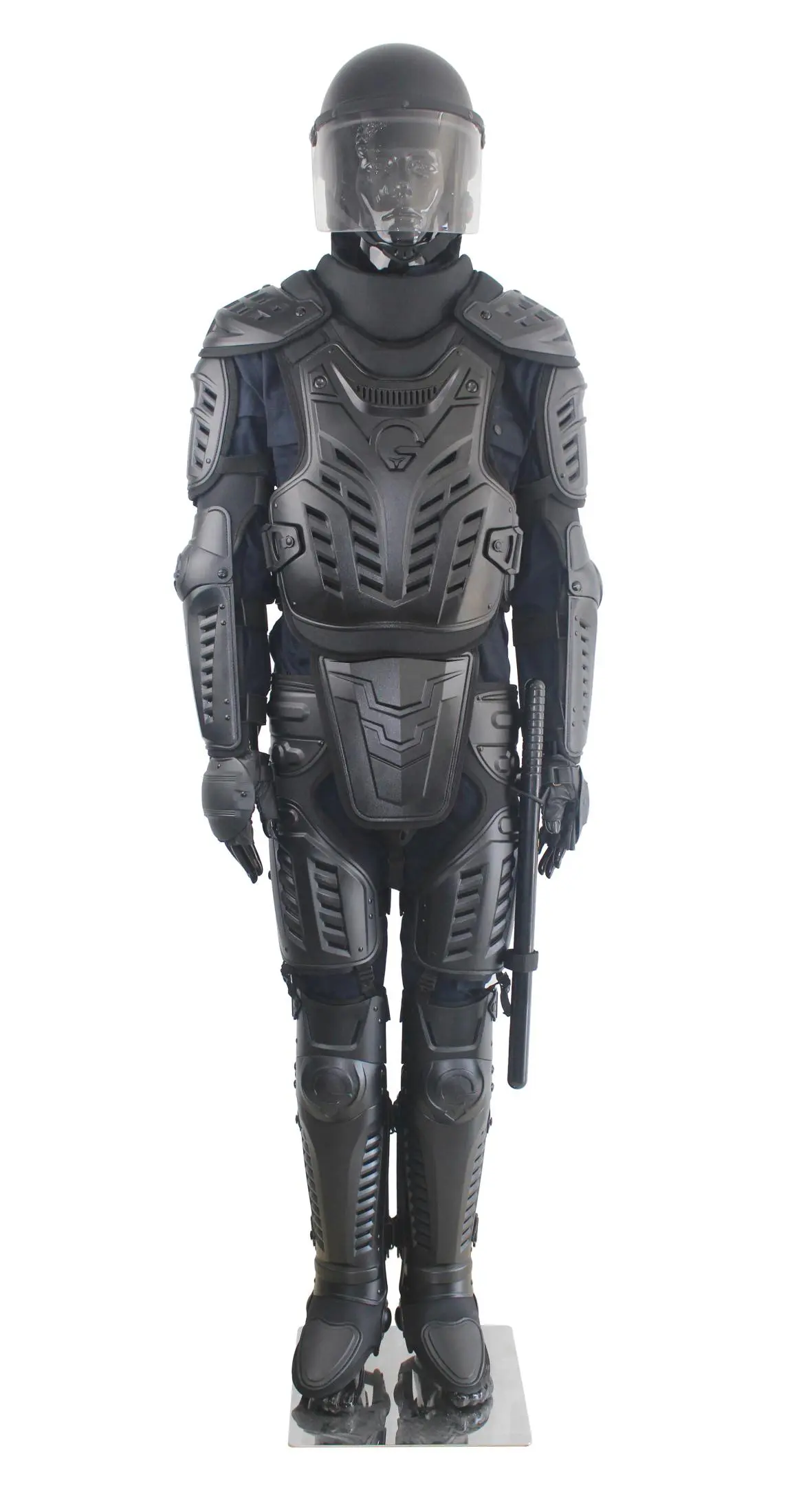
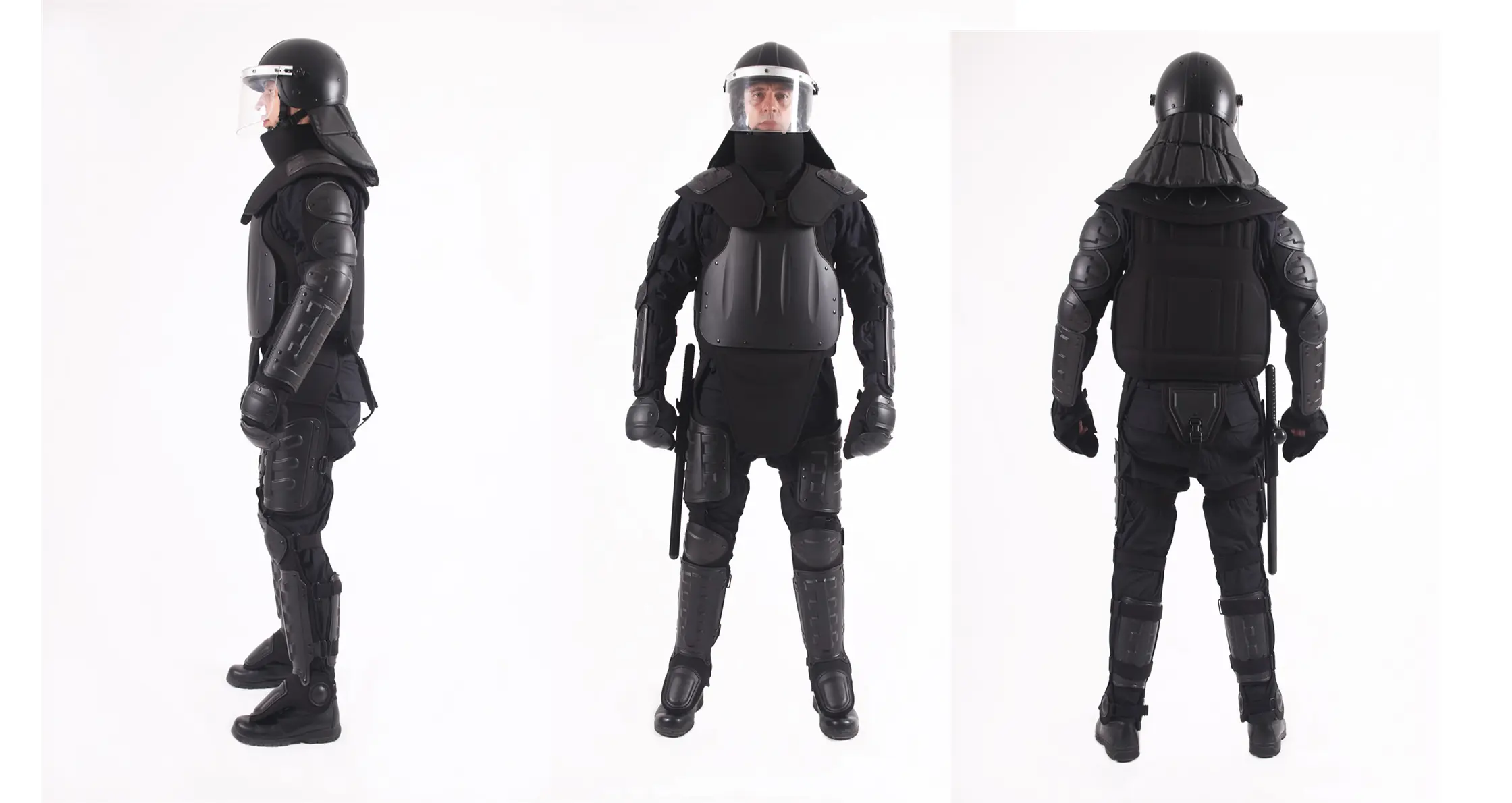
Top 10 Riot Suit Features You Need to Know About?
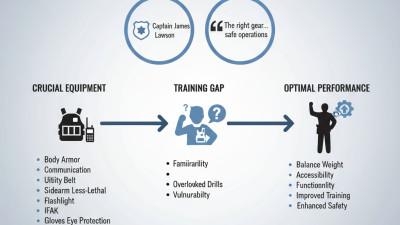
In the ever-evolving landscape of public safety, understanding the importance of a Riot Suit is crucial. According to Dr. Mark Lane, an expert in crowd control, "The right Riot Suit can be a lifesaver." His insights illuminate the key features that can protect individuals in high-risk situations.
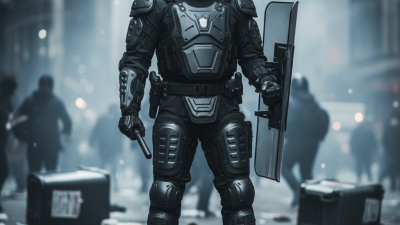
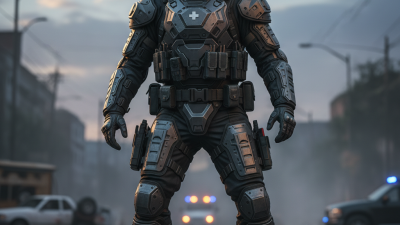
A Riot Suit is designed to withstand various threats. It provides a barrier against projectiles, chemical agents, and blunt force trauma. Each feature plays a vital role in ensuring safety for law enforcement and security personnel. Durability and comfort are often overlooked but essential characteristics.
Many users express frustration over inadequate suits that do not offer flexibility. This can hinder movement during critical moments. Furthermore, the effectiveness of a Riot Suit boils down to its fit and weight. Choosing the right suit involves navigating a balance between protection and mobility. Failing to prioritize these aspects can compromise safety in chaotic environments.
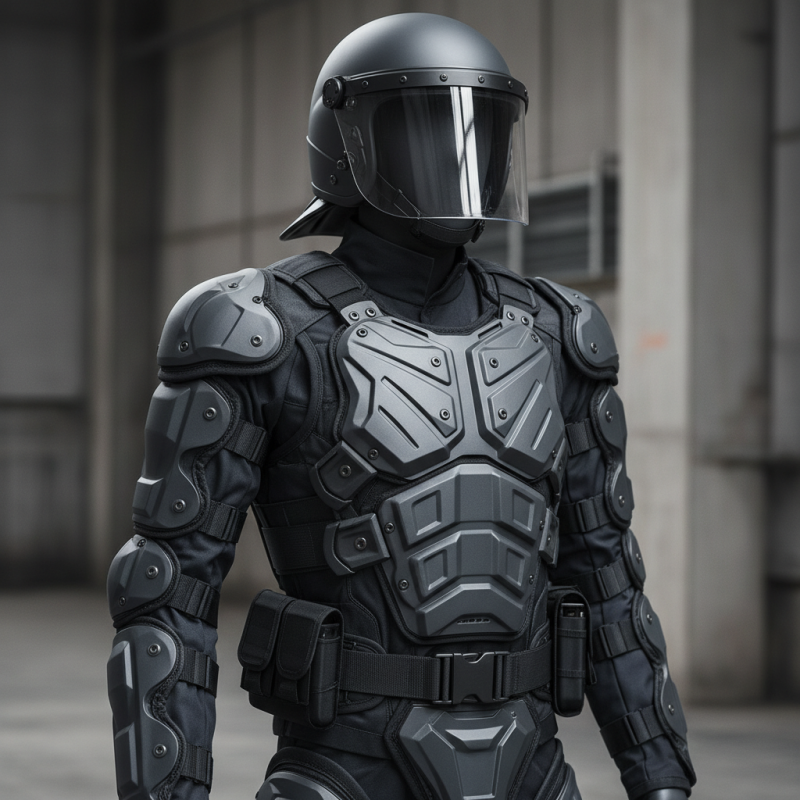
Key Materials Used in Riot Suits for Enhanced Durability
Riot suits are designed for intense situations. Their durability heavily relies on the materials used in their construction. Key materials include ballistic nylon, polycarbonate, and special fabrics like Kevlar. These components offer significant resistance against abrasions and impacts.
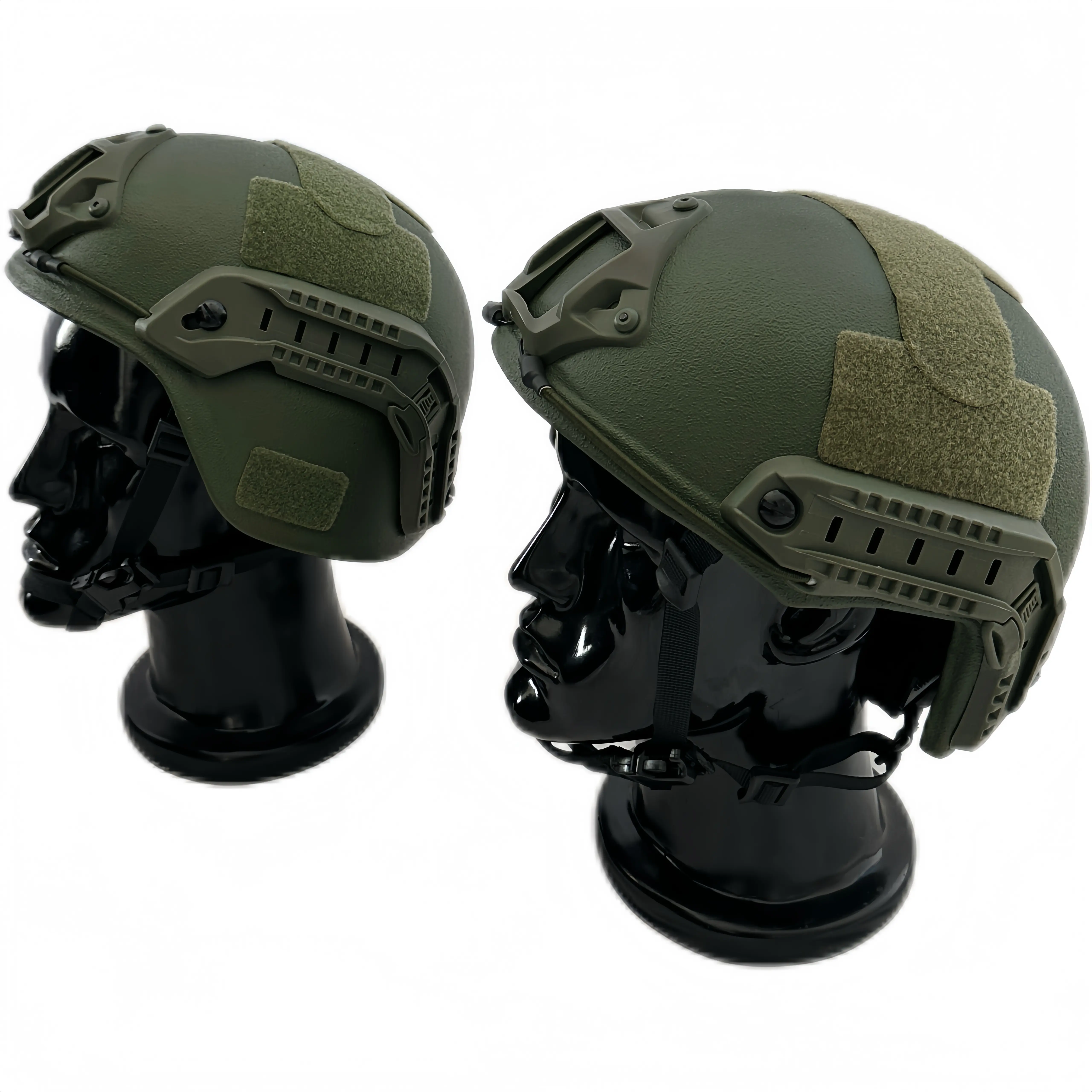
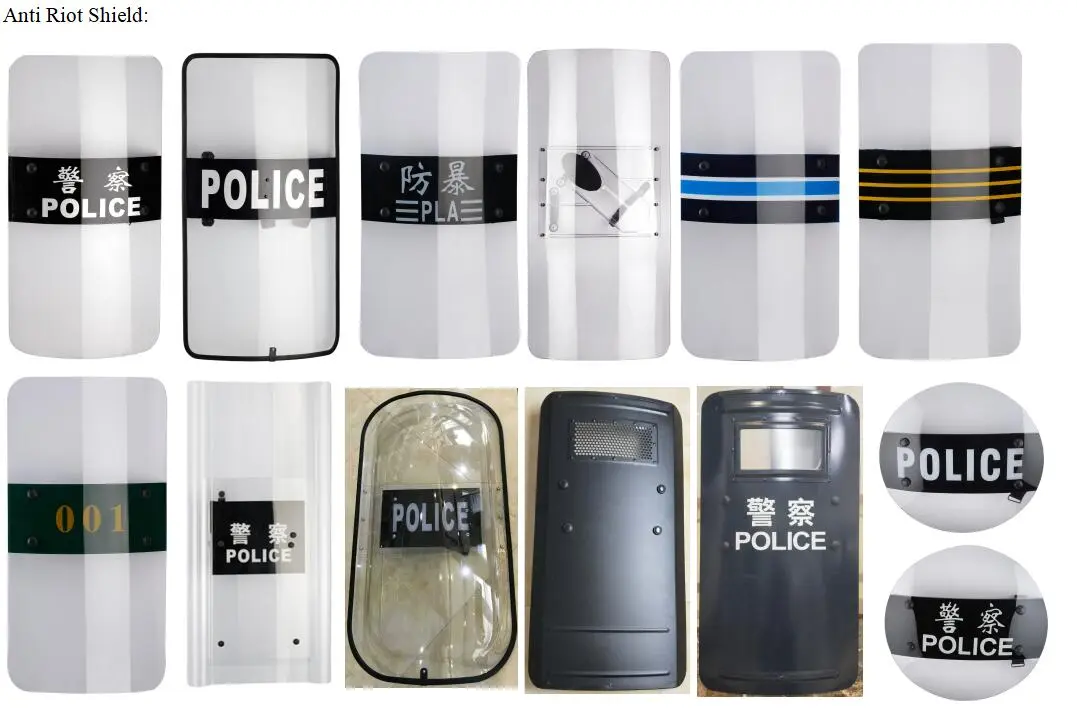
Ballistic nylon is a popular choice. It provides excellent tear resistance. This material not only withstands rough handling but also offers lightweight comfort. Polycarbonate, used in helmets and shields, is known for its high-impact strength. It protects against various threats while remaining lightweight. Kevlar adds an extra layer of protection. It's known for both its strength and flexibility.
When selecting a riot suit, focus on the quality of materials. Check for certifications that ensure protection standards. Always consider fit and comfort. An ill-fitting suit may hinder movement when it matters most. Testing the suit under different conditions may provide insights into its effectiveness.
Tip: Opt for breathable materials for warmer climates. This enhances comfort during prolonged use.
Regular maintenance of the suit is crucial for ensuring longevity. Clean it according to the manufacturer’s instructions. Storing it properly prevents material degradation.
Tip: Inspect your suit regularly for signs of wear. Early detection of damage can save you from potential risks.
Essential Protection Features: What to Look for in a Riot Suit
When choosing a riot suit, focus on essential protection features. The right materials matter significantly. Look for suits made from durable fabrics that can withstand physical impacts. Reinforced stitching is vital to ensure seams do not fail under stress. Lightweight options offer comfort during long hours, but they also need to maintain high protection levels.
Consider the coverage offered by the riot suit. Adequate coverage means protection against blunt force and sharp objects. Pay attention to areas like the neck, limbs, and face. Some suits include integrated helmets and shields, adding further protection. Mobility is often overlooked. Ensure that the suit allows for free movement, especially in high-tension situations.
Lastly, ventilation is important for comfort and performance. A well-ventilated suit prevents overheating during active duties. However, balance between breathability and protection is essential. It's not just about safety; comfort can affect performance. Reflect on these factors when selecting the right suit. Each feature plays a role in making the suit effective and reliable during challenging circumstances.
Breathability and Comfort: Balancing Safety and Wearability
When considering riot suits, comfort and breathability are crucial. High levels of activity require materials that allow for airflow. Heavy and suffocating gear can lead to fatigue and reduced effectiveness during intense situations. Therefore, choosing a suit made from breathable fabrics can enhance comfort significantly.
Finding the right balance between safety and wearability is essential. A riot suit must protect against various threats while remaining comfortable enough for extended wear. Look for features such as mesh panels for ventilation and moisture-wicking liners. These aspects improve airflow, keeping the wearer cool and focused.
Tips: Ensure that the suit fits well. Loose-fitting gear can be cumbersome and interfere with movement. Also, consider modular designs that allow wearers to remove sections when not needed. Remember, comfort can make a significant difference in high-pressure scenarios. It’s all about finding the right blend of protection and ease.
Mobility Considerations: Ensuring Freedom of Movement in Riot Suits
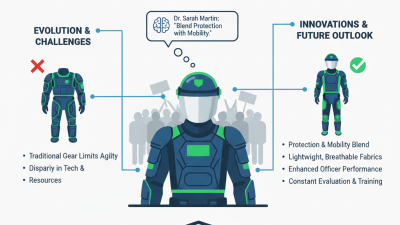
When choosing a riot suit, mobility is crucial. A well-designed suit allows freedom of movement while providing protection. Officers need to maneuver quickly in chaotic situations. Stiff materials can hinder response times.
Consider lightweight fabrics and flexible designs. These features help maintain agility. They ensure officers can run, bend, and react as needed. A suit that feels restrictive can create delays. A rushed design often sacrifices comfort for protection.
Here are some tips: Test the suit's fit thoroughly. Movement should feel natural. A suit too loose may hang awkwardly. A precise fit enhances both safety and mobility. Remember, even minor adjustments can make a big difference. Always prioritize breathable materials. They help with comfort and endurance during prolonged use.
Top 10 Riot Suit Features You Need to Know About
| Feature |
Description |
Mobility Consideration |
| Lightweight Material |
Made from high-strength synthetic fibers that provide protection without adding excessive weight. |
Enhances agility and reduces fatigue during prolonged use. |
| Flexible Design |
Articulated joints allowing for a full range of motion. |
Ensures users can move freely and perform necessary actions quickly. |
| Ventilation System |
Strategically placed vents to allow airflow and prevent overheating. |
Keeps the user comfortable and focused during intense situations. |
| Adjustable Fit |
Features adjustable straps and buckles for a customized fit. |
Helps maintain mobility and prevents the suit from shifting during movement. |
| Integrated Padding |
Built-in padding in key areas for added protection. |
Balances protection with the ability to move as needed. |
| Water-Resistant Coating |
Applied coating to repel water and other liquids. |
Maintains comfort and focus, ensuring mobility in adverse weather conditions. |
| Reinforced Seams |
Sturdy stitching methods to enhance durability. |
Prevents wear and tear while allowing for movement. |
| Quick-Release Mechanism |
Easy-to-use fasteners for rapid removal of the suit. |
Ensures swift response in emergency situations. |
| Ergonomic Cut |
Tailored for natural body movement and posture. |
Reduces restriction, enhancing overall physical performance. |
| Thermal Regulation |
Insulating layers to manage body temperature. |
Supports prolonged use in variable temperature environments. |
Custom Fit Options: Importance of Sizing and Adjustability for Users
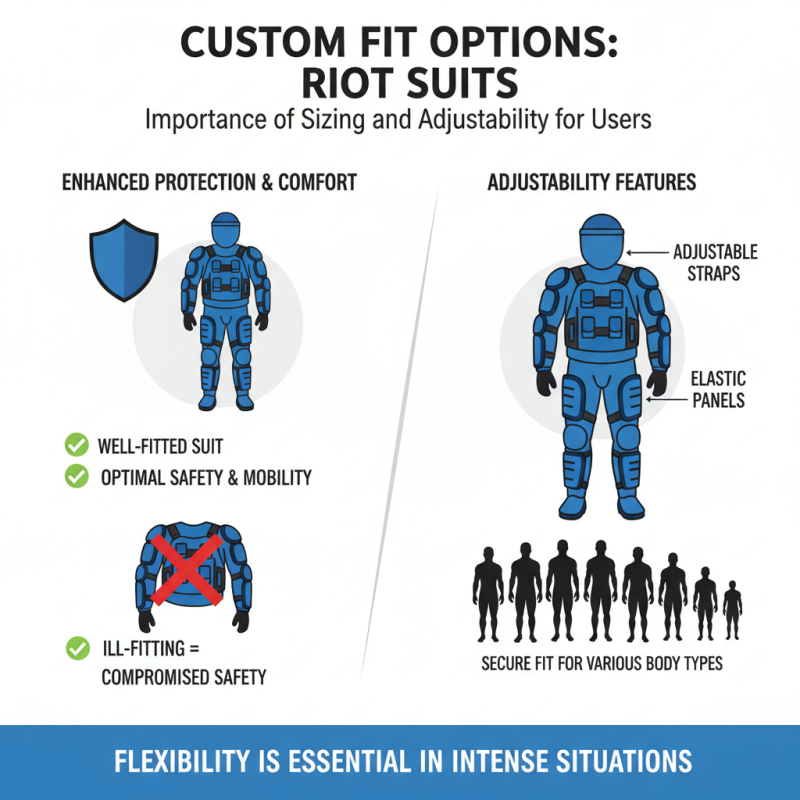
When it comes to riot suits, custom fit options are crucial. A well-fitted suit enhances protection and comfort. An ill-fitting suit can compromise safety. Adjustability features, such as adjustable straps and elastic panels, ensure a secure fit for various body types. This flexibility is essential during intense situations.
It's important to consider sizing carefully. Many riot suits come in standard sizes, but custom options can be more beneficial. Poor sizing can lead to chafing or restricted movement. Users should actively measure their dimensions for a better fit. Always consult size charts provided by manufacturers.
Here are some tips for a perfect fit. Try on the suit with any additional gear you may wear. Check the range of motion in the arms and legs. Ensure that zippers and closures function smoothly. Last, pay attention to the weight distribution. A balanced suit is easier to wear for extended periods. Don't overlook these details—they can make a significant difference in performance.