Why Choose Riot Control Gear for Global Procurement?

Global procurement teams face a difficult question: Why Choose Riot Control Gear for responsible public safety operations? The answer begins with protection, consistency, and verified performance. In lawful settings, this equipment can help safeguard personnel during crowded, unpredictable incidents. Helmets, protective shields, body armor, gloves, and visibility garments each serve a clear function. Every item should support safety without encouraging unnecessary force.

Experienced buyers look beyond product photographs. They review material specifications, impact testing, heat resistance, sizing, maintenance needs, and replacement cycles. A procurement manager may inspect helmet seals, shield handles, stitching, and packaging before approving a shipment. These details matter during long deployments, especially in rain, heat, or limited visibility. Reliable suppliers should provide traceable documentation, quality-control records, and practical user guidance. Independent testing adds confidence, although it never replaces field evaluation.

Riot Control Gear is not a universal answer. Poorly fitted equipment can restrict movement, increase fatigue, or create false confidence. Procurement decisions must reflect local laws, human-rights standards, workplace rules, and approved operating procedures. Buyers should consult qualified safety professionals and competent legal advisers before placing international orders. Training remains essential. So does accountability. A strong supplier relationship includes honest feedback, after-sales support, and realistic delivery expectations. Some specifications may look impressive but offer little value in daily use. That possibility deserves attention. The best global procurement strategy is careful, documented, and willing to revise assumptions when evidence changes.

Why Choose Riot Control Gear for Global Procurement?

Riot Control Gear Scope: Helmets, Shields, Armor, Respirators, and PPE

Why Choose Riot Control Gear for Global Procurement?

Riot Control Gear Scope: Helmets, Shields, Armor, Respirators, and PPE

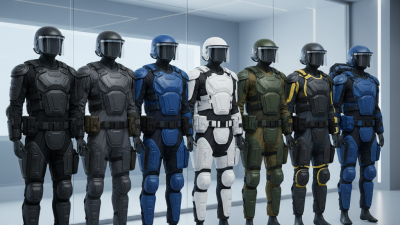
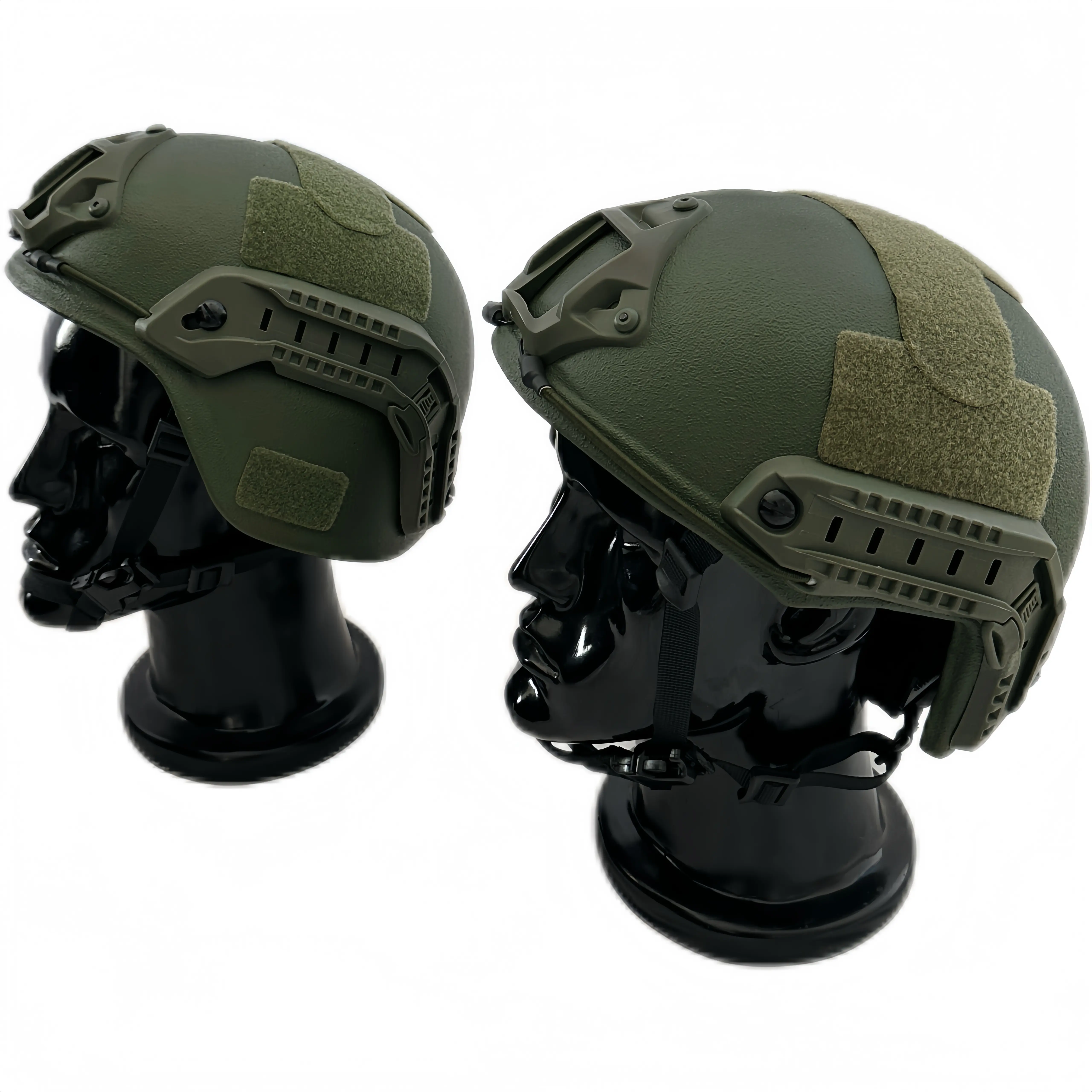
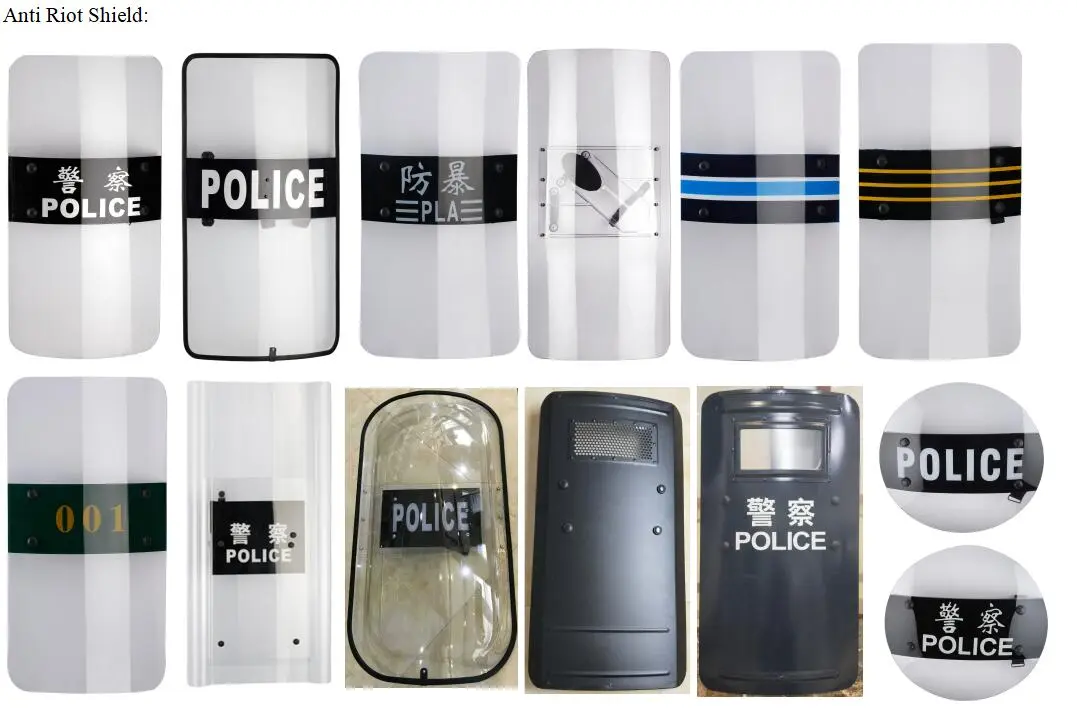
For global procurement, riot control gear should be judged by protection, fit, documentation, and service life. Helmets need stable adjustment, clear vision, and impact-resistant shells. Shields should balance coverage with manageable weight. Small details matter.

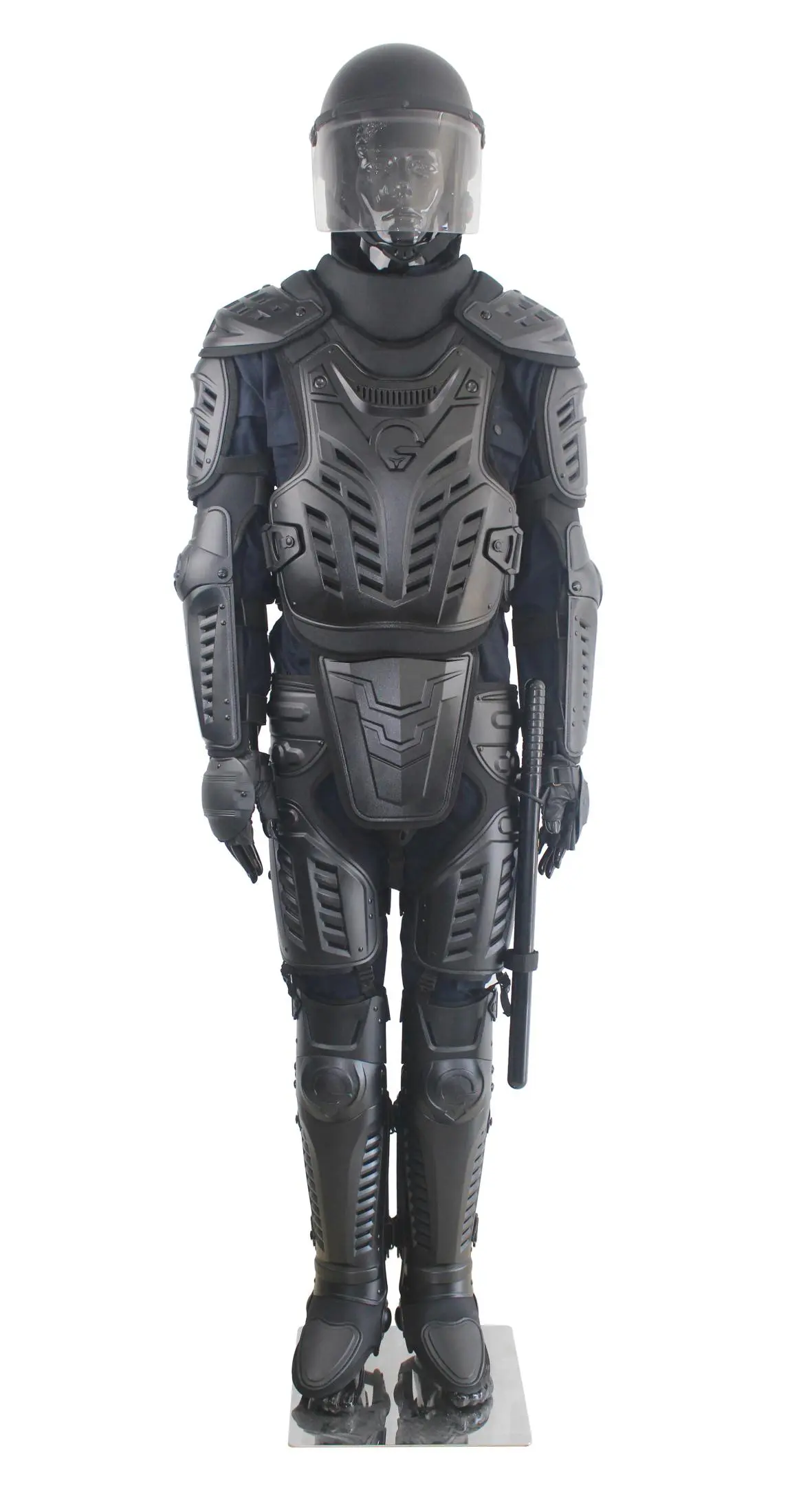
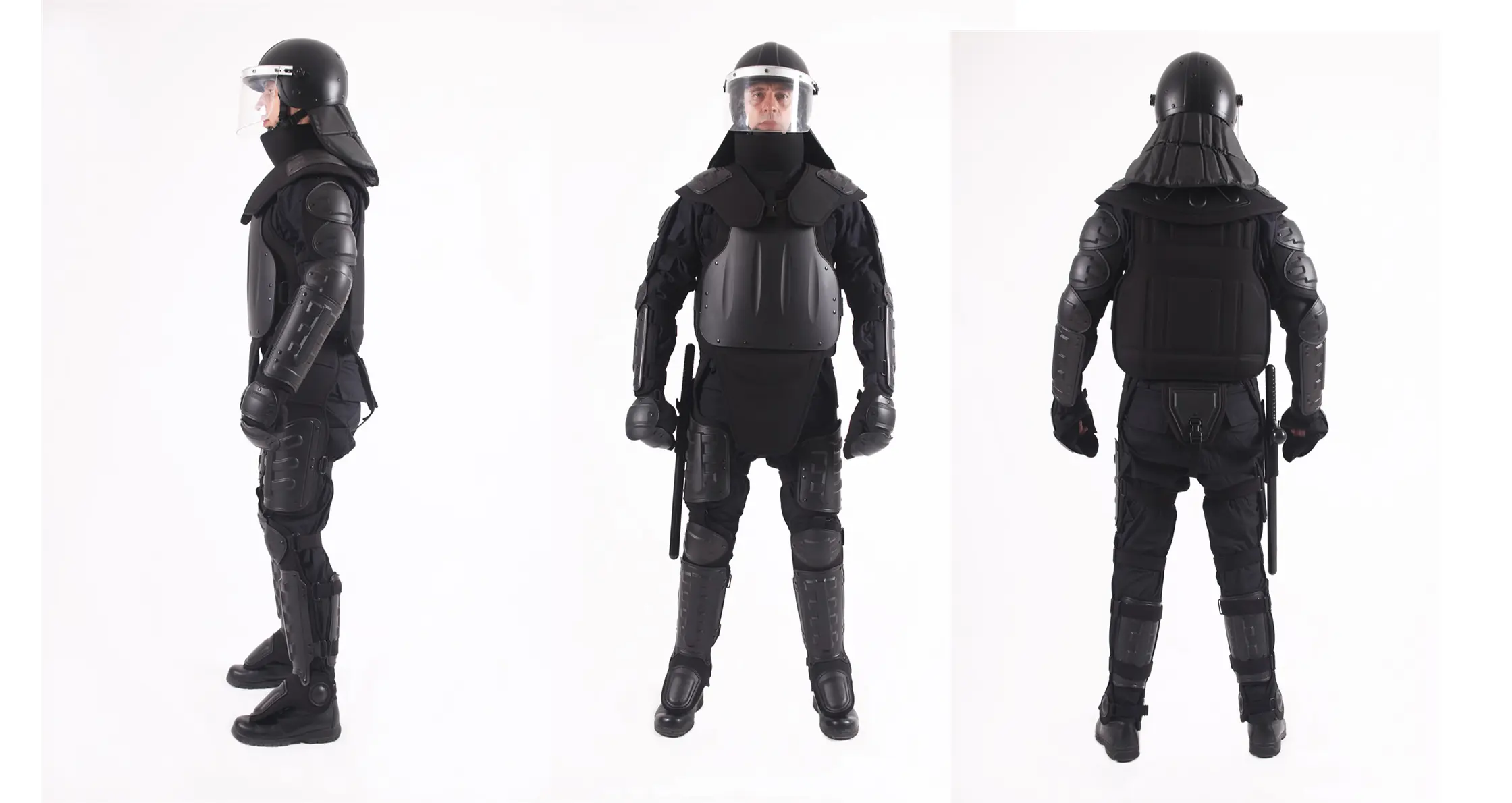
Body armor must allow movement without creating pressure points during long shifts. Respirators require verified filtration, secure seals, and replacement parts that remain available. PPE should match the working environment, including heat, dust, rain, and limited visibility. Procurement teams should request test records, material specifications, inspection guidance, and traceable production information. These records support more reliable comparisons between suppliers.

Field experience often reveals problems that product sheets miss. A helmet may fit well indoors but become uncomfortable in humid weather. A shield may protect effectively yet strain the user’s arm after repeated handling. No specification is perfect. Buyers should include user trials, maintenance checks, and feedback from trained personnel before placing large orders. Compatibility also matters. Respirators, eye protection, armor, and communication equipment should work together without blocking movement. Training, storage conditions, cleaning procedures, and replacement schedules deserve equal attention. A lower purchase price can become expensive when parts are difficult to source or inspections are unclear. Procurement should follow applicable national standards and lawful public-safety requirements in each destination.

Why Choose Riot Control Gear for Global Procurement?

Riot Control Gear Scope: Helmets, Shields, Armor, Respirators, and PPE

This illustrative 100-person procurement baseline assigns one primary protection item to each personnel category: helmets, shields, body armor, respirators, and supporting PPE. A complete procurement program should also assess certified impact and respiratory protection, equipment compatibility, sizing, replacement cycles, training, maintenance, and local regulatory requirements. The quantities shown are planning units, not market-share data.

Stab Protection Standards: NIJ 0115.00 Rates Threats at 24, 33, and 43 J

Why Choose Riot Control Gear for Global Procurement?

For global procurement, stab protection should begin with a clear technical reference. NIJ 0115.00 classifies resistance by impact energy: 24 joules for Level 1, 33 joules for Level 2, and 43 joules for Level 3. These figures help buyers compare protective panels under controlled laboratory conditions. They do not describe every real-world hazard.

Energy matters. A 24-joule test represents a lower threat level than 33 or 43 joules. Higher ratings require stronger resistance, but usually add weight, stiffness, or cost. Procurement teams should examine coverage around the chest, sides, shoulders, and fasteners. Small gaps can weaken practical protection. Fit matters too.

A reliable evaluation should include independent test reports, batch traceability, material specifications, and clear care instructions. Check whether the tested design matches the delivered product. It is an easy detail to miss. Temperature, moisture, repeated wear, and poor storage may affect performance. NIJ certification also does not remove the need for workplace training or local compliance checks. The standard measures specific test conditions, not complete personal safety. Some purchasing plans overvalue a higher number and undervalue mobility. That can be a mistake. Field feedback, user sizing, replacement timelines, and inspection records should influence the final decision. Slight uncertainty is better than unsupported confidence.

Eye and Face Safety: ANSI/ISEA Z87.1 Uses 150-ft/s Impact Tests

Why Choose Riot Control Gear for Global Procurement?

Eye and face protection should begin with measurable performance, not appearance. ANSI/ISEA Z87.1 uses a high-velocity impact test at 150 feet per second. A 6.35-millimeter steel ball strikes the lens or protector during evaluation. This simulates sudden contact with airborne particles and fragments. The test is demanding. Still, it is only one controlled condition.

For procurement teams, this detail changes how products should be compared. Verify permanent markings, impact classifications, field of vision, and compatibility with helmets or respirators. The U.S. Bureau of Labor Statistics continues to record thousands of occupational eye injury cases each year. NIOSH guidance also identifies flying particles, dust, and chemical splashes as recurring workplace hazards. These reports support layered protection, rather than relying on a single shield.

A clear visor may pass impact testing but still fog during extended use. That matters. In practical inspections, poor ventilation, uncomfortable straps, and limited optical clarity often reduce compliance. I have seen specifications look complete while missing cleaning instructions and replacement intervals. That gap deserves attention. Global buyers should confirm test reports, production consistency, material traceability, and regional certification requirements before shipment. ANSI/ISEA Z87.1 provides a useful benchmark, but it does not replace task-specific risk assessment or local legal review.

Respiratory Protection: OSHA APFs Range from 10 to 10,000 by Design

Why Choose Riot Control Gear for Global Procurement?

Respiratory protection should begin with exposure, not appearance. OSHA Table 1 assigns protection factors from 10 to 10,000 by respirator design. A half-mask air-purifying respirator generally carries an APF of 10. A full-face model may reach 50. Certain pressure-demand supplied-air or self-contained systems can reach 1,000 or 10,000. These figures describe expected workplace protection when the equipment fits correctly and the program is properly managed.

The numbers matter during global procurement. NIOSH’s Respirator Selection Logic explains that the maximum use concentration is calculated by multiplying the exposure limit by the APF. A dusty loading area, for example, may require a different selection than a space with toxic vapors. Procurement teams should compare certified configurations, filter classifications, face-seal requirements, and replacement schedules. Small details matter. Facial hair can defeat a tight seal. Heat and humidity can reduce user tolerance. A technically suitable respirator may still be rejected after ten uncomfortable minutes.

OSHA 29 CFR 1910.134 also emphasizes medical evaluation, fit testing, training, and written program controls. Those requirements are useful reference points, although local rules differ across countries. One common mistake is treating APF as a guarantee. It is not. Field performance depends on maintenance, correct wearing, and real user behavior. Better purchasing decisions include documented fit-test records, clear inspection steps, and training materials translated for local teams. The carton is only the beginning.

Global Procurement Compliance: ISO 9001, CE Marking, and Import Controls

Why choose riot control gear for global procurement? The answer begins with controlled quality, not price alone. Protective helmets, shields, body protection, and related equipment must perform consistently in demanding environments. Buyers should request production records, material specifications, inspection results, and clear user instructions. These details make evaluation practical and auditable.

ISO 9001 can indicate a structured quality management system. It does not automatically prove that every product is safe or suitable. Procurement teams should review the supplier’s scope, inspection methods, corrective actions, and batch traceability. CE marking applies only when the product falls under relevant European requirements. Buyers should verify the applicable rules, technical documentation, risk assessment, and EU Declaration of Conformity. A certificate alone is not enough.

Import controls require equal attention. Confirm the correct HS code, country-of-origin data, labeling, packaging, and customs documents before shipment. Some destinations may require permits, conformity records, or specific importer responsibilities. Screening should cover the buyer, end use, destination, and local restrictions. Keep records of approvals and delivery checks. Small errors can delay a container.

The process is not perfect. Documents may conflict, and local rules can change. A careful review by qualified compliance staff remains essential. Practical supplier communication also matters. Ask direct questions, record the answers, and request updated evidence before each major order.