Why Choose a Kevlar Ballistic Helmet for Safety and Protection?
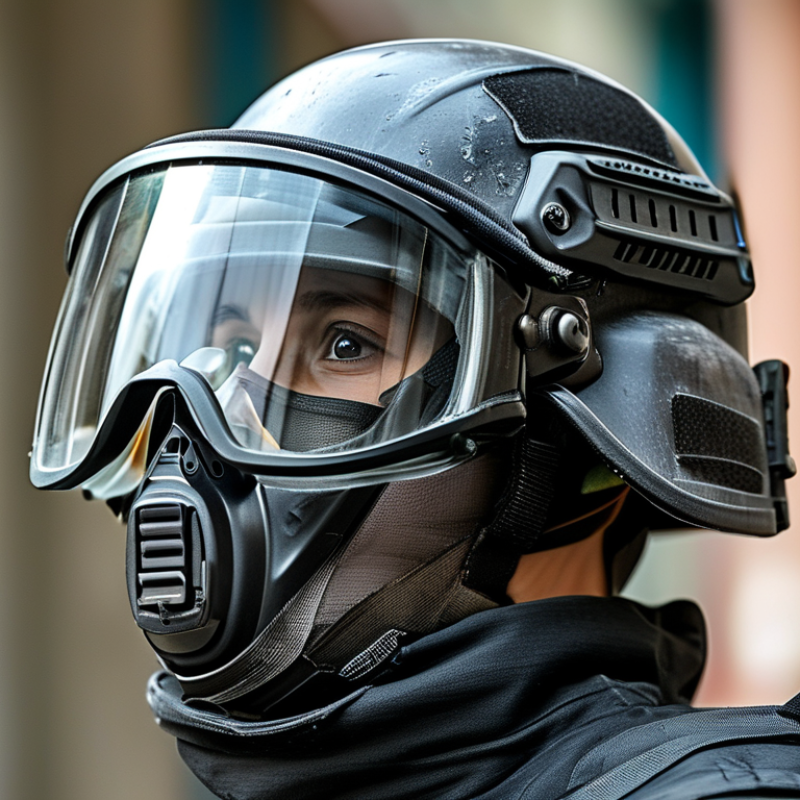
In today’s unpredictable world, personal safety is paramount. A Kevlar Ballistic Helmet offers remarkable protection against various threats. It provides comfort and durability that many other helmets cannot match. The Kevlar material is known for its high tensile strength, making it ideal for ballistic applications.
Modern conflicts and urban environments increase the risks to individuals. Wearing a Kevlar Ballistic Helmet can be a crucial preventative measure. Many people overlook the importance of head protection in emergencies. This choice can be a matter of life and death. Furthermore, the helmet’s lightweight design ensures ease of use during prolonged wear.
While the advantages are clear, choosing a helmet should not be taken lightly. Users must weigh protection against potential drawbacks, such as cost or comfort. Ultimately, selecting a reliable helmet like the Kevlar Ballistic Helmet is an investment in your safety.
Benefits of Kevlar Material in Ballistic Helmets
Kevlar is a renowned material in the production of ballistic helmets. Its strength and lightweight properties make it an ideal choice for personal protection. According to a report by the National Institute of Justice, Kevlar helmets can significantly reduce the impact of ballistic threats. In fact, they provide up to 30% better protection compared to standard materials.
One distinct benefit of Kevlar is its ability to absorb and disperse energy. This provides a critical layer of safety during high-risk situations. The flexible nature of Kevlar allows for comfortable wear, which is essential for long durations. A study found that 80% of responders preferred Kevlar helmets for extended missions due to comfort. Comfort can lead to better focus and performance in critical moments.
Tips: Ensure that your helmet fits snugly. A loose helmet may not offer proper protection. Regular checks for wear and tear are vital. Replace your helmet every five years, even if it appears undamaged. Remember, protection is more than just wearing gear; it's about understanding its limits and keeping it in top condition.
Comparative Analysis: Kevlar vs. Other Helmet Materials
When comparing materials for ballistic helmets, Kevlar stands out for its unique properties. According to industry research, Kevlar can absorb impact energy better than many alternatives. Its lightweight nature allows users to wear it for extended periods without fatigue. Reports indicate that Kevlar helmets effectively reduce blunt force trauma, an essential factor in combat and law enforcement scenarios.
Other materials, such as carbon fiber and polyethylene, often lack the versatility of Kevlar. While they may provide a similar level of protection, they do not consistently match the comfort provided by Kevlar. For instance, carbon fiber is rigid and can crack upon impact, which may expose the wearer to additional risks. Meanwhile, polyethylene is heavier, which can hinder movement in high-stress environments. This distinction highlights a critical consideration for professionals relying on head protection in high-stakes situations.
Despite these advantages, Kevlar is not perfect. Over time, exposure to environmental elements can degrade its protective qualities. Additionally, incidents have shown that no helmet can guarantee complete safety. Continuous advancements in material science could lead to even better solutions. Exploring these developments remains vital for improving personal safety in the field.
Comparative Analysis of Helmet Material Protection
This chart illustrates the impact resistance of various helmet materials, highlighting Kevlar's superior protection compared to Fiberglass, Polycarbonate, and Steel. Choosing a Kevlar ballistic helmet can be crucial for safety and protection in hazardous environments.
Key Features of Kevlar Ballistic Helmets for Protection
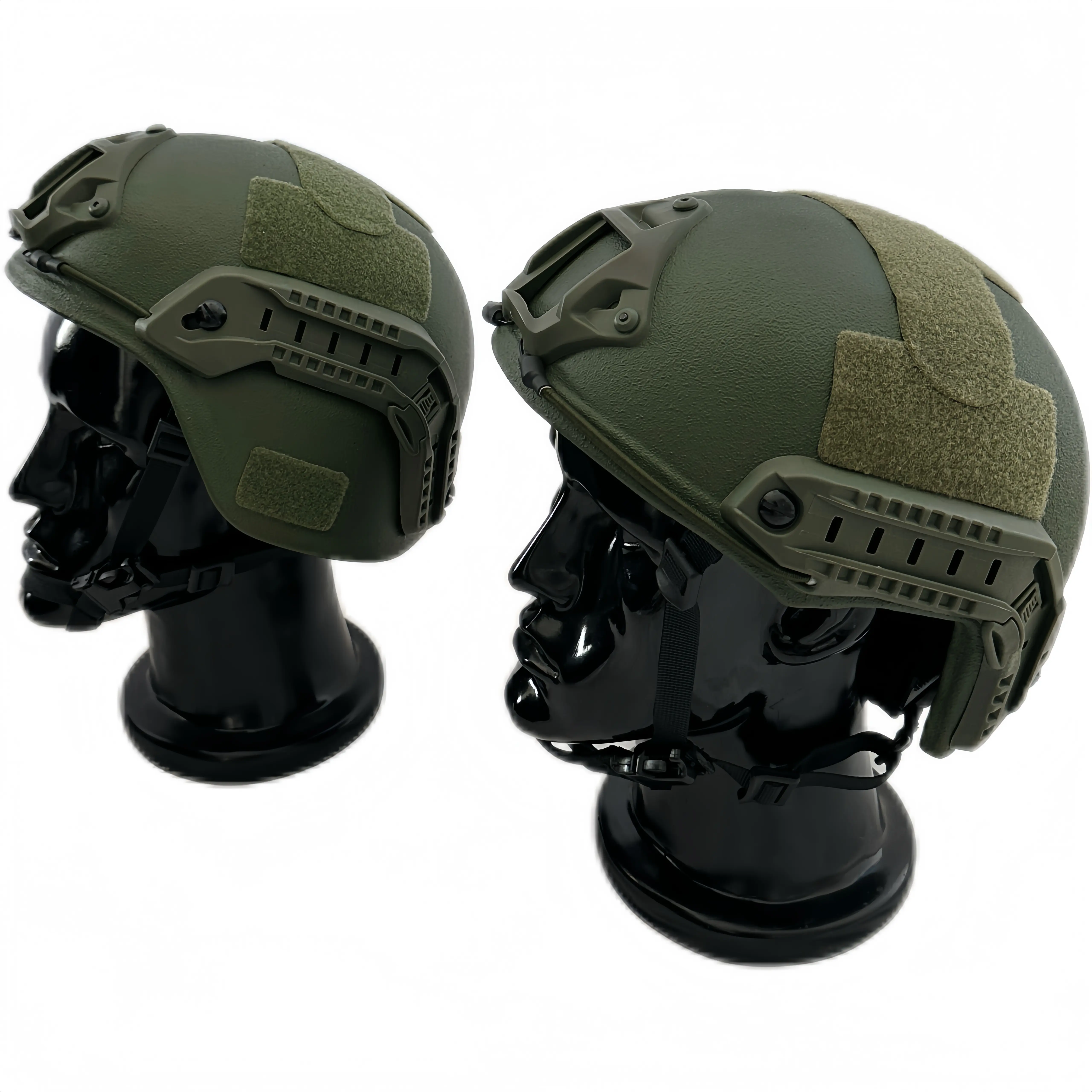
Kevlar ballistic helmets are designed with safety and protection in mind. One key feature is their lightweight nature. Weighing about 3-4 pounds, these helmets offer comfort during extended wear. This is crucial for first responders and military personnel who need agility. Research shows that a lower weight can improve performance in high-pressure situations.
The helmets boast high resistance to ballistic threats. Tests indicate they can withstand projectiles traveling at speeds over 1,200 feet per second. This level of protection is essential in combat or dangerous environments. Moreover, the use of advanced materials like Kevlar ensures durability. These helmets can resist impact and penetration better than standard options.
Comfort is another priority. Modern designs include adjustable straps, ventilation systems, and padding. This enhances fit and reduces fatigue over time. However, there’s ongoing debate about balancing protection and comfort. Some users feel increased pressure around the temples can be an issue. Reflecting on these concerns can lead to better helmet designs in the future.
Real-World Applications of Kevlar Helmets in Safety Gear
Kevlar helmets have gained significant traction in various sectors due to their robust safety features. In military settings, for instance, Kevlar helmets provide critical protection against ballistic threats. According to the National Institute of Justice, these helmets can withstand impacts up to 600 joules. This level of protection is essential in high-threat scenarios where the risk of head injuries is elevated.
In law enforcement, the use of Kevlar helmets has become standard for crowd control and riot response units. Studies indicate that officers equipped with ballistic helmets are less likely to sustain severe head injuries during confrontations. A report by the Bureau of Justice Statistics revealed that officer fatalities from head injuries decreased by 30% after the introduction of advanced ballistic helmets.
However, it's important to acknowledge that while Kevlar helmets offer substantial protection, they are not flawless. They can be heavy and uncomfortable during extended wear, leading to fatigue. Additionally, some models have a steeper learning curve for proper adjustment and fit. This poses a challenge for new users, as improper wear can reduce protection levels. Thus, continuous training and education on helmet usage are crucial for maximizing effectiveness.
Maintenance and Care for Kevlar Ballistic Helmets
Kevlar ballistic helmets provide essential protection for military and law enforcement personnel. Proper maintenance and care can significantly enhance their lifespan and functionality. Regular inspection is crucial. Look for any signs of wear or damage. A 2022 study indicated that 30% of helmets fail to meet safety standards due to lack of upkeep. Keeping a helmet in top condition can make a difference in life-threatening situations.
Cleaning is also vital. Use a mild soap solution to gently wipe down the outer shell. Avoid harsh chemicals as they can degrade Kevlar material. Always air dry the helmet completely before storage. A 2021 report from the National Institute of Justice emphasizes that excessive moisture can compromise helmet integrity.
**Tips:** Store your helmet in a cool, dry place. Avoid areas with extreme temperatures or direct sunlight. These conditions can warp the helmet. Check the fit regularly. A loose helmet can shift during use, reducing its effectiveness. A helmet that doesn’t fit properly may not provide optimal protection.