Essential Anti Riot Equipment for Global Procurers in 2026?
In 2026, the global landscape will demand a reevaluation of Anti Riot Equipment. As urban unrest becomes more prevalent, procurers must stay informed. The right equipment is essential for safety and order.
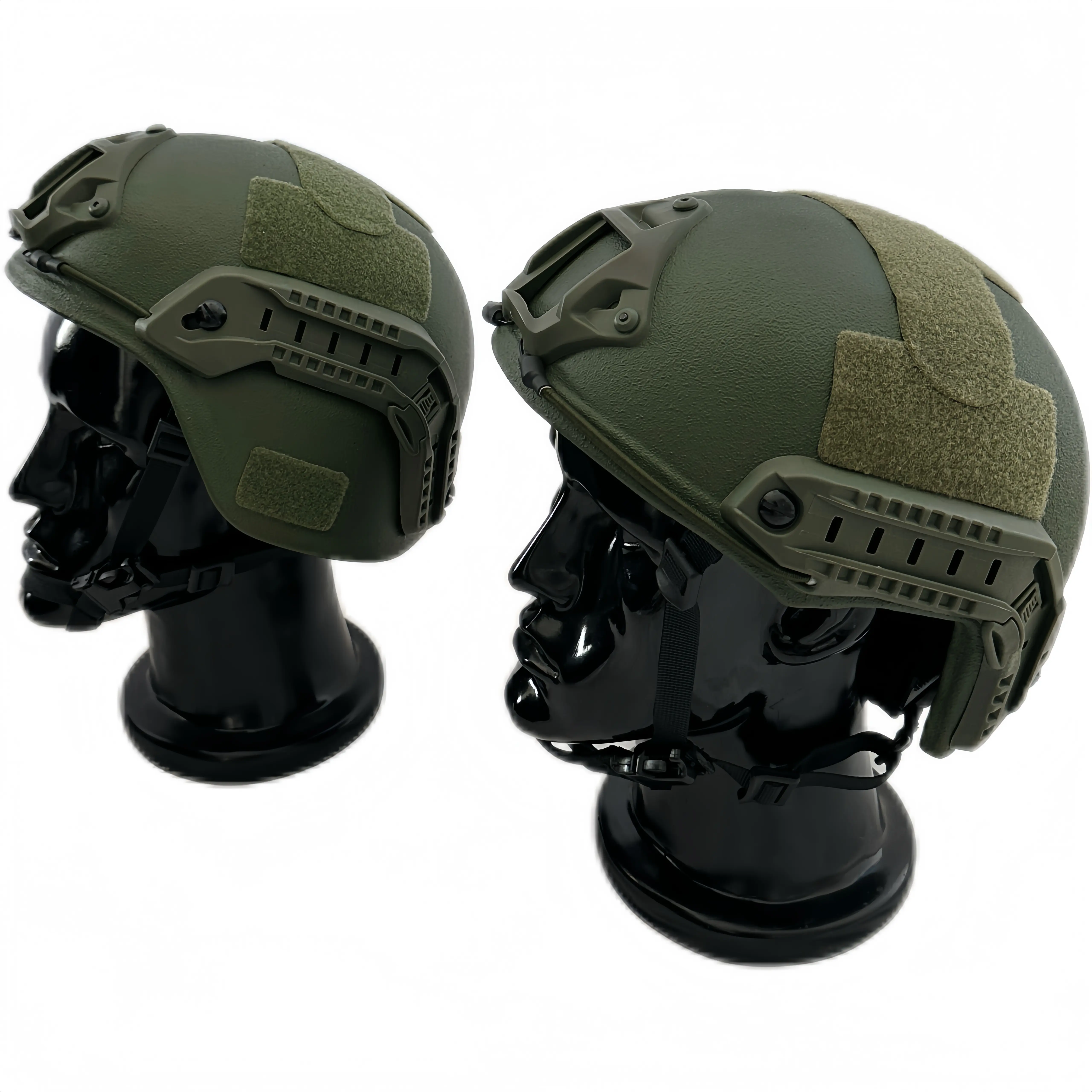
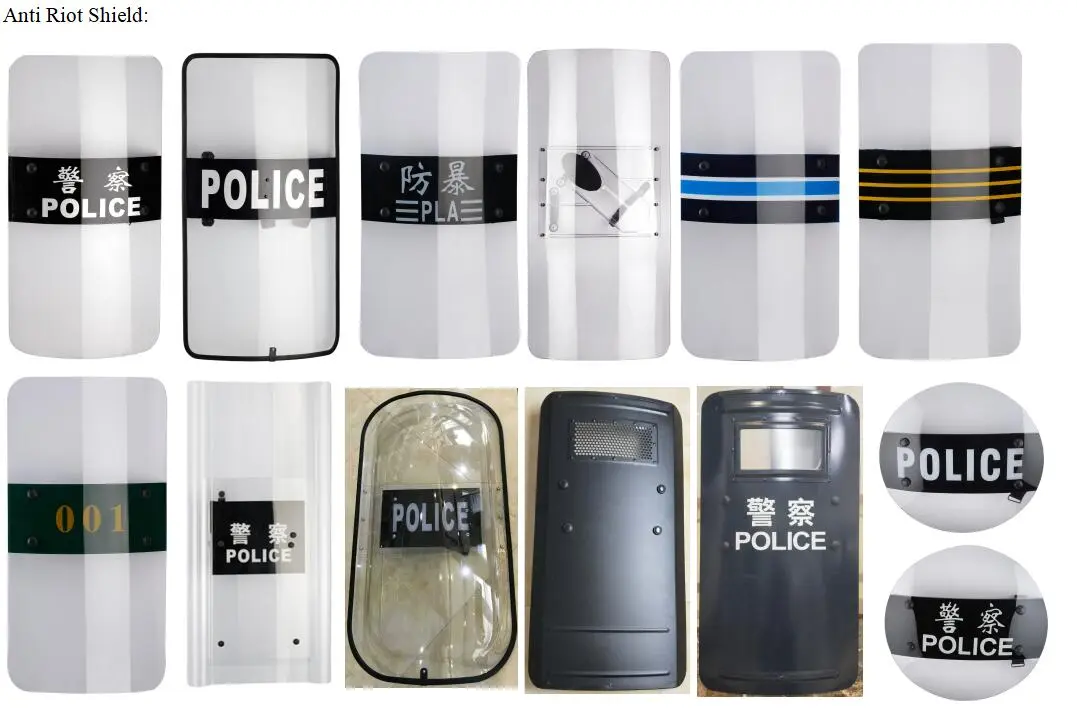
Consider the advanced shields designed to withstand high-impact forces. Innovative helmets offer better visibility and comfort for users in tense situations. Procurers should also prioritize non-lethal options, such as tear gas dispensers and water cannons. These tools must be reliable in critical moments.
However, the challenge lies in ensuring ethical use. There are concerns about misuse and potential escalation. The focus should remain on creating peace rather than enforcing power. As more advanced technologies surface, responsible procurement becomes crucial. Thoughtful choices can lead to a safer environment for all.
Essential Considerations for Procuring Anti-Riot Equipment in 2026
In 2026, procuring anti-riot equipment requires careful consideration of various factors. The primary goal is to ensure the safety of both the general public and law enforcement personnel. Equipment should be functional and durable. Evaluating the materials used in construction is crucial. High-quality gear can withstand harsh conditions and protect against multiple threats.
Another aspect to consider is training. It's not enough to have equipment; proper training is essential. Personnel must be familiar with how to use tools effectively. This reduces the risk of misuse. Additionally, an assessment of local contexts can help inform purchasing decisions. Not all environments are the same. Urban settings may require different solutions than rural areas.
Compliance with regulations is also vital. Avoiding legal pitfalls should be a top priority. Review local laws and national guidelines regularly. Oftentimes, there are nuances in policies that can affect equipment choice. Anticipating these nuances can lead to better decision-making. Thoughtful planning can enhance preparedness in critical situations.
Key Types of Anti-Riot Gear and Their Applications in Global Markets
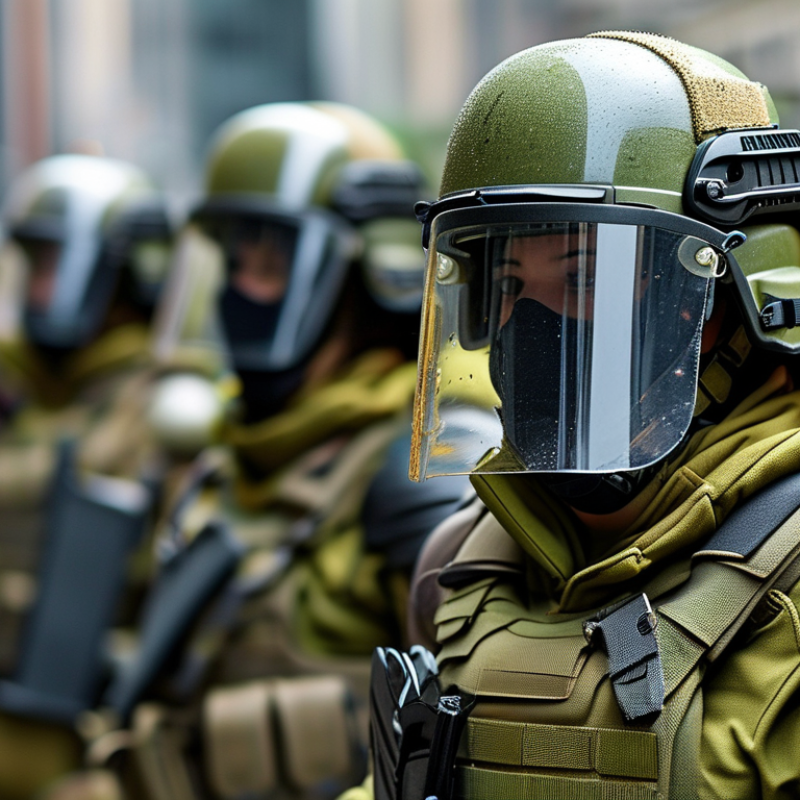
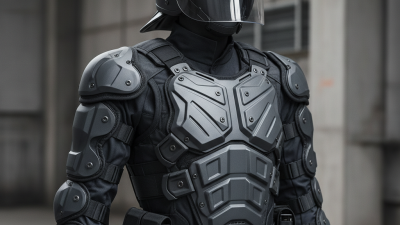
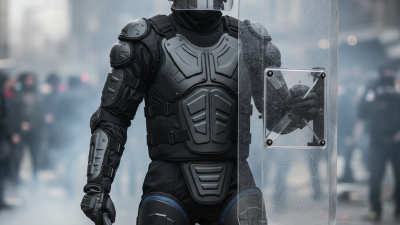
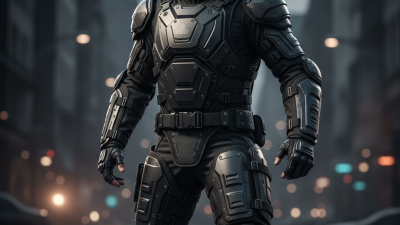
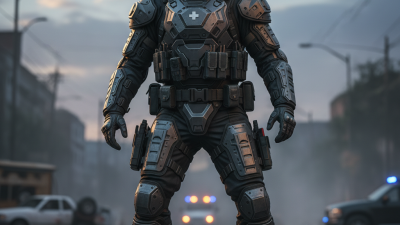
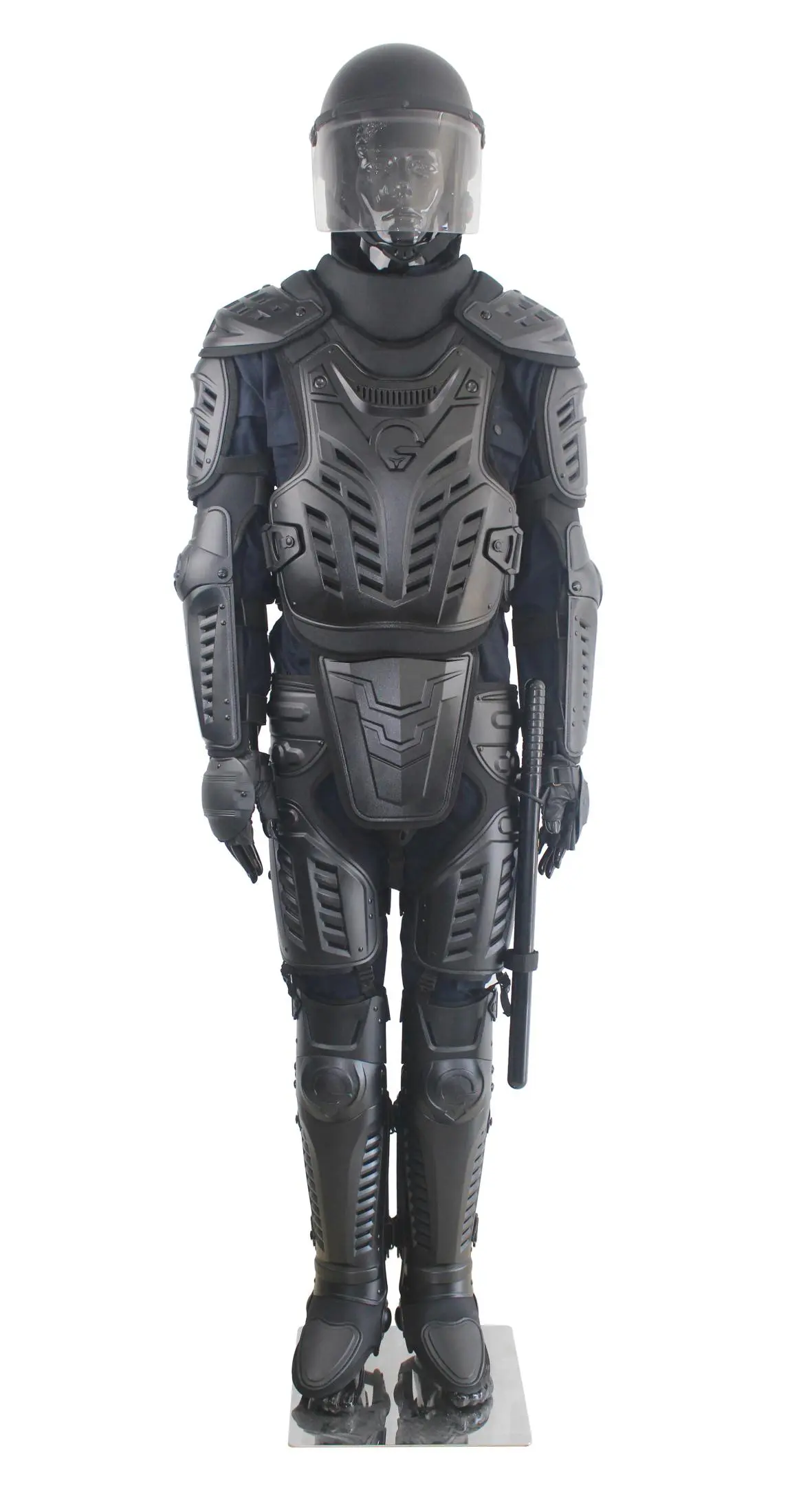
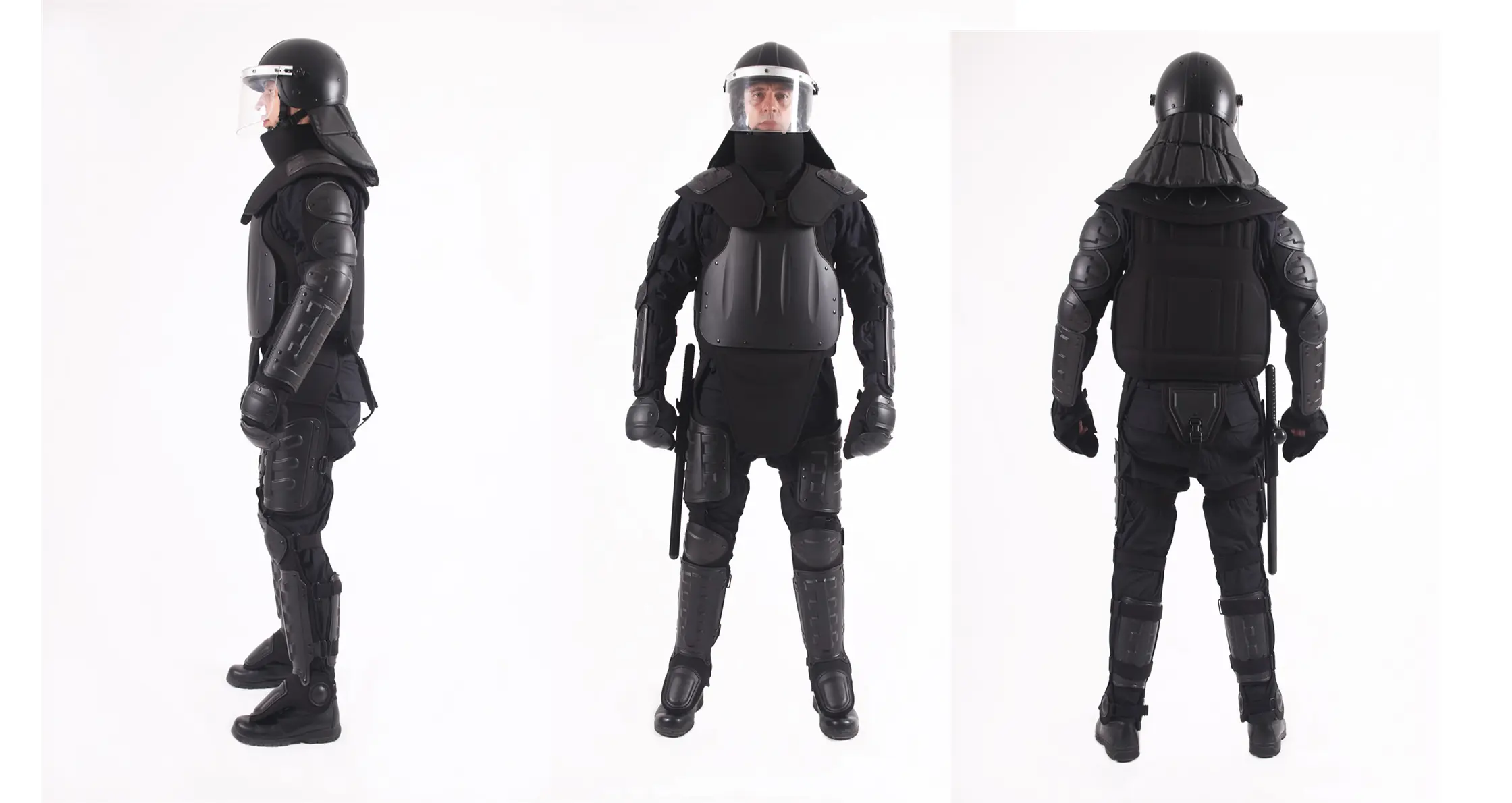
As global procurers anticipate the landscape of civil safety in 2026, understanding anti-riot gear is crucial. Key types of equipment include body armor, helmets, and shields. These items provide essential protection for law enforcement in volatile situations. Body armor should be lightweight yet durable, enabling mobility while ensuring safety. Helmets must offer robust head protection against impacts and projectiles. Shields, often made from advanced polymers, serve to diffuse aggression and protect officers during confrontations.
Tips: Always check for the latest safety standards. Equipment should meet regulatory requirements. Consider the local climate when selecting materials.
In some regions, anti-riot gear faces scrutiny for its methods. Agencies must balance safety with community trust. Equipment misuse can escalate tensions, leading to more conflicts. Continuous training is necessary for effective deployment. It helps to ensure that officers handle gear properly. Regular assessments and feedback loops are vital for improvement. These steps can prevent future misunderstandings and promote safer interactions.
Innovative Technologies Shaping the Future of Riot Control Equipment
In 2026, the landscape of riot control equipment is poised for transformation. Innovative technologies are emerging, significantly altering how confrontations are managed. Advanced drones will play a pivotal role in surveillance. They can provide real-time data on crowd movement and behavior. This could help officials make more informed decisions.
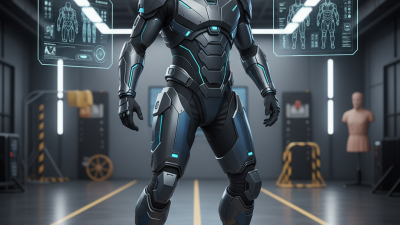
Wearable technology is also becoming essential. Smart uniforms equipped with sensors can monitor health conditions of officers. This innovation ensures timely response during intense situations. Moreover, the integration of AI in predictive analytics can forecast potential flare-ups based on crowd dynamics. This offers a proactive approach to managing unrest.
However, reliance on technology has its challenges. Equipment can malfunction or deliver inaccurate data. Law enforcement must ensure proper training for personnel. Understanding how to effectively use this technology is crucial. Reflection on ethics and accountability must accompany the deployment of these tools. Balancing safety and civil rights remains a delicate issue in riot control strategies.
Regulatory Standards and Compliance for Anti-Riot Gear Procurement
As global unrest continues, the demand for anti-riot gear critically hinges on regulatory standards. Buyers must navigate complex compliance requirements when procuring such equipment. According to a report by the Global Market Insights, the anti-riot gear market is projected to reach $4.5 billion by 2026. Understanding the legal landscape is essential for responsible procurement.
Regulatory standards for anti-riot gear typically involve quality certifications. Agencies often require gear to meet specific testing parameters, ensuring maximum durability and safety. In Europe, the EN 1621-1 standard for protective gear is a benchmark. Failing to comply with these regulations not only jeopardizes safety but can also lead to costly penalties.
Tip: Always verify supplier credentials. Look for manufacturers that adhere to international safety standards.
Moreover, fluctuating geopolitical climates can lead to sudden shifts in regulations. For example, some regions may impose restrictions on the use of certain materials in riot gear. If procurement teams do not keep abreast of these changes, equipment could become obsolete or illegal overnight.
Tip: Regularly consult regulatory bodies. Staying updated minimizes risks and ensures compliance.
Essential Anti Riot Equipment for Global Procurers in 2026
Cost Analysis and Budgeting for Anti-Riot Equipment in 2026
As the demand for anti-riot equipment continues to rise, careful budgeting becomes crucial for global procurers in 2026. Understanding the costs associated with different types of equipment ensures effective allocation of resources. Key components often include protective gear, barriers, and surveillance technology. Each category has its unique pricing structures and varying quality levels. Procurement teams must analyze these factors meticulously.
Cost analysis also extends beyond initial expenses. Maintenance and training add to the long-term budget. It's essential to consider these ongoing costs when planning purchases. Many teams overlook the need for periodic updates to equipment, which can lead to unexpected financial strain. Prioritizing durable equipment may seem costly initially but can yield savings over time.
Balancing quality and budget is challenging. In some cases, cheaper options may not perform adequately. This can result in additional expenditures down the line. Rigorous evaluations and pilot testing can help mitigate such risks. Transparency in budgeting processes can foster better decision-making and ultimately lead to more effective riot management strategies.