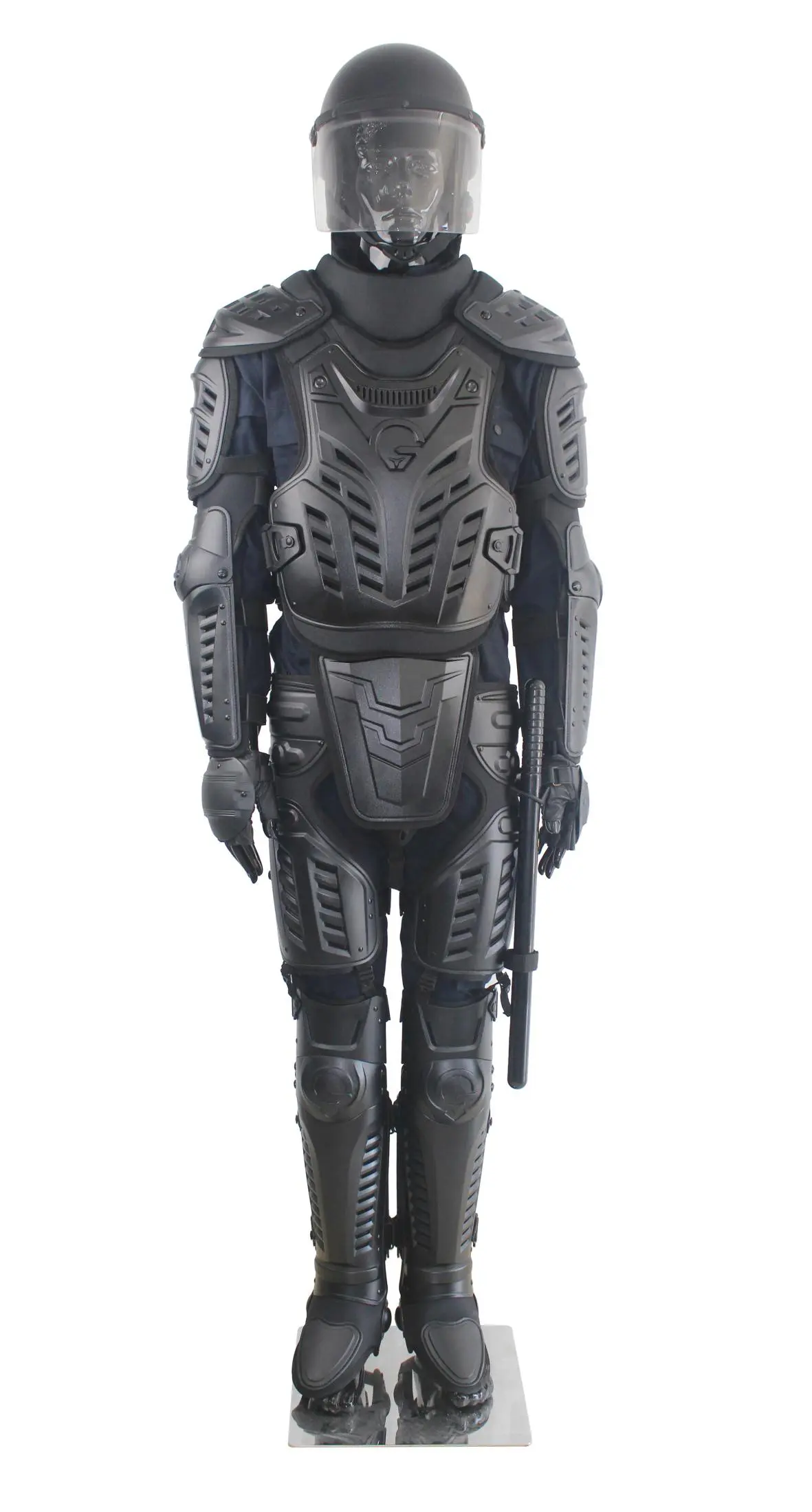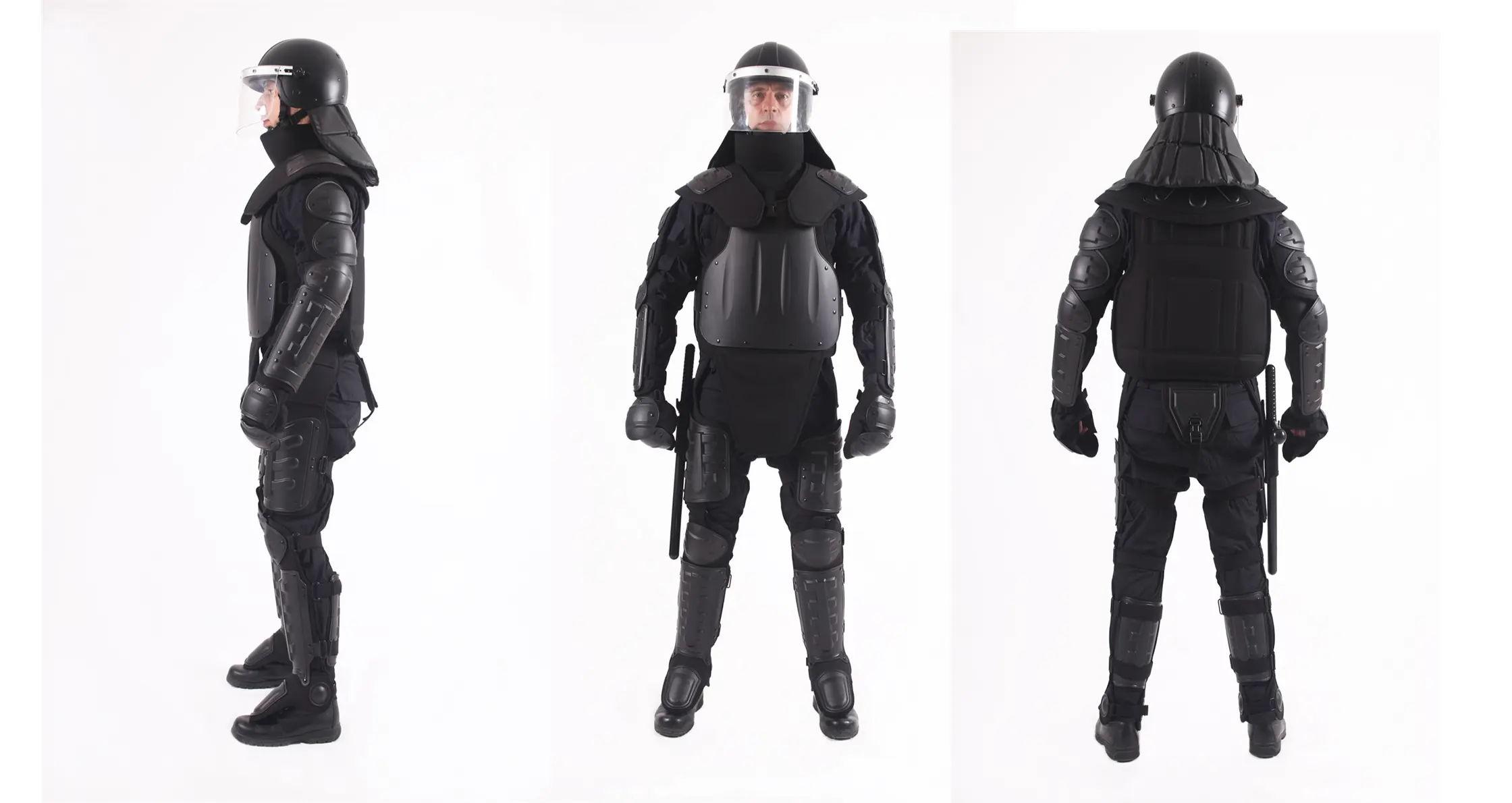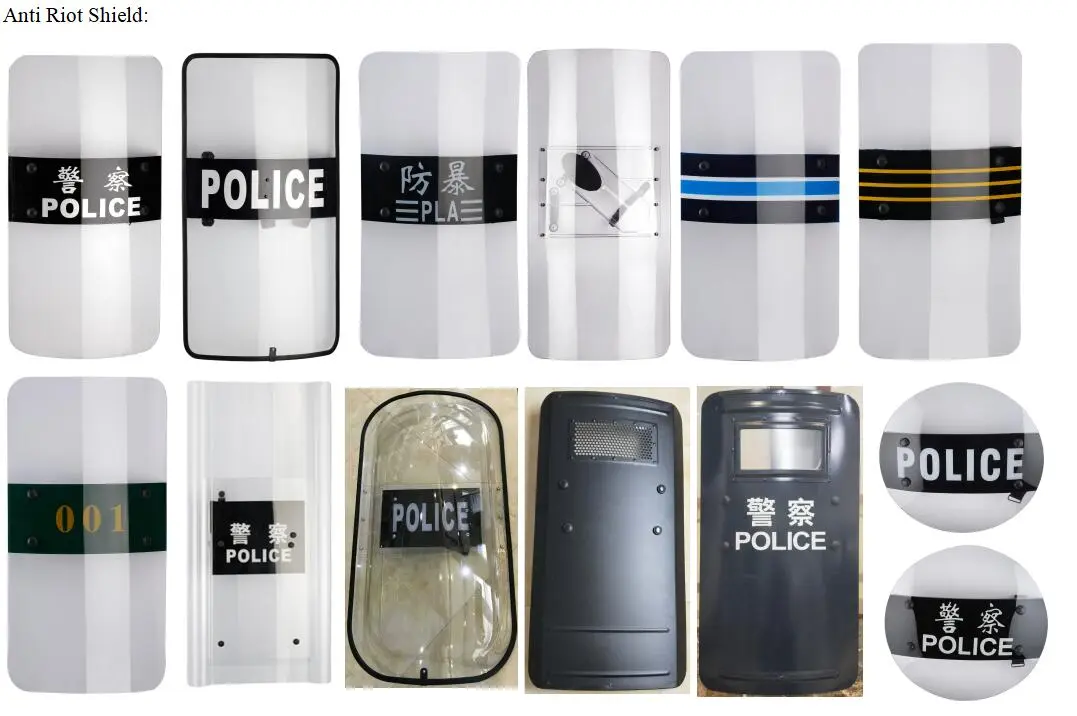
Choosing a Police Helmet manufacturer in China involves more than comparing unit prices. Global buyers need to assess product quality, production consistency, communication, and documentation before placing an order. A helmet may look solid in a catalog, yet details such as strap adjustment, interior padding, and visor fit become clear only through careful inspection.
This guide introduces factors buyers can use when evaluating Chinese manufacturers. It considers material specifications, quality-control procedures, sample evaluation, customization options, and delivery planning. Ask for current test reports and verify that they apply to the exact model being offered. Requirements differ between markets, so confirm relevant standards with qualified local authorities or testing organizations rather than assuming one certificate covers every destination.
Small checks help. Inspect seams, fasteners, and fit. Request clear product records. Where possible, review factory capabilities and discuss how defects are handled. These steps cannot remove every purchasing risk, and a polished sales presentation is not proof of dependable production. That deserves a second look. Even experienced buyers may discover that a sample performs differently from a larger production batch. Comparing suppliers on documented evidence, not promises alone, gives procurement teams a more grounded starting point. The manufacturers featured in this overview should be treated as candidates for further due diligence, not as an automatic endorsement.
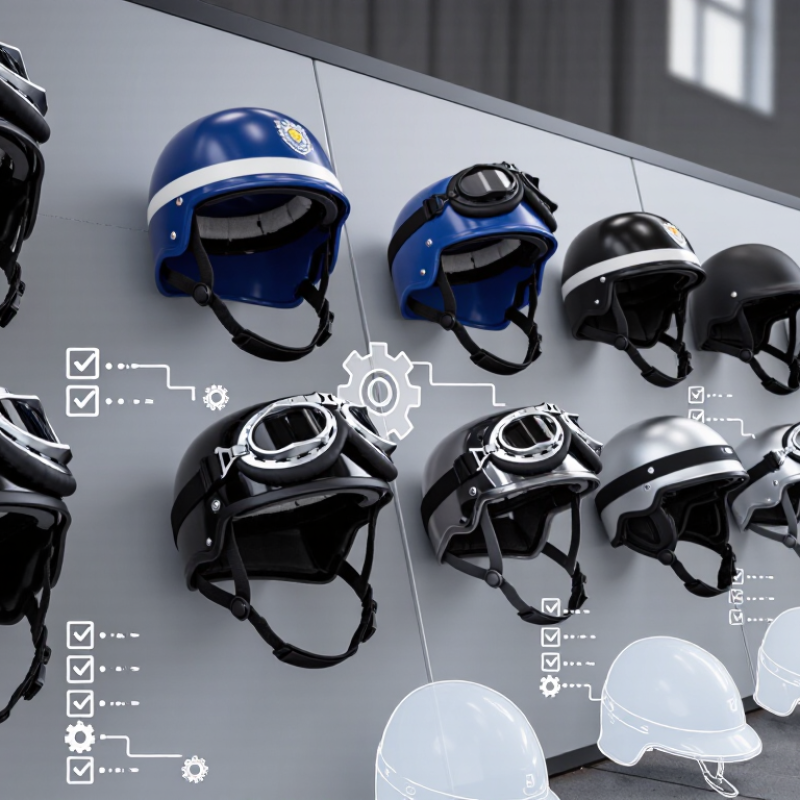
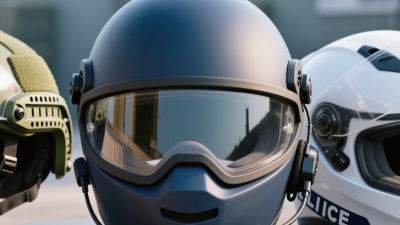
Police helmets are built for different duties, so buyers should compare categories before reviewing materials or accessories. Riot helmets usually emphasize impact protection, broad coverage, and a face shield against flying debris. A padded liner and secure chin strap help keep the shell stable during movement. Ventilation matters, too. Long shifts can make a hot helmet harder to wear consistently.
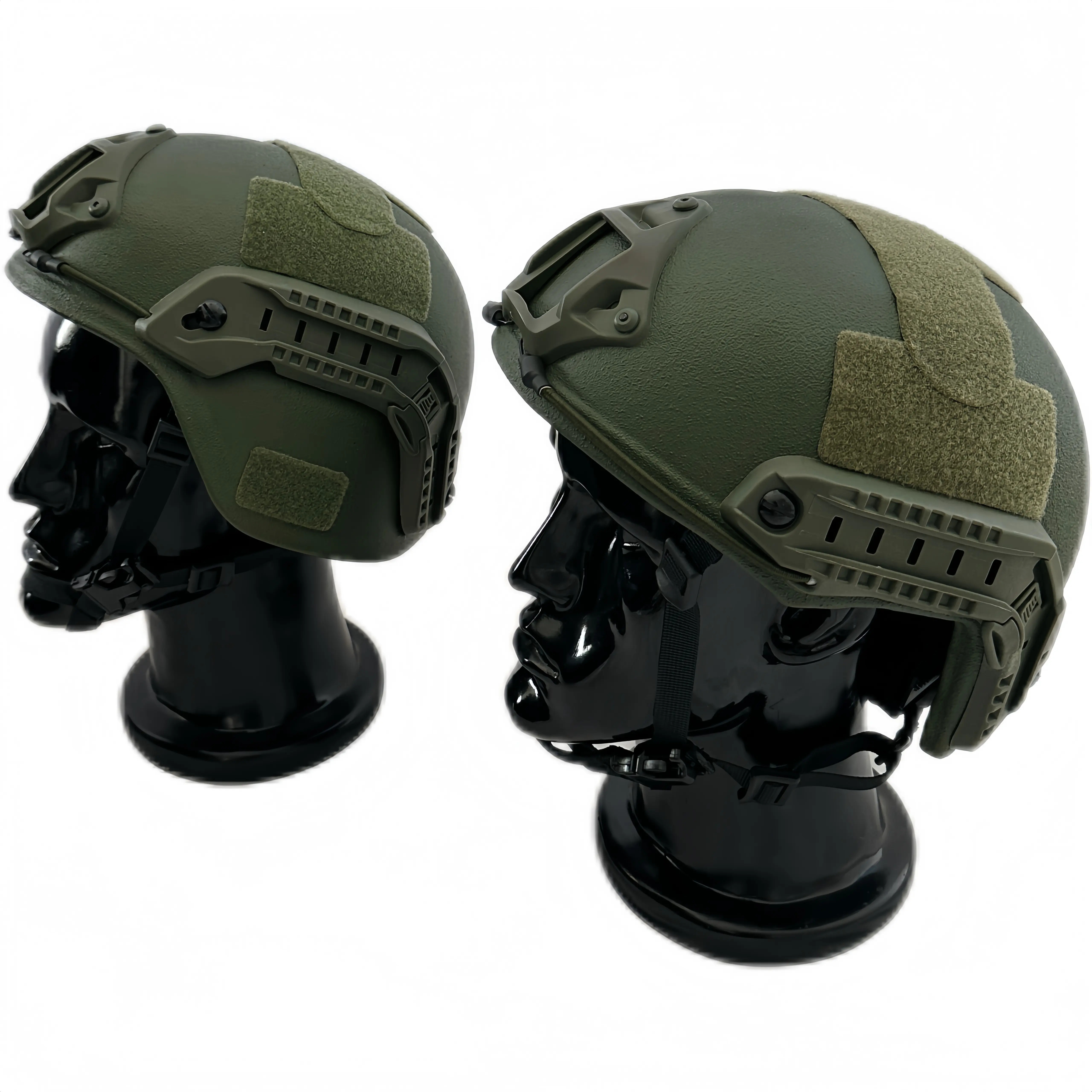
Ballistic models are designed to address specified projectile threats. Their protection claims should be supported by documented testing against a clearly stated standard and threat level. Coverage, weight, and accessory mounts can vary. Heavier protection may increase fatigue, especially during extended use. A label alone is not enough.
Patrol helmets tend to prioritize lower weight, comfort, and compatibility with communication equipment. Some provide impact protection without ballistic protection, so the distinction should be explicit in product documents. Check sizing across several head measurements, not just a small, medium, or large label. Fit matters. Ask suppliers about test reports, replacement parts, and care instructions. These details can seem ordinary, yet a poor fit or unclear rating can undermine an otherwise suitable choice. It is easy to focus on the shell and overlook the wearer’s daily routine.
For “Best Police Helmet Manufacturers in China for Global Buyers,” treat standards evidence as a supplier-screening tool, not a brochure claim. BS 7971-5:2002 covers police helmets for violent situations and training; NIJ 0106.01 addresses ballistic helmet testing. They assess different hazards, so passing one does not demonstrate compliance with the other. NIJ 0106.01 is an older edition; confirm the tender’s required version before comparing quotations. (Sources: BS 7971-5:2002; NIJ Standard-0106.01.)
Request complete, model-specific laboratory reports. Check the tested helmet configuration, sample identification, test date, conditioning, impact or shot locations, and recorded results. Match report details against the supplier’s offered shell, visor, padding, and retention system. A small component change can matter. Verify the laboratory’s accreditation and contact it independently to confirm the report number. Missing pages or inconsistent model codes deserve follow-up, even when the quoted price looks compelling.
Tips: Ask for reports before samples. Compare test scope line by line. Keep one sealed sample for incoming inspection. A certificate alone is not enough. Be cautious: paperwork can look complete while describing a different configuration.
For global buyers comparing police helmet manufacturers in China, the subtitle’s figure is a useful checkpoint, not a complete buying decision. NIJ Standard-0106.01 specifies a 9 mm FMJ test at 1,175 ft/s, or about 358 m/s, using a 124-grain projectile for the relevant Type II test. The standard was published in 1981, so buyers should confirm the exact protocol used.
Numbers matter.
Ask for the complete laboratory report, not only a certificate or sales sheet. Check that it identifies the helmet model, tested size, projectile mass, measured impact velocity, test date, and laboratory. Ask how the sample was conditioned and whether the report records shot locations and pass criteria.
Small details count.
A passing result applies to the tested sample; it does not, by itself, show that every production batch performs identically. Request batch-level inspection records and clear traceability to the tested configuration.
A neat certificate is not the whole story.
That distinction is easy to overlook when comparing quotations.
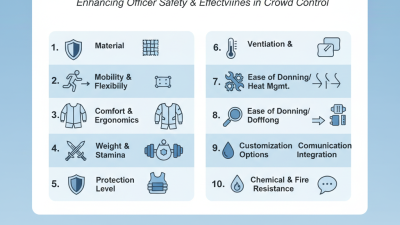
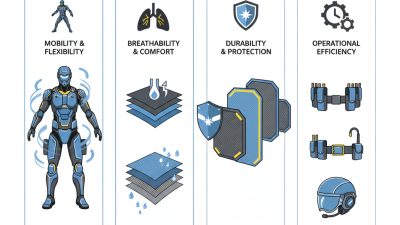
For global buyers comparing police helmet manufacturers in China, shell material is a practical starting point. A polycarbonate shell can keep weight manageable, while composite constructions may offer different stiffness and durability. Ask suppliers for material specifications, finished-product weights, and test reports—not just claims in a catalogue. A sample can reveal rough edges or uneven coatings that photographs miss.
Impact attenuation depends on the whole system, not the shell alone. Check the liner’s thickness, coverage, and attachment, then review test data for the exact model and configuration. Small details count. A visor should move smoothly, stay in position, and provide a clear view without distracting reflections. Try it with the intended eye protection; a comfortable visor alone may not prove a good fit.
Fit deserves hands-on evaluation across several head shapes. Adjust the suspension and chin strap, then check for pressure points after wearing the helmet for a realistic period. It should feel secure without excessive tightness. I would not assume one sample represents every production batch; that is an easy mistake. Ask how dimensions and incoming materials are checked, and whether replacement visors and padding remain available. A clear answer, supported by records, is more useful than a polished sales promise.
This chart shows representative material densities in g/cm³: ABS (about 1.05), polycarbonate (about 1.20), and glass-fiber-reinforced composite (about 1.75). Actual values vary by formulation and construction. Density alone does not indicate impact protection; compare certified impact-attenuation results, visor performance, and fit separately when evaluating helmets.
Choosing a police helmet manufacturer in China requires more than comparing samples and quotations. Ask for a recent factory audit, then check its date, scope, and corrective-action records. Confirm that the reviewed site is the same facility that will make your order. Walk through production remotely or in person, if possible. Look for documented incoming-material checks, in-process inspections, and final testing. A polished sample proves little about routine production.
OEM capacity should be specific. Discuss shell sizes, approved materials, surface finishes, packaging, and change-control procedures before signing off on a sample. Request a production schedule that separates tooling, sampling, approval, and bulk manufacturing. Export documents and product test reports should match the destination market and the exact model ordered. Requirements vary by country, so verify them with qualified local advisers. No audit tells the whole story. I have seen careful paperwork miss a simple packaging delay; that detail matters.
Tips: Ask for dated audit evidence and a sample inspection report. Get lead times in writing, including holiday shutdowns and shipping preparation. Confirm who handles export paperwork, and review a small trial order before scaling up. Keep a little schedule buffer. It may feel cautious, but rushed approvals create avoidable problems.
| Evaluation Area | Evidence to Request | How Buyers Can Verify It | Decision Check | Export and Lead-Time Considerations |
|---|---|---|---|---|
| Factory identity and audit | Registered business details, manufacturing-site address, current audit report, and the auditor’s name and audit date. | Confirm that the audited site matches the proposed production and shipping locations. Check report scope, validity, findings, and corrective-action closure directly with the issuing auditor where possible. | Distinguish an actual factory audit from a trading-company assessment. An audit report alone does not certify helmet performance. | Confirm which legal entity will appear on the contract, commercial invoice, and export documents. |
| Product requirements and certification | Helmet model specifications, intended-use statement, test reports, applicable standard and edition, and any required conformity documents. | Check that reports identify the same model, materials, construction, and configuration being offered. Confirm acceptance requirements with the destination-market regulator or qualified conformity-assessment body. | Do not assume that a standard or certificate applicable in one country is accepted in another. Require evidence for the buyer’s intended market and use. | Confirm whether testing, certification, marking, or documentation must be completed before shipment or market placement. |
| Test-report authenticity and scope | Full laboratory reports, laboratory accreditation details, sample identification, test dates, and the tested product configuration. | Contact the laboratory using independently obtained contact information. Verify report numbers and confirm that the laboratory’s accreditation scope covers the relevant tests. | A summary sheet or supplier declaration is not a substitute for a complete, verifiable report. | Allow time for sample submission and testing if existing reports do not cover the exact specification or destination requirement. |
| OEM and customization capability | Written confirmation of available shell sizes, colors, accessories, markings, packaging options, and permitted design changes. | Request a production-intent sample and a written specification sheet. Confirm which changes require new testing or approval before production. | Agree on approved drawings, materials, color references, logos or markings, and sample sign-off before placing a production order. | Ask separately about tooling charges, minimum order quantities, artwork approval, sample time, and any certification impact of customization. |
| Materials and component control | Bill of materials, supplier declarations for critical components, incoming-inspection records, and change-control procedure. | Compare production materials and components with the approved sample and test documentation. Ask how substitutions are controlled and communicated. | Require buyer approval before changes to safety-relevant materials, components, or construction. | Check whether a specified component has a long replenishment cycle or depends on a single source. |
| Quality management and batch traceability | Quality-system certificate, inspection plan, in-process and final-inspection records, lot identification, and complaint-handling procedure. | Verify any quality-system certificate with its issuing certification body. Review sample records and confirm that finished goods can be traced to a production lot. | A quality-system certificate indicates a management-system scope; it does not by itself prove that a particular helmet meets product requirements. | Agree on pre-shipment inspection timing, sampling rules, defect definitions, and release documentation in the purchase contract. |
| Production capacity and order readiness | Capacity statement for the relevant product, current production schedule, staffing or equipment information, and subcontracting disclosure. | Compare the stated capacity with the order quantity and requested delivery window. Identify which processes, if any, are performed by subcontractors. | Base capacity decisions on documented, product-specific information rather than a general factory-wide claim. | Ask the supplier to identify production-slot availability and the assumptions behind the quoted schedule. |
| Export compliance and shipping documents | Proposed HS classification, commercial invoice, packing list, certificate-of-origin arrangements where applicable, and export-control screening information. | Have the importer or customs broker confirm classification, duties, import permits, product restrictions, and documentation requirements for the destination country. | Do not rely on a supplier’s HS-code suggestion as a binding customs determination. Requirements vary by product details and destination. | Confirm the agreed Incoterms® rule, named place, cargo insurance responsibility, and who arranges export and import formalities. |
| Quoted lead time | A written schedule separating sample approval, material procurement, production, inspection, and dispatch. | Ask whether the estimate starts after deposit, final specification approval, sample approval, or another milestone. Request written notice of schedule changes. | There is no reliable universal lead time for all helmet orders; it depends on quantity, customization, material availability, testing, and factory workload. | Separate factory production time from transit time, customs clearance, and delivery to the final location. |
| Packaging and shipment protection | Packaging specification, carton dimensions and gross weight, labeling plan, and any buyer-required handling marks. | Review a packing sample or approved artwork and confirm that the packing method protects the product during the planned transport and storage conditions. | Approve packaging and labels before mass production, especially where destination rules or buyer handling requirements apply. | Use confirmed carton measurements and weights for freight quotations and shipment planning. |