Top Tips for Choosing the Best Body Armour for Your Needs?
Choosing the right body armour can be a complex task. In a world where personal safety is a priority, understanding your options is essential. Body armour comes in various forms, from soft vests to hard plates. Each type serves different purposes and fits unique needs.
When selecting body armour, consider your specific requirements. Think about the environments you face and potential threats. Weigh the need for mobility against the level of protection you desire. Comfort is equally important; poorly fitted armour can hinder performance.
Expert guidance is crucial. Always seek information from trusted sources. The market can be overwhelming with various brands and technologies. Reliable reviews can help navigate these choices. Remember, the right body armour is not just about protection—it's about making informed decisions to ensure your safety.
Understanding the Different Types of Body Armour Available Today
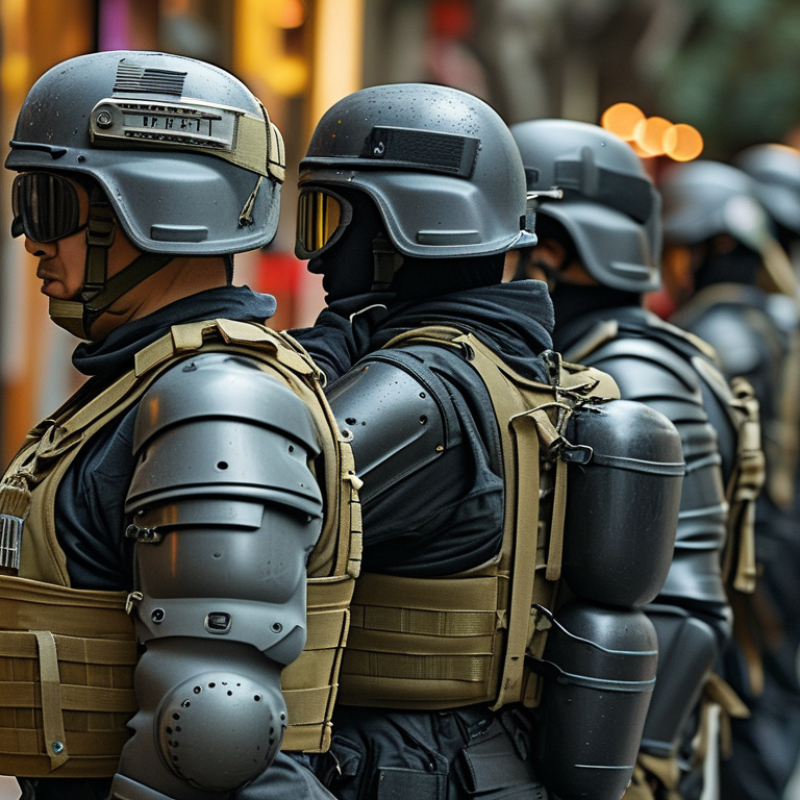
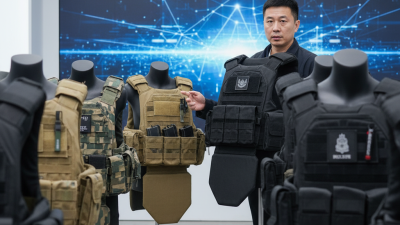
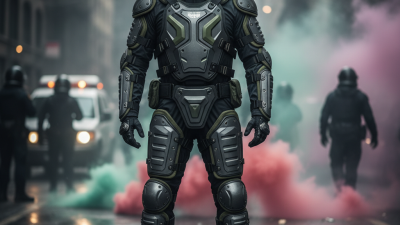
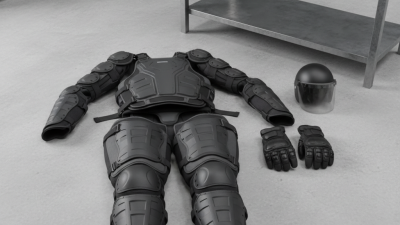
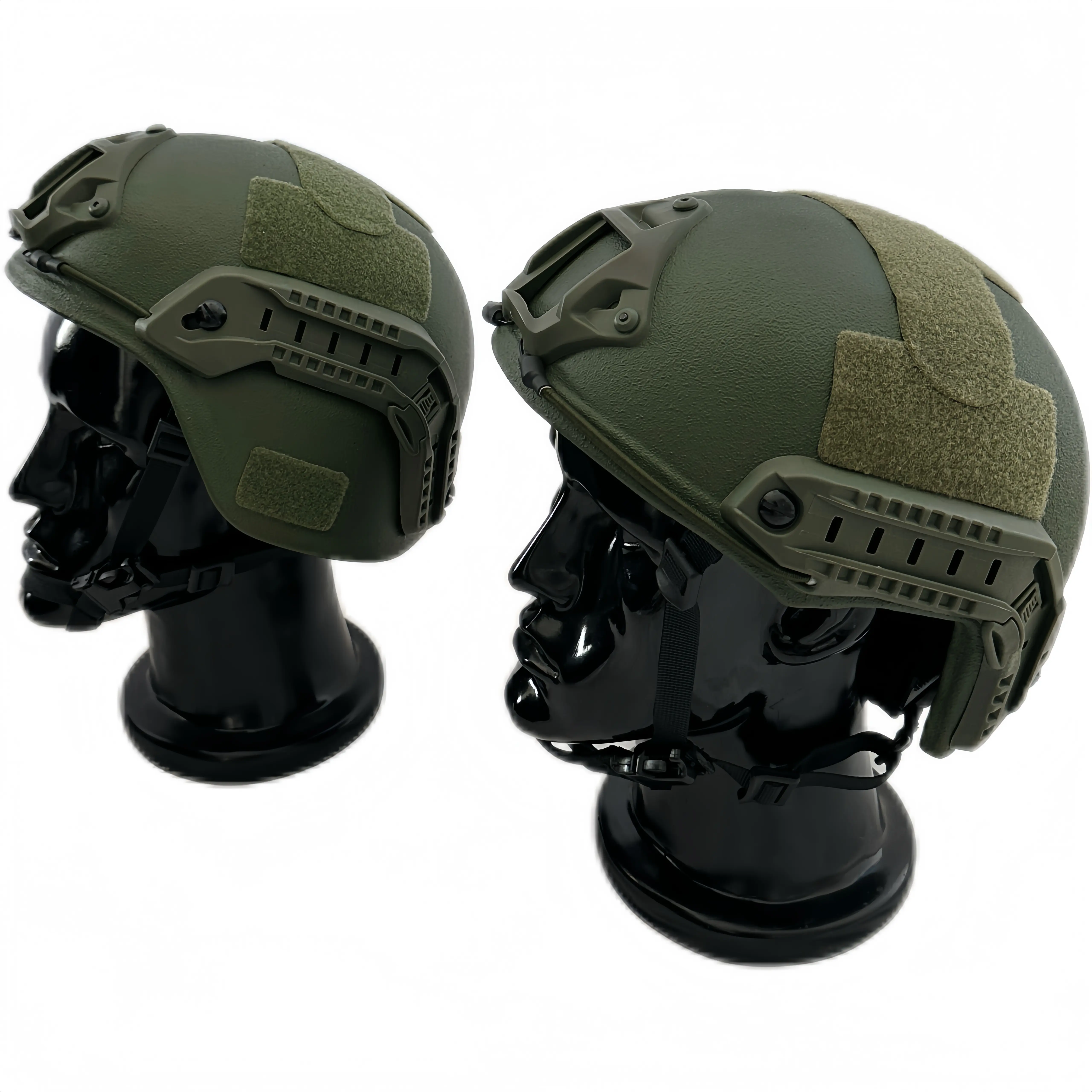
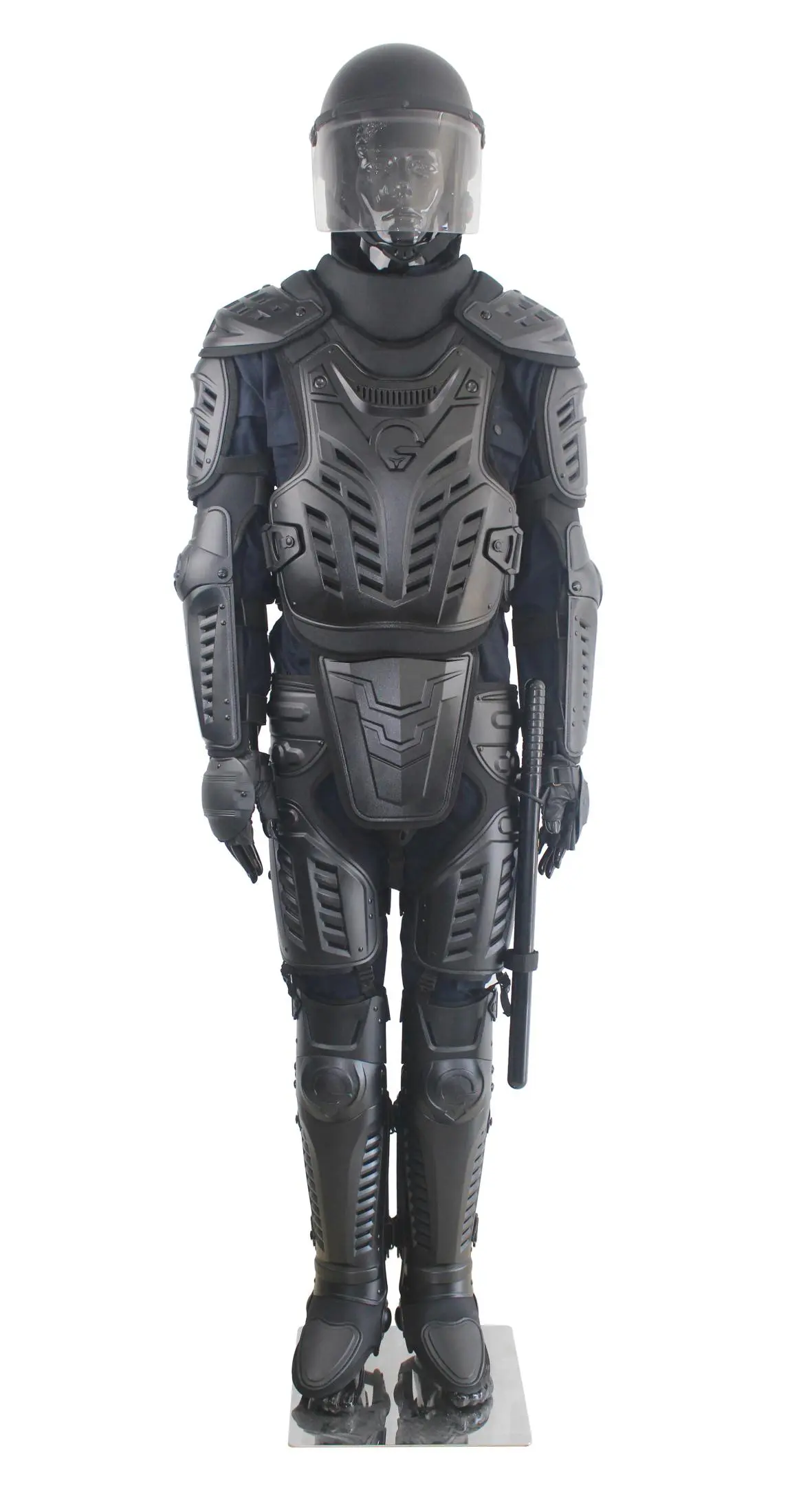
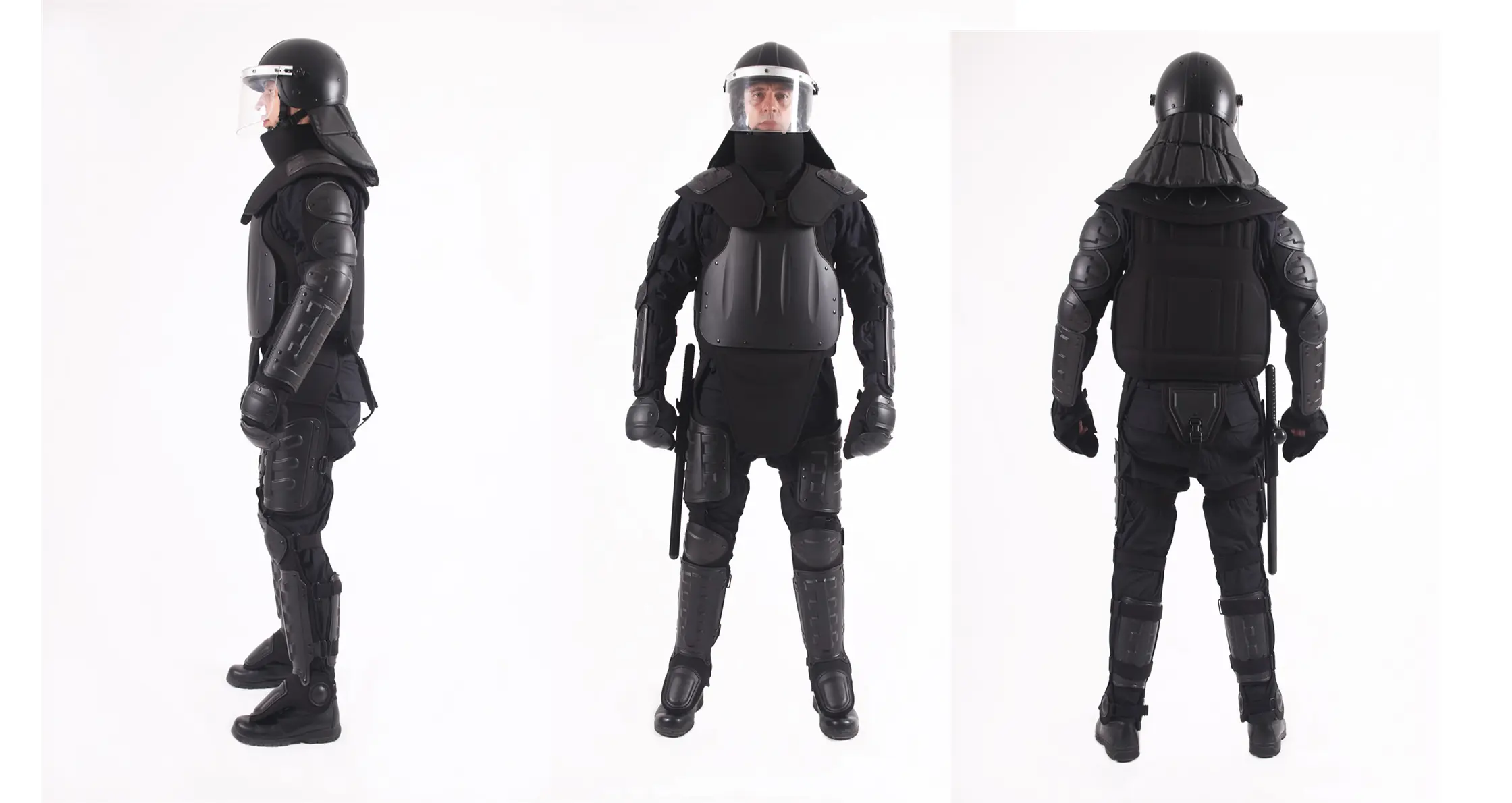
When selecting body armour, understanding the types available is key. Soft body armour is lightweight and ideal for everyday wear, often used by law enforcement. It offers good protection against handguns but may not withstand high-caliber bullets. On the other hand, hard body armour provides superior protection but tends to be heavier. This type is typically used in military situations.
Choosing the right body armour requires insight into your daily needs. Consider the threat level you might face. A police officer may require different protection than a security guard. It’s also crucial to think about comfort. If the armour is too heavy or restrictive, it might not be worn consistently, reducing its effectiveness.
Remember, proper fit is essential. Body armour should snugly fit your body, allowing for mobility without compromising protection. Make a checklist of your specific requirements. This ensures the body armour you choose aligns with your lifestyle. Seek out trusted professionals for recommendations. Their experience can guide you in making an informed choice.
Top Tips for Choosing the Best Body Armour for Your Needs
This chart illustrates the distribution of various types of body armour used based on their popularity and effectiveness. The data points represent different categories and their corresponding usage percentage among users.
Assessing Your Personal Needs and Threat Levels for Body Armour
When selecting body armour, understanding your personal needs is vital. Threat levels vary based on your environment and activities. According to a report by the National Institute of Justice, nearly 90% of law enforcement officers choose personal armour based on specific threats they face. This statistic highlights the importance of assessing your situation.
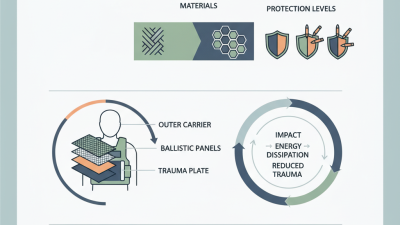
Evaluate the risks you encounter daily. For instance, individuals working in high-crime areas may require higher protection than those in safer neighborhoods. Consider the type of threats—firearms, blunt objects, or even potential knife attacks. Research indicates that different materials and designs provide various protection levels. The choice of soft vs. hard armour can significantly impact your mobility and comfort.
Personal comfort and fit shouldn't be overlooked. Many users report discomfort with improperly fitted armour, leading to reduced effectiveness. Ensuring the proper size is essential; a poorly fitting vest may shift during a critical moment. Reflect on how you move. Can you perform necessary actions while wearing the armour? Evaluating these factors fosters an informed decision that enhances your safety and confidence.
Key Features to Look For When Selecting Body Armour
When selecting body armour, it’s essential to consider key features that align with your specific needs. One of the primary factors is the level of protection. According to the National Institute of Justice (NIJ), body armour is categorized into various levels, each designed to withstand different types of ballistic threats. Understanding these levels is crucial. For instance, Level IIIA can stop most handgun rounds, while Level IV is rated for armor-piercing rifle rounds.
Another important feature is comfort and fit. Properly fitted body armour enhances mobility and reduces fatigue during prolonged wear. A report by the Body Armour Market Research indicates that users prioritize weight and flexibility. With advancements in materials like Kevlar and polyethylene, manufacturers are producing lighter and more comfortable options. However, it's crucial to balance comfort with protection level. Some lighter options may compromise on safety.
Durability also plays a significant role. Body armour must withstand harsh conditions and remain effective over time. Regular maintenance is necessary to ensure longevity and reliability. A study by the Global Body Armour Market predicts a growing emphasis on durable materials, as users increasingly recognize their importance. Finding the right body armour is not just about picking the most advanced model. It requires thoughtful consideration of all these aspects.
Understanding Certification Standards for Body Armour Quality
When choosing body armour, understanding certification standards is crucial. The National Institute of Justice (NIJ) sets the benchmark in the United States, providing guidelines for ballistic resistance. They categorize armour into different levels, from Level II to Level IV, each offering varying degrees of protection. Level IIIA, for instance, is designed for handgun ammunition, while Level IV can withstand rifle rounds.
Reports indicate that more than half of body armour users are unaware of these standards. This lack of awareness often leads to decisions based on price rather than quality. There is a significant difference in real-world performance among certified and non-certified products. Certified armour undergoes rigorous testing, ensuring it meets specific threat levels. Non-certified options might look appealing, but they often fall short in crucial scenarios.
Reflecting on personal experiences can highlight the importance of thorough research. Many people have mistakenly chosen lower-grade body armour, thinking it adequate for their needs. This not only risks safety but can also lead to increased costs over time. Choosing suitable body armour should not be taken lightly, and understanding certification can make a significant difference in personal protection.
Budget Considerations When Choosing Body Armour Options
When selecting body armour, budget considerations play a crucial role. Determine your financial limits before diving into options. Prices vary significantly based on materials, protection levels, and brand reputation. This knowledge helps you avoid overspending on features you may not need.
Consider the essential functions of the armour you require. For instance, tactical needs demand different specifications compared to personal protection. This focus can help you allocate funds more effectively. A cheaper option might seem tempting, but it could compromise safety or durability. Research materials and ratings to ensure reliability within your budget.
Remember, investing in quality body armour doesn't always mean breaking the bank. Look for reputable manufacturers that offer reasonable prices. Balance cost with the assurance of meeting safety standards. It’s essential to evaluate whether the investment aligns with your specific needs. This approach fosters sound decision-making and assures you of your protection choices.