Who Are the Top Riot Control Gear Manufacturers in China?

Riot Control Gear is a specialist field where a polished catalog tells only part of the story. Buyers comparing Chinese manufacturers need clearer evidence of product quality, production consistency, and dependable service. Quality-management expert W. Edwards Deming offered a useful manufacturing principle: “Quality comes not from inspection but from improvement of the production process.” It applies here, too. A finished helmet may look sturdy under bright showroom lights, yet material records and documented testing offer more meaningful evidence. Details matter.

This guide examines manufacturers through practical questions: What protective equipment do they make? Can they explain material choices, sizing, quality checks, and product documentation? Do their samples match the goods they can supply consistently? These points help distinguish a capable factory from a persuasive sales presentation. Not just catalogs. The comparison also considers communication, customization, production capacity, and after-sales support, since a reliable purchase involves more than one shipment. No single ranking can suit every buyer; requirements and verification standards differ. Some public information may be incomplete, so unanswered questions should remain visible rather than being smoothed over. The aim is a careful starting point for identifying Chinese Riot Control Gear manufacturers and assessing what they can substantiate.
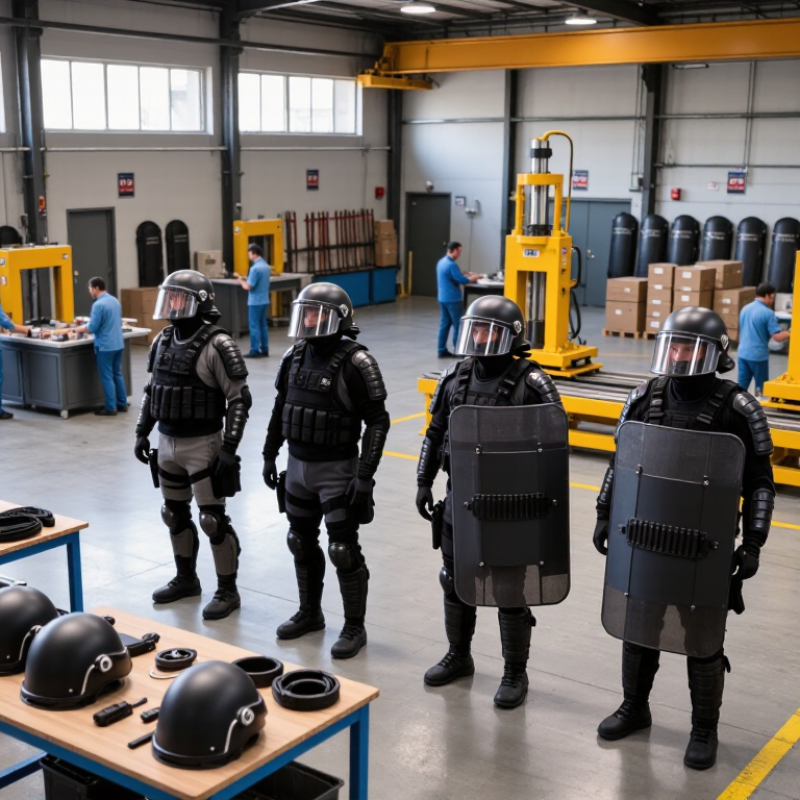
Who Are the Top Riot Control Gear Manufacturers in China?

What Riot Control Gear Includes and How It Is Used

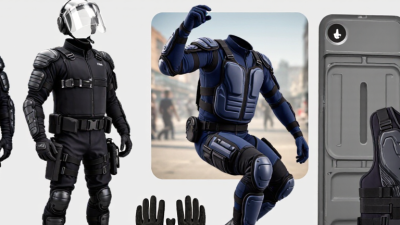
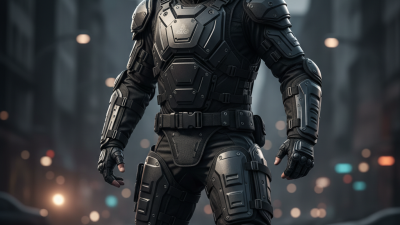
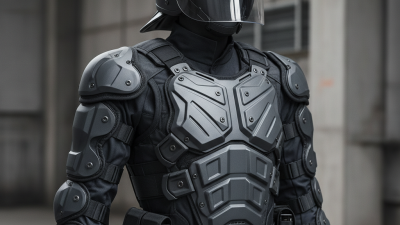
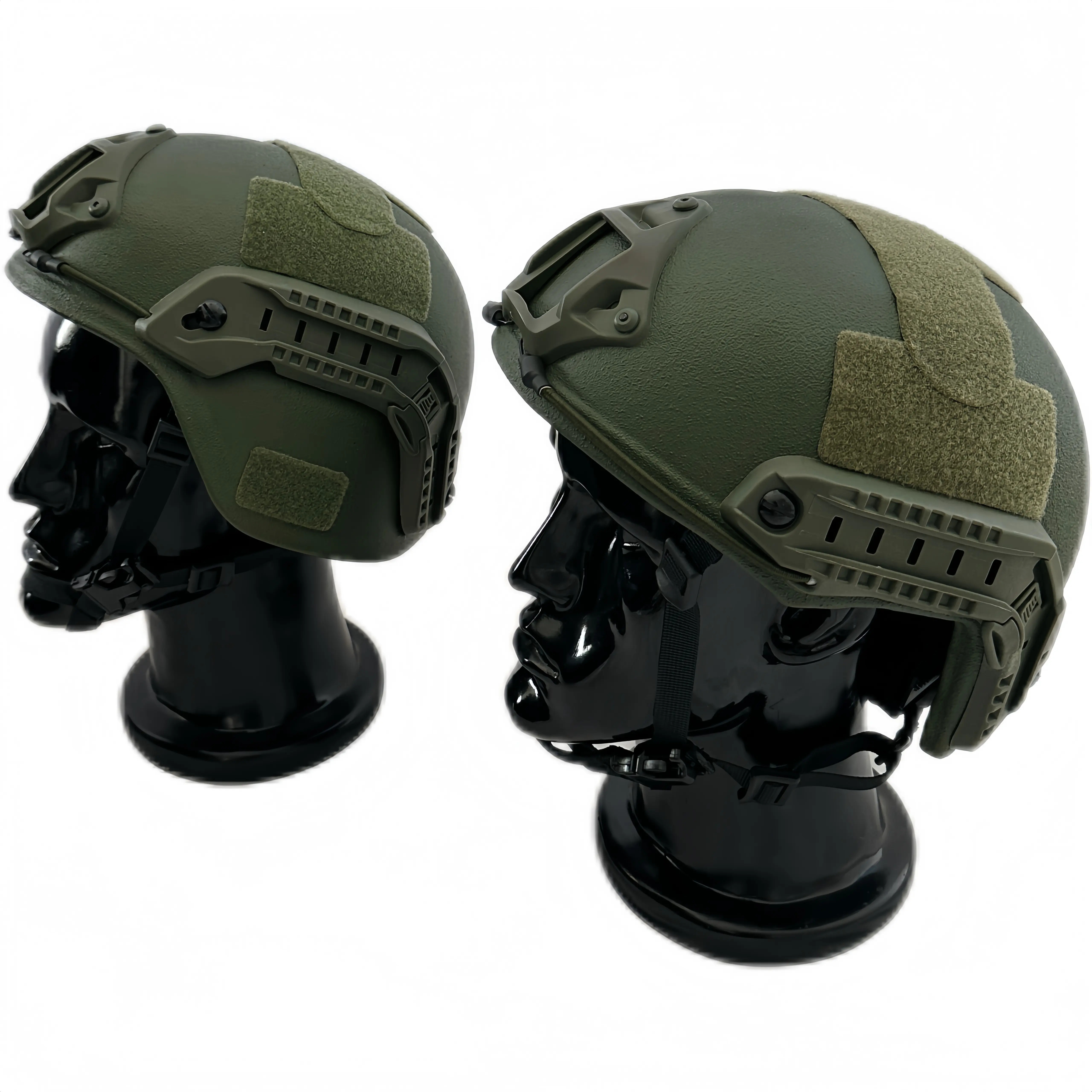
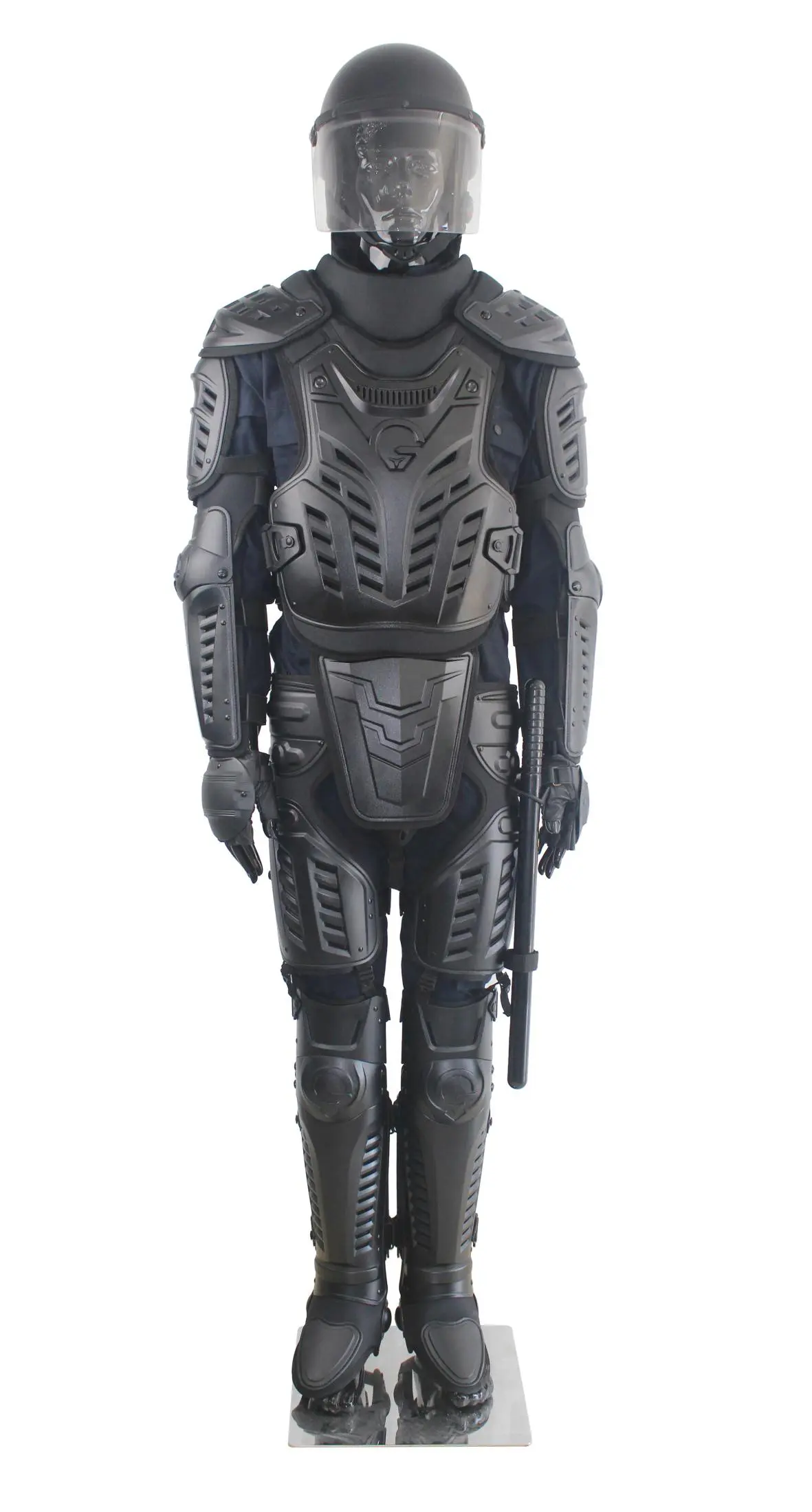
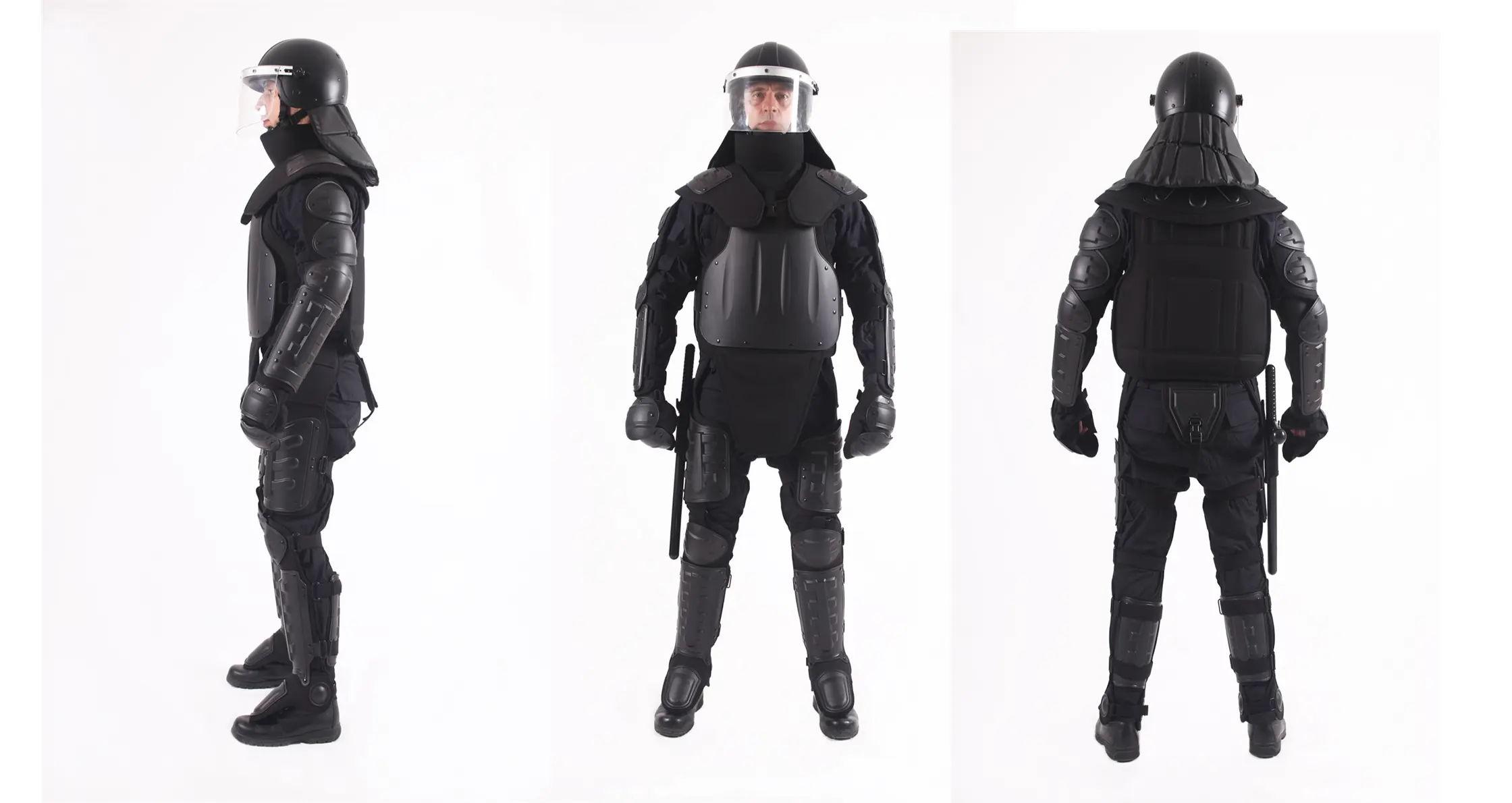
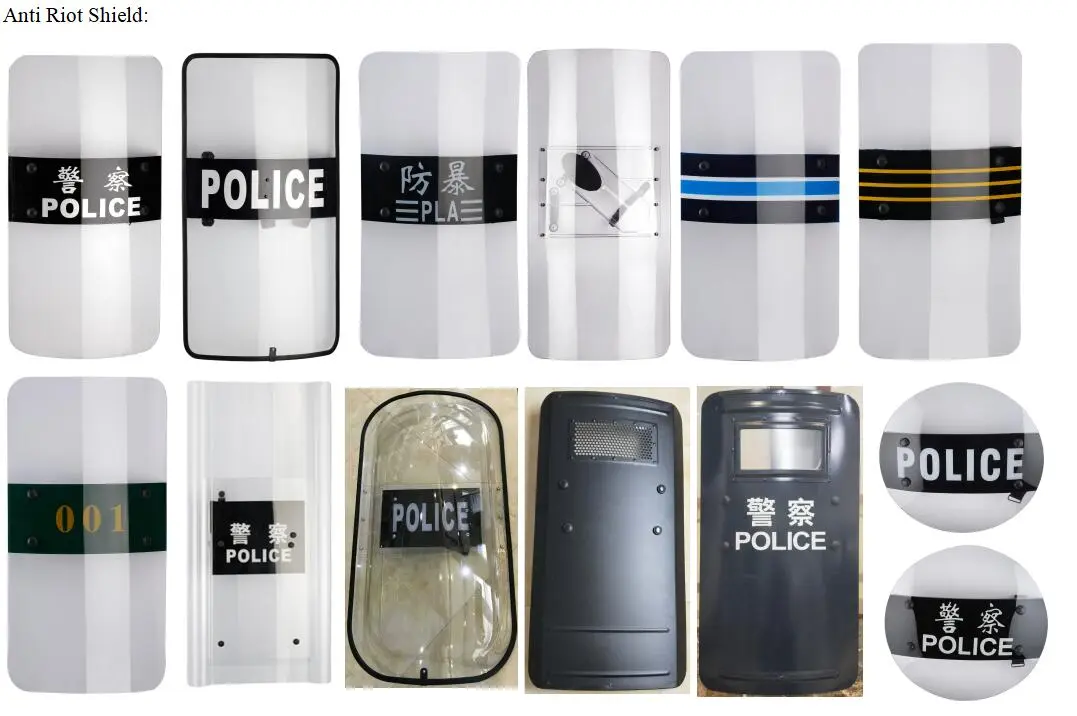
Riot control gear refers to protective equipment used by trained public-safety personnel during crowd-management duties. It commonly includes helmets with face shields, padded body protection, gloves, sturdy footwear, and clear shields. Some teams also use radios and basic first-aid supplies. Each item serves a practical purpose: helmets protect against impacts, while eye protection helps reduce exposure to dust and debris. Comfort matters, too. Heavy equipment can restrict movement and increase fatigue.

Fit matters. A helmet should sit securely without blocking vision or hearing. Protective clothing needs to cover key areas while allowing the wearer to move, communicate, and work safely. Shields can provide a barrier, but they do not make anyone invulnerable. Equipment should be inspected for cracks, loose straps, worn padding, and damaged closures before use. Small defects can become serious problems.

Training helps people understand the limits of their gear and how to maintain it. Teams should practice communication and routine checks, not just learn how to wear the equipment. No kit is perfect. Heat, poor fit, or limited visibility may still create risks, and those details deserve honest review after each use. Proper storage and timely replacement also help keep equipment dependable.

China’s Riot Control Gear Manufacturing Landscape

China’s Riot Control Gear Manufacturing Landscape sits within a much larger industrial base. UNIDO’s International Yearbook of Industrial Statistics 2024 places China’s share of global manufacturing value added at roughly one-third. World Bank data put its 2023 manufacturing value added near US$4.7 trillion. These figures describe the wider manufacturing system, not riot-control equipment alone. That distinction matters.

Production draws on established capabilities in molded plastics, technical textiles, metalworking, and protective-equipment assembly. A factory floor may combine stitched panels, reinforced seams, molded components, and inspection benches. Yet public trade classifications rarely isolate riot-control gear from broader protective products.

ITC Trade Map data can help track related product categories, but they do not provide a clean measure of this niche’s output. This leaves room for overclaiming.

Buyers and researchers should look for documented material specifications, batch traceability, and independent test records rather than relying on broad export figures. Manufacturing scale is not proof of consistent quality.

China’s supplier landscape is diverse, and process control can vary between facilities. That is the less tidy part of the picture.

Key Riot Control Gear Manufacturers in China

China’s key riot control gear manufacturers are best assessed by product range, documented testing, and production consistency—not promotional claims. Established suppliers may make helmets, protective clothing, shields, and eye protection. Look for clear material specifications, sizing charts, and inspection records. A shield should feel balanced in the hand, while helmet straps should adjust without slipping. Small details matter.

Tips: Request product samples and verify that labels match the technical documents. Ask how materials are checked between production batches. Confirm lead times and after-sales support in writing. A polished brochure is not proof.

Reliable manufacturers explain product limits as well as strengths. Check whether test reports come from qualified, independent facilities, and confirm that the tested model matches the item being offered. Ask about traceability, defect handling, and quality-control procedures. Factory visits or third-party inspections can provide useful evidence, though one visit cannot reveal every issue. Compare several suppliers using the same checklist. Some details may still be unclear; note them rather than assuming. Choose products suited to the intended protective role and prioritize fit, visibility, durability, and documented performance.

How to Compare Manufacturers and Their Product Ranges

When comparing Chinese riot-control gear manufacturers, examine product depth and production evidence, not catalog size alone. Check whether helmets, shields, body protection, gloves, and footwear are available as coordinated ranges. Ask for material specifications, size charts, inspection records, and batch traceability. Details matter. A polished sample does not prove consistent production.

Grand View Research estimated the global personal protective equipment market at USD 78.8 billion in 2023, with projected annual growth of 6.7% from 2024 to 2030. This broad PPE estimate is not a riot-gear market figure. It does show why buyers should separate market claims from product-level proof. Compare abrasion, impact, visibility, and heat-management test results, and check which standards each report actually covers.

Request samples in more than one size, then assess fit, weight, visibility, and movement under realistic working conditions. Confirm replacement-part availability, packaging, lead times, and how defects are handled. A supplier may offer many product types but limited customization or testing detail. That is worth questioning. I would not treat one successful sample as enough; repeatability across batches can be harder to judge, and buyers should ask for recent inspection evidence before comparing quotations.

Quality Standards and Compliance for Riot Control Equipment

For buyers comparing riot control gear manufacturers in China, compliance should be checked product by product. A factory’s quality-management certificate does not prove that every helmet, shield, or protective garment meets a required performance level. Ask which test methods apply in the destination market, and request current reports from a competent laboratory. Check that the tested model matches the product being offered.

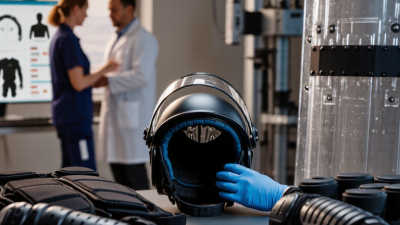
Good quality control leaves a paper trail. Look for material specifications, batch numbers, inspection records, and clear procedures for handling defects. On a sample garment, inspect stitching, fasteners, seams, and labels. Check whether the fit allows normal movement and whether sizing is consistent across samples. Small differences matter. A shield edge or loose closure can affect comfort during extended wear.

Compliance also involves honest claims and usable documentation. Protective performance should be tied to named test criteria, not broad phrases such as “maximum protection.” Confirm that instructions, care guidance, and warnings are available in the languages required by the buyer’s market. Independent inspections can help verify production consistency, though a single visit cannot show every batch. That part is easy to overestimate. Records and follow-up checks still need attention.