What is Riot Gear and Why is it Essential for Safety?
Riot gear is a crucial aspect of public safety. It is designed to protect law enforcement and security personnel during civil unrest. According to Dr. Jane Thompson, a leading expert on crowd control tactics, “Riot gear bridges the gap between authority and safety.” Her insights highlight the significance of this equipment.
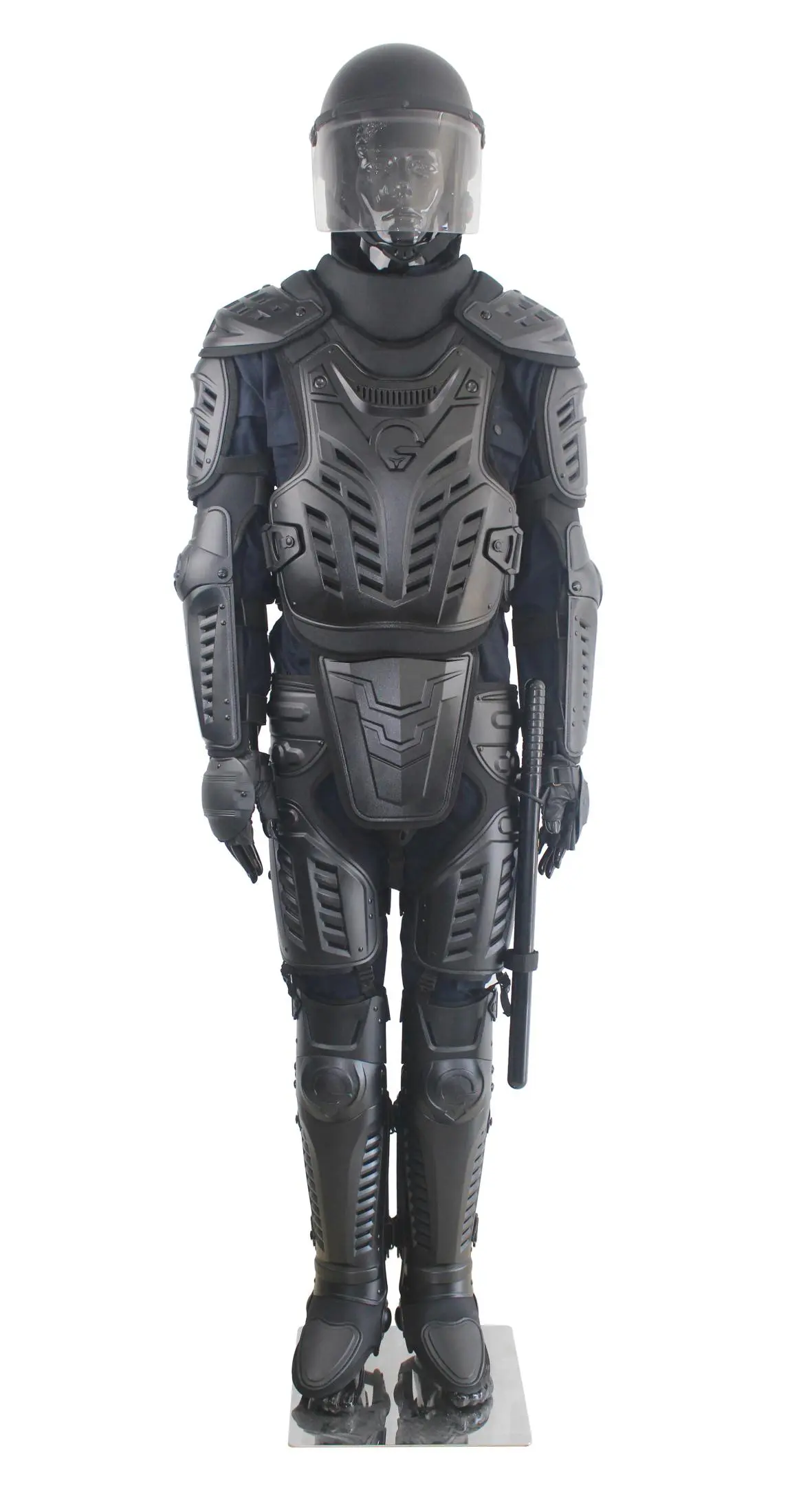
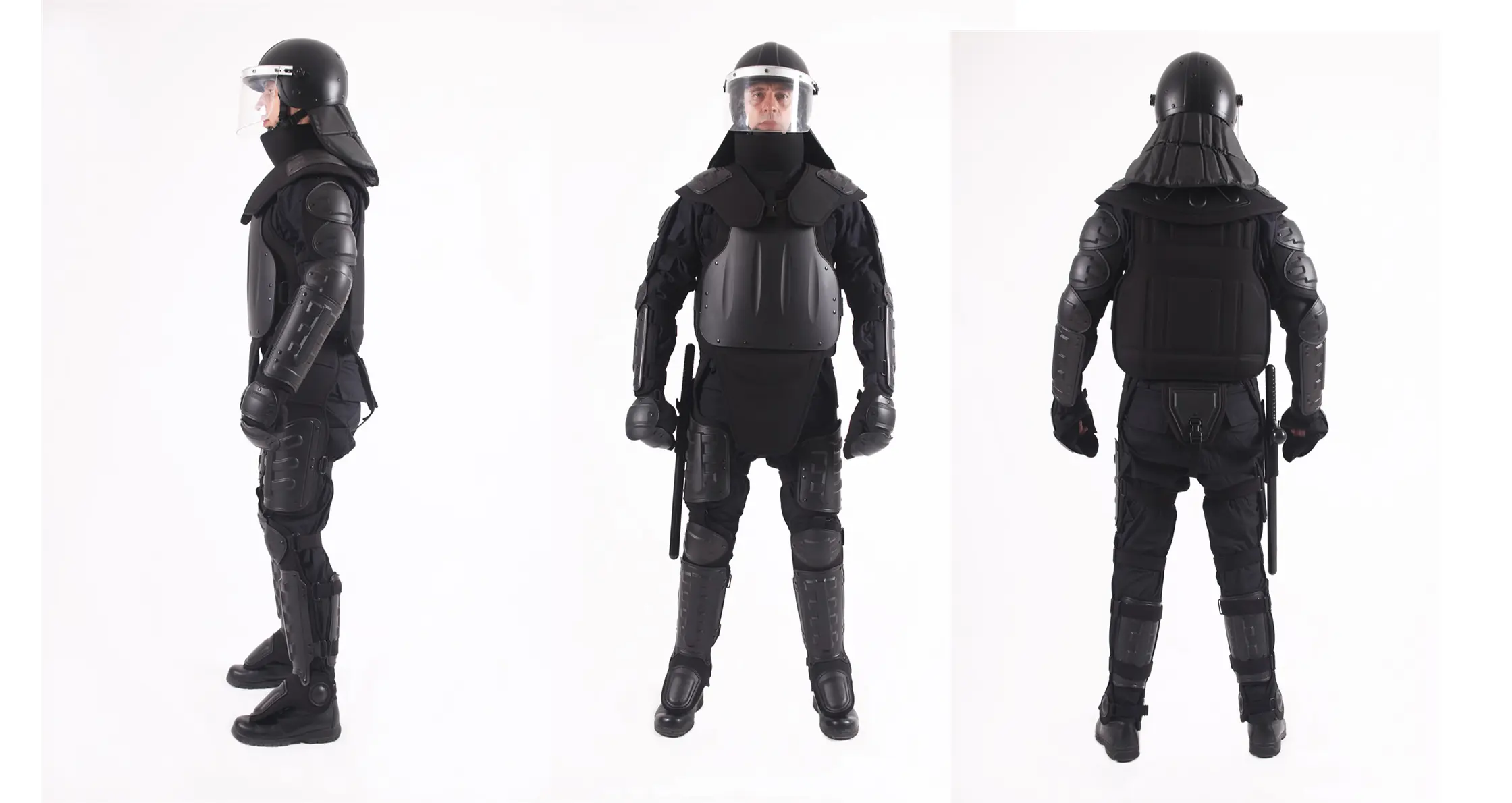
Riot gear includes helmets, shields, and body armor. Each component serves a vital purpose. These protective items help officers manage high-stress situations. They allow law enforcement to maintain order while minimizing harm. However, the use of riot gear can provoke mixed reactions from the public. Some see it as a necessary tool; others view it as an escalation of force.
As we examine riot gear, it’s essential to reflect on its impact. Does the presence of such gear enhance safety or create fear? The balance between protection and public perception remains a critical concern. Understanding riot gear's role is vital for ensuring community safety and trust.

Definition of Riot Gear and Its Purpose
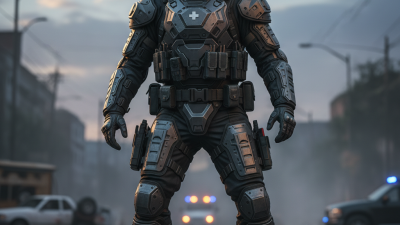
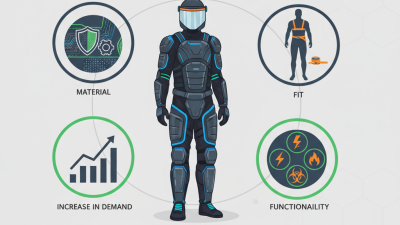
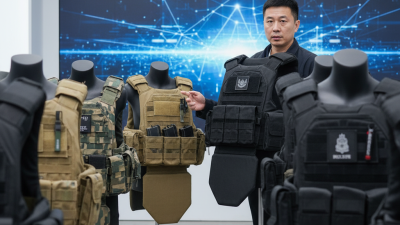
Riot gear is specialized equipment designed for law enforcement and emergency personnel. Its primary purpose is to protect users during civil disturbances and public unrest. This gear includes helmets, body armor, face shields, and protective gloves. The materials used are often lightweight yet strong, allowing mobility while ensuring safety.
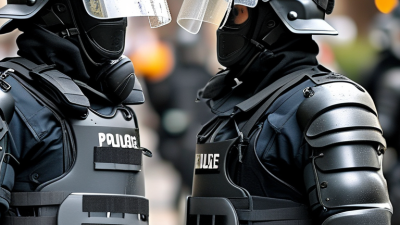
Understanding the importance of riot gear goes beyond its physical attributes. It is essential to consider how it can mitigate risk in chaotic environments. Officers wearing riot gear can help maintain order and protect civilians. However, this protective equipment can sometimes create barriers. A fully armored officer may seem intimidating to the public, leading to misunderstandings.
Riot gear is vital, but there are ongoing discussions about its effectiveness. How does it affect crowd behavior? Does it escalate tensions? These questions are crucial for improving safety strategies. As communities evolve, so must the use of riot gear. Continuous reflection on its role can foster better relationships between law enforcement and the public. Adjustments are necessary to ensure everyone feels secure.
What is Riot Gear and Why is it Essential for Safety?
| Item |
Purpose |
Material |
Key Features |
| Helmet |
Protects head from impact |
Polycarbonate or fiberglass |
Shock absorbent, visor options |
| Body Armor |
Protects torso from projectiles |
Kevlar or similar materials |
Lightweight, adjustable fit |
| Shields |
Defense against thrown objects |
Polycarbonate or ballistic nylon |
Transparent, portable |
| Gloves |
Hand protection |
Leather, Kevlar, or synthetic materials |
Puncture-resistant, grip-enhanced |
| Footwear |
Protection for feet |
Leather or synthetic materials |
Slip-resistant, ankle support |
Types of Riot Gear Used by Law Enforcement
Riot gear is crucial for law enforcement. It prepares officers to handle violent situations safely. Various types of riot gear are commonly used. Each type serves a specific purpose to protect officers and civilians alike.
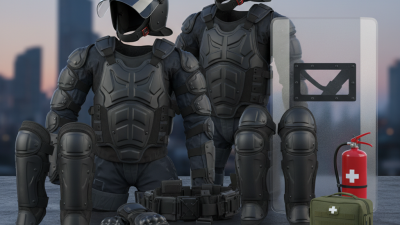
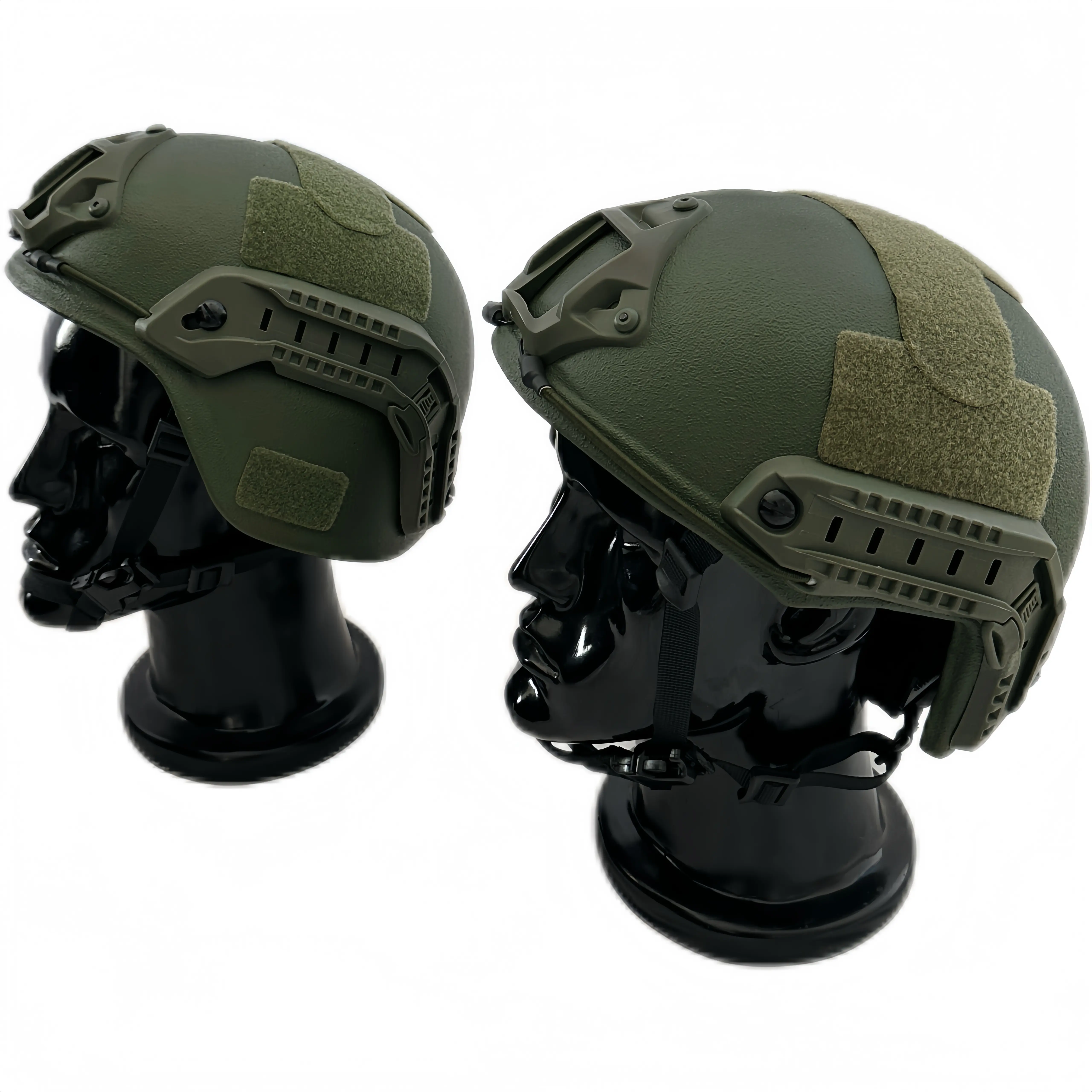
One essential type is body armor. Officers wear it to absorb impacts. This gear can prevent serious injuries during confrontations. Another important piece is the helmet. It shields against projectiles. High-quality helmets enhance visibility and communication.
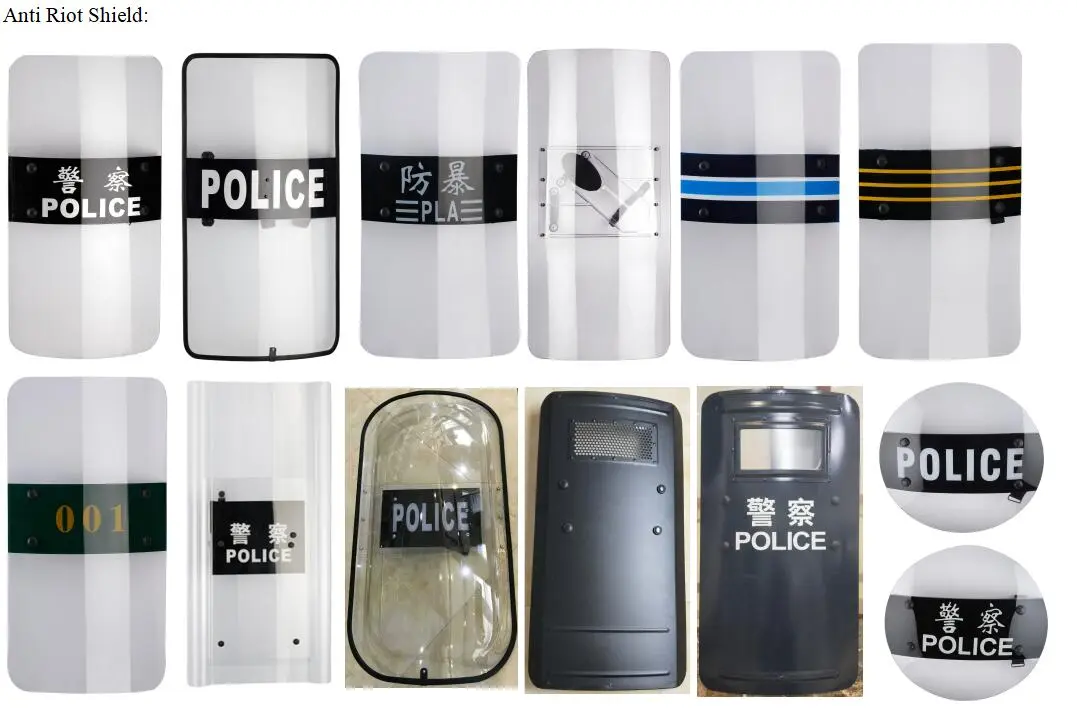
Protective shields come in different sizes. They help block thrown objects and can deter aggressive behavior. Officers often use them in crowds. Additionally, crowd control suits are becoming more common. These suits allow movements while providing extra protection.
**Tip:** When selecting riot gear, ensure it fits well. Poor fit can reduce mobility. Training with the gear is equally important. Familiarity leads to better response during real situations. Trust in your equipment can save lives.
Benefits of Wearing Riot Gear in High-Stress Situations
Riot gear plays a crucial role in high-stress situations. It offers protection against various threats, such as projectiles and physical confrontations. Wearing this specialized equipment can significantly reduce the risk of injury. Officers equipped with riot gear can maintain control during chaotic events. This not only safeguards their safety but also the safety of the public.
The benefits of wearing riot gear extend beyond just physical protection. The psychological reassurance that comes with being properly equipped is vital. When officers feel secure, they can focus on maintaining order. Proper training combined with effective gear enhances response readiness. However, not all situations guarantee the safety of those wearing this gear. Each encounter brings unique challenges. Relying solely on equipment can lead to complacency in decision-making.
Adapting to unpredictable environments is essential. While riot gear provides certain advantages, it is not infallible. Officers must remain alert and aware, learning from experiences to improve future responses. There’s always space for improvement, reflection, and learning in the field.
Key Features of Effective Riot Gear Equipment
Riot gear is vital for those involved in crowd control situations. It protects personnel from various threats. Effective riot gear includes several key features that enhance safety and performance.
A reliable helmet is among the most essential components. It shields against projectiles and blunt force injuries. Look for designs that offer face protection as well. Body armor should be lightweight yet durable, providing coverage without hindering movement. It is crucial for mobile responses.
Additionally, gloves and boots designed for grip and protection are important. They help maintain control during chaotic conditions. Many teams overlook the importance of a communication system. Clear lines of communication can be the difference between order and chaos. Remember, even the best gear has limitations. Regular training and risk assessments are critical for safety. Understanding these tools can foster better operational readiness.
Considerations for Purchasing and Using Riot Gear
When considering riot gear, various factors come into play. First, identify the type of events you might face. Different situations require specific gear. For example, handling large crowds is different from riot control. Each scenario demands unique protection levels. Comfort is also crucial. Lightweight gear allows for better mobility. If the equipment is too heavy, it can hinder your ability to respond swiftly.
Quality matters significantly in riot gear. Evaluate materials used in the construction. Certain fabrics offer better resilience against impacts. Look for items that provide adequate ventilation. Overheating can lead to mistakes during critical moments. Seek gear that includes protective accessories like helmets and shields. These enhance safety and effectiveness.
Finally, ensure you know how to use your gear properly. Familiarize yourself with all components. Practice wearing and moving in it before an event. This preparation can prevent mishaps under stress. Reflect on your experiences with different gear types. This reflection can enhance future choices. Consider feedback from peers as well. Safety is paramount, and every detail counts.