2026 Best Enforcement Gear Suppliers for Global Buyers

For global buyers, choosing Enforcement Gear suppliers is not a simple price comparison. A duty belt may look sturdy in a product photo, yet stitching, buckle finish, and fit can feel different after repeated use. Procurement teams also need clear specifications, consistent samples, dependable delivery estimates, and responsive support. Small details matter.

As a practical framing principle, composite sourcing specialist Jordan Hale puts it this way: “A reliable supplier proves consistency in the sample, the paperwork, and the next shipment.” Hale is an illustrative composite, not a quoted real-world source. The principle still gives buyers a useful test: compare documented materials and quality checks, then confirm that production samples match the written specification. Ask direct questions. Keep records.

This 2026 guide examines suppliers through practical criteria, including product range, manufacturing transparency, customization processes, communication, and after-sales service. It is designed for lawful, professional procurement and does not replace local standards or independent due diligence. Not every supplier will fit every buyer. That is worth remembering. A polished catalog cannot guarantee an easy order, and even careful reviews may miss a production change. Buyers should verify current details before committing, especially when requirements, lead times, or order volumes shift.
2026 Best Enforcement Gear Suppliers for Global Buyers

Understanding Enforcement Gear and Its Main Product Categories

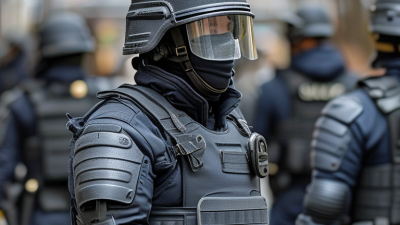
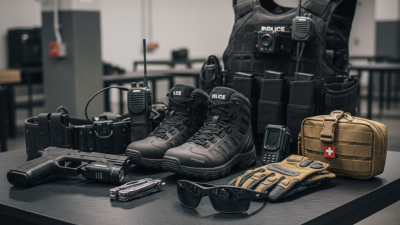
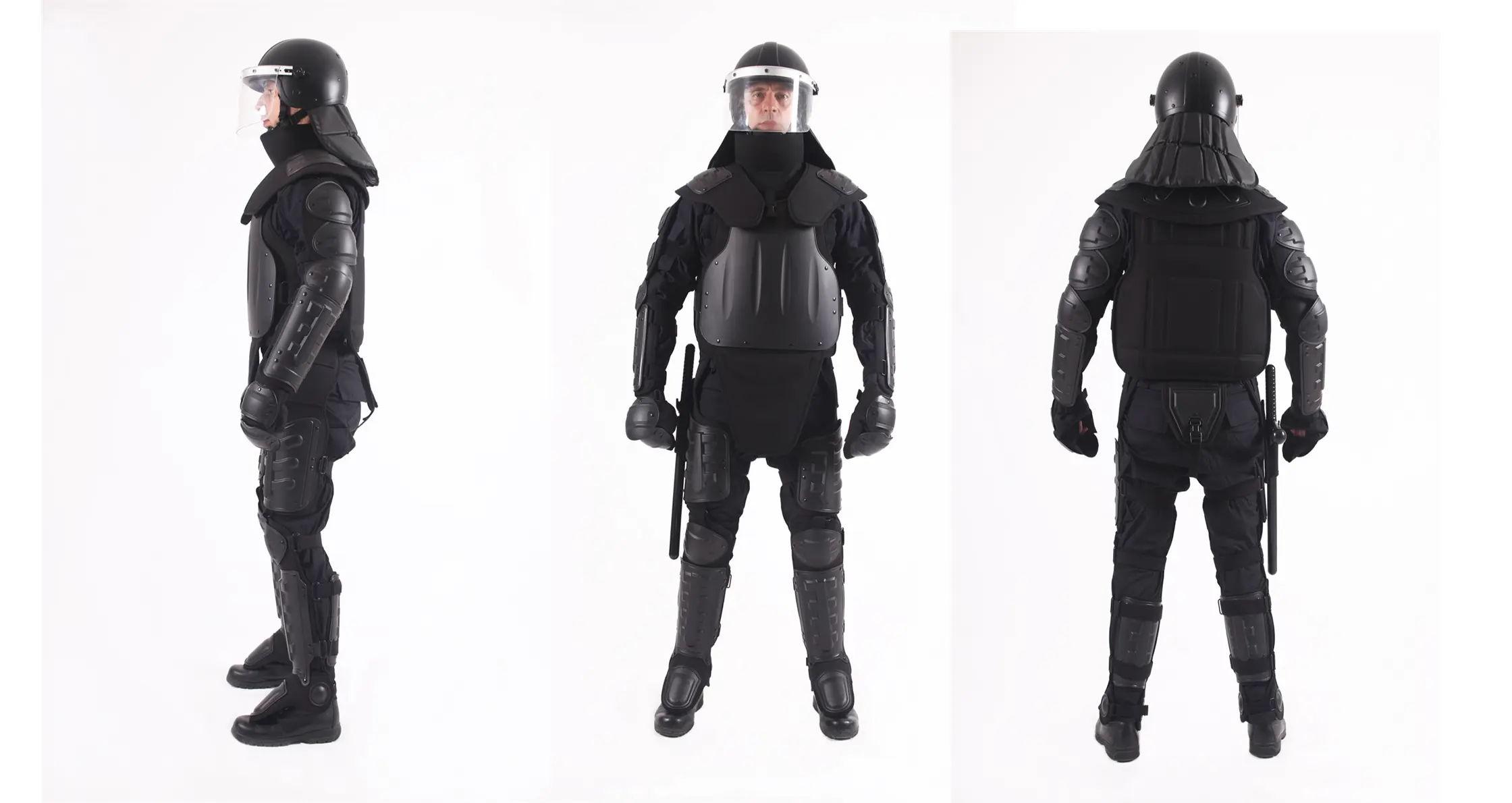
Enforcement gear covers the clothing and equipment used by authorized personnel during routine duties. Its main categories include uniforms, protective wear, footwear, communication tools, and practical carrying accessories.

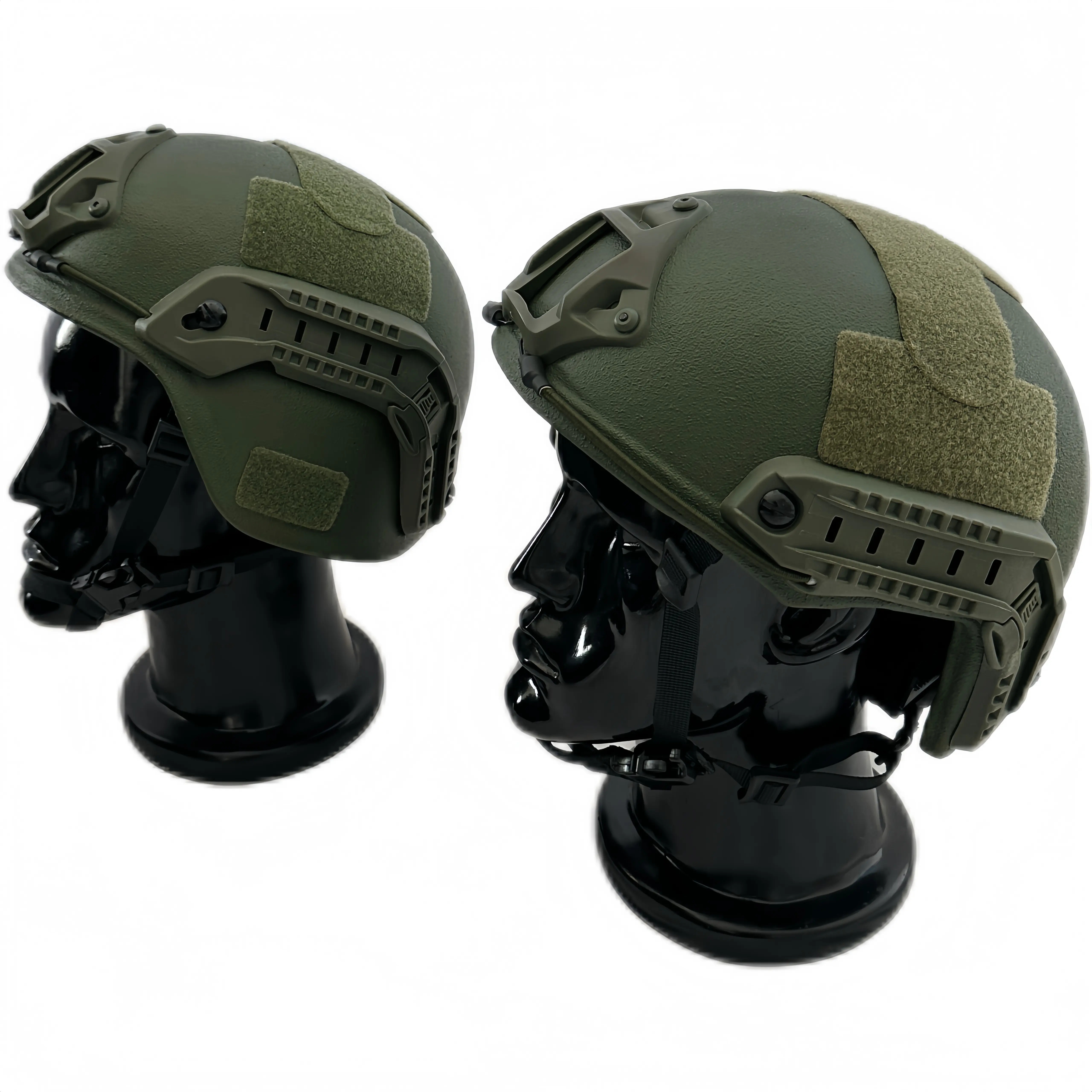
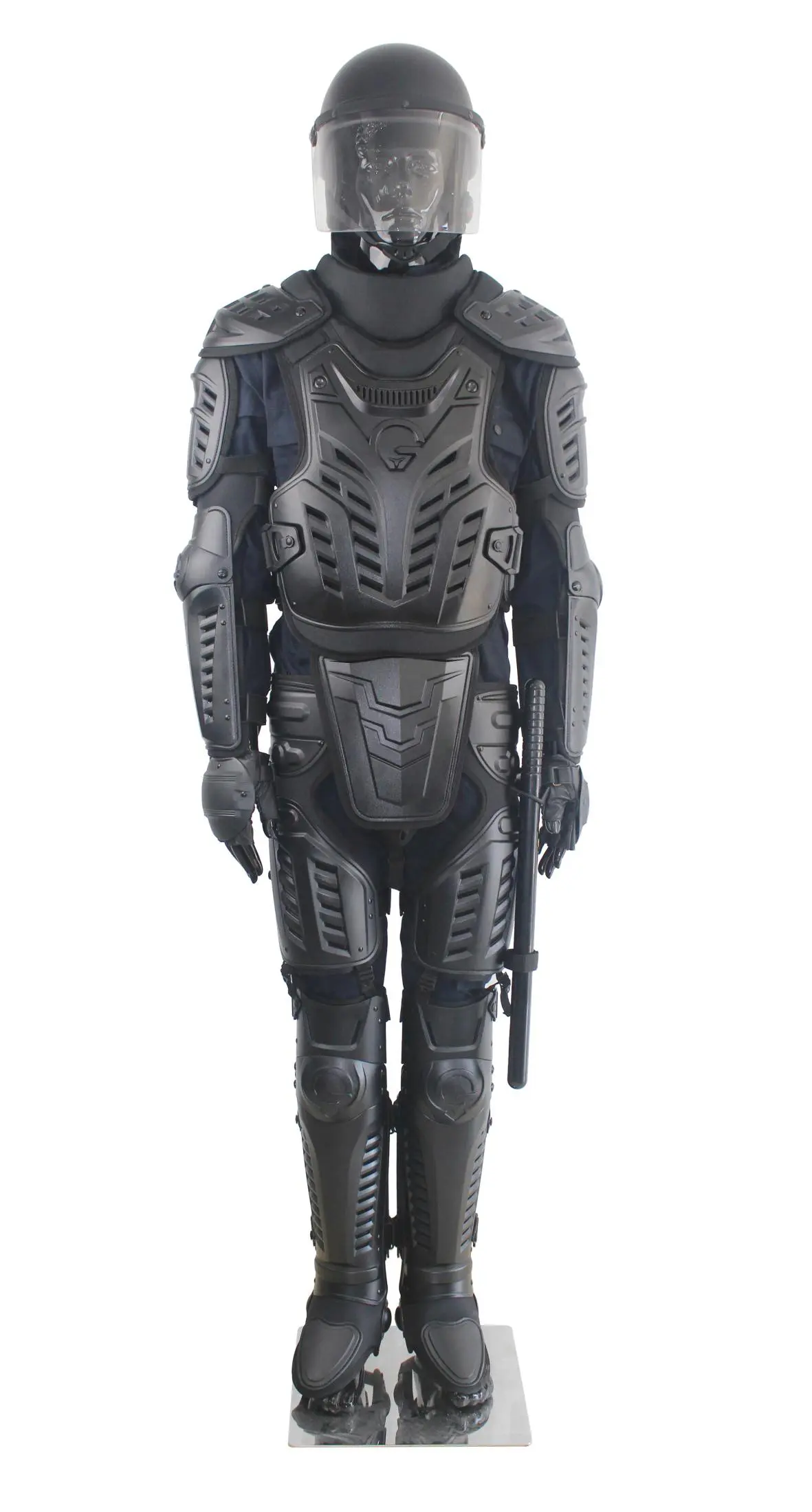
Uniforms should allow movement and remain comfortable through long shifts. Protective garments may include cut-resistant or impact-reducing layers, selected for the work environment and applicable standards.

Fit matters. Poorly sized equipment can restrict movement or create pressure points.

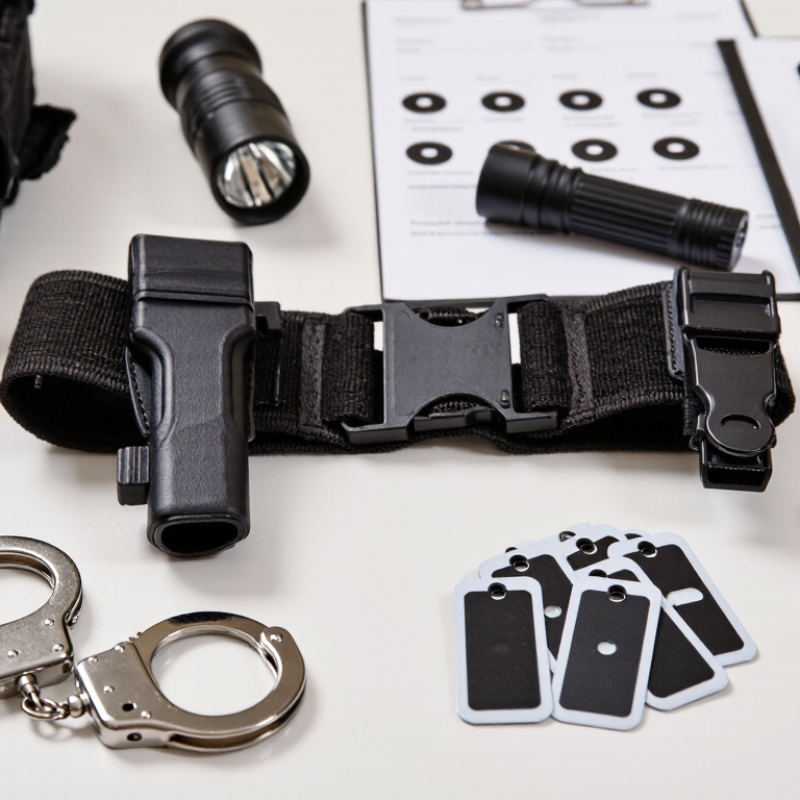
Footwear needs stable grip, supportive soles, and materials suited to wet pavement or extended standing. Communication equipment helps teams exchange clear information, while belts, pouches, and carriers organize everyday tools.

Small details matter. Buyers should check stitching, fasteners, adjustment ranges, cleaning instructions, and replacement-part availability.

No kit is perfect. A feature that works well in a mild climate may feel cumbersome in heat, rain, or frequent vehicle use.

Comparing samples, reviewing sizing charts, and asking suppliers for test documentation can reveal practical differences before a large order. Requirements vary by role and location, so procurement teams should confirm relevant local standards and prioritize documented quality over appearance alone.

Assessing Supplier Experience, Manufacturing Capacity, and Quality Control

Global buyers should look beyond a polished catalog when assessing enforcement gear suppliers. Request examples of comparable production runs, material specifications, and documented delivery records. Years in business matter less than evidence that teams can repeat consistent results. Ask how design changes are recorded. Small details reveal habits.

Manufacturing capacity involves more than a large facility. Check whether the supplier can manage fabric sourcing, cutting, stitching, and packing without relying on unclear handoffs. Ask about peak-season output and lead-time buffers. Numbers need context. A high monthly capacity means little if inspection staffing cannot keep pace.

Quality control should be visible at each production stage, not limited to a final spot check. Useful records may include fabric-lot tracking, seam inspections, measurement tolerances, and defect reports. Request a sample and examine stitching, closures, and sizing consistency. That matters. Still, a sample cannot guarantee every shipment will match. Buyers should agree on written acceptance criteria and a practical process for resolving defects before placing larger orders. A small trial order may take extra time, but it can expose gaps in communication early.

Comparing Product Standards, Customization, and Technical Support

Reliable enforcement gear sourcing starts with clear product standards, not a polished catalog. Ask suppliers for material specifications, inspection records, and documented quality checks. Compare stitching, fasteners, and wear resistance under realistic daily use. A small sample can reveal a stiff strap or awkward buckle that photos hide. Standards vary by product and destination, so confirm which requirements apply before placing a large order.

Tips: Request samples in the intended sizes and colors. Check fit while wearing gloves, and test closures repeatedly. Keep written records of approved materials and any changes.

Customization is useful when teams need consistent sizing, identification, or storage options. However, every added feature can affect cost, lead time, and durability. Confirm artwork placement, color matching, and production tolerances with a physical sample. Details matter. Leave time for revisions; rushed approvals can create avoidable rework.

Technical support should continue after delivery. Ask how quickly the supplier responds to defects, provides care instructions, and handles replacement parts. A dependable contact can help troubleshoot fit or wear issues with clear photos and batch details. No supplier is perfect, and some specifications may need revision after field feedback. Treat that feedback as useful evidence, not an inconvenience.

Evaluating International Compliance, Shipping, and After-Sales Service

For global buyers, a supplier’s compliance process matters as much as product specifications. Check destination-specific requirements for materials, labeling, testing, and shipment documents before approving an order. The World Bank’s 2023 Logistics Performance Index assessed 139 economies across six areas, including customs, tracking, and delivery timeliness. These measures offer a useful framework for evaluating a supplier’s logistics capability, but they do not replace product-level checks. A certificate alone is not a guarantee; a small documentation mismatch can still delay a shipment.

Shipping needs realistic planning. UNCTAD’s Review of Maritime Transport reports that more than 80% of world trade by volume moves by sea, making port delays and transit variability important purchasing considerations. Ask suppliers for written lead times, packaging details, shipment tracking, and a clear process for damaged or missing goods. After delivery, confirm warranty terms, response times, and access to replacement parts. One weakness buyers sometimes overlook: a polished sales process does not always mean equally responsive after-sales support.

Tips: Request a sample document pack before placing a large order. Confirm who handles freight claims and what evidence is required. Keep batch and inspection records; they make follow-up easier. Allow a buffer for customs reviews, even when earlier shipments arrived on time.

Selecting an Enforcement Gear Supplier for Global Procurement

Selecting an enforcement gear supplier for global procurement means testing consistency, not just comparing unit prices. Ask for material specifications, batch-level inspection records, and clear replacement terms before approving samples. A jacket may look sound under warehouse lighting, yet its stitching can fail after repeated washing. Test the seams.

The International Labour Organization’s 2023 estimates report nearly 2.93 million work-related deaths and 395 million non-fatal work injuries each year. These figures cover many causes, not equipment alone, but they underline why fit, durability, and documented quality checks matter. Request independent test reports for relevant protective features, and confirm that production samples match the final order. A missing size range or vague care label can create costly delays.

For cross-border delivery, compare lead times, packaging standards, and how suppliers report shipment changes. The World Bank’s 2023 Logistics Performance Index assessed 139 economies across six areas, including customs, tracking, and timeliness. Use those dimensions as a practical checklist, alongside your own lane-specific delivery records. Ask for recent performance evidence, not only a polished capability sheet. I would still verify small details in person where possible; supplier paperwork can be incomplete, and procurement teams sometimes overlook that. Keep a written record of sample approvals, revisions, and delivery commitments.

2026 Best Enforcement Gear Suppliers for Global Buyers

A practical scorecard for selecting an enforcement gear supplier for global procurement

Example buyer-defined evaluation weights: compliance and certifications (30%), product quality and testing (25%), delivery capability (20%), export documentation (15%), and after-sales support (10%). These weights form an illustrative procurement scorecard, not a market survey or supplier ranking. Buyers should adjust them to match local regulations and operational needs.